.webp&w=384&q=75)

Loading, please wait...
Loading, please wait...

Trigeminal neuralgia presents as excruciating, paroxysmal facial pain that severely impairs quality of life. Clinicians routinely initiate first-line pharmacotherapy using anticonvulsant medications such as carbamazepine and oxcarbazepine. However, nearly half of all affected individuals experience medical refractoriness or intolerable adverse effects over time. Consequently, many patients ultimately undergo surgical intervention. Among available surgical modalities, microvascular decompression for trigeminal neuralgia offers the highest rates of long-term pain freedom by alleviating neurovascular compression at the root entry zone. Despite its established efficacy, the optimal window for transitioning from medical management to surgery remains a topic of active clinical discussion.
Medical practitioners frequently encounter difficult choices regarding how long to persist with conservative drug therapy. Initially, sodium channel blockers provide dramatic pain relief for most patients. Nevertheless, disease progression and progressive drug tolerance often prompt dose escalation. Furthermore, high drug doses lead to central nervous system toxicity, ataxia, and hepatic stress. In addition, chronic compressive injury against the trigeminal root entry zone may cause irreversible neuropathic remodeling over extended periods. When pharmacotherapy begins to fail, clinicians must decide whether to adjust regimens or refer immediately for neurosurgical evaluation. Consequently, understanding how the duration of medical treatment impacts long-term surgical success represents a vital clinical question for neurologists, pain specialists, and neurosurgeons alike.
To address this clinical question, researchers evaluated a comprehensive cohort of 381 patients who underwent primary microvascular decompression between 2007 and 2023 at a single tertiary institution. The study team defined conservative management duration as the total time of preoperative anticonvulsant use. The investigators dichotomized the entire cohort based on the median duration of conservative management, which was 1.74 years. In addition, the researchers analyzed the duration of conservative therapy as a continuous variable. The study evaluated demographic details, medical comorbidities, clinical pain characteristics, and preoperative opioid consumption. Furthermore, postoperative outcomes were systematically recorded using the modified Barrow Neurological Institute pain and numbness scales, alongside multivariate ordinal regression and Cox proportional hazards analyses.
The investigation revealed critical distinctions between patients who experienced prolonged conservative therapy and those who underwent earlier surgical intervention. Specifically, patients with longer durations of conservative management were more frequently male and showed lower rates of preoperative opioid use. More importantly, at final follow-up, patients in the prolonged conservative therapy cohort reported significantly higher Barrow Neurological Institute pain scores. Furthermore, these individuals demonstrated significantly higher rates of postoperative pain recurrence compared to patients who received earlier decompression. Multivariable ordinal regression confirmed that prolonged medical management independently predicted worse pain relief. Therefore, prolonged delay in operative treatment appears to compromise the durability of surgical success.
These findings provide essential insights into prognostic factors for patients undergoing microvascular decompression for trigeminal neuralgia. The data indicate that prolonged physical compression of the nerve root may induce progressive demyelination, axonal injury, and central sensitisation. When neurovascular conflict persists for years, decompression alone might not fully reverse downstream neuroplastic alterations in the trigeminal pathway. Conversely, earlier operative decompression relieves vascular pulsatility before permanent microstructural damage and central pain chronification occur. In addition, multivariable analyses highlighted that younger patient age and absence of secondary pain characteristics also correlated with superior surgical relief. Consequently, clinicians must recognize that protracted medical therapy is not entirely benign regarding long-term surgical prognosis.
Clinicians should balance conservative treatment trials with timely surgical referral. While initial medical stabilization remains the unquestioned standard of care, continuing multiple sequential drug trials despite partial response or breakthrough pain may inadvertently prolong neural injury. Therefore, neurologists and primary physicians should establish clear checkpoints during patient follow-up. For example, if a patient requires high-dose multidrug regimens or suffers frequent breakthrough pain within the first one to two years, clinicians should introduce neurosurgical consultation early. This proactive approach prevents unnecessary suffering and helps preserve the optimal physiological window for definitive microvascular decompression.
In routine clinical practice, structured multidisciplinary collaboration enhances patient outcomes significantly. Neurologists, pain specialists, and neurosurgeons must streamline referral pathways so that candidates for surgical decompression avoid years of refractory pain. Moreover, modern high-resolution magnetic resonance imaging allows clinicians to confirm neurovascular contact early in the disease course. Identifying robust anatomical compression enables confident, early surgical decision-making. In conclusion, while conservative management remains essential during initial presentation, clinicians should avoid protracted medical trials when symptom control deteriorates. Timely transition to microvascular decompression offers patients the best likelihood of achieving durable, medication-free pain relief.
The median duration of preoperative conservative management in this cohort was 1.74 years. Patients receiving medical therapy for longer than this duration demonstrated significantly higher postoperative pain scores and experienced greater rates of facial pain recurrence following microvascular decompression.
Protracted neurovascular compression against the trigeminal root entry zone causes progressive demyelination, structural axonal injury, and central pain sensitization. Consequently, late anatomical decompression may fail to reverse established secondary neuropathic alterations within the trigeminal sensory pathway, resulting in reduced postoperative pain freedom.
Clinicians should initiate neurosurgical consultation promptly when patients demonstrate inadequate pain relief, require escalating anticonvulsant dosages, develop intolerable pharmacological side effects, or suffer breakthrough paroxysms within the initial one to two years of medical therapy, rather than delaying intervention indefinitely.
Disclaimer: This content is for informational and educational purposes only and does not constitute medical advice, diagnosis, or treatment. Always consult a qualified healthcare professional regarding specific medical conditions or clinical decisions. Refer to the latest local and national guidelines for clinical practice.
References
1. Kalluri AL et al. Effects of the length of preoperative conservative management on postoperative outcomes after primary microvascular decompression for trigeminal neuralgia. J Neurosurg. 2025 Jul 01. doi: 10.3171/2024.9.JNS241436. PMID: 39919276.
2. Cruccu G, Di Stefano G, Truini A. Trigeminal Neuralgia. N Engl J Med. 2020;383(8):754-762. doi: 10.1056/NEJMra1914484.
3. Bendtsen L, Zakrzewska JM, Abbott J, et al. European Academy of Neurology guideline on trigeminal neuralgia. Eur J Neurol. 2019;26(6):831-849. doi: 10.1111/ene.13950.

Read summarized clinical updates, watch expert medical content, and earn CME certifications right from your smartphone.
Open your smartphone camera to scan and install.





A retrospective study reveals that prolonged conservative anticonvulsant therapy before microvascular decompression for trigeminal neuralgia is significantly associated with higher postoperative pain scores and increased recurrence risk, emphasizing the need for timely neurosurgical evaluation.
last month

The CARE study protocol introduces a multilingual, RAG-powered conversational interface designed by IIT Bombay to support tobacco cessation in India. Evaluating feasibility and behavioral outcomes across three cessation centers, this digital health initiative aims to enhance quitting support for diverse users.
Today

A large UK cohort study of 1.4 million women shows that pregnancy complications, including gestational diabetes, hypertension, and preterm birth, substantially raise long-term risks for hypertension, chronic kidney disease, type 2 diabetes, and cardiovascular events, highlighting early postpartum intervention needs.
Today
A cross-sectional study reveals that hypertension knowledge, illness perceptions, depression, and substance use significantly predict self-care behaviors. Addressing mental health and cognitive beliefs in primary care is crucial for optimal blood pressure control and cardiovascular disease prevention.
Today
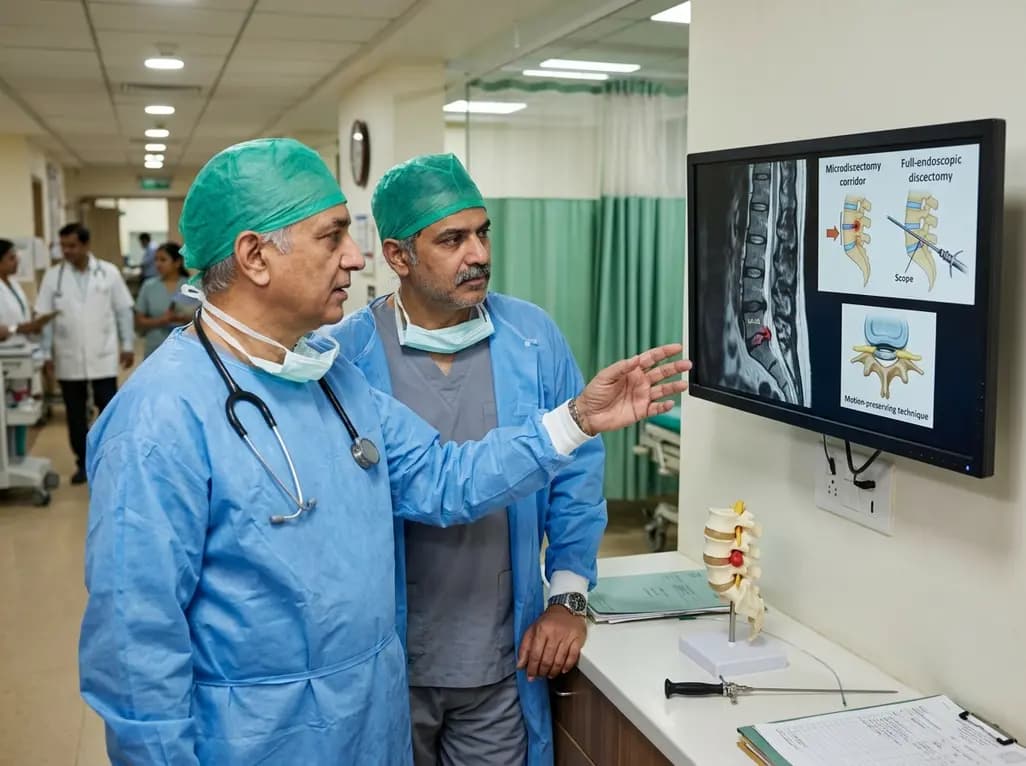
This clinical overview examines recent advancements in lumbar disc herniation surgery, comparing microscopic and full-endoscopic discectomy while highlighting biportal techniques and emerging motion-preserving innovations for spine specialists.
Today

Small interfering RNA (siRNA) therapeutics harness RNA interference to degrade disease-causing messenger RNA. By delivering hepatocyte-targeted, durable gene silencing, agents targeting PCSK9, LPA, and angiotensinogen offer potent cardiovascular risk reduction with infrequent, biannual dosing schedules.
Today
