.webp&w=384&q=75)

Loading, please wait...
Loading, please wait...

Preoperative anaemia remains one of the most prevalent yet underappreciated modifiable risk factors in elective surgical care today. When surgical candidates present with low haemoglobin concentrations, their baseline physiological reserve diminishes substantially under surgical stress. Consequently, even modest intraoperative blood loss precipitates tissue hypoxia and cardiovascular strain. Recent data from a national cohort study in Wales highlight the extensive burden of unaddressed iron deficiency across surgical disciplines. Therefore, clinicians must prioritize early screening and structured haematological optimisation to improve patient recovery and conserve vital healthcare resources.
Globally, up to forty percent of elective surgical patients present with reduced haemoglobin levels prior to surgical intervention. The Welsh national cohort study tracked thousands of adult elective cases across gastrointestinal, orthopaedic, cardiac, urological, and gynaecological disciplines. Importantly, data revealed that anaemia occurs across all major specialties, with gastrointestinal and cardiac cohorts demonstrating the highest disease burden. Moreover, absolute or functional iron deficiency serves as the predominant driver of these subnormal haemoglobin concentrations. Patients with uncorrected haematological deficits experienced significantly prolonged hospital stays compared to non-anaemic peers. Additionally, these patients faced higher rates of unplanned thirty-day hospital readmissions and elevated perioperative mortality. Allogeneic blood transfusion rates also rose substantially in anaemic cohorts, which further amplified risks of transfusion-related immunomodulation. Thus, these epidemiological findings confirm that low baseline haemoglobin independently drives adverse postoperative events. Surgical teams must therefore abandon the practice of proceeding to theatre without evaluating and correcting red cell health.
Iron plays an essential physiological role extending far beyond classical red blood cell haemoglobin synthesis. Specifically, cellular mitochondria rely heavily on iron-containing proteins to generate adenosine triphosphate during aerobic respiration. When tissue iron stores fall, cellular bioenergetics become impaired even before gross anaemia becomes evident in routine tests. Consequently, critical organ systems such as the myocardium and skeletal muscles struggle to withstand perioperative metabolic surges. Furthermore, perioperative iron deficiency compromises systemic immune function by blunting lymphocyte proliferation and neutrophil oxidative burst capacity. This cellular dysfunction increases the patient's susceptibility to surgical site infections and postoperative sepsis. Simultaneously, tissue hypoxia triggers compensatory tachycardia, which increases myocardial oxygen demand and provokes perioperative ischaemia. In addition, surgical trauma induces systemic inflammatory cytokines that trigger hepatic hepcidin release. Elevated hepcidin rapidly sequesters circulating iron inside macrophages, creating functional iron deficiency that halts immediate marrow recovery. Therefore, combining baseline iron depletion with surgical inflammation creates a metabolic crisis that impairs wound healing.
Modern surgical healthcare increasingly relies on the three pillars of Patient Blood Management to enhance patient safety. Specifically, the first pillar focuses on detecting and managing preoperative anaemia weeks before scheduled theatre dates. The NHS Wales Preoperative Anaemia Pathway provides an operational template by deploying systematic screening for major elective cases. Under this pathway, hospital teams assess complete blood counts and ferritin levels at least four to six weeks prior to surgery. Consequently, clinical teams obtain an adequate therapeutic window to replenish marrow iron stores before surgical stress occurs. Digital tracking dashboards further support this process by alerting clinicians to abnormal laboratory indices across health boards. Moreover, this standardized strategy reduces inter-hospital variability and eliminates last-minute surgical cancellations. Hospital networks also report a marked decline in avoidable allogeneic transfusions, protecting regional blood bank reserves during critical shortages. Thus, institutional implementation of automated pathways transforms perioperative care from reactive crisis management into proactive optimization. Multi-disciplinary collaboration remains central to achieving these sustained clinical benefits.
Selecting the appropriate iron replacement formulation depends on the surgical timeframe and patient-specific inflammatory status. Oral iron salts provide an inexpensive and readily available option for mild iron deficiency identified well in advance. However, oral iron requires at least four to eight weeks to achieve meaningful haemoglobin elevation. Furthermore, gastrointestinal adverse effects such as nausea, constipation, and abdominal cramping frequently limit patient adherence. Intravenous iron formulations, including ferric carboxymaltose and ferric derisomaltose, offer a superior therapeutic alternative in specific clinical settings. For example, clinicians prefer intravenous therapy when surgery is scheduled within four weeks or when oral compounds fail. Modern intravenous formulations permit high-dose single-session administration, rapidly restoring iron reserves without provoking severe toxicity. In addition, intravenous delivery bypasses mucosal absorption barriers and circumvents hepcidin-mediated iron blockade in inflammatory states. Consequently, rapid marrow utilization boosts red cell mass and elevates functional tissue oxygenation ahead of surgery. Clinical protocols should therefore prioritize intravenous iron for patients with moderate anaemia or tight surgical scheduling windows.
The insights generated by the Welsh study hold immense clinical relevance for surgical practice across India. In India, nutritional anaemia and iron deficiency affect more than half of the surgical population, especially women. Consequently, Indian surgeons and anaesthesiologists frequently encounter severe baseline anaemia in elective surgical candidates. However, current local workflows often fail to screen patients until the immediate pre-anaesthetic evaluation. This delay forces teams to either cancel necessary operations or proceed with expensive, risky allogeneic transfusions. Healthcare institutions across India must therefore adopt proactive screening algorithms at the initial surgical outpatient consultation. Point-of-care testing and routine serum ferritin assessments should become standard institutional policy for elective procedures with anticipated blood loss. Furthermore, Indian clinicians should leverage affordable parenteral iron formulations to correct iron deficits rapidly in district and tertiary hospitals. Implementing these structured patient blood management principles will reduce blood bank dependencies, curb transfusion reactions, and shorten hospital stays. Ultimately, prioritizing preoperative haematological optimization will advance patient safety and improve surgical outcomes nationwide.
Clinicians should screen all elective surgical patients for anaemia at least four to six weeks before their planned procedure. This timeline provides adequate opportunity to identify underlying etiologies, perform ferritin and transferrin saturation testing, and initiate targeted iron therapy. Identifying haematological deficits early prevents last-minute surgical postponements and reduces reliance on perioperative transfusions. If surgical timelines are expedited, screening should occur immediately at the initial surgical outpatient consultation to allow rapid parenteral intervention.
Intravenous iron delivers elemental iron directly into the circulation, bypassing intestinal absorption barriers and hepcidin-mediated mucosal blockade. Consequently, intravenous formulations replenish depleted marrow stores within days and stimulate rapid erythropoiesis within one to two weeks. In contrast, oral iron requires several weeks of consistent intake and frequently provokes intolerable gastrointestinal symptoms. Therefore, parenteral therapy is the preferred intervention whenever surgery is scheduled within four weeks or when patients cannot tolerate oral supplements.
In surgical candidates without systemic inflammation, a serum ferritin level below 30 micrograms per litre confirms absolute iron deficiency. However, ferritin acts as an acute-phase reactant during systemic inflammation, which artificially elevates serum levels. In patients with elevated C-reactive protein or chronic disease, clinicians define iron deficiency as ferritin below 100 micrograms per litre. Alternatively, a transferrin saturation under 20 percent confirms functional iron deficiency requiring therapy.
Disclaimer: This content is for informational and educational purposes only and should not be considered medical advice. Always seek the advice of a qualified healthcare professional regarding any medical condition or treatment. Refer to the latest local and national guidelines for clinical practice.
References

Read summarized clinical updates, watch expert medical content, and earn CME certifications right from your smartphone.
Open your smartphone camera to scan and install.





A national cohort study reveals that preoperative anaemia and iron deficiency significantly worsen postsurgical outcomes across elective specialties. Structured patient blood management pathways optimize haemoglobin, reduce transfusions, and improve recovery.
Today

Nanoscale graphene oxide demonstrates remarkable neuroprotective potential in Parkinson's disease models by remodeling toxic alpha-synuclein fibrils, rescuing dopaminergic neurons, and curbing neuroinflammation, marking a new milestone for translational nanomedicine.
Today
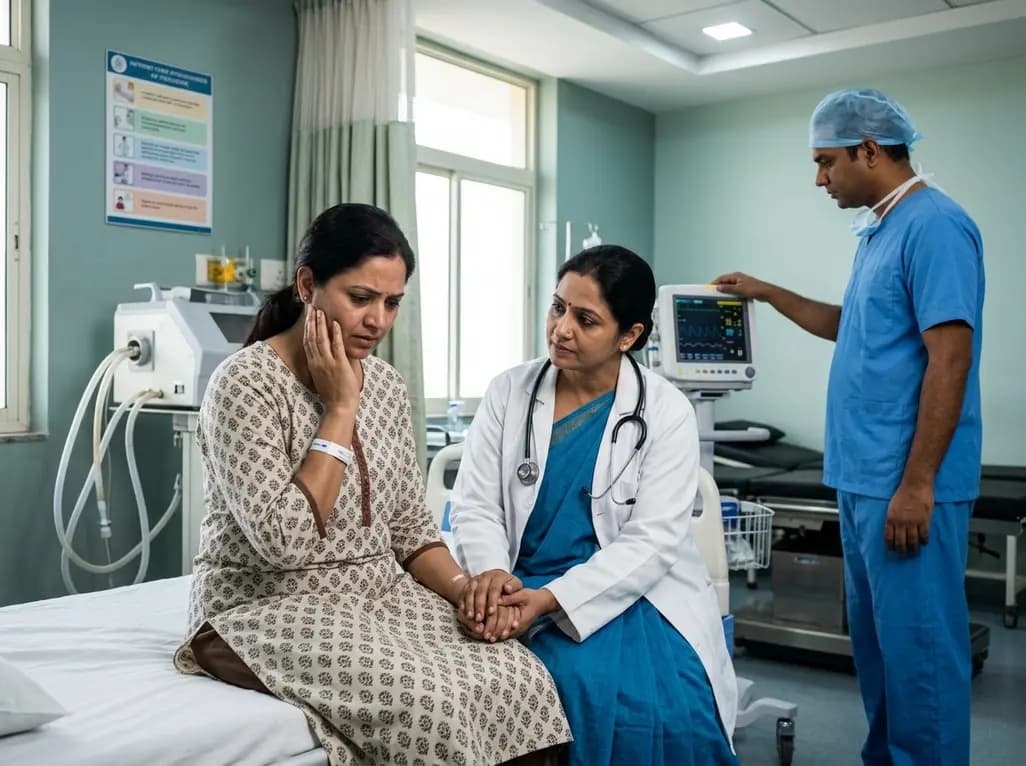
The FEBE study investigates the prevalence of post-traumatic stress disorder symptoms in women receiving high-dose-rate brachytherapy for cervical cancer, highlighting the critical role of procedural sedation and trauma-informed clinical care.
Today
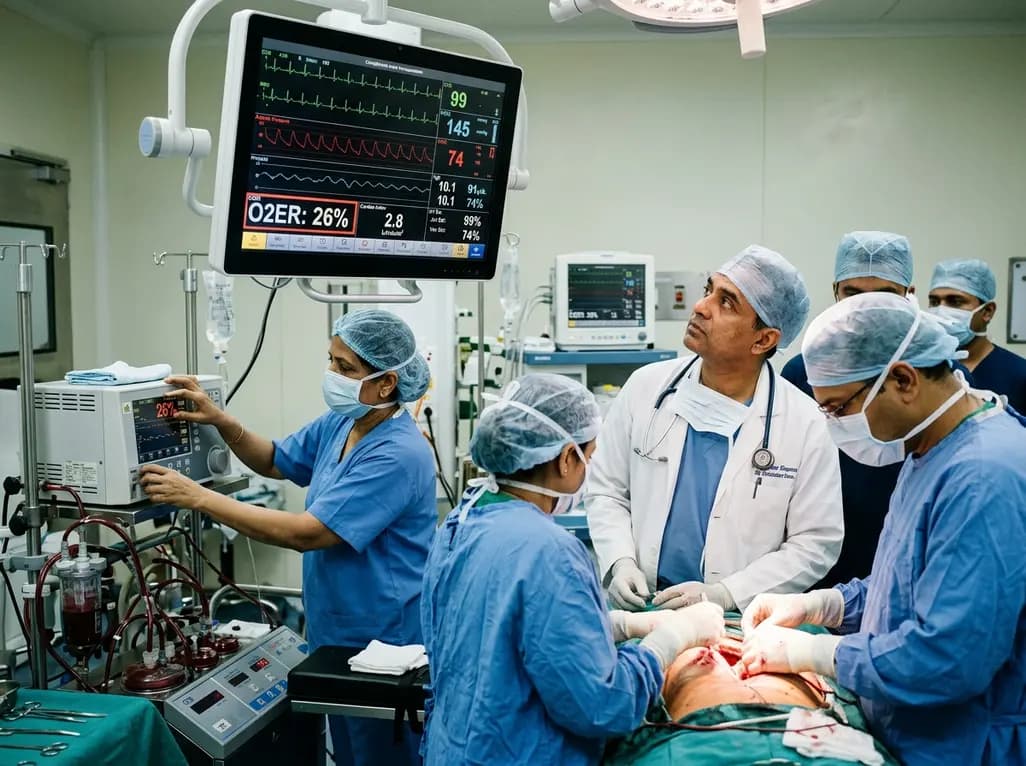
A landmark study reveals that intraoperative goal-directed perfusion targeting oxygen extraction ratio significantly reduces renal replacement therapy and two-year mortality in LVAD explant heart transplantation, offering a vital metabolic target for cardiac surgery teams.
Today
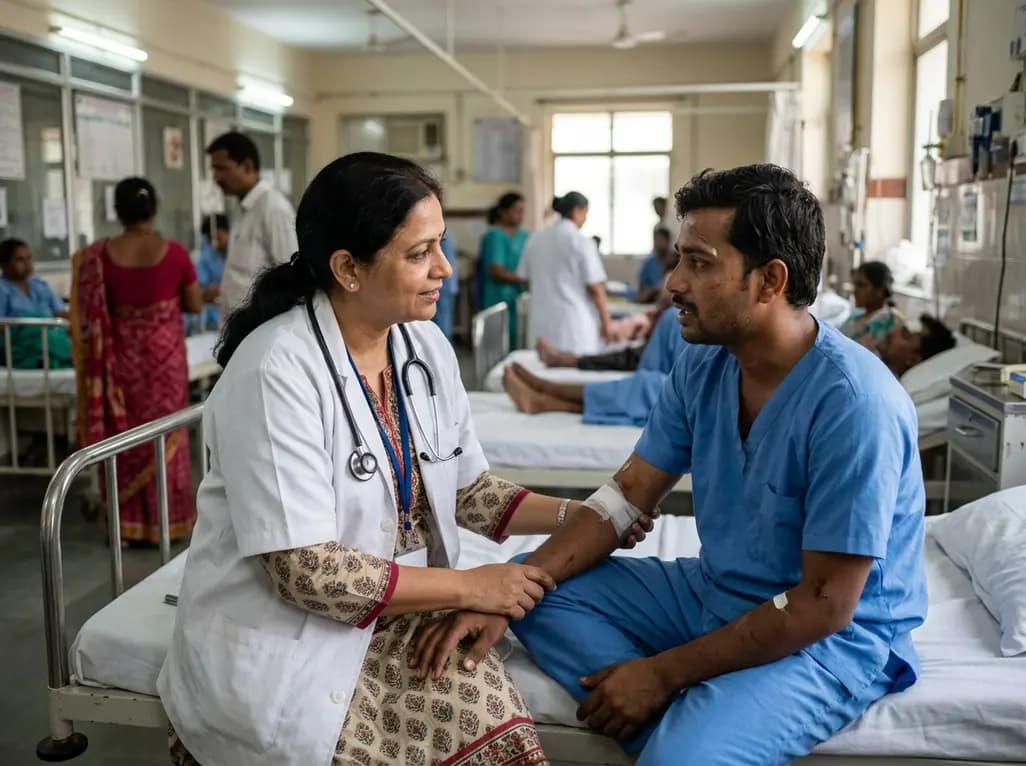
A Level I trauma center study shows a brief bedside mental health intervention boosts 30-day follow-up screening adherence by 84% in nonviolent injury patients. However, outcomes for violence survivors reveal critical care gaps, underscoring the urgent need for specialized community violence intervention programs.
Today
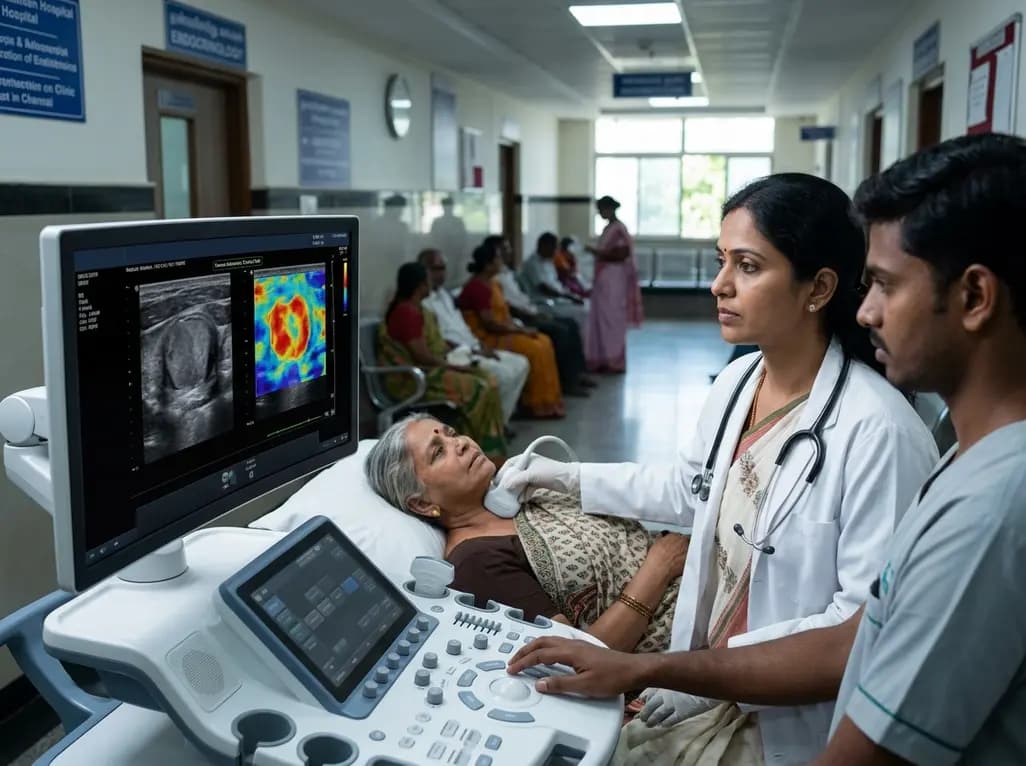
A study introduces a dual-discriminator generative adversarial network (DD-GAN) capable of generating virtual elastography ultrasound from standard B-mode images. The tool matches real elastography performance and improves thyroid nodule risk stratification when combined with TI-RADS.
Today
