.webp&w=384&q=75)

Loading, please wait...
Loading, please wait...

Maternal lifestyle choices during gestation profoundly influence embryonic development and long-term offspring health. In particular, prenatal alcohol exposure represents a leading preventable cause of congenital birth defects and developmental disabilities worldwide. While clinicians frequently recognize fetal alcohol spectrum disorders for their characteristic craniofacial anomalies and neurocognitive impairments, cardiac manifestations remain a major source of morbidity. During intrauterine stress, the fetal circulation prioritizes blood flow to the developing brain. Consequently, this physiological trade-off may render the developing myocardium particularly vulnerable to toxic insults. Recent experimental investigations highlight intricate molecular pathways that mediate this damage, identifying novel channel proteins and autophagic mechanisms that drive ethanol-induced cardiotoxicity.
Transient receptor potential melastatin 2, commonly known as TRPM2, is a non-selective, calcium-permeable cation channel. Cells express TRPM2 widely across cardiovascular, immune, and neural tissues. Functioning primarily as an intracellular sensor of oxidative stress, TRPM2 responds directly to reactive oxygen species and ADP-ribose accumulation. Recent rodent models investigating prenatal alcohol exposure reveal substantial upregulation of cardiac TRPM2 channel expression in exposed offspring. When ethanol metabolites overwhelm endogenous antioxidant defenses, excessive TRPM2 activation triggers sustained calcium influx into the cytoplasm. As a result, this intracellular calcium overload initiates mitochondrial dysfunction, membrane depolarization, and cellular energy collapse within developing cardiomyocytes. Therefore, TRPM2 acts not merely as a passive marker of injury, but as an active driver of fetal myocardial pathology.
Autophagy maintains cellular homeostasis by recycling damaged organelles and degraded proteins during periods of physiological stress. However, aberrant autophagic activity can accelerate cell death and structural tissue degradation. Experimental analyses of cardiac tissue exposed to ethanol in utero show pronounced dysregulation of core autophagy-related proteins, including ATG5, ATG7, and BNIP3. In addition, histopathological evaluations reveal severe myocardial disruption, characterized by inflammatory cell infiltration, cardiomyocyte degeneration, and focal interstitial hemorrhage. These microscopic alterations coincide with elevated levels of S100, an established biochemical marker of structural cellular injury. Thus, perturbed autophagic clearance compounds structural damage, impairing myofibrillar architecture and predisposing the fetal heart to permanent pathological remodeling.
To understand the downstream consequences of channel upregulation and autophagic failure, researchers evaluated key intracellular kinase networks. Specifically, the study identified altered phosphorylation patterns across the AKT, mammalian target of rapamycin (mTOR), and c-Jun N-terminal kinase (JNK) signaling cascades. Typically, the AKT/mTOR pathway promotes cellular survival, growth, and protein synthesis, while suppressing excessive autophagy. Conversely, JNK activation signals acute cellular stress and frequently directs cells toward apoptotic pathways. Prenatal exposure to ethanol disrupts this delicate balance, stimulating JNK phosphorylation while dysregulating AKT and mTOR activity. Consequently, this signaling disequilibrium exacerbates cardiomyocyte stress, accelerates inflammatory responses, and compromises the regenerative capacity of embryonic heart tissue.
Interestingly, the molecular consequences of gestational alcohol intake exhibit distinct sexual dimorphism. Female offspring show significantly higher vulnerability in autophagic dysregulation, displaying marked alterations in ATG5, ATG7, and BNIP3 expression compared to male counterparts. In contrast, TRPM2 channel overexpression manifests across both sexes, indicating common upstream oxidative stress with sex-divergent downstream processing. Beyond cardiac pathology, the experimental offspring demonstrated significant functional impairments in spatial learning and memory during Morris water maze assessments. This finding reinforces the multisystemic nature of fetal alcohol damage. Because neurodevelopmental and cardiovascular systems share common oxidative stress vulnerabilities, intrauterine ethanol exposure creates parallel structural and functional deficits across multiple organ systems.
These laboratory findings carry direct clinical relevance for antenatal counseling and pediatric cardiovascular surveillance. Because no safe threshold of gestational alcohol intake exists, complete abstinence remains the cornerstone of preconception and prenatal guidance. Clinicians managing pregnancies complicated by alcohol exposure must maintain vigilance for subclinical fetal cardiac dysfunction. Early identification of cardiac structural anomalies or conduction abnormalities through fetal echocardiography allows for timely perinatal planning. Furthermore, uncovering the central role of TRPM2 channels and autophagic flux opens promising avenues for targeted cardioprotective therapies. In the future, pharmacological agents capable of modulating calcium channels or restoring redox balance might help mitigate long-term cardiovascular risks in exposed children.
The TRPM2 channel functions as an oxidative stress sensor in cardiomyocytes. In the presence of gestational alcohol metabolites, cardiac TRPM2 channels become significantly upregulated. This excessive activation triggers toxic intracellular calcium influx, which promotes mitochondrial dysfunction, accelerates inflammatory signaling, and directly damages developing myocardial tissue.
Sex-dependent responses frequently stem from differences in embryonic hormonal environments, baseline metabolic rates, and epigenetic regulation between male and female fetuses. In female offspring, markers of autophagic flux such as ATG5, ATG7, and BNIP3 show heightened dysregulation, indicating distinct cellular stress responses to maternal ethanol toxicity.
These findings provide strong biological evidence that ethanol directly impairs fetal cardiovascular architecture alongside neurodevelopment. Obstetricians and primary care physicians can use these mechanistic insights to reinforce the vital clinical recommendation that pregnant individuals avoid all alcohol consumption throughout every trimester of gestation.
Disclaimer: This content is for informational and educational purposes only and is not intended as a substitute for professional medical advice, diagnosis, or treatment. Always seek the advice of your physician or other qualified health provider with any questions you may have regarding a medical condition. Refer to the latest local and national guidelines for clinical practice.
References
Uğuz AC et al. Planned Ethanol Consumption in Pregnancy: Impact on Offspring Cardiac Autophagic Pathway via TRPM2 Channels-Implications for Fetal Alcohol Syndrome-Linked Cardiological Disorders. J Appl Toxicol. 2026 Aug 27. doi: 10.1002/jat.70410. PMID: 42656179.
Ford S et al. Cardiovascular and Metabolic Outcomes in Adults with Fetal Alcohol Spectrum Disorders. Pediatr Cardiol. 2025;46(3):310-318.
Miller L et al. Molecular Networks of Redox Dysregulation and Calcium Signaling in Fetal Alcohol Spectrum Disorders. Antioxid Redox Signal. 2026;40(5):245-259.

Read summarized clinical updates, watch expert medical content, and earn CME certifications right from your smartphone.
Open your smartphone camera to scan and install.





New preclinical research reveals that prenatal alcohol exposure disrupts fetal cardiac health by upregulating TRPM2 channels and altering autophagic pathways. The study highlights sex-dependent myocardial injury, stress kinase signaling, and co-occurring neurodevelopmental deficits in fetal alcohol spectrum disorders.
last month
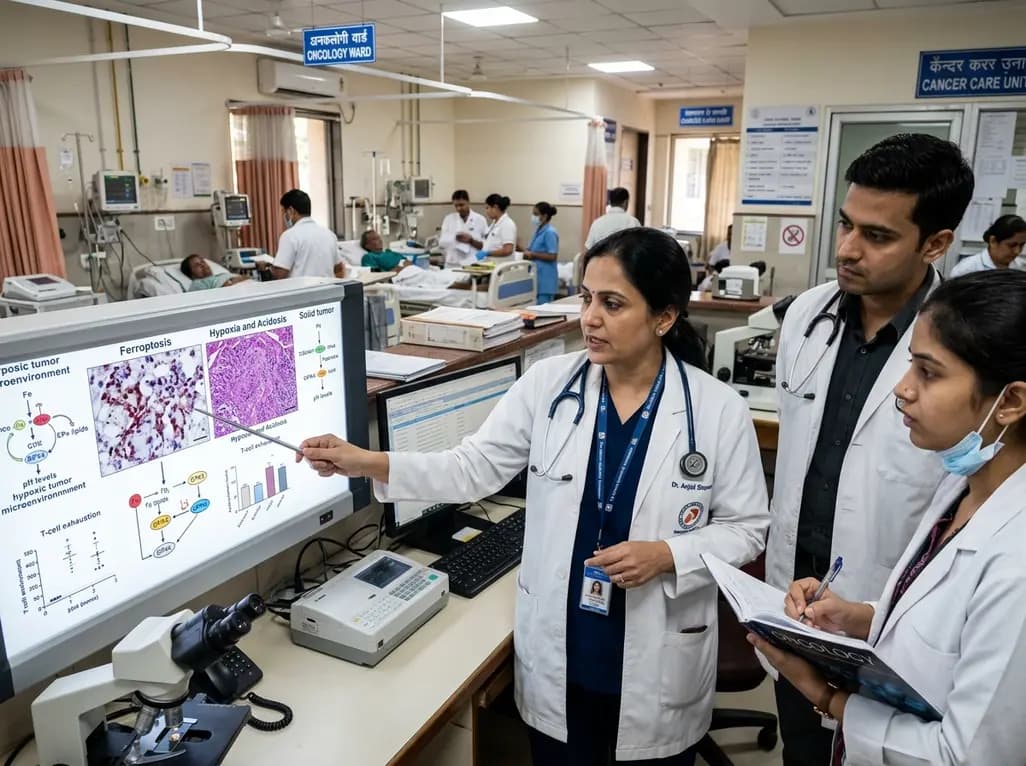
Targeting ferroptosis provides a compelling strategy to dismantle hypoxia- and acidosis-driven immunosuppression in solid tumors, enhancing response to modern immunotherapy.
Today

Findings from Project Viva indicate that sustained postpartum weight retention, rather than excessive gestational weight gain alone, directly worsens women's mid-life cardiovascular health, degrading blood pressure and glycemic parameters decades after delivery.
Today
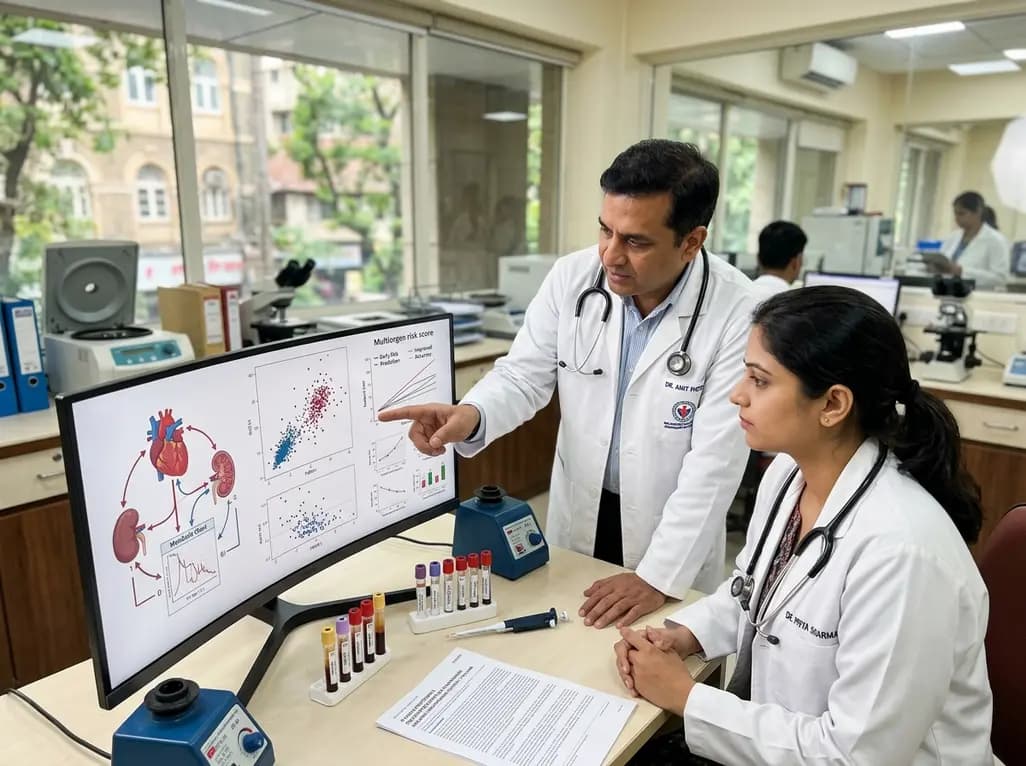
A large UK Biobank study reveals that plasma proteomic signatures capture preclinical organ damage and improve multiorgan risk prediction across early CKM syndrome stages 0 to 2 beyond traditional PREVENT clinical models.
Today

A retrospective CBCT study reveals that superior TMJ space asymmetry correlates moderately with occipital condyle-atlas-axis asymmetry in unilateral TMJ osteoarthritis, highlighting an imaging correlate between jaw biomechanics and upper cervical alignment rather than a standalone diagnostic marker.
Today

A Bayesian multilevel meta-analysis reveals that aerobic training combined with moderate carbohydrate restriction modestly lowers HbA1c in type 2 diabetes. However, sparse data and very low certainty leave incremental benefits over exercise or diet alone unproven, highlighting the need for individualized care.
Today
