.webp&w=384&q=75)

Loading, please wait...
Loading, please wait...

Obsessive-compulsive disorder remains a severely disabling psychiatric illness that impairs daily functioning. Standard interventions, including cognitive behavioral therapy and serotonin reuptake inhibitors, fail to relieve symptoms in over 40 percent of individuals. Patients presenting with contamination themes often experience intense visceral disgust rather than pure harm avoidance. Consequently, traditional extinction protocols struggle to produce durable remission in this cohort. Researchers are therefore exploring novel neuromodulatory strategies such as transcranial direct current stimulation paired with cognitive conditioning. Understanding individual responsiveness to tDCS in contamination OCD represents a crucial step toward personalized psychiatric care. Machine learning tools now allow clinicians to analyze complex neurophysiological data to anticipate clinical outcomes before initiating long treatment courses.
Contamination-focused obsessions engage specialized corticolimbic networks, specifically the orbitofrontal cortex and anterior insula. These anatomical hubs process affective valence and mediate disgust conditioning. Standard exposure therapies target threat expectancy, but they frequently fail to alter deep-seated disgust appraisals. Disgust Reduction Evaluative Conditioning counters this deficit by repeatedly pairing contamination cues with pleasant stimuli to modify negative valence. In addition, applying cathodal or anodal transcranial electrical stimulation across the orbitofrontal cortex modulates localized cortical excitability. This combined protocol enhances neuroplasticity and strengthens regulatory circuits. Furthermore, clinical trials confirm that pairing brain stimulation with targeted conditioning yields superior symptom alleviation compared to sham procedures alone.
Resting-state electroencephalography provides a rapid, non-invasive method to measure intrinsic cortical dynamics. Investigators record baseline neural oscillations with eyes open to evaluate baseline functional connectivity. To capture diverse neuroelectric characteristics, analysts extract linear features such as spectral power alongside non-linear features including Fuzzy Synchronization Likelihood and Recurrence Quantification Analysis. These mathematical metrics detect subtle variations across theta, alpha, and beta frequency bands. Because high-dimensional electrophysiological data contain significant noise, researchers apply the Relief feature selection algorithm. Consequently, this computational step isolates the most informative biomarkers associated with therapeutic response. These refined biomarkers reflect baseline network integrity and emotional processing capacity in patients with obsessive symptoms.
Artificial neural networks excel at uncovering non-linear relationships within intricate neurobiological datasets. In recent clinical evaluations, computational scientists trained fully connected feedforward networks and Radial Basis Function architectures using baseline electrophysiological inputs. The models utilized change scores on the Yale-Brown Obsessive-Compulsive Scale as their primary target output. To enhance algorithmic precision, developers implemented the bio-inspired Gray Wolf Optimizer. This metaheuristic framework iteratively tunes synaptic weights and minimizes predictive error. Notably, the optimized feedforward network achieved outstanding predictive accuracy, registering a root mean square error of only 0.57. Thus, automated algorithmic pipelines can reliably forecast post-treatment symptom trajectories from baseline brain recordings alone.
Accurate outcome forecasting transforms clinical psychiatric management by preventing therapeutic trial and error. Because neuromodulatory protocols require multiple clinical sessions and specialized equipment, selecting candidates properly saves vital healthcare resources. The machine learning model successfully identifies which individuals will gain substantial symptom relief from real electrical stimulation versus conditioning alone. Moreover, identifying electrophysiological non-responders beforehand allows psychiatrists to explore alternative interventions promptly, such as deep brain stimulation or modified pharmacological combinations. Integrating artificial intelligence into clinical workflows empowers practitioners to design tailored therapeutic pathways. Ultimately, objective computational models bridge the gap between empirical neurobiology and customized psychiatric therapy.
Although current predictive models demonstrate strong internal validity, larger multi-center cohorts must confirm these findings across diverse demographic groups. Future research should evaluate whether similar electroencephalographic predictive frameworks apply to other refractory subtypes, including checking or symmetry obsessions. Additionally, integrating functional magnetic resonance imaging or serum inflammatory markers could further improve algorithmic precision. Mobile electroencephalography headsets and automated cloud-based analysis software may soon allow community clinics to implement predictive pipelines routinely. As artificial intelligence continues to mature, computational psychiatry will offer accessible, individualized treatment algorithms for severe mental health conditions.
Transcranial direct current stimulation delivers low-intensity electrical currents to targeted brain areas like the orbitofrontal cortex. This neuromodulation alters cortical excitability, enhances synaptic plasticity, and improves the therapeutic efficacy of behavioral conditioning aimed at reducing contamination-related disgust and obsessive fears.
Artificial neural networks analyze complex, non-linear patterns within baseline electroencephalography signals before treatment begins. By identifying key spectral and synchronization features, the optimized algorithms forecast the extent of symptom reduction on standard clinical scales with high numerical accuracy.
Baseline electroencephalography captures underlying neural connectivity and oscillatory imbalances without invasive procedures. Evaluating resting-state brain activity helps clinicians identify suitable candidates for specific neuromodulation protocols, thereby avoiding ineffective treatments and reducing overall healthcare costs.
Disclaimer: This content is for informational and educational purposes only and should not be considered medical advice or a substitute for professional clinical judgment. Diagnostic and treatment decisions should always be made by a qualified healthcare professional based on individual patient evaluation. While based on recent research, findings may not be universally applicable or established as standard practice. Refer to the latest local and national guidelines for clinical practice.
References
1. Asadollahzadeh Shamkhal F et al. Evaluating the performance of EEG based on ANN to predict the effectiveness of tDCS combined evaluative conditioning on obsession symptoms reduction in contamination OCD patients: Secondary analysis of data from a randomized controlled trial. PLoS One. 2026. doi: 10.1371/journal.pone.0354614. PMID: 42623372.
2. Bikson M, Grossman P, Thomas C, et al. Safety of Transcranial Direct Current Stimulation: Evidence Based Update 2016. Brain Stimul. 2016;9(5):641-661. doi:10.1016/j.brs.2016.06.004.
3. Stein DJ, Costa DLC, Lochner C, et al. Obsessive-compulsive disorder. Nat Rev Dis Primers. 2019;5(1):52. doi:10.1038/s41572-019-0102-3.

Read summarized clinical updates, watch expert medical content, and earn CME certifications right from your smartphone.
Open your smartphone camera to scan and install.





A secondary analysis of randomized controlled trial data demonstrates that artificial neural networks using pre-treatment resting-state EEG can accurately predict clinical symptom reduction following tDCS and evaluative conditioning in patients with contamination-based obsessive-compulsive disorder.
last month
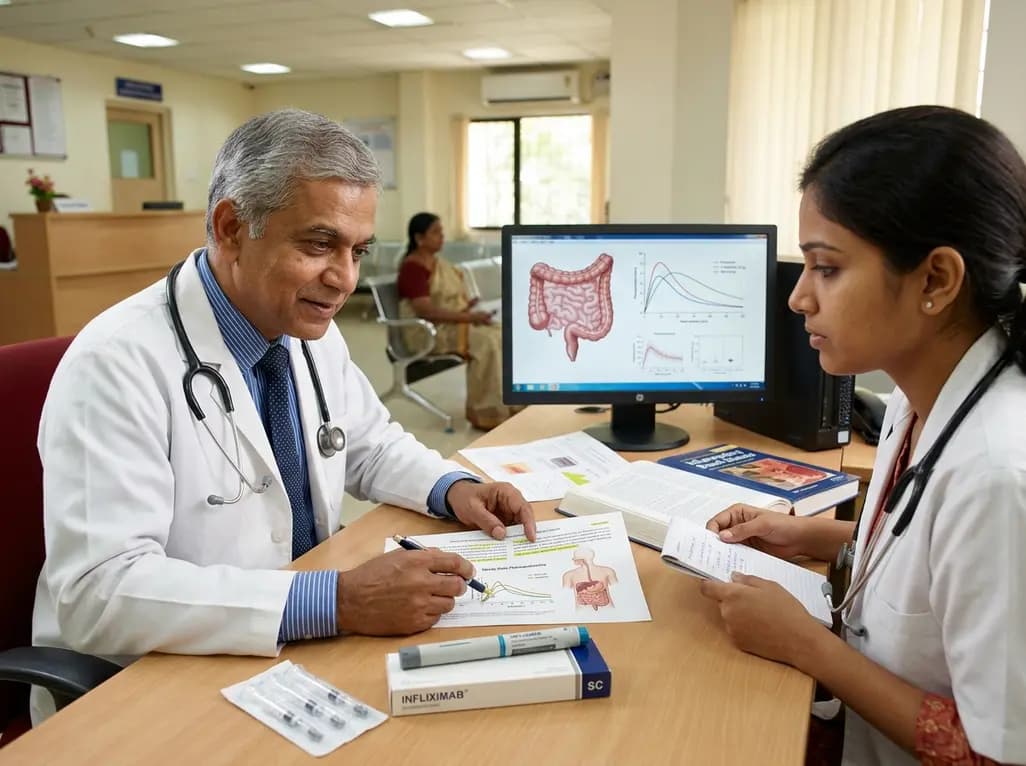
Subcutaneous infliximab provides stable steady-state pharmacokinetics and reduces immunogenicity in inflammatory bowel disease. This clinical review explores pivotal trial evidence, therapeutic drug monitoring recalibration, immunomodulator de-escalation, and real-world switching strategies.
Today
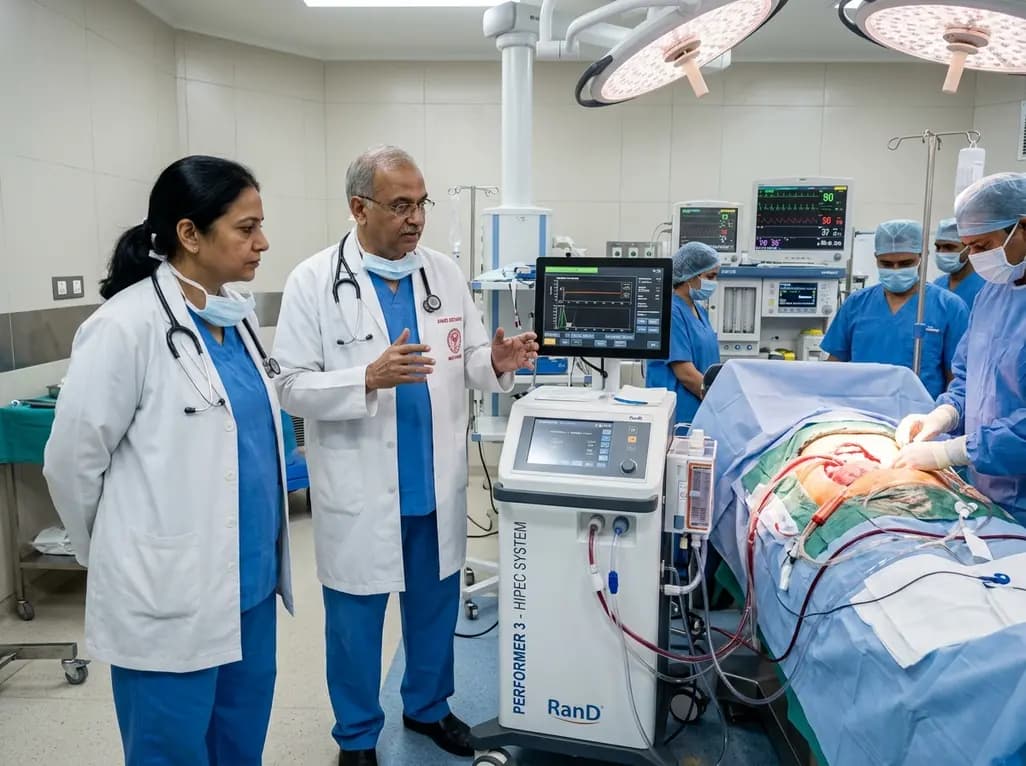
AIIMS Bathinda has inaugurated a specialized peritoneal oncology service featuring the RanD Performer 3 HIPEC platform. The facility offers cytoreductive surgery alongside hyperthermic intraperitoneal chemotherapy, transforming regional management for advanced ovarian, colorectal, and appendiceal malignancies.
Today

A cross-sectional study reveals that hypertension knowledge, illness perceptions, depression, and substance use significantly predict self-care behaviors. Addressing mental health and cognitive beliefs in primary care is crucial for optimal blood pressure control and cardiovascular disease prevention.
Today
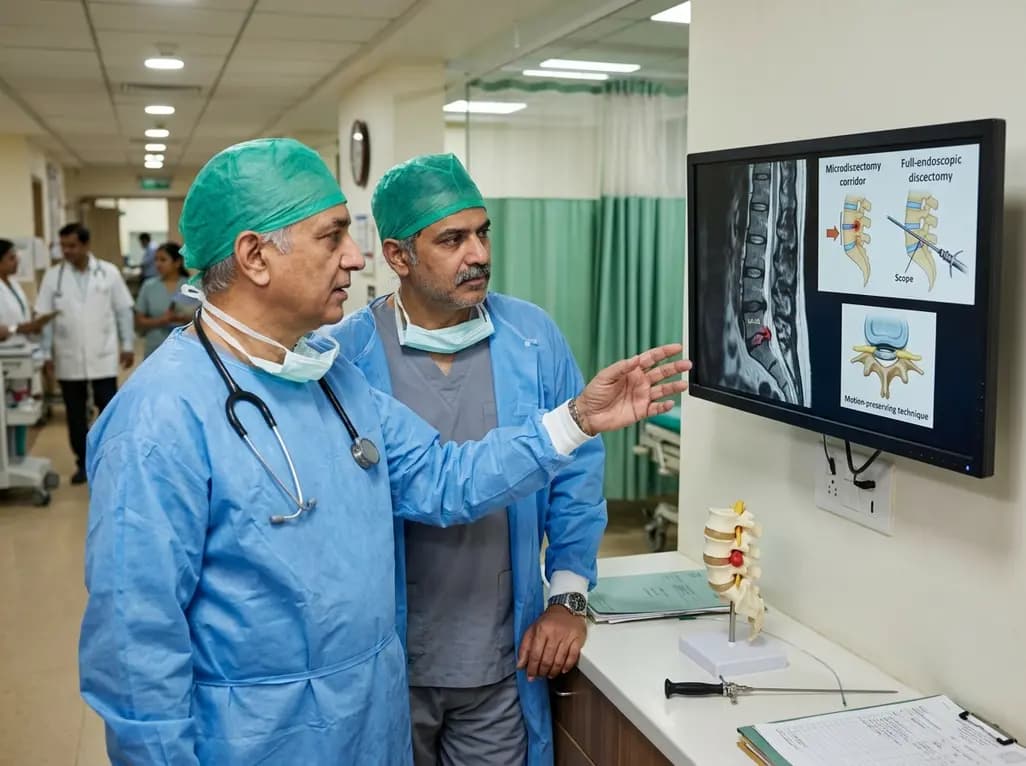
This clinical overview examines recent advancements in lumbar disc herniation surgery, comparing microscopic and full-endoscopic discectomy while highlighting biportal techniques and emerging motion-preserving innovations for spine specialists.
Today
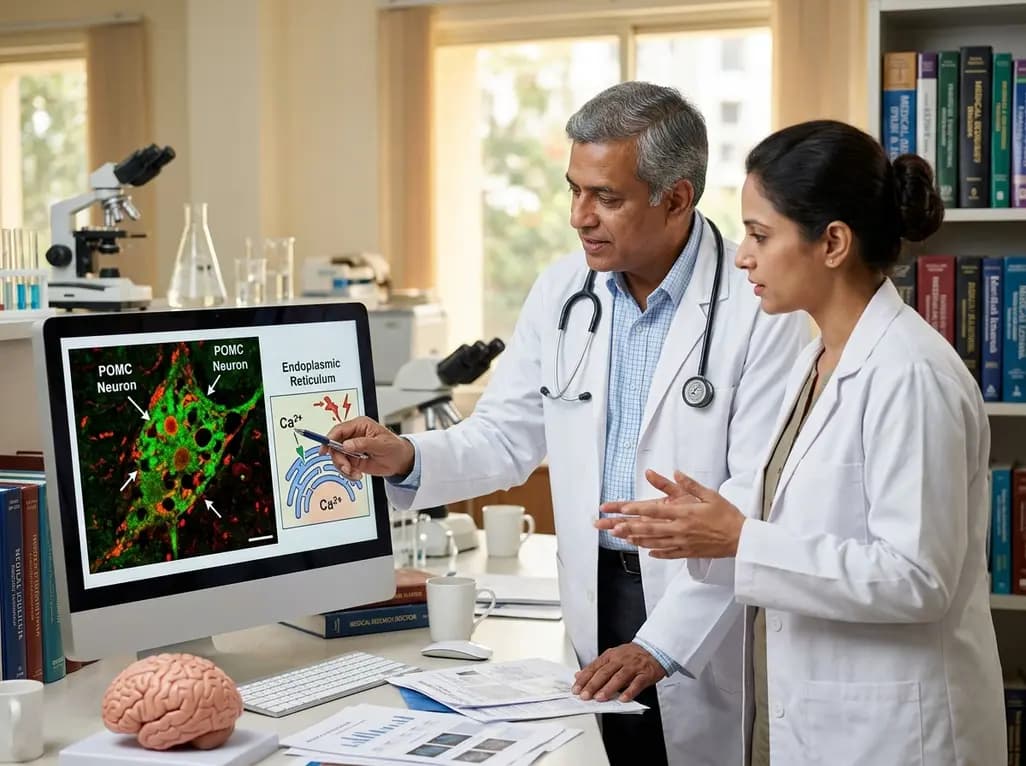
A breakthrough study reveals that loss of SELENOT in hypothalamic POMC neurons triggers premature cellular senescence, ATF6α stress activation, and ER calcium depletion, linking neuroendocrine decay to metabolic disease.
Today
