.webp&w=384&q=75)

Loading, please wait...
Loading, please wait...
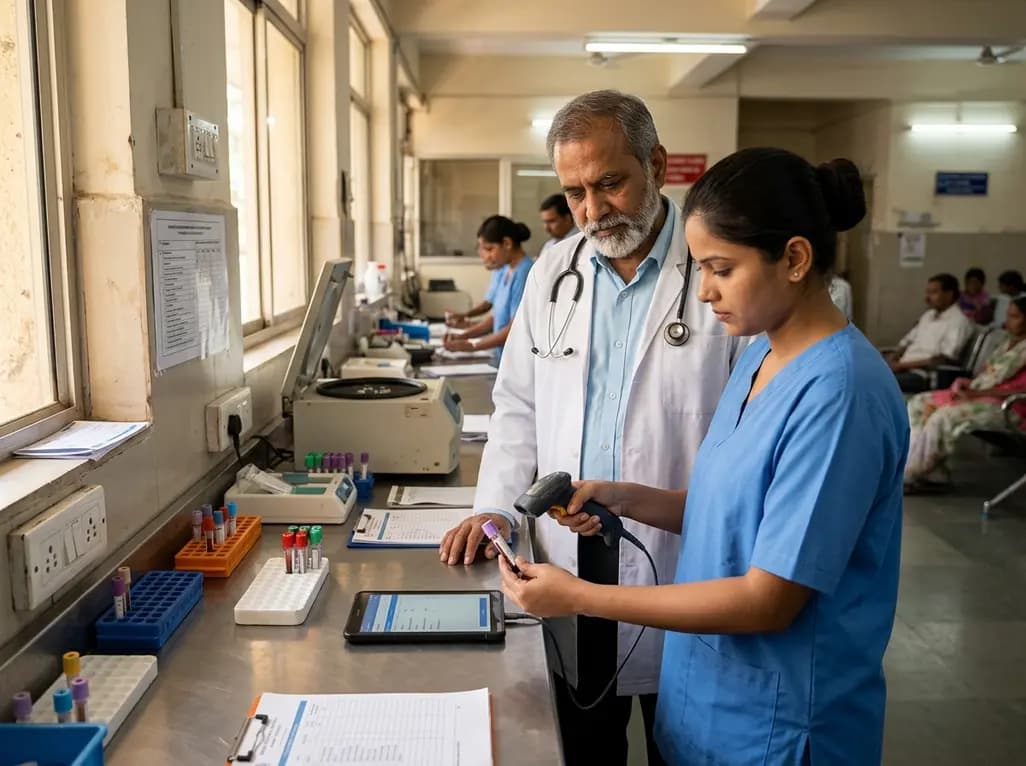
Pre-analytical errors remain the leading source of diagnostic failures across healthcare systems worldwide, accounting for approximately 60% to 75% of total testing process errors. These challenges severely impact patient safety, clinical management, and health system efficiency, particularly in resource-limited settings (RLS). In low- and middle-income countries, healthcare facilities routinely encounter systemic infrastructure deficits, including unreliable power grids, inadequate refrigeration, and fragmented transportation networks. Moreover, severe workforce shortages and underdeveloped quality management systems further escalate the likelihood of specimen rejection and diagnostic delay. Maintaining pre-analytical quality control is essential because even the most advanced analytical instruments cannot generate accurate clinical data from compromised biological specimens. To address these persistent vulnerabilities, clinical researchers synthesized comprehensive evidence from 71 key studies published between 2010 and 2025. Consequently, this narrative review establishes a practical, context-adapted framework designed to strengthen specimen integrity, optimize workflow efficiency, and elevate diagnostic reliability across resource-constrained laboratory networks globally.
Implementing effective pre-analytical quality control requires context-appropriate strategies that accommodate local infrastructure constraints rather than rigidly copying high-resource laboratory models. The initial pre-analytical phase, often termed the pre-pre-analytical stage, begins long before a blood sample reaches an automated analyzer. It encompasses patient preparation, order entry, venipuncture technique, container selection, specimen labeling, and immediate post-collection handling. In resource-limited environments, minor procedural oversights during phlebotomy frequently lead to sample contamination, hemolysis, or clotting. Therefore, establishing standardized operational protocols represents the foundational step toward error reduction. Standardized protocols outline clear, step-by-step instructions for blood collection order, tube inversion frequency, accurate sample volume targets, and proper anticoagulant mixing. Additionally, introducing simplified visual job aids and color-coded standard operating procedures at clinical collection sites significantly improves protocol adherence among frontline health workers. When healthcare staff consistently follow uniform collection guidelines, the baseline rate of sample rejection drops markedly. Consequently, laboratories achieve greater diagnostic accuracy, reduce the clinical need for repeated venipuncture, and preserve scarce laboratory reagents. Furthermore, standardized practices establish clear baseline expectations, allowing quality managers to audit performance metrics systematically and identify specific operational bottlenecks across diverse peripheral health facilities.
A comprehensive synthesis of diagnostic laboratory evidence highlights several recurrent factors driving specimen rejection in resource-limited clinical environments. The predominant causes include specimen hemolysis, improper sample identification, micro-clot formation in anti-coagulated tubes, insufficient sample volume, and temperature-induced degradation. Hemolysis often results from using improper needle gauges, excessive suction force during venipuncture, or vigorous tube shaking. Similarly, inadequate mixing of blood with anticoagulants triggers micro-clotting, rendering samples unusable for hematological testing. To counteract these specific technical challenges, laboratory networks must prioritize context-adapted specimen collection techniques. For instance, dried blood spot (DBS) sampling offers a highly resilient alternative for routine molecular, immunological, and metabolic screening tests. Dried blood spots significantly reduce reliance on liquid blood handling, cold-chain refrigeration, and large-volume venipunctures. Moreover, implementing manual quality indicators allows laboratory technicians to track rejection rates systematically and categorize root causes. By maintaining detailed incident logs and monitoring pre-analytical performance metrics, facility administrators can rapidly detect patterns of systemic error. Subsequently, targeted corrective actions can be deployed to address specific procedural gaps, ensuring that diagnostic workflows remain efficient, cost-effective, and safe for all patient populations.
Specimen transit represents a particularly vulnerable operational phase in rural and resource-limited health networks, where long physical distances and rough terrain threaten sample stability. Unregulated environmental temperatures, excessive physical vibration, and prolonged transport times accelerate analyte degradation and specimen hemolysis. To overcome these geographic and logistical barriers, health systems are increasingly deploying innovative, decentralized transport solutions. Passive cooling containers and specialized thermal insulated transport boxes effectively maintain optimal temperature ranges without relying on continuous electrical power. Furthermore, integrating structured motorcycle courier networks and autonomous drone logistics has dramatically reduced specimen transit times from remote primary health centers to central reference laboratories. Drones provide rapid, direct aerial transport, bypassing degraded road infrastructure and severe weather obstacles. Consequently, biological samples reach processing centers well within required diagnostic stability windows. In addition, implementing rigorous sample tracking systems, such as barcode labeling and physical logbooks, ensures end-to-end chain of custody protection. These integrated transit frameworks protect specimen integrity, eliminate transport-induced rejection, and expand high-quality diagnostic access to underserved rural populations that previously suffered from delayed diagnostic turnaround times.
Human factors play a central role in driving diagnostic accuracy, making workforce empowerment a cornerstone of pre-analytical quality management. In many resource-constrained settings, phlebotomy and specimen handling are performed by overburdened nurses, community health workers, or junior clinical staff who lack formal laboratory training. Therefore, healthcare facilities must transition from sporadic, theory-based training to continuous, competency-based educational programs. Interactive practical workshops focused on proper venipuncture, order of draw, and sample handling empower healthcare workers to execute clinical tasks with confidence and precision. Equally important is fostering a non-punitive, safety-focused quality culture within health institutions. When staff members fear severe administrative penalties for minor errors, specimen rejections and procedural mistakes are often hidden or unreported. Conversely, a transparent reporting culture encourages staff to log errors freely, investigate root causes constructively, and participate in continuous quality improvement initiatives. Furthermore, establishing dedicated clinical-laboratory communication channels bridge the traditional divide between hospital wards and diagnostic facilities. Regular joint quality review meetings allow clinicians, nurses, and laboratory personnel to review rejection metrics collaboratively, resolve operational friction, and continually refine pre-analytical workflows.
Technological modernization and robust national policy frameworks are essential to sustain long-term pre-analytical quality improvements in developing health systems. While full laboratory automation remains financially unfeasible for many rural facilities, affordable digital technologies provide scalable solutions. Low-cost Laboratory Information Systems (LIS) equipped with barcode scanning and electronic test requisition features dramatically reduce manual transcription errors and patient misidentification. Moreover, mobile digital health applications enable frontline healthcare workers to register samples, track transit status, and receive real-time notifications regarding sample rejection or acceptance. Digital traceability ensures accountability throughout the specimen lifespan, from initial collection to final result generation. However, technology alone cannot achieve systemic transformation without supportive policy frameworks. National health authorities must incorporate pre-analytical quality indicators into broader national laboratory strategic plans, clinical guidelines, and facility accreditation standards. Adequate budget allocation for quality phlebotomy supplies, standardized specimen containers, and staff training is paramount. By aligning adaptive clinical protocols, empowered healthcare professionals, scalable digital tools, and institutional policy support, resource-limited health systems can establish resilient diagnostic infrastructure, improve patient outcomes, and advance health equity.
The primary causes include sample hemolysis, specimen misidentification, micro-clotting, insufficient sample volume, and transport-related thermal degradation. In resource-limited settings, these errors are frequently exacerbated by inadequate phlebotomy training, lack of standardized operating procedures, unreliable cold-chain infrastructure, and prolonged transport delays. Addressing these factors requires standardized collection protocols, continuous competency training, and adaptive transport solutions to ensure overall specimen stability and accurate diagnostic results.
Dried blood spot sampling significantly enhances pre-analytical quality by reducing reliance on cold-chain refrigeration and complex liquid sample handling. This method requires minimal blood volume, making collection easier in pediatric or difficult patients. Furthermore, dried blood spots demonstrate superior analyte stability during ambient transport across long distances. Consequently, rural clinics can collect and send specimens to central reference laboratories without risking temperature-induced degradation or sample rejection.
A non-punitive quality culture encourages healthcare workers to report pre-analytical errors and specimen rejections without fear of disciplinary action. Open error reporting allows facility managers to analyze systemic root causes, such as supply shortages or training gaps, rather than assigning individual blame. Consequently, health institutions can implement targeted corrective interventions, foster continuous practical training, and build collaborative communication between clinical staff and laboratory teams to permanently elevate diagnostic quality.
Disclaimer: This content is for informational and educational purposes only and does not constitute medical or professional advice. Refer to the latest local and national guidelines for clinical practice.
References
1. Myke-Mbata BK et al. Best practices in sample management & pre-analytical quality control: overcoming challenges in resource-limited laboratory settings. Trop Med Health. 2026 Jul 22. doi: undefined. PMID: 42487146.
2. Lippi G, von Meyer A, Cadamuro J, Plebani M. Quality indicators in the pre-analytical phase of testing. Clin Chem Lab Med. 2019;57(1):41-53.
3. Plebani M. Pre-analytical errors: qualitative and quantitative issues. Clin Chim Acta. 2009;404(1):68-72.

Read summarized clinical updates, watch expert medical content, and earn CME certifications right from your smartphone.
Open your smartphone camera to scan and install.





A comprehensive review highlights adaptive protocols, human-centered quality interventions, and digital tools to strengthen pre-analytical quality control and minimize sample rejection in resource-limited healthcare settings.
2 months ago

As monsoon seasons elevate arboviral disease threats, Tamil Nadu has initiated an ICMR-monitored evaluation of the tetravalent dengue vaccine in Tenkasi district. Clinicians emphasize clinical monitoring, public prevention, and high-quality early pediatric care to reduce disease morbidity across endemic regions.
Today

A comparative cohort study evaluates vNOTES vs TLH hysterectomy for benign conditions, demonstrating shorter operative duration, faster return to daily activities, and equivalent female sexual function scores without increased dyspareunia.
Today

Review how tailored exercise programs benefit frail older patients with heart failure. Explore pathophysiological mechanisms, individualized training prescriptions, and strategies to overcome adherence barriers in clinical practice.
Today

This comparative study evaluates posterior labral tears with and without glenohumeral instability, highlighting distinct demographic patterns, MRI underestimation in stable shoulders, and successful arthroscopic repair outcomes.
Today

A clinical study demonstrates that early intervention with tocilizumab, either as monotherapy or bridged with corticosteroids, achieves significant proptosis reduction and resolves active inflammation in treatment-naive thyroid eye disease.
Today
