.webp&w=384&q=75)

Loading, please wait...
Loading, please wait...
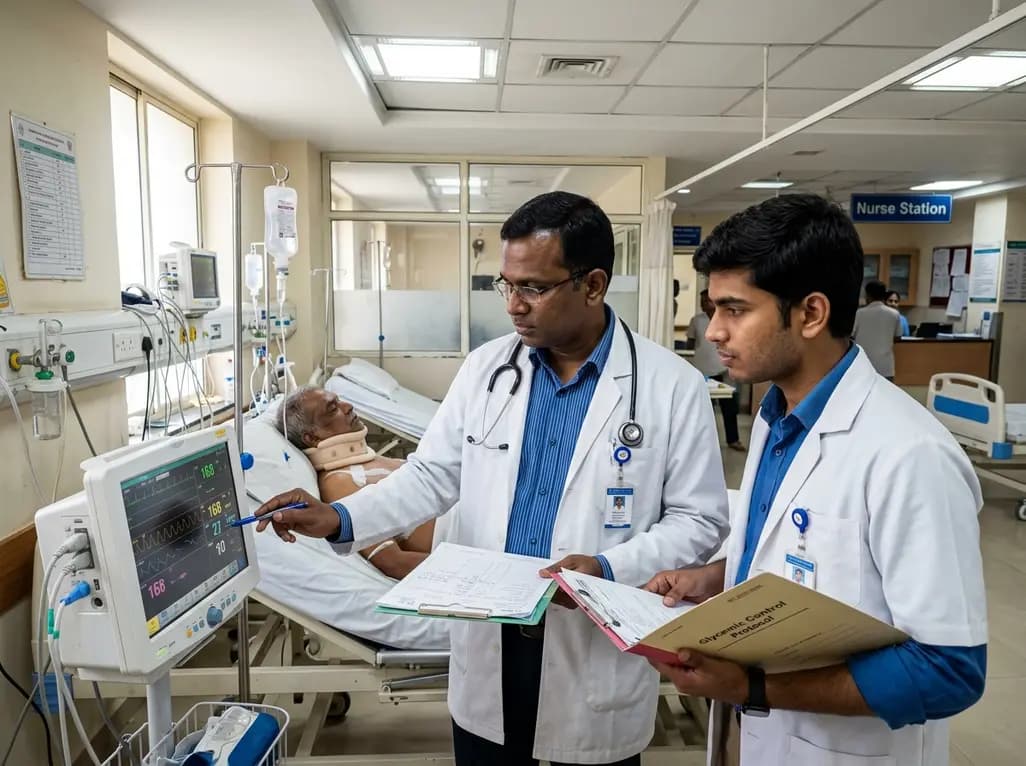
Adult spinal deformity surgery represents one of the most complex interventions in modern reconstructive spine care. Clinicians frequently encounter substantial physiological stress and intense metabolic perturbations during extensive multi-level fusions. Consequently, maintaining optimal postoperative glycemic control has emerged as a paramount clinical priority. Even transient episodes of elevated blood sugar can impair wound healing, suppress immune competence, and heighten surgical morbidity. Surgeons have traditionally focused their vigilance on known diabetic individuals. However, nondiabetic patients frequently experience acute stress hyperglycemia due to extensive tissue trauma and neuroendocrine activation. Therefore, clinicians must evaluate glucose trajectories across all surgical candidates to prevent downstream complications.
Major corrective spinal procedures impose profound systemic stress on the human body. Extensive tissue dissection, osteotomies, and prolonged operative times trigger robust catecholamine and cortisol surges. These counter-regulatory hormones rapidly induce peripheral insulin resistance and accelerate hepatic gluconeogenesis. Consequently, postoperative glycemic control often deteriorates precipitously during the index hospitalization, even among patients without any prior history of metabolic disease. Clinical investigations define significant postoperative hyperglycemia through standardized thresholds, such as two or more blood glucose values exceeding 200 mg/dL or an average daily inpatient glucose above 140 mg/dL. In modern deformity cohorts, more than twenty percent of patients demonstrate persistent hyperglycemia postoperatively. Remarkably, nearly half of these hyperglycemic individuals do not carry a preexisting diagnosis of diabetes mellitus. Therefore, relying exclusively on preoperative diabetic history fails to identify a substantial proportion of vulnerable patients. Clinicians must recognize that postoperative hyperglycemia represents a dynamic and pervasive physiological response that warrants structured inpatient surveillance across all surgical cases.
Hyperglycemia establishes a hostile biochemical milieu that directly compromises biological tissue healing and spinal instrumentation stability. First, elevated extracellular glucose concentrations severely impair neutrophil chemotaxis, phagocytosis, and intracellular oxidative killing. As a result, surgical site infections, wound dehiscence, and deep space contamination occur far more frequently in poorly regulated patients. Second, acute and chronic glucose elevations promote microvascular endothelial dysfunction, reducing local tissue oxygenation and nutrient delivery to extensive surgical corridors. Furthermore, sustained hyperglycemia suppresses osteoblast proliferation, disrupts collagen cross-linking, and impairs bone mineral deposition. This cellular suppression impedes robust arthrodesis across instrumented segments, dramatically increasing the incidence of pseudarthrosis and subsequent rod breakage. Additionally, metabolic instability accelerates adjacent segment bone resorption, which predisposes fragile vertebrae to proximal junctional failure, pedicle screw loosening, and catastrophic hardware pullout. Therefore, uncontrolled glucose fluctuations compromise both the biological vitality of surrounding soft tissues and the long-term structural integrity of complex spinal constructs.
Differentiating chronic baseline diabetes mellitus from acute stress-induced hyperglycemia is essential for accurate clinical risk stratification. Patients with chronic diabetes possess established microvascular damage, chronic systemic inflammation, and baseline cellular alterations. In contrast, acute stress hyperglycemia in previously euglycemic individuals reflects an extraordinarily intense systemic inflammatory and endocrine surge. Indeed, recent clinical data indicate that nondiabetic patients who develop postoperative hyperglycemia often experience higher relative odds of adverse outcomes than well-managed chronic diabetics. This paradoxical finding occurs because nondiabetic cellular systems lack protective physiological adaptations to acute glucose toxicity. Moreover, healthcare teams frequently monitor nondiabetic surgical patients less intensively, which delays insulin administration and allows prolonged periods of uncorrected hyperosmolar stress. Consequently, occult hyperglycemia in nondiabetic patients frequently goes unrecognized until overt complications manifest. Surgical departments must therefore establish universal glucose monitoring protocols that apply equally to all patients regardless of previous endocrine status.
The clinical repercussions of inadequate perioperative glycemic regulation extend far beyond the immediate surgical incision. Patients experiencing inpatient hyperglycemia face significantly elevated rates of systemic medical complications, including acute kidney injury, hospital-acquired pneumonia, urinary tract infections, and deep venous thrombosis. Furthermore, surgical site infections and implant failures represent major drivers of prolonged hospital stay and intensive care utilization. When deep periprosthetic infections or structural pseudarthroses occur, patients frequently require urgent revision surgery. Reoperation in the setting of adult spinal deformity carries substantial neurological risk, severe physiological burden, and diminished long-term functional recovery. Multivariable analyses consistently identify postoperative hyperglycemia as an independent predictor of revision surgery, even after rigorous adjustment for patient age, body mass index, baseline deformity severity, and preexisting comorbidities. Thus, rigorous glycemic management directly protects patients from life-threatening systemic decompensation and preserves surgical success.
Achieving stable glycemic parameters requires rigorous, standardized protocols throughout the entire perioperative continuum. Preoperatively, surgical teams should routinely obtain glycated hemoglobin levels to detect undiagnosed diabetes and quantify baseline glycemic stability. Intraoperatively, anesthesia providers must monitor capillary blood glucose at regular intervals during lengthy spinal reconstructions, initiating intravenous insulin infusions whenever levels exceed predefined limits. Postoperatively, inpatient units should target blood glucose levels strictly between 140 and 180 mg/dL for general surgical patients. Clinicians must avoid overly aggressive targets below 110 mg/dL, as acute hypoglycemia carries devastating neurological, cognitive, and cardiovascular risks. Furthermore, nursing protocols must emphasize structured point-of-care testing, scheduled basal-bolus insulin regimens, and rapid correction algorithms rather than reactive sliding-scale insulin. Implementing standardized target ranges minimizes glucose variability, prevents dangerous glycemic excursions, and promotes consistent hemodynamic stability.
Optimizing complex adult spinal deformity patients requires close collaboration across a multidisciplinary care team. Spine surgeons, neurosurgeons, endocrinologists, hospitalists, specialized nursing staff, and clinical dietitians must communicate proactively throughout the hospital stay. In addition, early mobilization and tailored clinical nutrition play vital roles in restoring physiological homeostasis and insulin sensitivity. Hospital teams should actively avoid solitary sliding-scale insulin regimens, which often provoke erratic glycemic oscillations and rebound hyperglycemia. Instead, proactive basal-bolus insulin regimens provide smooth, reliable metabolic control during acute recovery. Comprehensive discharge planning and patient education also empower individuals to recognize early signs of wound complications or glycemic dysregulation at home. By embedding rigorous metabolic assessment into standard surgical care pathways, surgical teams can substantially improve long-term functional recovery, enhance patient satisfaction, and reduce preventable hospital readmissions.
Maintaining strict postoperative glycemic control is vital because elevated glucose levels directly impair neutrophil bactericidal function, reduce microvascular perfusion, and suppress osteoblast activity. Consequently, uncontrolled hyperglycemia significantly increases the incidence of deep surgical site infections, pseudarthrosis, and mechanical instrumentation failures. Furthermore, stable blood glucose reduces systemic medical morbidity, shortens hospital length of stay, and prevents high-risk unplanned revision surgeries in complex deformity patients.
Yes, nondiabetic patients frequently develop acute stress-induced hyperglycemia following extensive spinal deformity correction. Major surgical trauma, substantial tissue dissection, and prolonged anesthesia stimulate intense catecholamine and cortisol release. This massive neuroendocrine surge induces acute peripheral insulin resistance and accelerates hepatic gluconeogenesis. Consequently, previously euglycemic individuals experience severe glucose elevations that can cause medical and surgical complications if left unmonitored and untreated.
Clinical guidelines generally recommend maintaining postoperative blood glucose concentrations between 140 and 180 mg/dL for most hospitalized surgical spine patients. This target range provides an optimal physiological balance by preventing the cellular damage and infection risks of sustained hyperglycemia while avoiding the profound neurological and cardiac dangers of severe hypoglycemia. Inpatient teams achieve this balance through scheduled basal-bolus insulin regimens and proactive glucose monitoring.
Disclaimer: This content is for informational and educational purposes only. It is not intended to provide medical advice or to be a substitute for professional clinical judgment, diagnosis, or treatment. Patients should consult their doctors regarding any specific medical condition or treatment plan. Refer to the latest local and national guidelines for clinical practice.
References

Read summarized clinical updates, watch expert medical content, and earn CME certifications right from your smartphone.
Open your smartphone camera to scan and install.





Postoperative glycemic control significantly affects outcomes following adult spinal deformity surgery. Hyperglycemia increases medical complications, hardware failure, and revision surgeries in both diabetic and nondiabetic patients, emphasizing the necessity of routine inpatient glycemic monitoring.
4 weeks back

A systematic review of 41 preclinical studies reveals that baicalin dampens systemic inflammation, inhibits NF-κB and NLRP3 pathways, and improves organ preservation in sepsis models. However, substantial study heterogeneity and a complete lack of human clinical trials highlight the need for further translational research.
Today
Discover the crucial distinctions between mesonephric and mesonephric-like proliferations of the female genital tract. Learn the key histomorphologic, immunohistochemical, and molecular differences essential for accurate diagnosis and clinical management.
Today
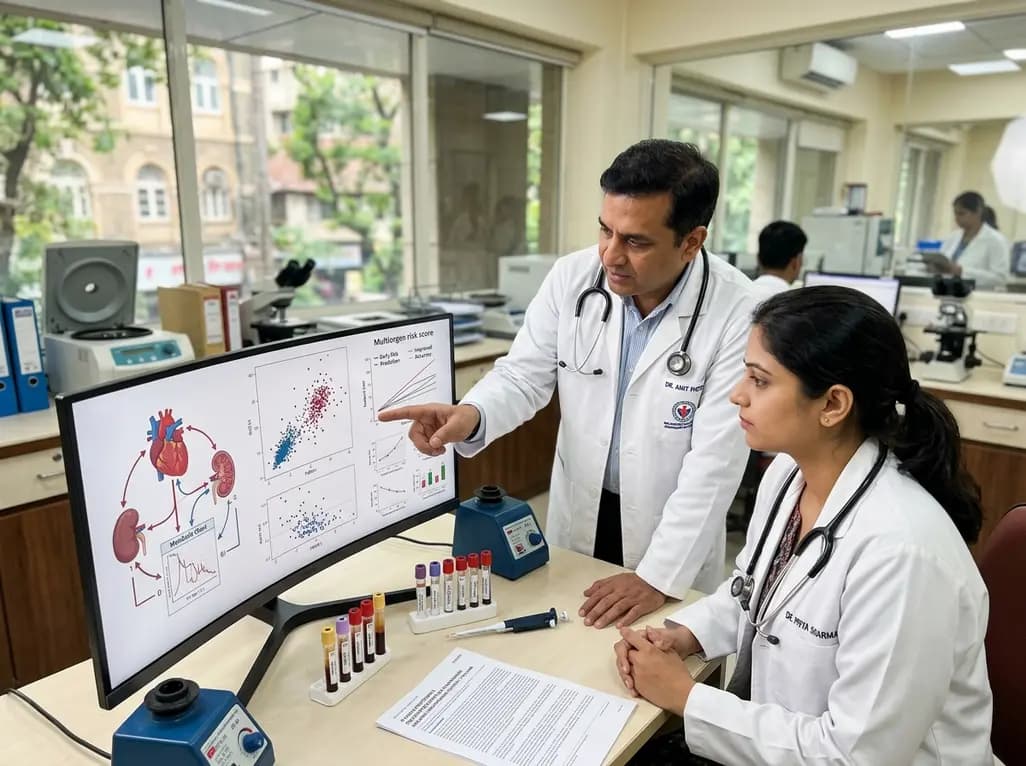
A large UK Biobank study reveals that plasma proteomic signatures capture preclinical organ damage and improve multiorgan risk prediction across early CKM syndrome stages 0 to 2 beyond traditional PREVENT clinical models.
Today
A narrative review investigates whether the articularis genus muscle functions as an independent anatomical entity or blends with the vastus intermedius. We evaluate its morphology, role in retracting the suprapatellar bursa, and direct clinical significance in anterior knee pain and arthroplasty.
Today

A Bayesian multilevel meta-analysis reveals that aerobic training combined with moderate carbohydrate restriction modestly lowers HbA1c in type 2 diabetes. However, sparse data and very low certainty leave incremental benefits over exercise or diet alone unproven, highlighting the need for individualized care.
Today
