.webp&w=384&q=75)

Loading, please wait...
Loading, please wait...

The persistence of post-acute infection syndrome remains a major medical concern following common viral illnesses. Clinicians across outpatient settings routinely encounter individuals who report debilitating fatigue, exertional dyspnea, autonomic instability, and neurocognitive deficits lasting twelve weeks or longer after infection. While early scientific research focused primarily on initial post-COVID sequelae, continuous viral transmission frequently causes reinfections among recovering individuals. Consequently, practitioners must distinguish between isolated primary presentations and recurrent post-viral episodes. Secondary respiratory infections may initiate a completely new symptom complex or trigger an unexpected relapse of previous pathology. Therefore, evaluating how recurring episodes compare to primary presentations regarding symptom duration and functional impairment is vital for clinical triage. Emerging evidence suggests that recurring cases present distinct clinical trajectories dictated by prior convalescent status. Furthermore, persistent immune dysregulation and chronic low-grade inflammation may increase patient susceptibility to severe reinfections. Physicians in primary care and internal medicine must understand these evolving presentation patterns to deliver effective care. Recognizing recurrent cases early helps medical teams optimize resource allocation, avoid unnecessary diagnostic investigations, and guide structured long-term therapeutic planning.
A recent population-based digital cohort study in Germany, known as DigiHero, provides essential insights into recurrent post-viral conditions. Conducted in late 2025, the investigation evaluated 2,801 adults who contracted an acute respiratory infection between September 2024 and August 2025. Crucially, all included participants experienced persistent symptoms lasting twelve weeks or longer. The researchers identified that recurring presentations accounted for a substantial proportion of all documented cases. Specifically, 57% of participants (n = 1,609) reported a first-time episode, whereas 43% (n = 1,192) had previously suffered a post-viral episode. This notable distribution confirms that post-acute syndromes frequently recur following secondary respiratory infections. Additionally, investigators evaluated patients' functional recovery status prior to their latest infection. Among recurring cases, 308 participants had not fully recovered from their preceding episode when reinfection occurred, while 303 individuals were fully recovered. Furthermore, when recurring patients compared their recent episode to their first, 43% experienced similar impairment, 32% reported greater impairment, and 26% described lower impairment. These findings demonstrate that secondary infections generate diverse trajectories influenced by baseline convalescence.
When analyzing clinical manifestations, investigators observed broadly comparable symptom constellations between first-time and recurrent presentations. Both patient groups frequently experienced profound fatigue, cognitive impairment, unrefreshing sleep, and reduced physical stamina. However, critical differences appeared when assessing symptom severity, duration, and patient impairment. Participants experiencing recurring episodes without complete recovery from an earlier event exhibited significantly higher symptom burdens than individuals with primary episodes. Moreover, these unrecovered patients endured longer symptom durations and suffered much greater daily functional impairment. In contrast, recurring patients who had fully recovered before their new infection showed illness patterns and disability levels comparable to primary cases. Therefore, incomplete initial convalescence acts as a primary clinical determinant of worse recurrent outcomes. These observations indicate that unresolved post-viral sequelae amplify biological vulnerability during subsequent infections. When residual physiological damage persists, reinfection further strains depleted reserves and impedes systemic healing. Clinicians must thus identify whether patients achieved full recovery before reinfection to accurately forecast recovery duration, adjust monitoring schedules, and plan personalized rehabilitation.
Understanding the heightened severity seen in unrecovered patients requires examining underlying biological mechanisms. Multiple physiological pathways drive post-acute infection syndromes, including persistent viral antigens, chronic endothelial injury, microvascular coagulation, and sustained neuroinflammation. When a patient contracts a new infection before biological equilibrium returns, inflammatory pathways activate aggressively. Consequently, persistent microclots and activated monocyte populations exacerbate autonomic instability and tissue hypoxia. Furthermore, impaired mitochondrial bioenergetics in skeletal muscle and neural tissues reduce cellular energy availability during exertion. Because baseline metabolic processes remain compromised, reinfection acts as a cumulative stressor rather than an isolated biological insult. Additionally, recurrent viral challenges may trigger sustained mast cell activation and profound central nervous system glial priming. This self-perpetuating inflammatory cycle explains the severe cognitive slowing, dysautonomia, and post-exertional malaise observed in unrecovered individuals. Clinicians must recognize that recurring episodes reflect genuine multisystem pathology rather than somatic amplification. Understanding these complex biological processes allows practitioners to provide compassionate validation and deploy targeted supportive therapies.
Outpatient care for recurrent post-viral illness requires a structured, multidisciplinary management approach. Primary care physicians should first establish an accurate timeline identifying prior infections, symptom-free periods, and functional baselines. Routine laboratory investigations help exclude treatable conditions such as anemia, thyroid dysfunction, and autoimmune disorders. Additionally, clinicians should assess autonomic stability using orthostatic vital signs to screen for postural orthostatic tachycardia. Therapeutic management must emphasize individualized activity pacing to prevent post-exertional crashes. Clinicians should instruct patients to conserve energy and avoid premature aerobic exertion. Moreover, pharmacotherapy should target dominant symptoms directly, utilizing beta-blockers for palpitations, antihistamines for mast cell activation, and sleep aids for insomnia. Furthermore, infection prevention remains paramount to protect patients from compounding relapses. Physicians should strongly recommend seasonal immunizations, including influenza and COVID-19 boosters, alongside sensible mask usage during viral surges. By combining vigilant pacing with proactive prevention, clinicians can shield vulnerable patients from recurring physiological decline and foster sustainable recovery.
Incomplete recovery signifies that baseline immune activation, endothelial dysfunction, and neuroinflammation persist within the body. When a new respiratory infection occurs during this vulnerable state, secondary pathogens encounter exhausted organ systems and diminished physiological reserves. Consequently, inflammatory cascades compound, leading to significantly prolonged symptom duration, more severe physical exhaustion, and greater functional impairment compared to individuals who fully regained their baseline health before contracting a secondary respiratory illness.
Empirical evidence demonstrates that overall symptom profiles remain broadly similar between initial and recurrent presentations. Patients commonly report severe fatigue, brain fog, sleep disturbances, dyspnea, and autonomic instability across both cohorts. However, individuals experiencing recurrent episodes without prior recovery endure a substantially higher total number of concurrent symptoms. Therefore, while qualitative manifestations overlap, the clinical severity, persistence, and overall degree of disability are noticeably greater in unrecovered recurring patients.
Preventing recurrent respiratory infections represents the most effective strategy to avoid compounded post-viral deterioration. Physicians should advise patients to adopt targeted non-pharmacological infection control measures, including wearing high-filtration masks in crowded environments and improving indoor ventilation. In addition, clinicians must ensure that patients remain up to date with seasonal influenza, COVID-19, and pneumococcal immunizations. Strict activity pacing during acute respiratory reinfections also protects against post-exertional relapse and secondary functional impairment.
Disclaimer: This content is for informational and educational purposes only and should not be considered as medical advice. Always consult a qualified healthcare professional regarding any medical condition or treatment. Refer to the latest local and national guidelines for clinical practice.
References

Read summarized clinical updates, watch expert medical content, and earn CME certifications right from your smartphone.
Open your smartphone camera to scan and install.





A large German population-based cohort study reveals that 43% of post-acute infection syndrome cases are recurrences. Patients who experience new respiratory infections without fully recovering from an earlier episode suffer more protracted symptoms and greater functional impairment.
last month

A nationwide UK Cystic Fibrosis Registry study demonstrates that higher updated mean HbA1c levels correlate with a graded, significant increase in all-cause mortality among individuals with cystic fibrosis-related diabetes, reinforcing the critical need for proactive glycemic monitoring and intervention.
Today
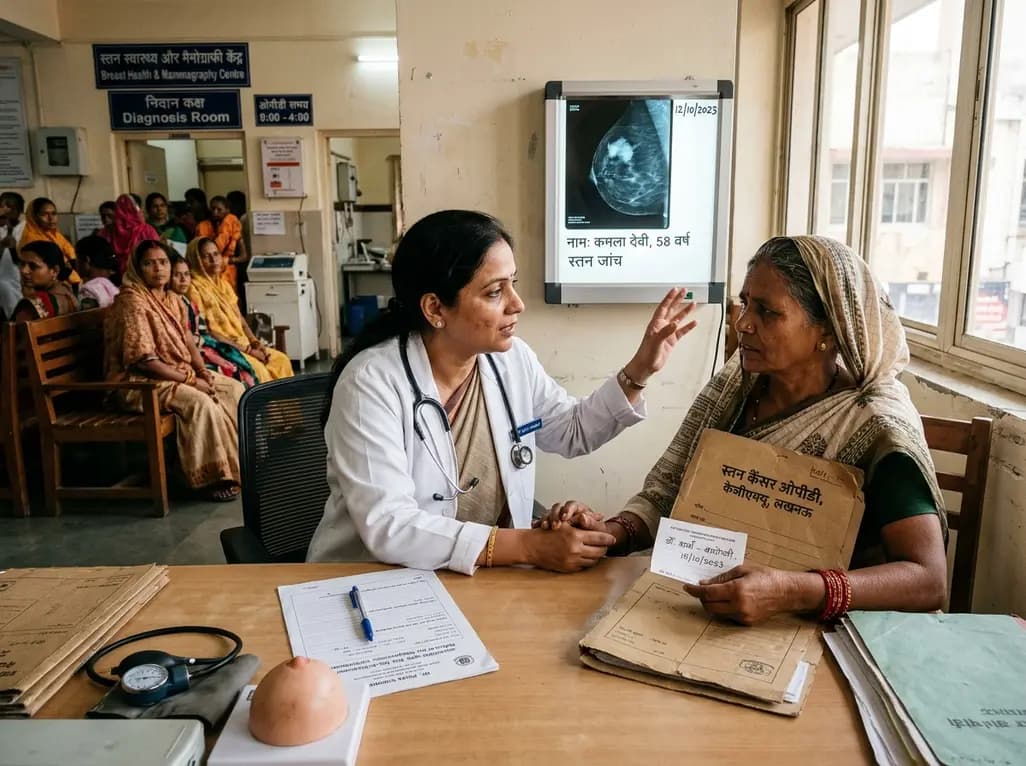
A KGMU study reveals over half of women with breast abnormalities fail to undergo diagnostic confirmation, leading to advanced-stage detection. Discover the socio-cultural barriers, clinical risks of incomplete resection, and community-level solutions needed to bridge the critical screening-to-diagnosis gap in India.
Today
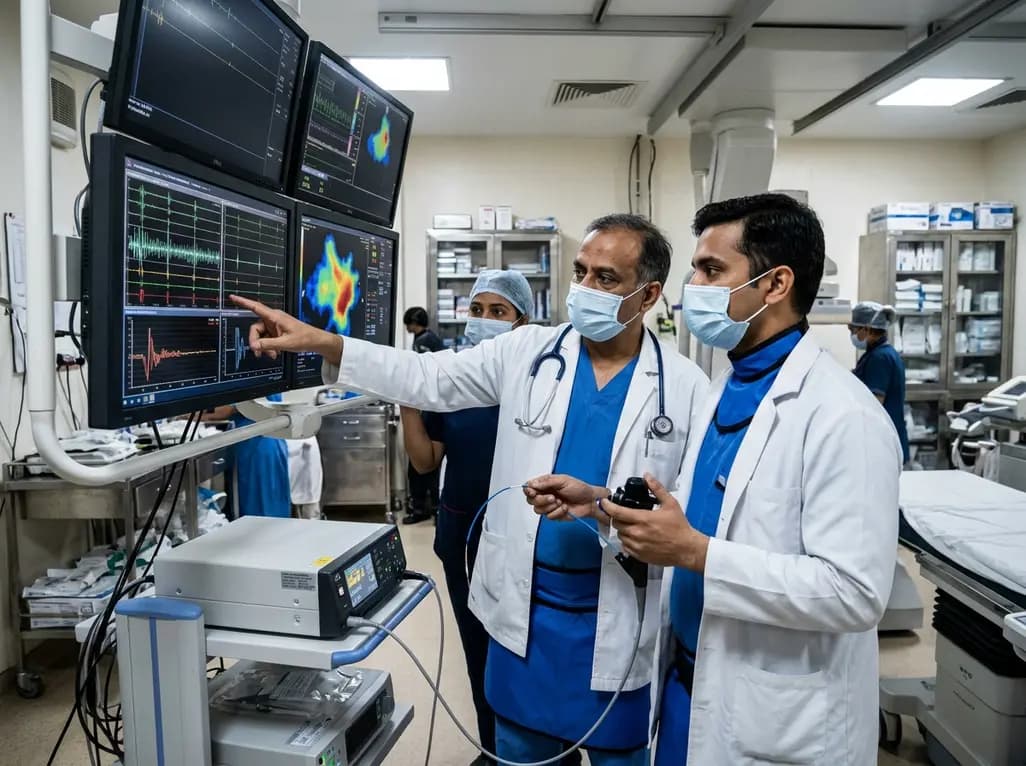
A comparative non-contact study reveals that high-power radiofrequency delivery with the QDOT MICRO catheter induces an artifactual contact force rise. Electrophysiologists must understand this power-dependent thermal and electrical phenomenon to avoid inadvertent catheter withdrawal and ineffective ablation.
Yesterday

Healthium Medtech has transitioned its arthroscopy vertical into SIRONIX Orthopedics, aiming to capture key segments of the global joint care market. The strategic shift introduces dedicated portfolios in sports medicine, joint regeneration, surgical reconstruction, and digital operating technologies.
Today
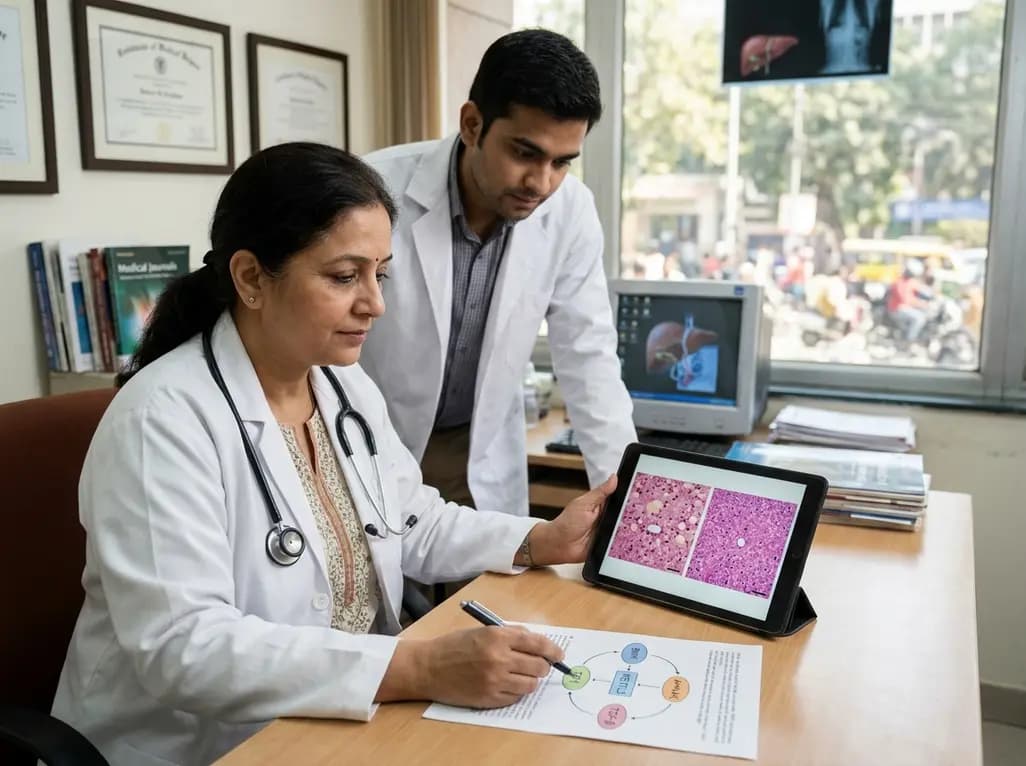
Preclinical research demonstrates that BMI1 overexpression alleviates metabolic syndrome-related liver injury. By triggering ubiquitin-mediated METTL3 degradation, BMI1 prevents AHNAK m6A methylation and suppresses fibrogenic TGF-β/SMAD signaling, significantly improving hepatic steatosis and insulin resistance.
Today
