.webp&w=384&q=75)

Loading, please wait...
Loading, please wait...
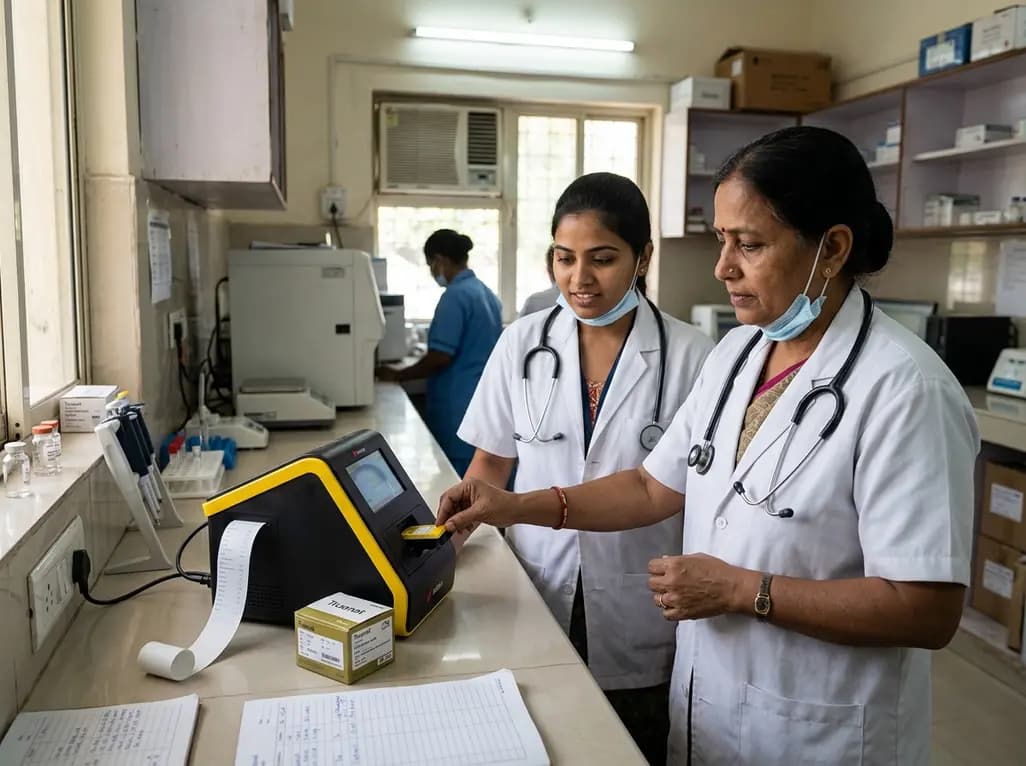
The commercial and clinical expansion of point-of-care molecular diagnostics represents a major milestone in global disease surveillance and primary healthcare delivery. Recent capital investments in diagnostic innovators underscore the vital role that decentralized testing platforms play across modern health systems. Clinicians operating in peripheral settings have long faced diagnostic delays due to centralized laboratory workflows. However, the introduction of portable micro-PCR systems has bridged this accessibility gap effectively. Molbio Diagnostics has established a prominent footprint by engineering battery-operated, real-time PCR analyzers capable of detecting over thirty critical pathogens. Consequently, healthcare providers can now achieve accurate molecular confirmation within an hour at the primary care level. This rapid turnaround time significantly shortens the interval between clinical presentation and targeted therapy initiation. As a result, decentralized molecular testing is transforming infectious disease management, antimicrobial stewardship, and patient outcomes across diverse clinical practices.
Historically, diagnostic microbiology relied heavily on conventional smear microscopy, culture methods, and centralized cartridge-based nucleic acid amplification tests. While sputum microscopy offers low sensitivity, fungal and bacterial cultures require several days or weeks to produce actionable results. Centralized automated PCR platforms provide exceptional sensitivity, but they demand uninterrupted electricity, air-conditioned environments, and specialized technician training. Consequently, peripheral health centers often struggle with sample transport delays, high rates of patient loss to follow-up, and empiric antimicrobial prescribing.
To overcome these structural limitations, modern point-of-care molecular diagnostics integrate sample preparation, automated nucleic acid extraction, and real-time micro-PCR amplification into robust, compact workstations. By miniaturizing microfluidics and lyophilizing thermal reagents, these portable instruments operate reliably at ambient temperatures up to 40 degrees Celsius. Therefore, frontline clinicians in community clinics, district hospitals, and mobile screening units can confirm active infection on the same day. This diagnostic shift directly supports global elimination targets for infectious diseases by replacing presumptive treatment with definitive molecular evidence.
The Truenat platform utilizes a two-step automated workflow designed to maximize diagnostic precision and operational simplicity. First, clinicians process patient specimens using the universal sample preparation device, which performs chemical and thermal lysis alongside automated magnetic bead-based nucleic acid extraction. This automated extraction step purifies target DNA or RNA within twenty minutes from diverse clinical matrices, including sputum, blood, cerebrospinal fluid, swabs, and urine.
Subsequently, the extracted eluate is loaded onto a disease-specific micro-PCR chip and placed into the battery-operated analyzer. The instrument conducts rapid thermocycling and fluorescence detection via TaqMan probe-based chemistry, completing real-time micro-PCR quantification in under thirty-five minutes. Furthermore, the system incorporates pre-programmed internal positive controls to prevent false-negative interpretations caused by PCR inhibitors or extraction failures. Because the entire closed system operates on rechargeable batteries without requiring dedicated clean-room infrastructure, clinicians obtain gold-standard molecular accuracy in resource-limited consultation rooms.
Tuberculosis remains a formidable global health threat, particularly in high-burden countries where undiagnosed transmission sustains the epidemic. Traditional smear microscopy misses a substantial proportion of paucibacillary and extrapulmonary cases, whereas culture delays appropriate therapy by several weeks. Fortunately, clinical trials validated by the World Health Organization have demonstrated that Truenat MTB and MTB Plus assays provide diagnostic sensitivity comparable to established centralized molecular platforms.
Moreover, the platform performs reflex testing with the MTB-RIF assay, allowing clinicians to detect rifampicin resistance mutations in the rpoB gene simultaneously. Identifying drug resistance within sixty minutes prevents inappropriate first-line therapy regimens, thereby curbing the propagation of multi-drug-resistant strains. National tuberculosis elimination programs have extensively deployed these portable micro-PCR workstations across peripheral designated microscopy centers. Consequently, health authorities report marked increases in case notifications and faster treatment initiation rates, demonstrating the profound epidemiological impact of decentralized molecular screening.
Beyond mycobacterial detection, point-of-care molecular diagnostics offer unprecedented clinical versatility across multiple disease domains. For instance, the platform supports real-time molecular assays for respiratory viruses, including SARS-CoV-2 and influenza strains, facilitating rapid triage during seasonal outbreaks. Similarly, clinicians can accurately detect vector-borne pathogens such as dengue, chikungunya, and malaria species during febrile illness evaluations in endemic regions.
Additionally, decentralized testing plays an essential role in maternal and reproductive healthcare. Point-of-care PCR chips identify high-risk human papillomavirus genotypes, enabling immediate cervical cancer risk stratification in primary outpatient clinics. The platform also quantifies viral loads for human immunodeficiency virus and hepatitis B and C, streamlining antiviral initiation and therapeutic monitoring. Furthermore, clinicians utilize specialized micro-PCR assays for emerging zoonotic threats such as Nipah virus and genetic markers like HLA-B27. This broad multiplexing capability transforms a single compact instrument into a comprehensive diagnostic hub for outpatient facilities.
Deploying advanced diagnostic instruments into remote and low-resource healthcare facilities has historically posed significant logistical hurdles. Centralized testing centers frequently encounter erratic electrical grids, extreme ambient heat, and dust contamination, which disrupt sensitive optical components. In contrast, portable micro-PCR platforms address these specific operational vulnerabilities through purpose-built hardware and room-temperature-stable reagents.
Because the micro-PCR chips and extraction cartridges utilize dry room-temperature stabilization, healthcare facilities eliminate cold-chain dependency during transportation and storage. Furthermore, the integrated lithium-ion batteries support full operational shifts without continuous main-line electrical supply. Built-in cellular and wireless connectivity enables automated data transmission directly to centralized laboratory information systems and public health registries. As a result, district medical officers can track outbreak dynamics and diagnostic trends in real time. These rugged engineering features ensure that high-precision molecular tools function seamlessly within primary health centers and rural outreach camps.
To meet surging domestic and international demand for decentralized testing, diagnostic manufacturers are heavily investing in research infrastructure and production capacity. Recent public market debuts and institutional capital allocations highlight the growing commercial viability of indigenous medical device innovation. Capital expenditure plans specifically target advanced research and development centers, Centers of Excellence, and automated manufacturing lines across Goa and Visakhapatnam.
These upgraded facilities will accelerate the development of next-generation micro-PCR assays, ultra-portable multi-bay analyzers, and point-of-care oncology panels. Furthermore, expanding domestic manufacturing lowers per-test production costs, enhancing test affordability for government health programs and private diagnostic networks. By strengthening local supply chains for critical microfluidic chips and biochemical reagents, diagnostic developers ensure sustained supply security during public health emergencies. Ultimately, continuous industrial investment reinforces the vital bridge between academic biotechnology innovation and frontline clinical practice.
Q1: How does the Truenat platform differ from conventional laboratory PCR systems?
Truenat miniaturizes traditional PCR technology into a compact, battery-operated analyzer that operates at ambient temperatures without requiring specialized clean rooms. While conventional centralized PCR systems require extensive cold chains, complex manual handling, and days for sample transport, Truenat automates nucleic acid extraction and micro-PCR thermocycling directly at the point of care. Consequently, clinicians receive highly sensitive, gold-standard molecular test results within an hour.
Q2: What clinical specimens can be processed for point-of-care molecular diagnostics?
The automated sample preparation system processes a broad range of biological specimens depending on the target clinical assay. Clinicians can extract high-purity nucleic acids from sputum, oropharyngeal swabs, nasopharyngeal swabs, whole blood, serum, and plasma. Additionally, the universal extraction cartridges handle cerebrospinal fluid, pleural fluid, urine, synovial fluid, and tissue aspirates. This versatile specimen compatibility enables clinicians to diagnose respiratory, vector-borne, central nervous system, and systemic infectious diseases effectively.
Q3: Why is rapid rifampicin resistance detection critical in tuberculosis management?
Rapid detection of rifampicin resistance is vital because rifampicin serves as the core anchor of standard first-line tuberculosis therapy. When patients harbor resistant Mycobacterium tuberculosis strains, initiating standard empiric regimens leads to therapeutic failure, continuous disease transmission, and amplification of multi-drug resistance. By identifying rpoB gene mutations within sixty minutes, point-of-care molecular testing enables clinicians to prescribe appropriate second-line regimens immediately, significantly reducing mortality and preventing community spread.
Disclaimer: This content is for informational and educational purposes only. It does not constitute medical advice or replace professional judgment. Refer to the latest local and national guidelines for clinical practice.
References

Read summarized clinical updates, watch expert medical content, and earn CME certifications right from your smartphone.
Open your smartphone camera to scan and install.





Point-of-care molecular diagnostics have transformed decentralized healthcare. Molbio Diagnostics' Truenat platform enables rapid, battery-operated micro-PCR testing for over 30 diseases, including tuberculosis and viral infections, empowering clinicians with same-day results in resource-limited settings.
last month

A Bayesian multilevel meta-analysis reveals that aerobic training combined with moderate carbohydrate restriction modestly lowers HbA1c in type 2 diabetes. However, sparse data and very low certainty leave incremental benefits over exercise or diet alone unproven, highlighting the need for individualized care.
Today
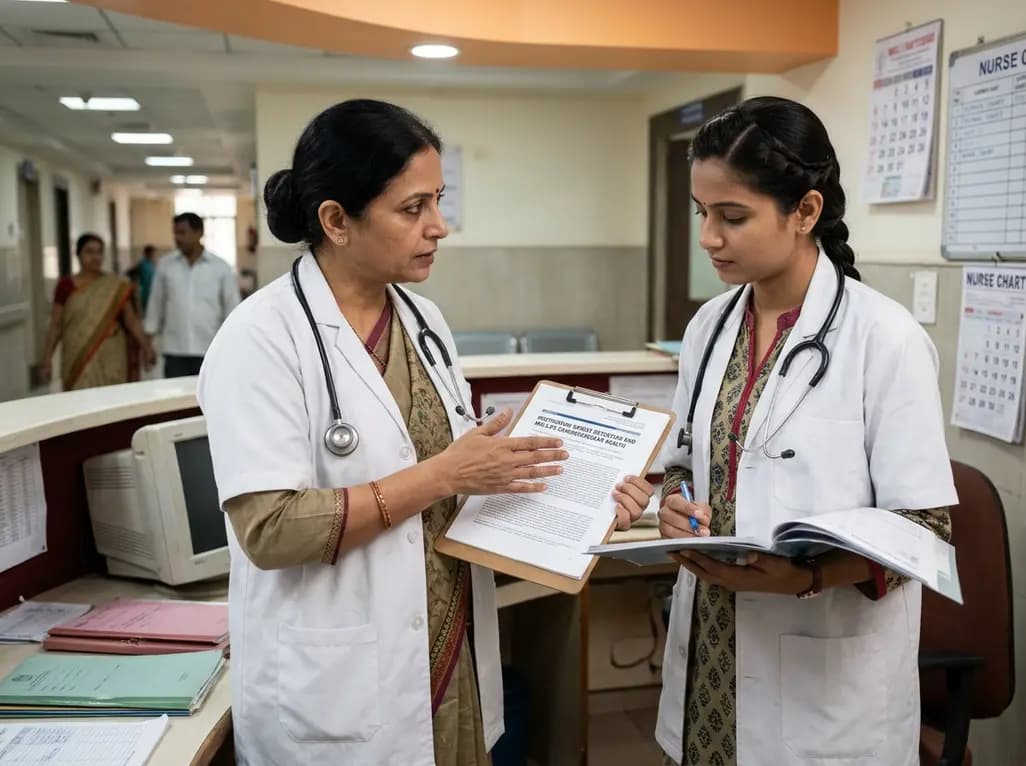
Findings from Project Viva indicate that sustained postpartum weight retention, rather than excessive gestational weight gain alone, directly worsens women's mid-life cardiovascular health, degrading blood pressure and glycemic parameters decades after delivery.
Today
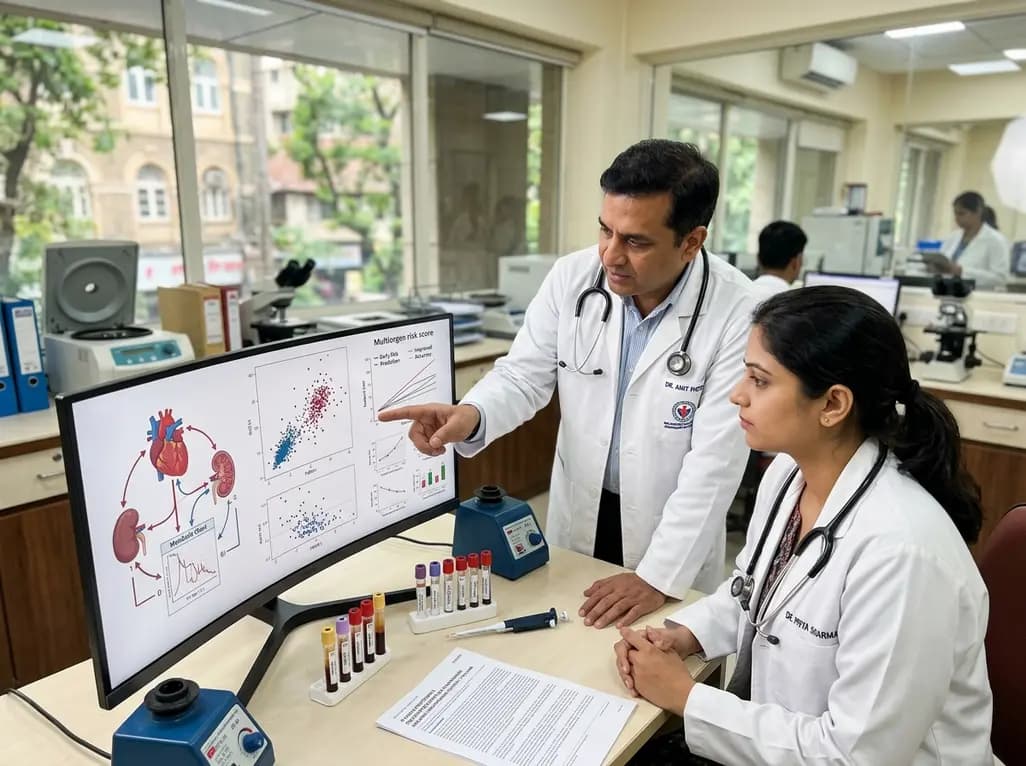
A large UK Biobank study reveals that plasma proteomic signatures capture preclinical organ damage and improve multiorgan risk prediction across early CKM syndrome stages 0 to 2 beyond traditional PREVENT clinical models.
Today
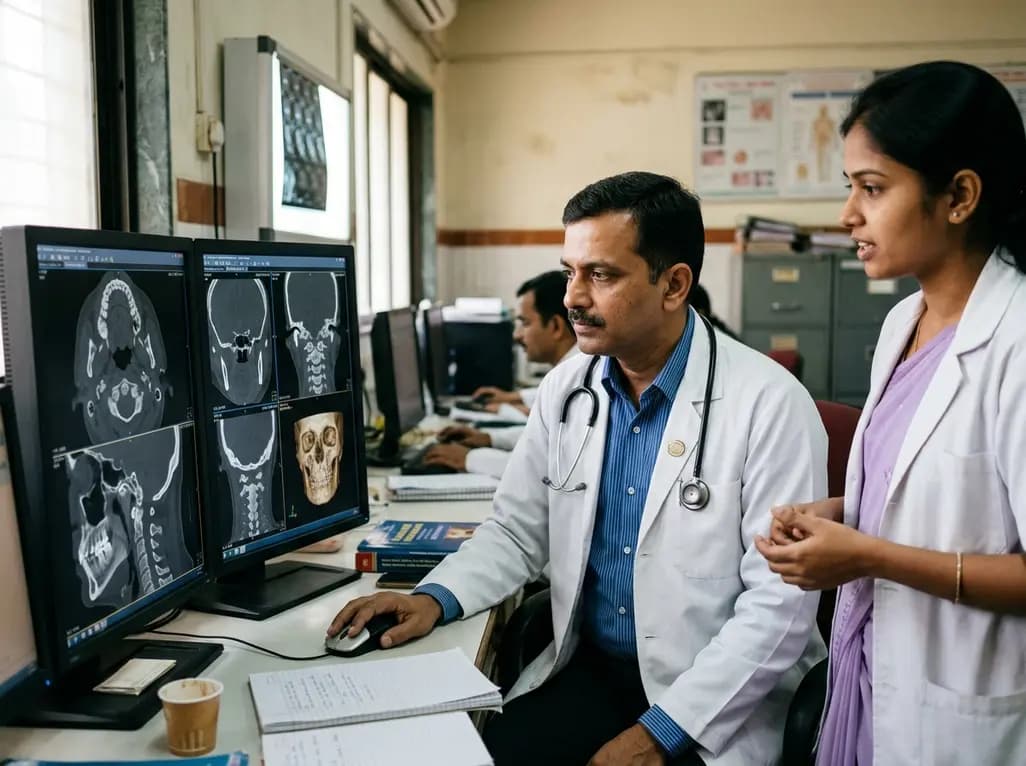
A retrospective CBCT study reveals that superior TMJ space asymmetry correlates moderately with occipital condyle-atlas-axis asymmetry in unilateral TMJ osteoarthritis, highlighting an imaging correlate between jaw biomechanics and upper cervical alignment rather than a standalone diagnostic marker.
Today
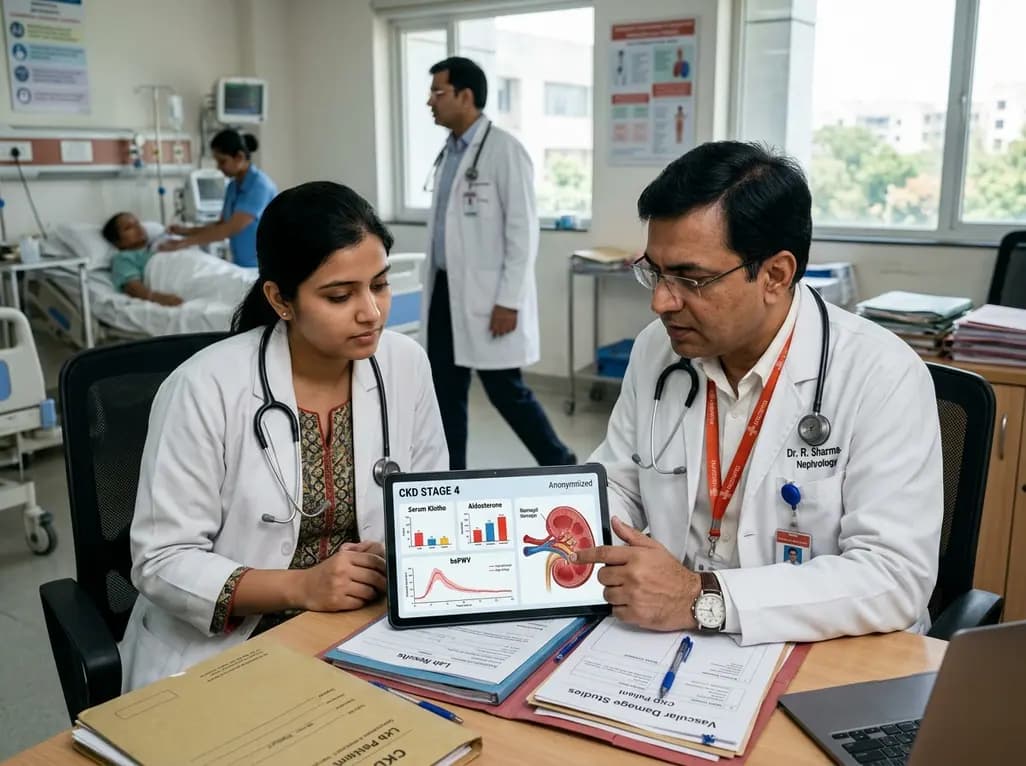
A cross-sectional investigation highlights the complex pathophysiological links between serum Klotho deficiency, secondary hyperaldosteronism, and vascular damage in CKD. Discover key insights into non-invasive vascular stiffness markers and targeted therapeutic pathways for cardiorenal protection.
Today
