.webp&w=384&q=75)

Loading, please wait...
Loading, please wait...
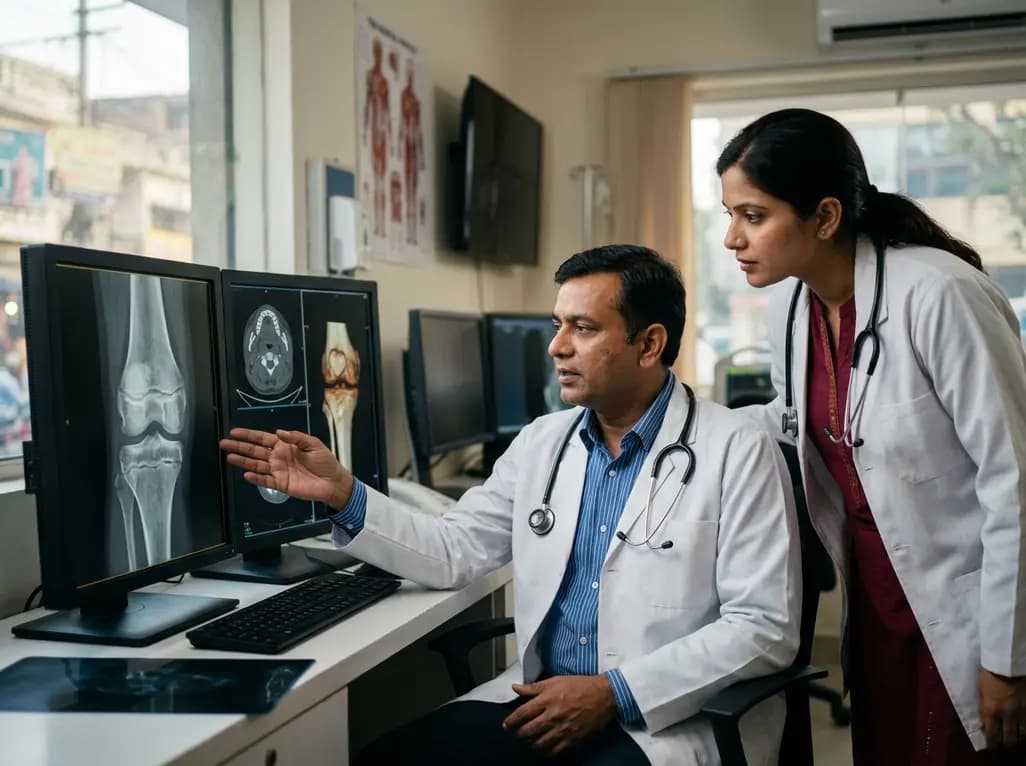
Accurate subadult identification and biological profile construction represent fundamental pillars of forensic anthropology, legal medicine, and pediatric radiology. In living individuals, age assessments frequently influence criminal responsibility determinations, asylum adjudications, and competitive sports eligibility. Therefore, establishing precise, objective, and reproducible biological timelines is vital. Skeletal age estimation relies on tracking predictable developmental milestones across ossification centers during childhood and adolescence. While conventional radiography historically formed the foundation of these assessments, cross-sectional post-mortem computed tomography (PMCT) has fundamentally transformed our diagnostic precision. Modern PMCT technology eliminates overlapping anatomical shadows and enables comprehensive three-dimensional evaluation of growing long bones.
For several decades, forensic practitioners relied predominantly on classic radiographic atlases, such as Greulich and Pyle, to estimate bone maturation. However, these historical frameworks often reflect mid-twentieth-century secular trends and lack multiplanar diagnostic sensitivity. Furthermore, plain radiographs compress complex three-dimensional epiphyseal topologies into two-dimensional projections. This compression frequently masks early stages of trabecular bridging or persistent central gaps along the growth plate. Consequently, contemporary forensic radiology has pivoted toward volumetric PMCT and high-resolution multiplanar reconstructions. By visualizing the distal femur, proximal tibia, and proximal fibula across axial, sagittal, and coronal planes, clinicians can evaluate microstructural fusion with extraordinary clarity. In addition, digital archives enable researchers to compile large, contemporary population databases without subjecting living children to non-therapeutic ionizing radiation. These methodological advancements ensure that forensic age estimates reflect modern pediatric growth dynamics, socioeconomic conditions, and nutritional trends.
A landmark multicenter investigation examined thin-slice PMCT scans from 847 modern subadults across Australia and North America. Specifically, the cohort comprised 402 Australian children from Victoria (228 males and 174 females) and 445 North American children from New Mexico (233 males and 202 females). Investigators applied a rigorous ordinal scoring system across 11 distinct anatomical indicators on the distal femur, proximal tibia, and proximal and distal fibula. Importantly, the evaluation demonstrated outstanding diagnostic reliability, achieving an intra-rater intraclass correlation coefficient of 0.99 and an inter-rater agreement of 0.89. To translate these qualitative anatomical scores into continuous age estimates, researchers implemented advanced transition analysis. Subsequently, a multivariable Bayesian cluster model derived recalibrated maturation parameters with 68% and 95% credible intervals. Bayesian modeling offers substantial statistical superiority over traditional linear regression because it naturally incorporates population priors, manages non-linear developmental trajectories, and properly accounts for overlapping maturation stages.
The study revealed distinct, quantifiable timelines for epiphyseal union around the knee joint. In Australian females, active knee fusion occurred between 10 and 16 years of age. Conversely, Australian males demonstrated active fusion later, between 12 and 18 years. Complete skeletal fusion across all evaluated knee sites was never observed earlier than 14 years in females and 16 years in males. Similarly, North American females exhibited active fusion between 11 and 15 years, while North American males displayed active fusion between 11 and 16 years. Sexual dimorphism remained pronounced throughout both subpopulations, with females consistently reaching developmental maturation milestones earlier than their male peers. Moreover, the researchers identified four specific morphological indicators that provided the highest diagnostic information density across all developmental profiles. These specific sites allow forensic practitioners to maximize diagnostic yield while minimizing subjective interpretation during complex legal evaluations.
Although biological pathways follow identical developmental stages, this investigation highlighted critical interpopulation nuances between contemporary cohorts. While general morphological milestones showed strong cross-population alignment, significant interpopulation differences emerged in later adolescence and early adulthood. Specifically, older male adolescents exhibited notable divergence in epiphyseal fusion rates between the Australian and North American datasets. In contrast, female developmental trajectories showed greater overall synchrony across populations until final epiphyseal closure. These findings confirm that socio-environmental factors, genetic backgrounds, and regional secular trends subtly influence terminal skeletal maturation. Consequently, applying universal or non-specific thresholds across diverse geographic populations introduces systematic error into legal proceedings. Forensic radiologists must therefore exercise extreme caution when extrapolating standards derived from one continent onto culturally or geographically disparate subadult populations, particularly around the crucial legal age boundaries of 16 to 18 years.
The introduction of recalibrated, normative PMCT knee ossification standards marks a transformative leap for medicolegal casework and pediatric clinical practice. In judicial settings, age determinations often decide whether a juvenile offender is tried in juvenile versus adult criminal court. Furthermore, these standards provide vital objective evidence in child protection disputes, human trafficking cases, and cross-border age verifications. Beyond forensic pathology, these high-resolution normative datasets provide pediatric orthopedic surgeons and endocrinologists with precise references for assessing growth disorders and timing epiphyseodesis procedures. By establishing Bayesian credible intervals rather than arbitrary point estimates, clinicians can deliver transparent, scientifically robust, and legally defensible expert testimony. Forensic practitioners should adopt these modern multivariable PMCT standards while actively supporting the development of regional reference databases to refine age estimation across diverse global demographics.
The knee joint incorporates three major long bones—the distal femur, proximal tibia, and proximal fibula—that undergo active ossification during crucial mid-to-late adolescent transitions. Because these growth plates fuse predictably between 10 and 18 years of age, evaluating multi-indicator knee ossification provides exceptional diagnostic clarity. Consequently, clinicians can accurately differentiate between juveniles and young adults during forensic investigations, athletic age verifications, and civil or criminal age assessment proceedings.
Post-mortem computed tomography provides thin-slice volumetric imaging that eliminates superimposition of surrounding osseous and soft tissue structures. Clinicians can generate multiplanar reconstructions to inspect the epiphyseal plate from axial, coronal, and sagittal perspectives simultaneously. Therefore, PMCT reveals subtle bone bridging and central epiphyseal gaps that remain undetectable on standard two-dimensional radiographs, dramatically increasing scoring repeatability, intra-rater agreement, and overall medicolegal accuracy.
Epiphyseal fusion timing varies among different populations due to genetic variations, nutritional factors, socioeconomic environments, and modern secular growth trends. As demonstrated in comparative studies, terminal epiphyseal fusion rates in late adolescence diverge significantly between geographic cohorts. Consequently, using universal or outdated reference atlases risks misclassifying chronological age. Applying validated, population-specific standards guarantees robust statistical precision and ensures legally defensible outcomes in forensic practice.
Disclaimer: This content is for informational and educational purposes only. It is not intended to substitute for professional medical advice, diagnosis, or treatment. Always seek the advice of your physician or other qualified health provider with any questions you may have regarding a medical condition or clinical practice guidelines. Refer to the latest local and national guidelines for clinical practice.
References

Read summarized clinical updates, watch expert medical content, and earn CME certifications right from your smartphone.
Open your smartphone camera to scan and install.





A multicenter PMCT study establishes recalibrated knee ossification standards in modern Australian and North American children, highlighting sexual dimorphism and the necessity of population-specific models for forensic skeletal age estimation.
last month
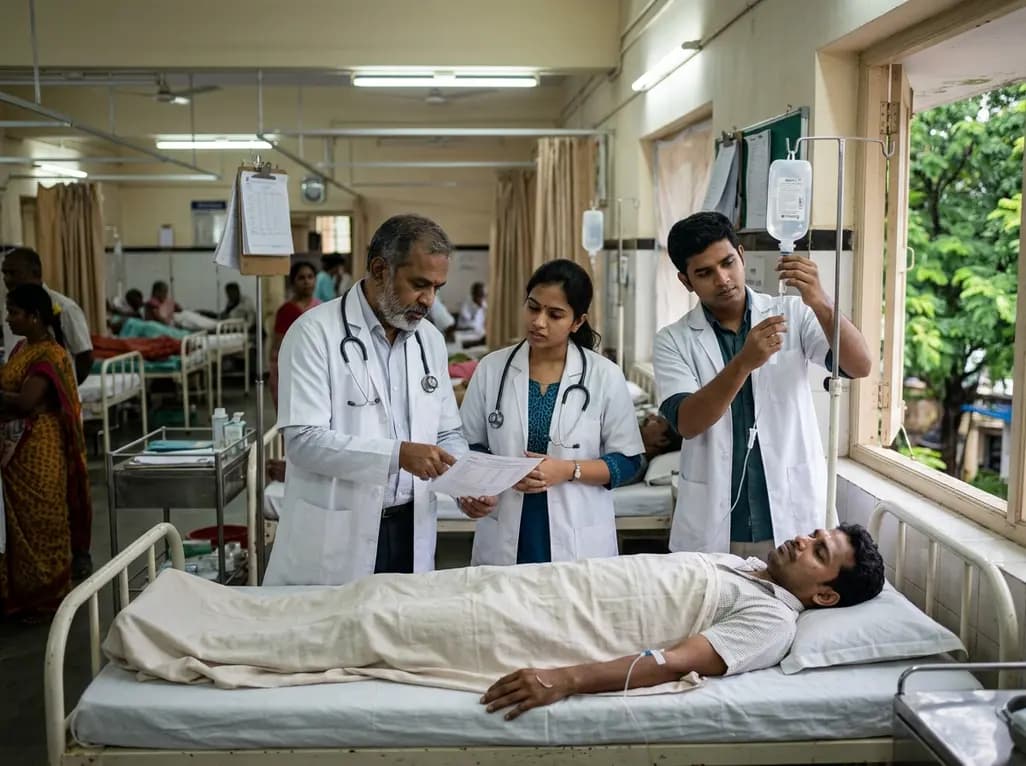
With post-monsoon dengue surges threatening South Asian health systems, physicians must refine triage and management. This guide covers vital warning signs, plasma leakage detection, crystalloid titration, and vector containment strategies to prevent mortality during seasonal arboviral epidemics.
Today

Findings from Project Viva indicate that sustained postpartum weight retention, rather than excessive gestational weight gain alone, directly worsens women's mid-life cardiovascular health, degrading blood pressure and glycemic parameters decades after delivery.
Today
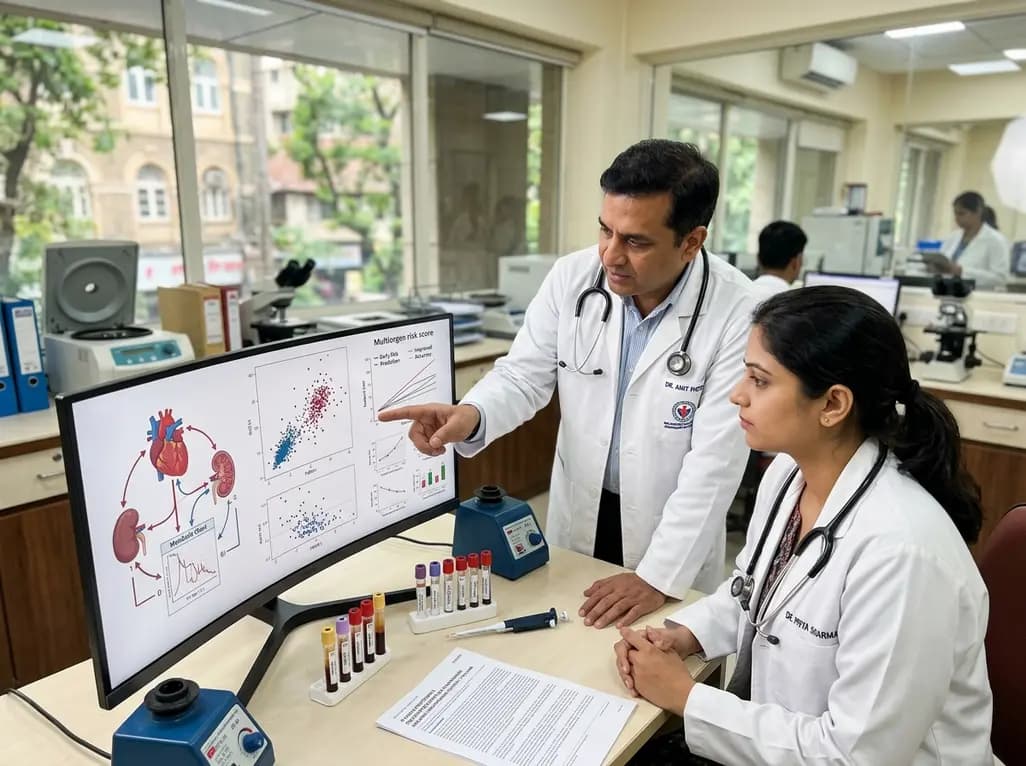
A large UK Biobank study reveals that plasma proteomic signatures capture preclinical organ damage and improve multiorgan risk prediction across early CKM syndrome stages 0 to 2 beyond traditional PREVENT clinical models.
Today
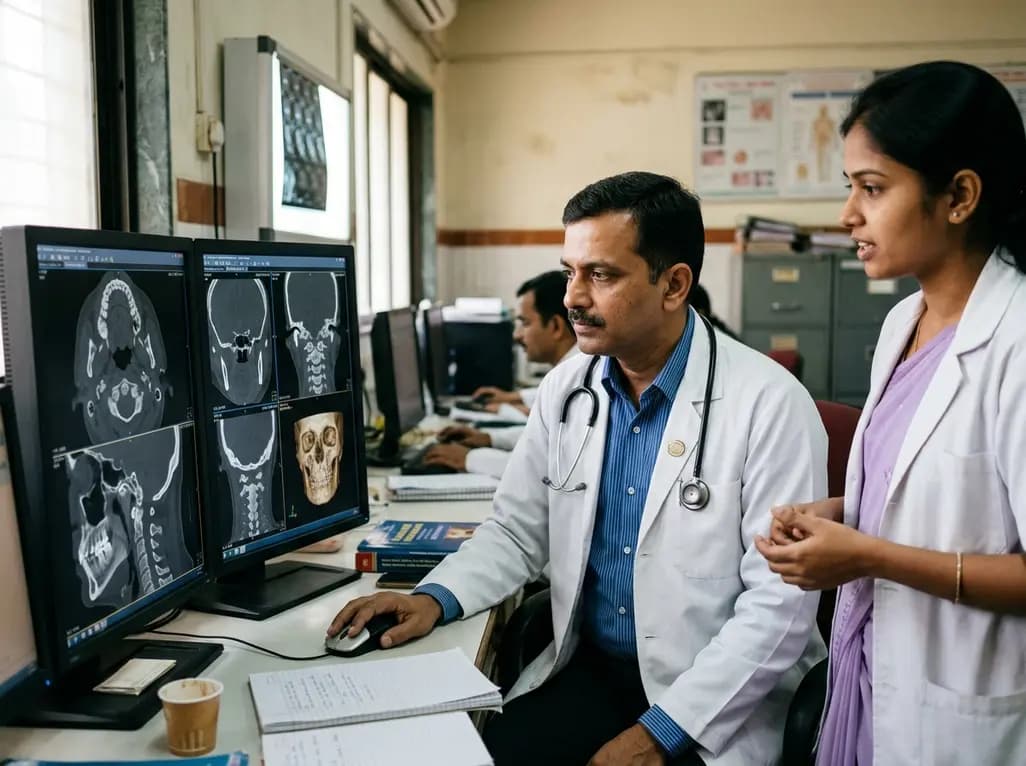
A retrospective CBCT study reveals that superior TMJ space asymmetry correlates moderately with occipital condyle-atlas-axis asymmetry in unilateral TMJ osteoarthritis, highlighting an imaging correlate between jaw biomechanics and upper cervical alignment rather than a standalone diagnostic marker.
Today

A Bayesian multilevel meta-analysis reveals that aerobic training combined with moderate carbohydrate restriction modestly lowers HbA1c in type 2 diabetes. However, sparse data and very low certainty leave incremental benefits over exercise or diet alone unproven, highlighting the need for individualized care.
Today
