

Loading, please wait...
Loading, please wait...
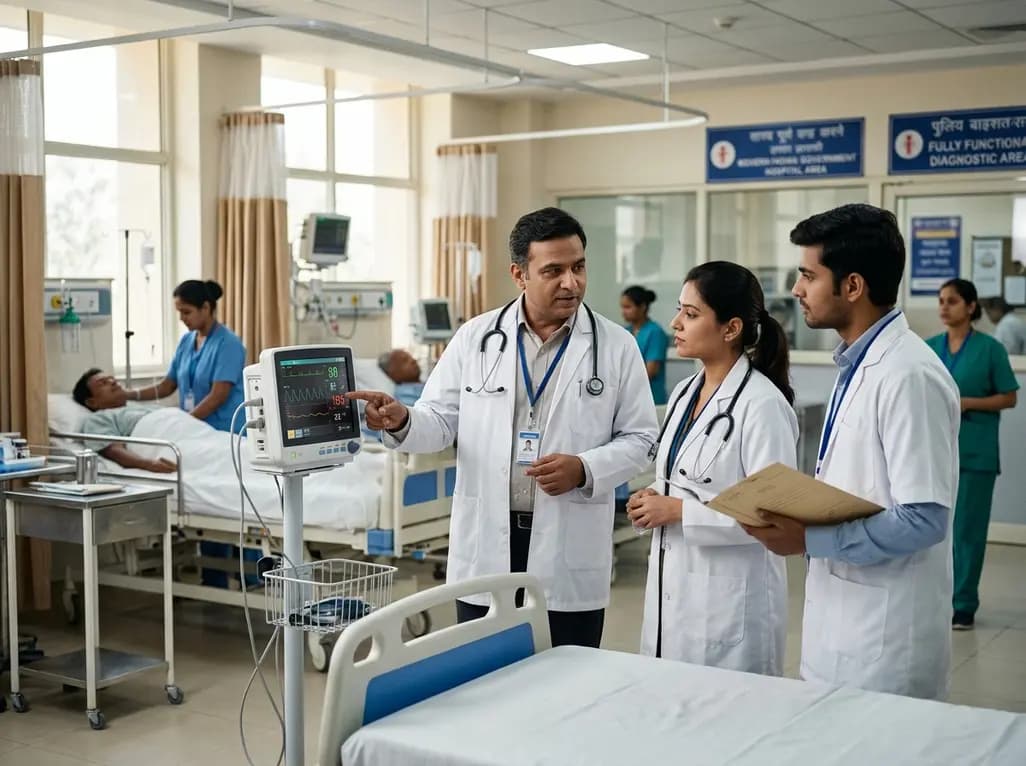
The Union Ministry of Health and Family Welfare recently announced a monumental leap in national medical readiness. Specifically, the government has sanctioned significant upgrades through the PM-ABHIM health infrastructure initiative to bridge systemic healthcare gaps. Union Health Secretary Punya Salila Srivastava shared these updates during a comprehensive national orientation workshop in Bengaluru. Consequently, public healthcare systems across rural and urban landscapes will experience substantial operational reinforcement.
The central administration approved 19,983 physical healthcare facilities under this comprehensive program. Furthermore, this landmark decision demonstrates an unwavering commitment to equitable medical access nationwide. The initiative operates with a massive financial outlay of 64,180 crore rupees. Therefore, states receive substantial fiscal support to build resilient healthcare frameworks. In addition, the central framework promotes public-private partnerships alongside state-level investments. Meanwhile, administrators emphasize a mission-mode deployment to achieve the Sustainable Development Goals effectively. Because previous health emergencies revealed severe logistical vulnerabilities, this strategy secures foundational primary care. Consequently, local authorities must accelerate on-ground implementation to operationalize these facilities without delay. Moreover, the project integrates cutting-edge digital resources to ensure seamless delivery across all tiers. The Ayushman Bharat Digital Mission serves as a primary technological pillar for these units. Ultimately, this national expansion ensures that underserved communities gain timely access to clinical interventions. Similarly, coordinated central and state governance accelerates construction timelines across various regions. As a result, primary healthcare practitioners can expect modern facilities in previously neglected districts. Thus, institutional capacity expands steadily across every state. Consequently, healthcare administrators can eliminate infrastructure disparities across rural regions.
Grassroots healthcare delivery forms the very bedrock of effective community medicine. Consequently, the mission establishes 11,001 Ayushman Arogya Mandir Sub Health Centres in previously building-less areas. In addition, planners sanctioned 5,456 Urban Ayushman Arogya Mandirs to cater to dense city populations. Therefore, vulnerable urban slum dwellers will obtain essential medical consultations closer to home. Moreover, primary care clinicians in these centres receive enhanced resources to treat common ailments early. The Free Drugs and Diagnostics Initiative plays an indispensable role within these grassroots centres. Specifically, it supplies essential medicines and fundamental laboratory screenings without charging patients. As a result, patients avoid catastrophic out-of-pocket medical expenditure during regular clinical visits. Furthermore, decentralized primary care significantly diminishes the patient load on overcrowded secondary district hospitals. When local clinics manage hypertension and diabetes successfully, referral hospitals function far more efficiently. In turn, family physicians can build continuous, trust-based therapeutic relationships with local communities. Accordingly, these primary health outposts establish an inclusive, responsive foundation for public wellness across the nation. Thus, frontline healthcare workers gain adequate infrastructure to run immunization campaigns and maternal health programs. Ultimately, this structural empowerment transforms everyday rural and urban clinical practice. Moreover, regular preventative consultations lower chronic disease morbidity over time.
Accurate diagnostic testing constitutes the foundation of effective clinical decision-making and disease control. Therefore, the administration sanctioned 2,151 Block Public Health Units across distinct administrative regions. Furthermore, the program adds 744 district-level Integrated Public Health Laboratories to support comprehensive testing. Consequently, these regional laboratories deliver rapid diagnostic evaluation for infectious and non-communicable disorders. Meanwhile, the government supported 48 Virus Research and Diagnostic Laboratories to expand microbiological expertise. In addition, these specialized facilities accelerate pathogen identification during unexplained regional disease outbreaks. Epidemiologists can now detect infectious clusters before widespread community transmission occurs. For instance, integrated laboratories connect directly with the national surveillance framework to share data instantaneously. Accordingly, clinicians obtain reliable bacteriological and viral analyses without referring samples to distant metropolitan centres. This rapid diagnostic turnaround significantly optimizes empirical antimicrobial prescribing patterns among general practitioners. Moreover, early detection prevents untoward disease escalation across vulnerable patient groups. Thus, decentralized laboratory medicine provides essential tools for both patient care and population health tracking. Similarly, local health teams can manage infectious surveillance through synchronized digital reporting channels. Ultimately, these advanced diagnostic networks safeguard communities against emerging microbial pathogens. Consequently, hospital laboratories achieve superior diagnostic accuracy and faster patient reporting.
The severe challenges of the COVID-19 pandemic highlighted urgent requirements for dedicated intensive care capabilities. Consequently, PM-ABHIM establishes 631 Critical Care Blocks within public hospital systems nationwide. In addition, these specialized blocks ensure that district hospitals manage severe acute respiratory infections safely. Therefore, critically ill patients receive high-level mechanical ventilation and hemodynamic monitoring within their own districts. Furthermore, these modern emergency blocks house negative-pressure isolation rooms to contain airborne infections effectively. As a result, hospital teams can prevent dangerous nosocomial transmission during virulent outbreaks. Meanwhile, emergency medicine specialists gain dedicated access to advanced life support technology and intensive monitoring equipment. Because these facilities remain operational during routine times, they manage complex trauma and septic shock patients seamlessly. Accordingly, critical care blocks bolster both daily intensive care delivery and emergency disaster readiness. Moreover, regional referral chains become far more reliable and manageable. Critically ill individuals no longer face perilous transfers over long distances to tertiary medical institutes. Thus, this targeted hospital expansion saves valuable lives through rapid, localized emergency resuscitation. Similarly, intensivists and nursing staff acquire structured protocols for triage during overwhelming biological threats. Ultimately, these dedicated blocks enhance resilience across the entire national critical care ecosystem. Consequently, emergency teams manage unpredictable clinical surges with remarkable operational resilience.
Pandemic preparedness requires rigorous cross-border surveillance alongside sturdy domestic laboratory networks. Consequently, central sector interventions establish regional branches of the National Centre for Disease Control across India. Furthermore, authorities develop dedicated quarantine facilities at major international airports and seaports. In addition, health officials establish specialized metropolitan surveillance units across 20 major Indian cities. Therefore, urban epidemiologists can rapidly track infectious threats within densely populated urban centers. Meanwhile, port health organizations monitor incoming travelers to block transboundary viral introductions effectively. Because international travel accelerates microbial dissemination, these entry points serve as essential protective barriers. Moreover, the integration of digital tools like Aarogya Setu enhances contact tracing and real-time alerts. As a result, public health administrators maintain sharp situational awareness across all administrative jurisdictions. Subsequently, healthcare leaders can coordinate timely containment measures before minor outbreaks transform into full epidemics. Coordinated Centre-state efforts ensure uniform execution of biosecurity guidelines and surveillance protocols. Furthermore, practicing physicians benefit directly because early containment protects local hospital systems from catastrophic surges. Similarly, continuous genomic tracking enables researchers to identify new viral variants swiftly. Ultimately, this multipronged strategy protects national health security against emerging zoonoses and dangerous biological hazards.
Q1: What are the primary objectives of the PM-ABHIM scheme?
The scheme primarily seeks to fill critical gaps in public health infrastructure across both rural and urban areas. Furthermore, it establishes comprehensive disease surveillance networks from block to national levels. In addition, the mission expands specialized critical care hospital blocks and advances pandemic-related scientific research. Consequently, it prepares the nation to manage infectious disease outbreaks and biosecurity threats effectively while providing accessible primary care.
Q2: How do Critical Care Blocks improve district-level emergency care?
Critical Care Blocks establish dedicated facilities within district hospitals to manage life-threatening medical emergencies and infectious diseases locally. Therefore, patients suffering from severe respiratory distress or septic shock receive prompt intensive treatment. Furthermore, these units feature advanced mechanical ventilators, hemodialysis machines, and negative-pressure isolation wards. Consequently, district health systems can prevent nosocomial transmission during virulent outbreaks and significantly reduce dangerous inter-hospital transport delays.
Q3: What role do Integrated Public Health Laboratories play in pandemic preparedness?
Integrated Public Health Laboratories provide comprehensive diagnostic testing for both infectious and non-communicable diseases at the district level. Moreover, they deliver rapid pathogen identification and antimicrobial susceptibility profiles to guide clinical therapies. In addition, these facilities feed real-time epidemiological data directly into national surveillance portals. As a result, public health teams can detect localized disease clusters early, investigate emerging outbreaks rapidly, and initiate targeted containment strategies before broader contagion spreads.
Disclaimer: This content is for informational and educational purposes only. It does not constitute medical advice or replace professional judgment. Refer to the latest local and national guidelines for clinical practice.
References

Read summarized clinical updates, watch expert medical content, and earn CME certifications right from your smartphone.
Open your smartphone camera to scan and install.





The Union Health Ministry has sanctioned 19,983 healthcare projects under PM-ABHIM. This extensive expansion aims to bridge critical care gaps, enhance diagnostic laboratories, and establish robust disease surveillance networks across rural and urban districts to bolster long-term pandemic resilience.
Today
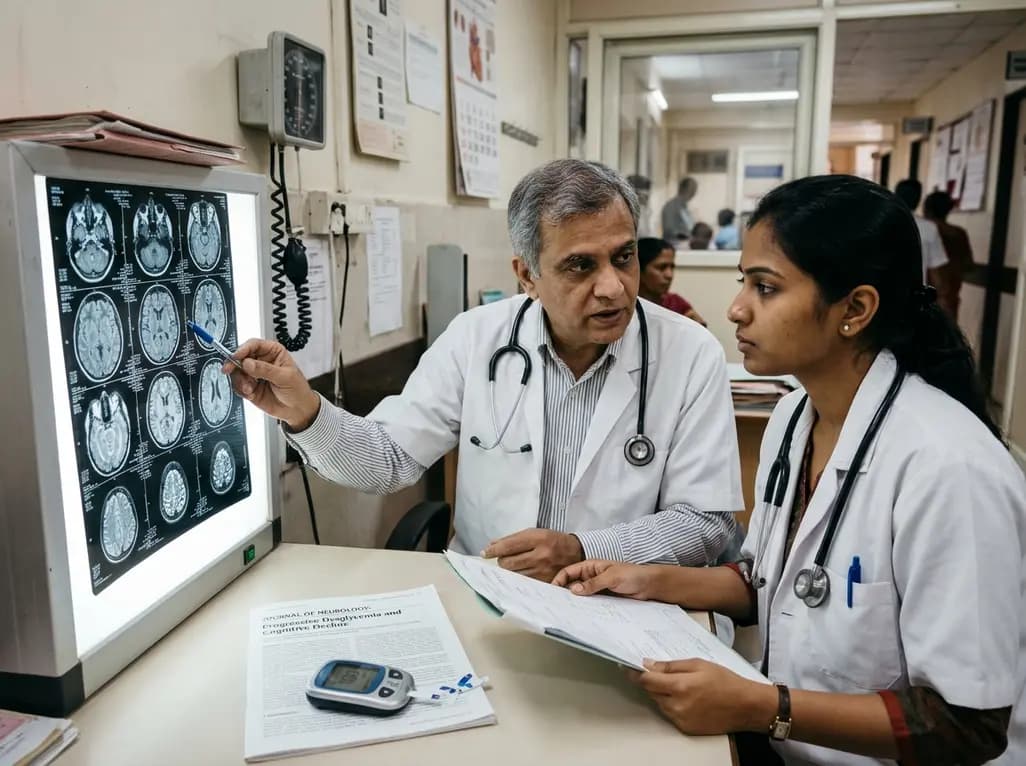
A landmark 30-year cohort study reveals that progressive dysglycemia from young adulthood impairs midlife memory, processing speed, and brain structure. These findings highlight an urgent need for Indian physicians to screen young adults early to prevent neurological decline.
Today
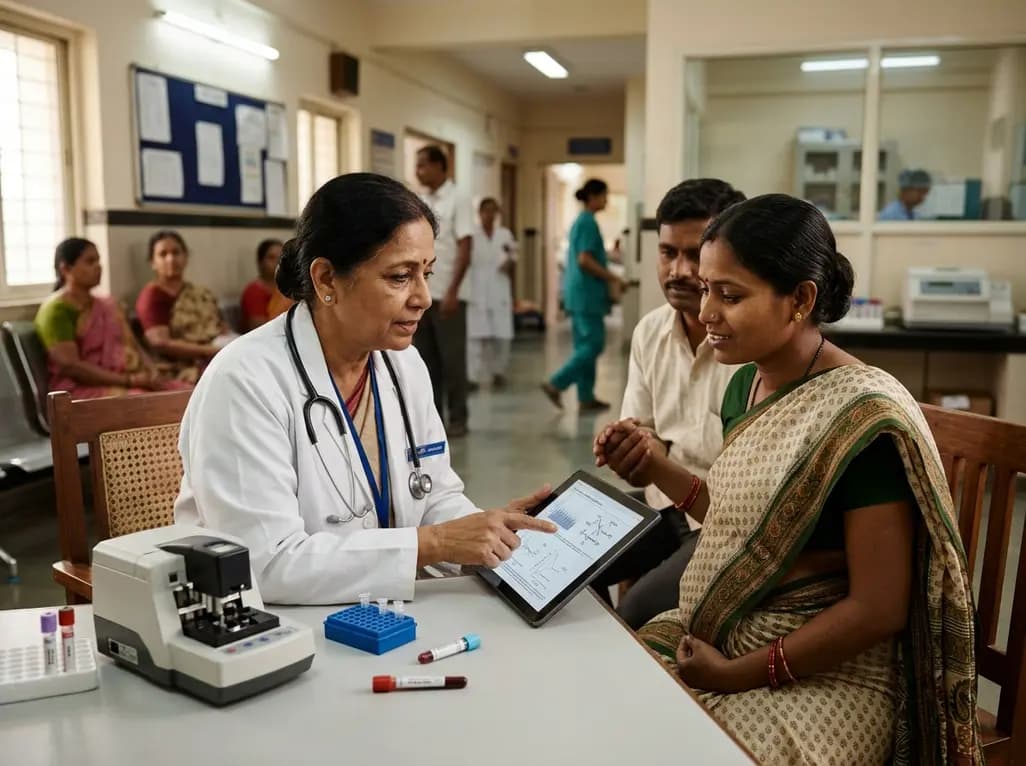
Researchers have engineered a sensitive electrochemiluminescent sandwich immunosensor utilizing silver nanoparticles and quantum dots to quantify placental growth factor, paving the way for rapid, accurate, and accessible early preeclampsia screening in clinical practice.
Today
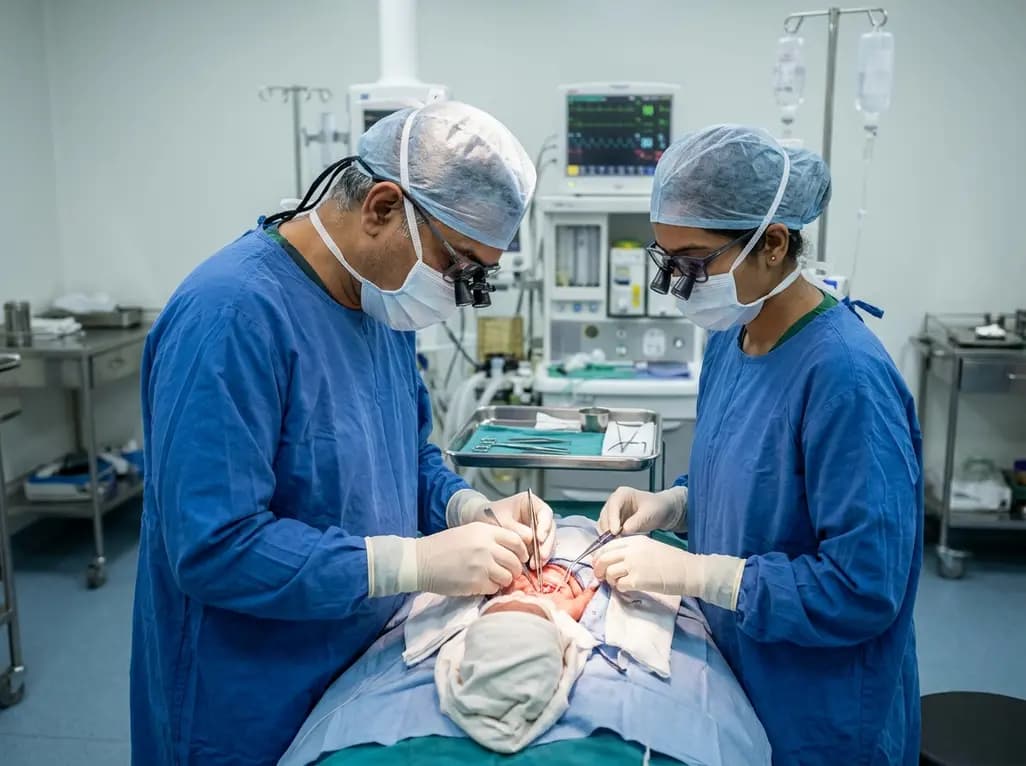
This report reviews the successful off-pump surgical retrieval of a migrated patent ductus arteriosus closure device in an 8-week-old preterm infant, preventing cardiopulmonary bypass morbidity while relieving aortic obstruction.
Today

A real-world cross-sectional study in Thailand reveals that a web-based bone health self-assessment tool effectively captured clinical risk profiles, prompting DXA recommendations in 37% of users—over half of whom were below standard screening ages due to non-age clinical vulnerabilities.
Today

As lifestyle diseases surge across India, clinicians face rising challenges from dietary misinformation and unmonitored therapies. Prioritising structured nutrition therapy, evidence-based self-care, and robust regulatory oversight offers a sustainable pathway to counter metabolic dysfunction and enhance patient health.
Today
