.webp&w=384&q=75)

Loading, please wait...
Loading, please wait...
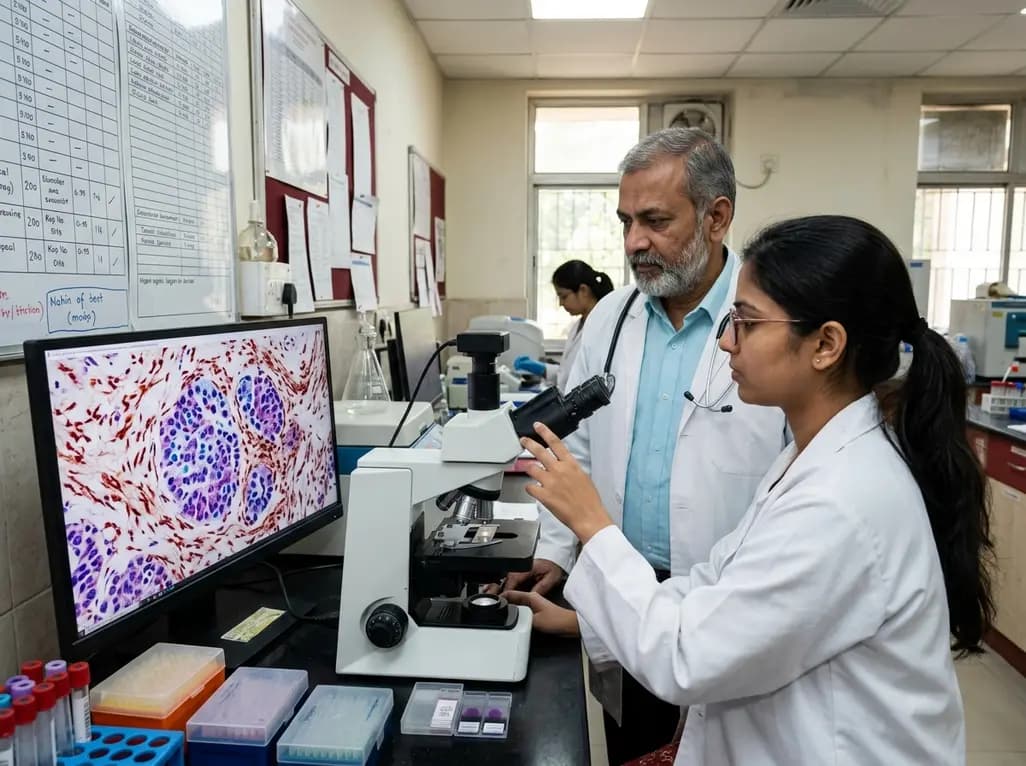
Chemotherapy remains a cornerstone systemic intervention for patients with non-small cell lung cancer. However, the frequent emergence of lung adenocarcinoma chemoresistance severely curtails treatment durability and overall patient survival. While malignant epithelial cells accumulate intrinsic genetic alterations, extrinsic microenvironmental cues also dictate therapeutic response. Consequently, dissecting stromal interactions within the pulmonary tumor niche represents an urgent translational priority for clinical oncologists.
Systemic platinum-based chemotherapy provides vital cytoreductive benefits across advanced thoracic tumors. Nevertheless, most patients with lung adenocarcinoma eventually relapse due to recalcitrant drug resistance. Historically, clinical research focused almost exclusively on tumor-intrinsic driver mutations and metabolic shifts. In contrast, emerging studies demonstrate that the surrounding stromal microenvironment actively orchestrates therapy failure. Cancer-associated fibroblasts constitute a substantial portion of this surrounding non-malignant architecture. Furthermore, these stromal cells synthesize dense extracellular matrix proteins, impede drug perfusion, and release diverse cytokines. Therefore, understanding fibroblast heterogeneity has become crucial for oncologists managing refractory disease. Unfortunately, traditional two-dimensional cell cultures fail to recreate the intricate architectural interactions between malignant epithelium and surrounding stroma. Because standard in vitro models lack this physiological complexity, predictive pre-clinical drug testing often yields misleading outcomes. As a result, oncology researchers require robust preclinical platforms that preserve both epithelial organoids and autologous stromal elements. By systematically evaluating stromal-epithelial crosstalk, investigators can pinpoint specific microenvironmental pathways that protect malignant cells from cytotoxic insult. Ultimately, resolving these cellular dialogues will allow clinicians to develop combination regimens that overcome chemoresistance and prolong progression-free survival.
To surmount previous translational limitations, investigators recently established an innovative biobank of patient-derived lung cancer organoids. Crucially, researchers matched these three-dimensional epithelial cultures directly with patient-derived cancer-associated fibroblasts isolated from treatment-naïve lung tumors. Unlike monoculture systems, these paired co-culture models mirror native tissue architecture and accurately preserve primary genomic features. Moreover, the platform allows precise functional evaluation of dynamic paracrine signaling between distinct cellular compartments. When researchers co-cultured organoids with matched stromal fibroblasts, tumor cell sensitivity to standard chemotherapy agents decreased markedly. In contrast, organoids grown without fibroblasts retained substantial apoptotic susceptibility following cytotoxic exposure. This striking observation demonstrates that stromal fibroblasts confer potent protective signals directly to neighboring adenocarcinoma cells. Furthermore, researchers derived the paired biobank from therapy-naïve clinical specimens. Thus, the observed resistance phenotypes represent primary microenvironmental protection rather than secondary acquired mutations. Consequently, this model offers a powerful framework for identifying early microenvironmental mediators of treatment failure. Through high-throughput profiling of these paired organoid cultures, scientists isolated unique stromal populations responsible for blunting chemotherapeutic efficacy. In addition, the platform provides an ideal testing ground for novel compounds designed to disrupt stromal-epithelial synergy.
Following the functional validation of stroma-mediated protection, investigators sought to identify the specific cellular subpopulation driving this effect. Single-cell RNA sequencing revealed profound phenotypic heterogeneity among pulmonary cancer-associated fibroblasts. Specifically, researchers identified plasminogen activator urokinase, termed PLAU, as an exclusive biomarker marking chemoresistance-associated fibroblasts. Notably, malignant adenocarcinoma cells actively prompt resting fibroblasts to polarize into this distinct PLAU-positive phenotype. Clinical correlative analyses subsequently confirmed that abundant stromal PLAU expression strongly correlates with poor overall survival in lung cancer cohorts. Therefore, PLAU does not merely serve as an inert structural marker. Instead, it demarcates a functional stromal state that actively shields carcinoma cells from antineoplastic damage. When investigators examined clinical biopsies from chemotherapy-refractory patients, they detected substantial enrichment of PLAU-expressing fibroblasts within tumor beds. Conversely, tumors harboring low stromal PLAU levels showed significantly higher rates of pathological response following cytotoxic regimens. In addition, functional assays demonstrated that selective depletion of these fibroblasts completely restored baseline drug sensitivity across organoid lines. Accordingly, these findings establish PLAU-positive fibroblasts as critical cellular drivers of clinical treatment failure. Oncologists and pathologists can thus potentially utilize PLAU quantification as a valuable prognostic indicator during initial diagnostic staging.
To define how PLAU-positive fibroblasts confer cytoprotection, researchers systematically interrogated the secretome of these polarized stromal cells. Notably, molecular analyses revealed that PLAU-positive fibroblasts secrete abundant quantities of the pro-inflammatory chemokine CXCL5. Through paracrine diffusion, secreted CXCL5 binds specifically to chemokine receptors situated on neighboring adenocarcinoma cells. This sustained ligand-receptor interaction triggers downstream intracellular signaling cascades that directly upregulate calmegin, an endoplasmic reticulum chaperone encoded by CLGN. Calmegin typically functions during spermatogenesis, yet carcinoma cells exploit this chaperone to optimize protein folding under severe cellular stress. When chemotherapeutic drugs generate cytotoxic oxidative damage, elevated calmegin levels preserve endoplasmic reticulum homeostasis and prevent apoptotic cascade activation. Furthermore, experimental upregulation of calmegin in treatment-sensitive organoids successfully reproduced the resistant phenotype even without stromal co-culture. Conversely, blocking the CXCL5-receptor interface abolished calmegin induction and sensitized malignant cells to platinum-based compounds. Additionally, gene expression databases confirm that elevated CLGN expression correlates with advanced tumor stage, lymph node involvement, and disease recurrence. Therefore, the PLAU-positive fibroblast-CXCL5-CLGN signaling axis forms a cooperative paracrine circuit that bolsters malignant survival during systemic therapy. Targeting this specific molecular cascade presents an attractive strategy to disrupt tumor-stroma communication.
Unraveling this microenvironmental circuitry uncovers promising therapeutic avenues for overcoming refractory lung adenocarcinoma. Because calmegin operates downstream within malignant epithelial cells, directly inhibiting this chaperone represents an effective approach to circumvent stromal protection. In preclinical organoid experiments, genetic ablation of CLGN completely restored chemotherapeutic vulnerability across resistant adenocarcinoma lines. Moreover, combining cytotoxic drugs with calmegin inhibition significantly enhanced apoptotic cell death in paired organoid-fibroblast models. Importantly, healthy adult somatic tissues display minimal physiological calmegin expression, as this chaperone primarily functions in germ cells. Consequently, therapeutic calmegin inhibitors could offer a favorable safety profile with minimal on-target systemic toxicity for cancer patients. Furthermore, pharmaceutical disruption of upstream CXCL5 signaling provides a complementary strategy to prevent stromal-induced calmegin activation. Clinicians could potentially administer CXCL5 neutralizers alongside standard platinum doublets to prevent resistance emergence in patients with PLAU-rich stroma. In addition, prospective biomarker screening for stromal PLAU and epithelial CLGN could optimize patient stratification in future clinical trials. Such personalized approaches ensure that high-risk individuals receive targeted microenvironmental therapies before irreversible resistance develops. Ultimately, translating these discoveries into clinical regimens may dramatically enhance systemic treatment efficacy in advanced thoracic oncology.
PLAU-positive cancer-associated fibroblasts function as primary drivers of therapy resistance within the lung adenocarcinoma microenvironment. Specifically, these polarized stromal cells secrete elevated levels of the chemokine CXCL5. Through paracrine signaling, CXCL5 stimulates adjacent tumor cells to upregulate the cytoprotective endoplasmic reticulum chaperone calmegin. Consequently, tumor cells maintain cellular proteostasis and evade chemotherapy-induced apoptosis. Thus, abundant stromal PLAU expression strongly correlates with poor clinical response and decreased patient survival.
Calmegin represents an exceptional therapeutic target because malignant cells depend on its chaperone activity to withstand chemotherapy-induced proteotoxic stress. While calmegin expression is elevated in resistant adenocarcinoma tissues, normal adult somatic cells express negligible amounts of this protein. Therefore, targeted pharmacological inhibition of calmegin can selectively re-sensitize resistant tumor cells to platinum agents without causing severe systemic toxicities. Moreover, genetic ablation studies confirm that silencing calmegin completely restores chemosensitivity in preclinical lung cancer models.
Paired organoid-stroma models significantly enhance translational oncology by accurately recapitulating native three-dimensional tumor architecture and autologous cell-cell signaling. Traditional monocultures eliminate stromal elements, frequently generating misleading drug response data. In contrast, biobanks pairing patient-derived organoids with autologous cancer-associated fibroblasts preserve complex paracrine networks, including the PLAU-CXCL5-CLGN axis. Consequently, these models enable researchers to identify bona fide resistance drivers and evaluate combination therapies within a clinically predictive microenvironmental context before initiating human trials.
Disclaimer: This content is for informational and educational purposes only and does not constitute medical advice, diagnosis, or treatment. Healthcare professionals should evaluate clinical decisions based on their independent medical judgment and patient-specific factors. Refer to the latest local and national guidelines for clinical practice.
References

Read summarized clinical updates, watch expert medical content, and earn CME certifications right from your smartphone.
Open your smartphone camera to scan and install.





Recent research identifies PLAU⁺ cancer-associated fibroblasts as key drivers of lung adenocarcinoma chemoresistance through a CXCL5-CLGN signaling axis, opening new avenues for overcoming drug resistance in advanced thoracic malignancies.
Today

An Australian cohort of 34,449 adults in an unsubsidized tirzepatide digital weight loss service showed that peer-referred patients achieved significantly higher 6-month adherence (48% vs 42%) and greater weight loss (16.16% vs 14.06%) than matched non-referred peers, highlighting social support in obesity care.
Today

A randomized crossover study demonstrates that conventional and robotic laparoscopy require distinct neuropsychological and psychomotor skills. While trainees master conventional laparoscopy faster, robotic proficiency demands individualized, adaptive curricula tailored to specific learner profiles.
Today

A retrospective study of 109 patients undergoing elective carotid artery stenting evaluated radiation exposure on biplane flat-panel systems. Standardized workflows and dedicated low-dose protocols provide crucial baseline data to establish neurointerventional diagnostic reference levels and optimize patient safety.
Today

A scoping review of 51 studies reveals that spinal manual therapy on the lumbo-pelvic area is commonly used for isolated lower extremity pain, predominantly knee conditions. While thrust manipulation is frequent, reporting deficits highlight the need for standardized technique descriptions to guide practice.
Today

The Supreme Court has reserved its judgment on FSSAI's proposed front-of-pack nutritional warning labels for packaged foods. With debates over compliance timelines, added versus total sugars, and ultra-processed food definitions, this landmark decision carries profound public health implications for India.
Today
