.webp&w=384&q=75)

Loading, please wait...
Loading, please wait...

The generation of cell traction forces is essential for tissue morphogenesis and the stabilization of hemostatic plugs. Platelet contractility and thrombin interactions dictate the structural integrity of a thrombus. Typically, a thrombus consists of a tightly packed core and a looser outer shell. Recent research demonstrates that thrombin significantly enhances these contractile forces compared to other agonists like adenosine diphosphate (ADP) or collagen. This spatial regulation ensures that the thrombus core remains mechanically stable against the high shear forces of blood flow.
Thrombin maximizes sustained contractile forces by stimulating protease-activated receptors PAR1 and PAR4. Consequently, this activation leads to the persistent phosphorylation of Rho-associated protein kinase ROCK2 and myosin regulatory light chain MYL9. These proteins are critical components of the actomyosin machinery. Furthermore, thrombin induces elevated protein expression of MYL9 and triggers the splicing of ROCK1 pre-mRNA. This pathway, likely mediated by Gα13-RhoA signaling, allows platelets to maintain higher traction forces over extended periods, which is vital for clot consolidation.
Understanding the relationship between platelet contractility and thrombin provides vital insights for clinical practice. Studies indicate that anti-platelet drugs counteract clot contraction more effectively at lower thrombin concentrations. However, using these drugs alongside anti-coagulation treatments can be risky. This combination may severely impair the platelet's ability to contract the clot, leading to defective stabilization. Clinicians should exercise caution as this synergy might significantly increase the risk of bleeding diathesis in patients.
Thrombin is a more potent agonist because it triggers sustained signaling through the ROCK2 and MYL9 pathways. While ADP facilitates initial aggregation, thrombin ensures long-term contractility and structural reinforcement of the thrombus core.
Anti-platelet drugs inhibit the mechanical contraction of the clot. By reducing the traction forces generated by platelets, these medications can make the thrombus more porous and less stable, especially when thrombin levels are low.
Disclaimer: This content is for informational and educational purposes only. It does not constitute medical advice or a substitute for professional healthcare. Refer to the latest local and national guidelines for clinical practice.
References
Hiebner DW et al. Regulation of platelet contractility by agonists present across a thrombus. Blood Adv. 2026 Feb 17. doi: undefined. PMID: 41701975.
Litvinov RI et al. Contraction of blood clots and thrombi: pathogenic and clinical significance. Blood. 2019;133(4):281-290.
Sang Y et al. Platelet-driven coagulation and the structural mechanics of the thrombus. J Thromb Haemost. 2021;19(11):2650-2662.
"
Read summarized clinical updates, watch expert medical content, and earn CME certifications right from your smartphone.
Open your smartphone camera to scan and install.





This study explores how thrombin regulates platelet contractility via ROCK2 and MYL9 pathways, ensuring thrombus stability and guiding safer drug usage....
8 months ago

Recent epidemiological data reveals a dramatic surge in summer heat mortality driven by human-induced climate warming. This analysis explores the pathophysiological impacts on cardiac and renal systems, diagnostic dilemmas in death certification, and essential emergency cooling protocols for acute clinical care.
Today
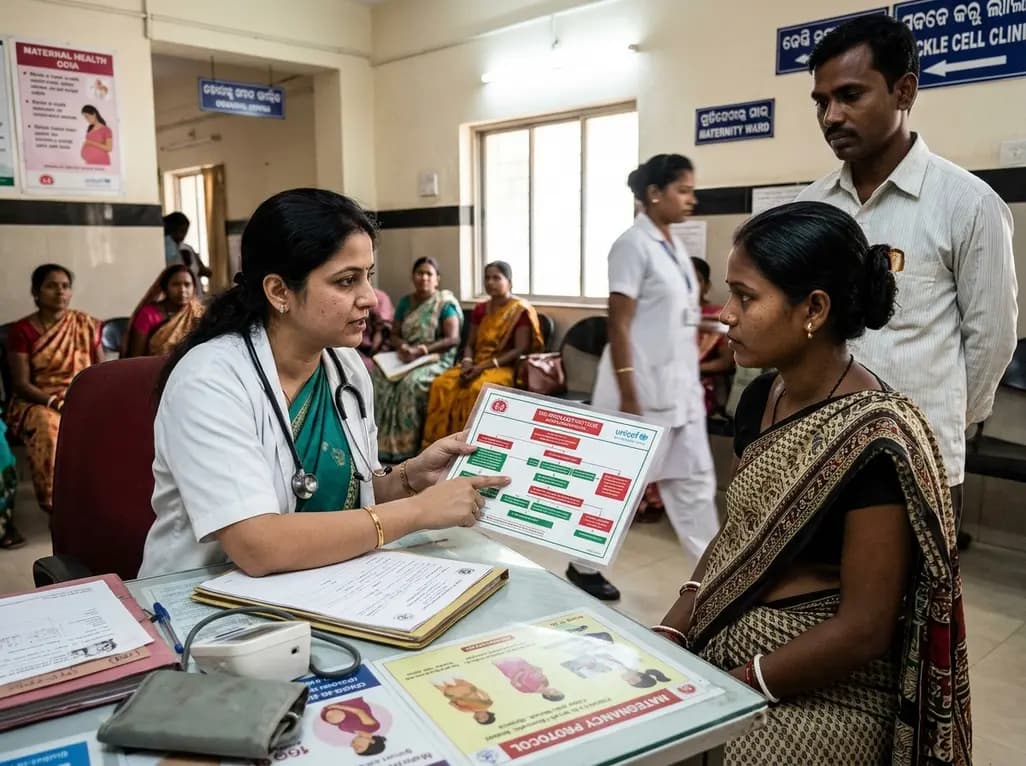
Odisha has established India's first state-level clinical protocol specifically tailored for pregnant women with sickle cell disease. Developed with NHM and UNICEF, the framework provides structured antenatal screening, crisis mitigation, standardized referral pathways, and specialized interdisciplinary care.
Today

India is advancing preventive healthcare by integrating genomics, artificial intelligence, and quantum technologies. With the SANGAM programme sequencing one million Indian genomes, clinicians can unlock personalized therapies, detect cardiometabolic risks early, and curb the burden of diabetes and heart disease.
Today
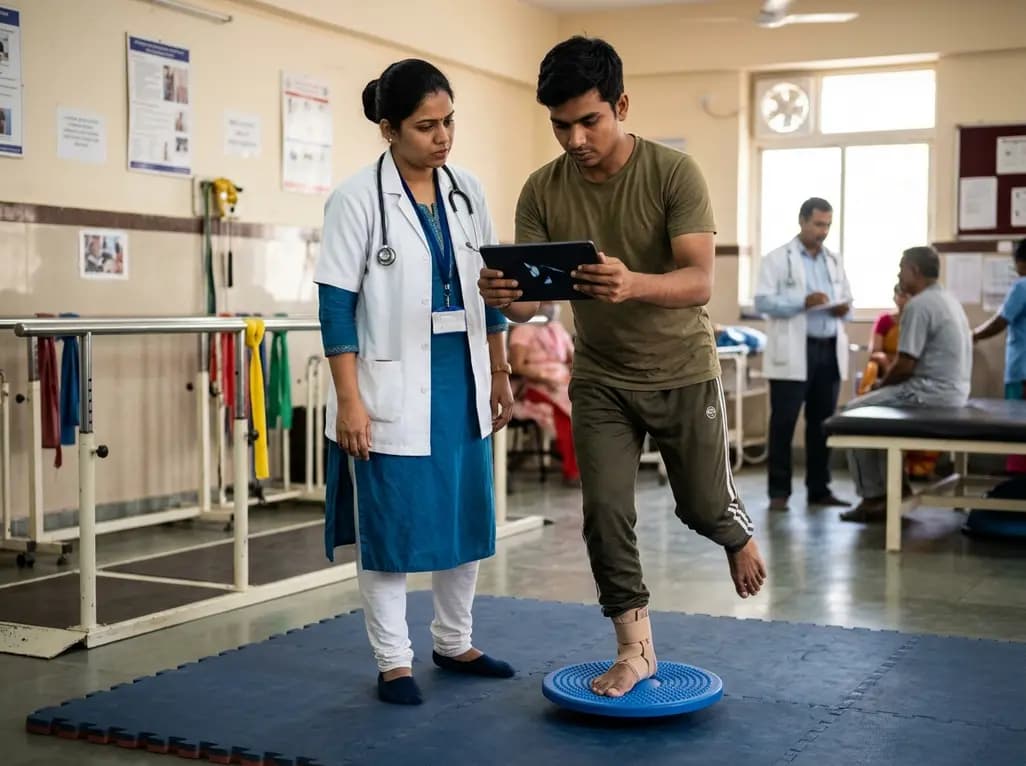
A randomized controlled trial demonstrates that an eight-week dual-task training intervention significantly improves static and dynamic postural control over standard balance exercises in individuals with chronic ankle instability, addressing critical neurocognitive deficits during athletic and daily activities.
Today

A retrospective cohort study of 7,716 ICU patients from the MIMIC-IV database demonstrates that Gradient Boosting Decision Trees significantly outperform traditional SOFA scores in predicting in-hospital mortality among patients with sepsis and diabetes, with SHAP analysis providing clinical interpretability.
Today
