.webp&w=384&q=75)

Loading, please wait...
Loading, please wait...

Contemporary healthcare often prioritizes technical solutions over ecological balance. However, the study of planetary health and traditional knowledge offers a more sustainable path. This systematic review emphasizes that traditional wisdom views nature and human health as inherently interconnected. Specifically, the researchers argue that modern systems must move beyond technical paradigms to ensure environmental longevity.
The authors developed their findings through a thematic synthesis of literature published over the last decade. Initially, they identified six themes, which they later collapsed into two overarching concepts: holistic wellbeing and epistemological pluralism. Holistic wellbeing suggests that human health depends entirely on the stability of the natural environment. In contrast, epistemological pluralism encourages the medical community to embrace diverse ways of knowing, including those found in Indigenous and traditional systems like AYUSH in India.
Many current healthcare systems generate significant waste and contribute heavily to global carbon emissions. Consequently, adopting a more inclusive paradigm could significantly reduce the environmental footprint of medical care. Furthermore, respecting local contexts and diverse cultures allows for more culturally sensitive treatment plans. Therefore, medical educators should consider integrating these holistic perspectives into the core curriculum. Ultimately, this approach fosters a healthcare system that respects nature while achieving optimal clinical outcomes for patients.
Planetary health recognizes that human civilization depends on healthy natural systems. Traditional knowledge complements this by offering a holistic worldview where nature and people are seen as a single, interconnected entity rather than separate parts.
Healthcare systems can become sustainable by adopting environmentally focused understanding. This includes reducing waste, lowering carbon footprints, and incorporating traditional ecological wisdom that emphasizes living in harmony with the environment.
It is the practice of acknowledging and valuing different systems of knowledge and medical philosophies. By embracing pluralism, clinicians can combine modern technical expertise with traditional, nature-centered approaches to improve patient wellbeing.
Disclaimer: This content is for informational and educational purposes only. It does not constitute professional medical advice, diagnosis, or treatment. Always seek the advice of your physician or other qualified health provider with any questions you may have regarding a medical condition. Refer to the latest local and national guidelines for clinical practice.
References
Abou El Ela J et al. Traditional knowledge, planetary health and healthcare: a systematic review. N Z Med J. 2026 Mar 13. doi: 10.26635/6965.6060. PMID: 41818762.
Harnessed Indigenous knowledges for health with traditional, complementary and integrative health systems. Frontiers in Medicine. 2025;12. doi: 10.3389/fmed.2025.14325.
"
Read summarized clinical updates, watch expert medical content, and earn CME certifications right from your smartphone.
Open your smartphone camera to scan and install.





A systematic review highlights the need for healthcare to adopt holistic wellbeing and respect diverse traditional knowledge for planetary health sustainabi...
7 months ago
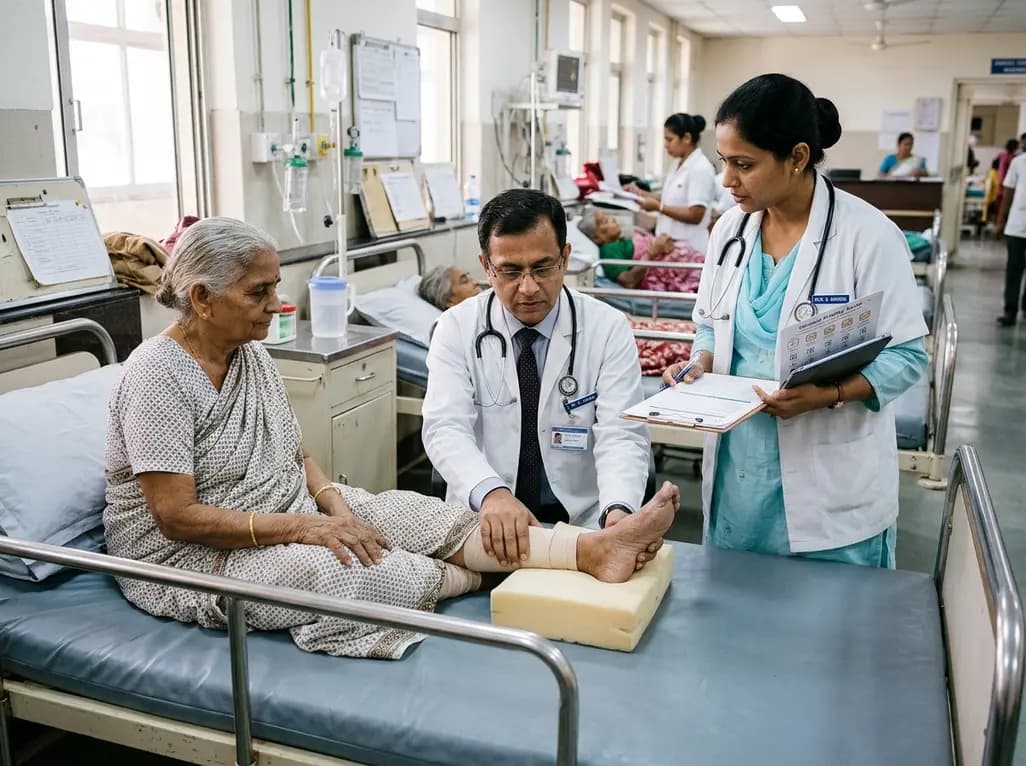
A retrospective cohort study reveals that frailty quadruples the odds of pressure injuries in hospitalized older adults. Integrating the Clinical Frailty Scale with comprehensive geriatric care is crucial for identifying vulnerability early and implementing targeted multidisciplinary prevention.
Today

Occult maternal malignancy accounts for 3.82% of persistent unreportable NIPT results with genomic noise. Multiple chromosomal aberrations, notably on chromosome 18, warrant thorough oncological evaluation and whole-body MRI to ensure timely maternal diagnosis while preserving fetal care.
Today

This article reviews the forensic and clinical complexities of acute myocarditis arising on left ventricular hypertrophy in children, highlighting early diagnostic red flags and multidisciplinary postmortem autopsy protocols.
Today
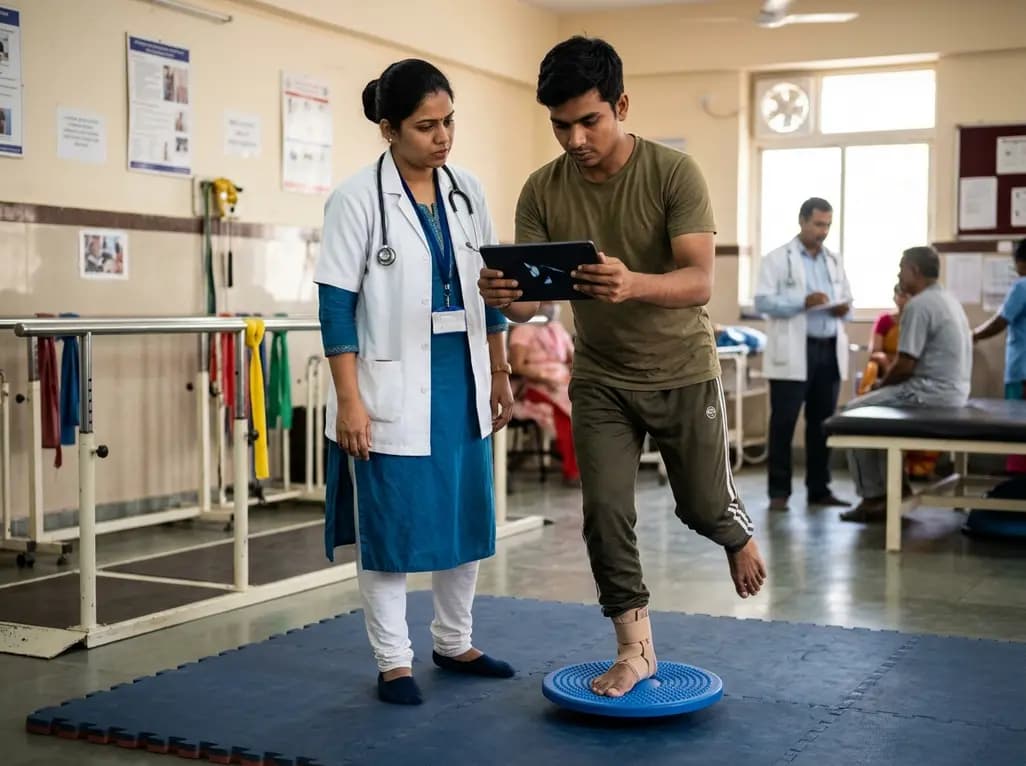
A randomized controlled trial demonstrates that an eight-week dual-task training intervention significantly improves static and dynamic postural control over standard balance exercises in individuals with chronic ankle instability, addressing critical neurocognitive deficits during athletic and daily activities.
Today

A retrospective cohort study of 7,716 ICU patients from the MIMIC-IV database demonstrates that Gradient Boosting Decision Trees significantly outperform traditional SOFA scores in predicting in-hospital mortality among patients with sepsis and diabetes, with SHAP analysis providing clinical interpretability.
Today
