.webp&w=384&q=75)

Loading, please wait...
Loading, please wait...
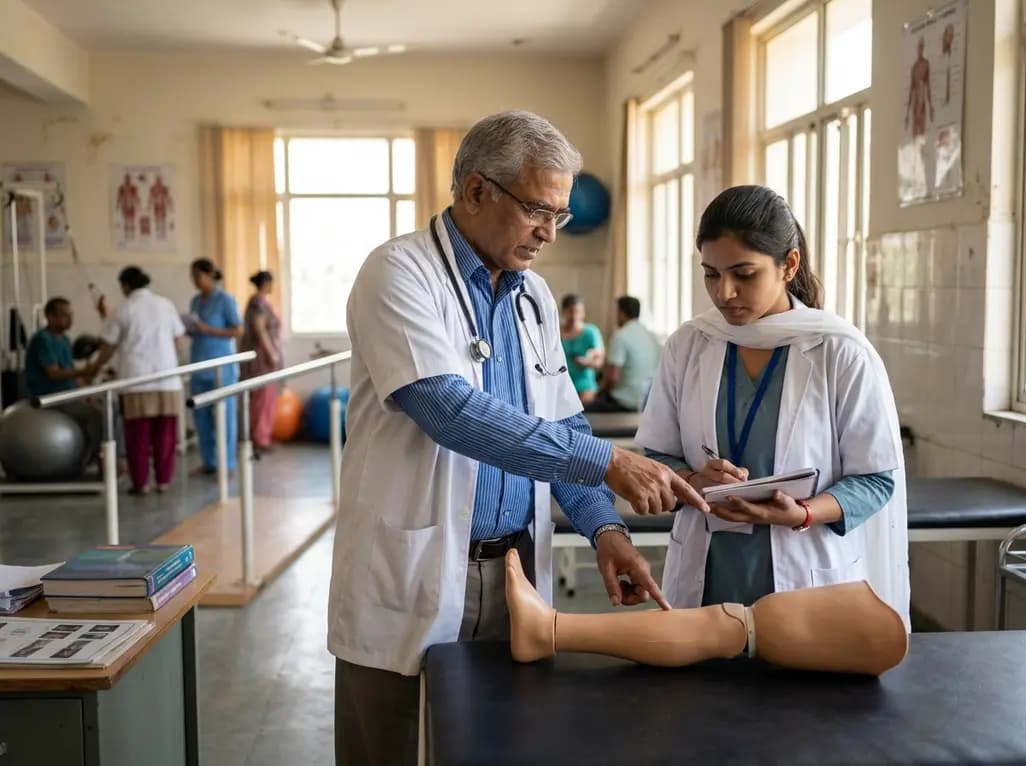
In the rapidly evolving landscape of modern healthcare, the role of a physical therapist has expanded far beyond traditional exercise prescription. As healthcare systems integrate more complex rehabilitative technologies and evidence-based protocols, maintaining clinical competency is no longer optional. Continuous Professional Development (CPD) serves as the backbone of high-quality patient care, ensuring that practitioners stay abreast of the latest medical advancements. However, for many clinicians, identifying specific physical therapy training needs can be a challenge. Targeted educational programs are necessary to bridge the gap between academic knowledge and clinical performance. Recent research conducted in Pakistan highlights that while clinicians view their roles as highly important, their perceived performance in specific domains often lags behind, creating significant training gaps that must be addressed through structured national frameworks.
The study employed the Hennessy-Hicks Training Needs Analysis questionnaire, a psychometrically validated tool designed to identify priorities for professional education. This framework categorizes professional activities into five distinct domains: research/audit, communication/teamwork, clinical tasks, administration, and management. By comparing the perceived importance of a task against the practitioner's current performance, researchers can calculate a "gap score." In the survey covering the provinces of Khyber Pakhtunkhwa and Sindh, importance scores were consistently high, ranging from 5.02 to 6.28 on a 7-point scale. Conversely, performance scores were significantly lower, particularly in non-clinical areas. This disparity indicates that while physical therapists recognize the value of these competencies, they feel under-equipped to execute them effectively. Such data is invaluable for policymakers looking to design curriculum reforms that mirror the real-world demands of the physical therapy profession.
The research identified several high-priority areas where training is urgently required. Specifically, significant gaps were found in research appraisal, amputation management, health promotion, and gait training. In the context of South Asian healthcare, where the burden of trauma and chronic conditions like diabetes-related amputations is high, proficiency in amputation management is critical. Therapists reported a strong need for better skills in wheelchair prescription and clubfoot management as well. Interestingly, research appraisal emerged as a persistent struggle. Many clinicians feel capable of treating patients but lack the confidence to critically evaluate clinical literature or conduct audits. This finding suggests that postgraduate training must move beyond manual skills to include robust training in evidence-based practice and scientific literacy to ensure that rehabilitation services are grounded in the latest global evidence.
Perhaps the most striking finding of the survey was the massive gap score of 4.37 in administrative tasks. This domain represents the largest area of perceived incompetence among the surveyed physical therapists. Administrative and management skills often take a backseat during undergraduate education, which focuses heavily on anatomy and therapeutic techniques. However, as therapists move into leadership roles or private practice, they are required to manage resources, supervise staff, and navigate complex healthcare systems. The study found that less experienced therapists were particularly vulnerable to these challenges. This highlight suggests that early-career clinicians need more than just clinical mentorship; they require specific training in health administration and organizational management. Strengthening these skills is essential for the professionalization of physical therapy and for improving the overall efficiency of rehabilitation departments in hospitals.
The intensive care unit (ICU) represents one of the most demanding environments for any healthcare professional. The survey indicated that physical therapy training needs in ICU management were "borderline," meaning clinicians feel they are just meeting the minimum requirements but lack the depth of expertise needed for high-stakes critical care. Effective ICU physiotherapy involves advanced knowledge of respiratory mechanics, ventilator settings, and the physiological impact of early mobilization. Since ICU survivorship is increasing, the demand for therapists who can manage complex pulmonary and neuromuscular weakness is also rising. The study advocates for specialized fellowships or intensive workshops specifically for critical care competencies. By focusing on the "Concentrate Here" quadrant of Importance-Performance Analysis (IPA), educators can prioritize these life-saving skills in their professional development calendars.
The ultimate goal of identifying training needs is to inform national policy and standardize rehabilitation services. The study concludes that training needs vary significantly based on a therapist's years of experience and their specific job role. Senior physical therapists typically require less research training but may need advanced leadership education, whereas junior therapists need broad support across all domains. There is a pressing need for national frameworks in Pakistan, and similarly in India, to standardize these competencies. Implementing such frameworks would allow for the creation of credentialing systems that ensure all therapists meet a minimum standard of care in high-need areas like amputation and gait analysis. Ultimately, these findings serve as a call to action for academic institutions to modernize their curricula and for professional associations to provide more accessible, targeted CPD opportunities.
Disclaimer: This content is for informational and educational purposes only. It does not constitute professional medical advice or a substitute for consultation with a qualified healthcare provider. Refer to the latest local and national guidelines for clinical practice.
References
Ullah I et al. Training needs of clinical physical therapists in provinces of Khyber Pakhtunkhwa and Sindh, Pakistan: A cross-sectional survey. Work. 2026 Jul 09. doi: 10.1177/10519815261459069. PMID: 42426577.
Hicks C, Hennessy D. The use of a customized training needs analysis tool for health care professionals. Public Money & Management. 2011;31(2):121-128.
World Physiotherapy. Pakistan Country Profile. 2023. Available from world.physio.
The study identified eight specific competencies with high training needs. These include research appraisal, amputation management, gait analysis, health promotion, wheelchair prescription, and clubfoot management. Most notably, the largest gap was found in administrative and management tasks. These findings indicate that while therapists are generally competent in basic clinical care, they require significant additional support to master specialized rehabilitation techniques and the non-clinical skills necessary for professional leadership and evidence-based practice.
Clinical experience plays a significant role in determining training priorities. The research demonstrated that less experienced therapists typically report much higher needs in administration and management domains compared to their senior counterparts. Conversely, senior clinicians often require less training in research-related tasks but may still face gaps in highly specialized clinical areas. This suggests that professional development programs must be tiered, offering foundational administrative training for early-career professionals and advanced clinical or leadership modules for veterans.
Research appraisal is a critical skill for evidence-based practice, yet many clinicians struggle with it due to limited emphasis during undergraduate education. The study found a notable gap between the importance therapists place on research and their actual performance. Proficiency in research allows therapists to evaluate the efficacy of new treatments and perform internal clinical audits. Closing this gap is essential for ensuring that rehabilitation services remain safe, effective, and aligned with the latest scientific discoveries globally.

Read summarized clinical updates, watch expert medical content, and earn CME certifications right from your smartphone.
Open your smartphone camera to scan and install.





A cross-sectional survey in Khyber Pakhtunkhwa and Sindh reveals significant training gaps for physical therapists in research appraisal, amputation management, and administrative tasks. The study emphasizes the need for targeted professional development, especially for early-career clinicians.
3 months ago
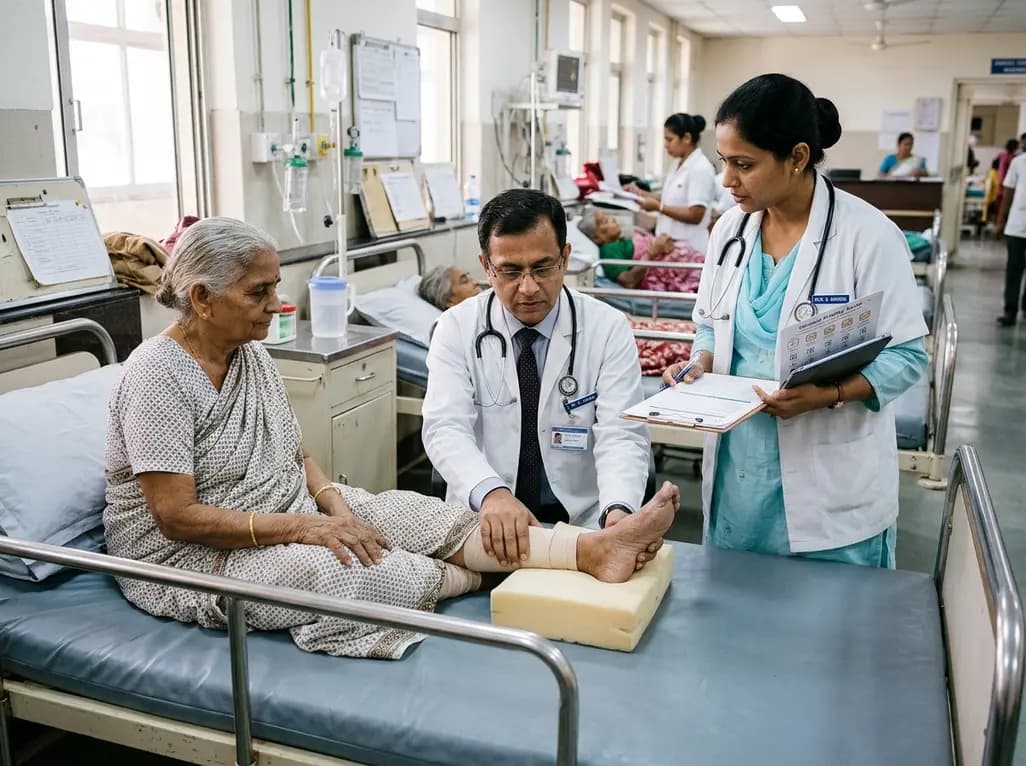
A retrospective cohort study reveals that frailty quadruples the odds of pressure injuries in hospitalized older adults. Integrating the Clinical Frailty Scale with comprehensive geriatric care is crucial for identifying vulnerability early and implementing targeted multidisciplinary prevention.
Today
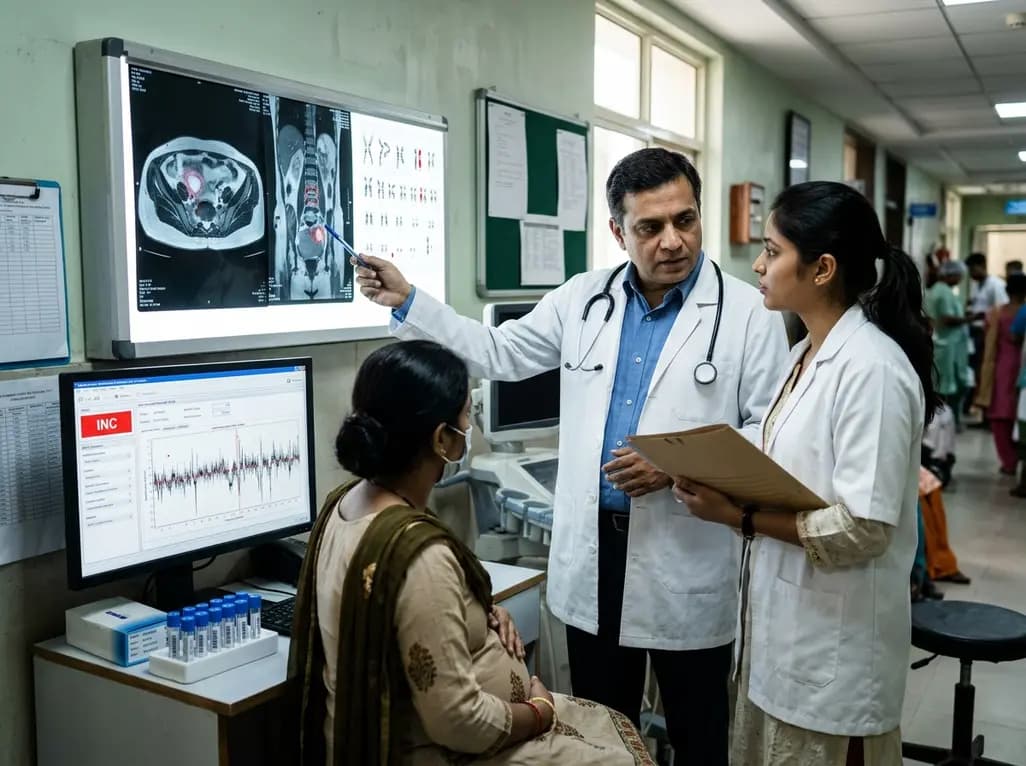
Occult maternal malignancy accounts for 3.82% of persistent unreportable NIPT results with genomic noise. Multiple chromosomal aberrations, notably on chromosome 18, warrant thorough oncological evaluation and whole-body MRI to ensure timely maternal diagnosis while preserving fetal care.
Today
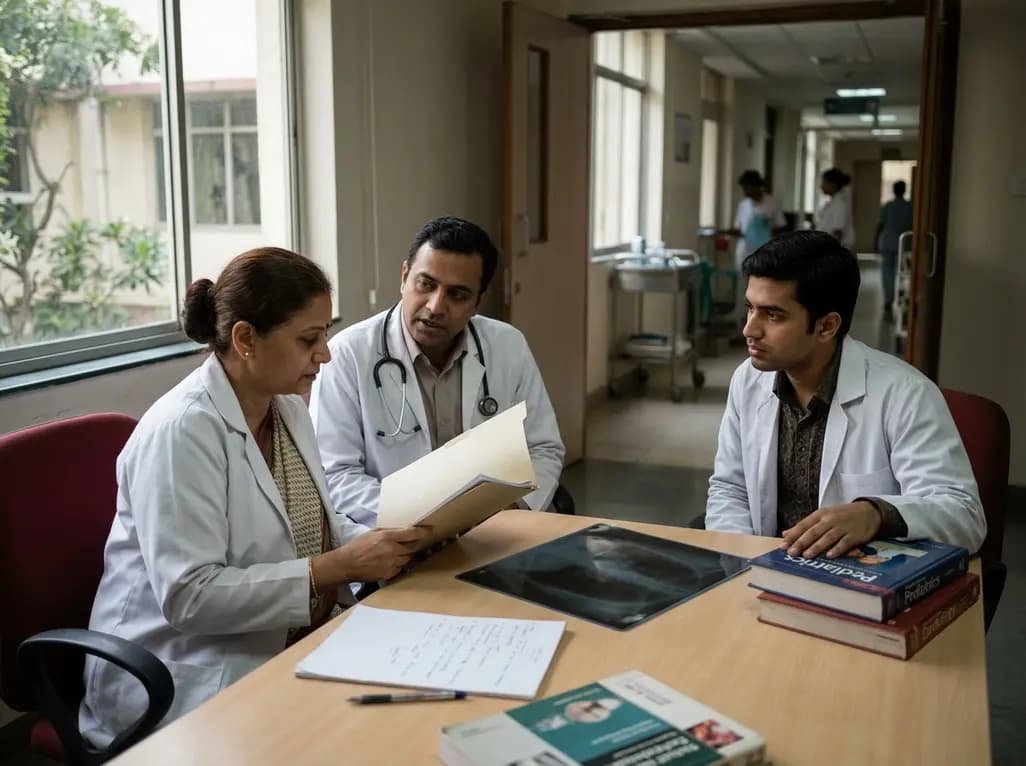
This article reviews the forensic and clinical complexities of acute myocarditis arising on left ventricular hypertrophy in children, highlighting early diagnostic red flags and multidisciplinary postmortem autopsy protocols.
Today
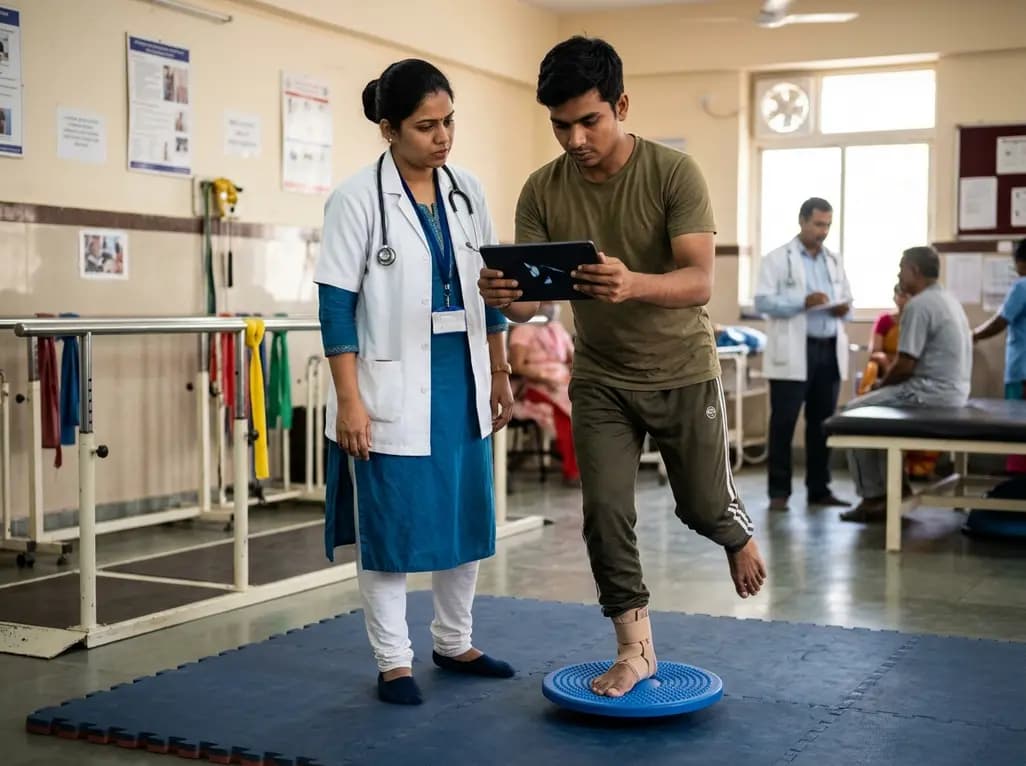
A randomized controlled trial demonstrates that an eight-week dual-task training intervention significantly improves static and dynamic postural control over standard balance exercises in individuals with chronic ankle instability, addressing critical neurocognitive deficits during athletic and daily activities.
Today

A retrospective cohort study of 7,716 ICU patients from the MIMIC-IV database demonstrates that Gradient Boosting Decision Trees significantly outperform traditional SOFA scores in predicting in-hospital mortality among patients with sepsis and diabetes, with SHAP analysis providing clinical interpretability.
Today
