.webp&w=384&q=75)

Loading, please wait...
Loading, please wait...
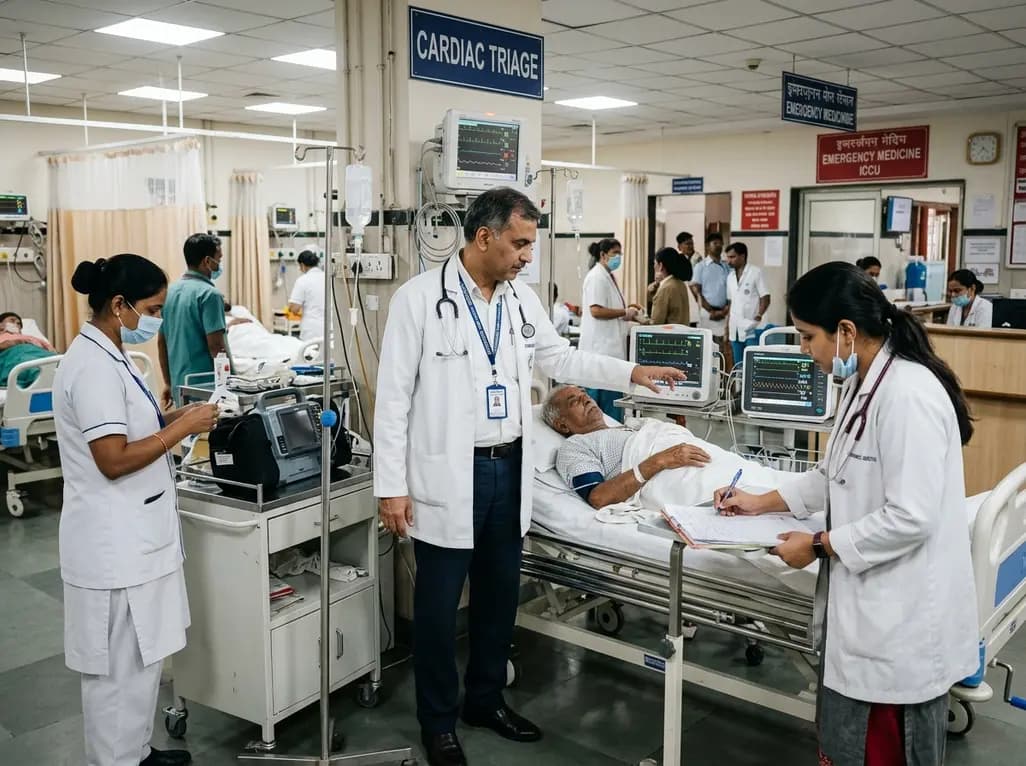
The Post Graduate Institute of Medical Education and Research (PGIMER) in Chandigarh has formally recommended that the Union Ministry of Health and Family Welfare adopt and standardize its innovative cardiac triage model across high-volume tertiary care centers nationwide. Developed to eliminate systemic delays in acute cardiovascular emergencies, this independent pathway operates separately from the general emergency block. During its initial five months of operation, the facility demonstrated outstanding clinical efficacy and resource optimization. Consequently, health authorities now view this paradigm as a vital blueprint for national emergency medical care.
Tertiary care hospitals across India regularly face overwhelming patient congestion in their central emergency departments. Consequently, individuals suffering from acute, time-sensitive cardiovascular conditions often compete for physical space and clinical attention with general medical, surgical, and trauma patients. In acute coronary syndromes or malignant arrhythmias, every minute of delay increases myocardial damage and elevates mortality risks. Therefore, hospital administrators recognized that conventional, undifferentiated triage pathways cannot consistently achieve optimal door-to-balloon times.
To address these vulnerabilities, PGIMER established a specialized cardiac emergency service directly within its Advanced Cardiac Centre. By creating an independent clinical point of entry, the institute separated acute heart cases from the chaotic traffic of Nehru Hospital's main emergency department. Furthermore, the specialized triage environment allows cardiology specialists to evaluate arriving patients immediately. Rapid electrocardiograms and focused bedside assessments occur within minutes of patient presentation. As a result, critical clinical decisions happen without bureaucratic friction or transfer delays. This targeted operational shift provides immediate access to specialized cardiovascular care. Ultimately, the system safeguards the critical golden hour for thousands of vulnerable patients.
The operational architecture of the cardiac triage model emphasizes rapid clinical stratification and swift disposition. Specifically, experienced clinical teams evaluate every presenting individual to determine disease acuity within minutes of arrival. High-acuity patients who require emergent coronary intervention or advanced intensive monitoring bypass administrative queues. They move directly into the Coronary Care Unit or the cardiac catheterization laboratory.
Meanwhile, patients presenting with atypical chest pain or non-coronary issues receive targeted diagnostic screening directly within the triage zone. Notably, the unit incorporates point-of-care diagnostics, continuous cardiac telemetry, and rapid cardiac biomarker testing. These integrated tools allow clinicians to rule out life-threatening conditions safely and expeditiously. Furthermore, the unit acts as an efficient diagnostic filter for non-cardiac conditions. When clinicians identify gastrointestinal, musculoskeletal, or primary pulmonary disorders, they redirect those patients to appropriate medical units. In addition, the pathway facilitates smooth routing to outpatient cardiology clinics for stable individuals. This systematic segregation preserves high-dependency coronary beds exclusively for unstable patients who require urgent medical intervention.
Between March 9 and July 29, the dedicated unit attended to 3,049 emergency cardiac patients exclusively. Despite handling an enormous volume of complex cases, the service achieved a remarkably low overall mortality rate of just 0.5 percent, recording only 16 patient deaths. These figures highlight exceptional clinical precision and rapid therapeutic intervention under intense volume pressure. Moreover, patient volumes grew steadily during this period, rising from roughly 100 individuals per week in March to more than 200 cases per week by July.
Data analysis revealed that the triage protocol successfully stratified patients across multiple distinct care pathways. Specifically, 1,108 patients, representing 36.3 percent of total arrivals, experienced immediate escalation to the Coronary Care Unit for intensive therapy. Additionally, the unit facilitated urgent primary percutaneous coronary interventions (PCI) for patients suffering from acute ST-elevation myocardial infarction. Another 30 unstable patients were admitted to the heart command emergency for stabilization, while 85 patients moved directly to specialized cardiology outpatient clinics. Most importantly, the unit achieved these outcomes while maintaining consistent survival rates despite doubling its weekly patient influx.
Beyond direct mortality benefits, the dedicated cardiac service delivered substantial operational relief to the broader hospital infrastructure. Historically, undifferentiated emergency rooms struggle with bed block and severe crowding when low-risk chest pain cases occupy critical observation beds. In contrast, the dedicated cardiac unit managed 1,513 patients—constituting 49.6 percent of the total cohort—conservatively on an outpatient basis. Clinicians safely discharged these individuals directly from triage following comprehensive assessment.
Consequently, this streamlined approach prevented hundreds of unnecessary hospital admissions and preserved inpatient beds for high-risk patients. Furthermore, the unit functioned as an accurate diagnostic barrier, identifying non-cardiac pathologies in 298 patients (9.8 percent of the total volume). Clinicians promptly redirected these individuals to the main Nehru Hospital emergency room for targeted non-cardiac care. Therefore, the specialized facility eliminated redundant cross-consultations and expedited care across all hospital departments. Main emergency clinicians could focus their attention on polytrauma, sepsis, and acute surgical emergencies without cardiac overburden. This dynamic demonstrates that specialized emergency triage simultaneously elevates cardiovascular outcomes and strengthens overall institutional efficiency.
Given the impressive clinical outcomes in Chandigarh, PGIMER leadership has submitted formal documentation to the Union Health Ministry urging nationwide adoption. India faces an escalating epidemic of cardiovascular diseases, with ischemic heart disease causing significant premature morbidity and mortality. Therefore, establishing standardized cardiac emergency triage pathways in tertiary medical colleges and district hospitals represents an urgent public health priority.
To replicate this success, national healthcare planners must develop uniform infrastructure benchmarks, structured training modules, and dedicated staffing protocols. Emergency physicians and nursing officers require standardized training in rapid ECG interpretation, risk stratification scoring, and advanced cardiac life support protocols. Additionally, tertiary centers must establish direct physical connections between specialized triage bays and coronary catheterization suites to minimize transfer delays. Telecardiology networks can also link peripheral centers with central triage hubs, enabling expert guidance during early evaluation. Consequently, national standardisation of this triage framework will expand equitable access to life-saving cardiac care across urban and rural healthcare ecosystems.
Q1: What is the primary objective of the dedicated cardiac triage model?
The primary objective of the cardiac triage model is to provide rapid, specialized risk stratification for patients experiencing acute cardiovascular symptoms. By operating independently from general emergency departments, the unit minimizes clinical delays, optimizes the golden hour for acute coronary syndromes, and directs critical patients directly to specialized intensive care units while preventing unnecessary hospital admissions for low-risk individuals.
Q2: How does dedicated cardiac triage reduce overall hospital mortality?
The dedicated unit reduces hospital mortality by eliminating administrative and diagnostic bottlenecks that delay urgent revascularization. Dedicated cardiologists and emergency teams immediately conduct bedside electrocardiograms and cardiac biomarker assessments. Consequently, high-risk patients suffering from myocardial infarction or acute instability receive swift intervention, including primary percutaneous coronary intervention, which drastically lowers complications and achieves exceptional survival rates.
Q3: How does the triage framework prevent emergency department overcrowding?
The triage framework prevents emergency room overcrowding by functioning as a specialized diagnostic filter. In the PGIMER experience, clinicians safely managed and discharged nearly half of all presenting patients on an outpatient basis after ruling out acute coronary events. Furthermore, the unit redirected non-cardiac cases to general emergency services, thereby conserving high-dependency beds and diagnostic resources for critical patients.
Disclaimer: This content is for informational and educational purposes only. It does not constitute medical advice or replace professional judgment. Refer to the latest local and national guidelines for clinical practice.
References

Read summarized clinical updates, watch expert medical content, and earn CME certifications right from your smartphone.
Open your smartphone camera to scan and install.





PGIMER Chandigarh has submitted clinical evidence to the Union Health Ministry advocating for national adoption of its dedicated cardiac triage model, which managed over 3,000 acute cardiac patients with a remarkably low 0.5% mortality rate while optimizing emergency resource utilization.
last month
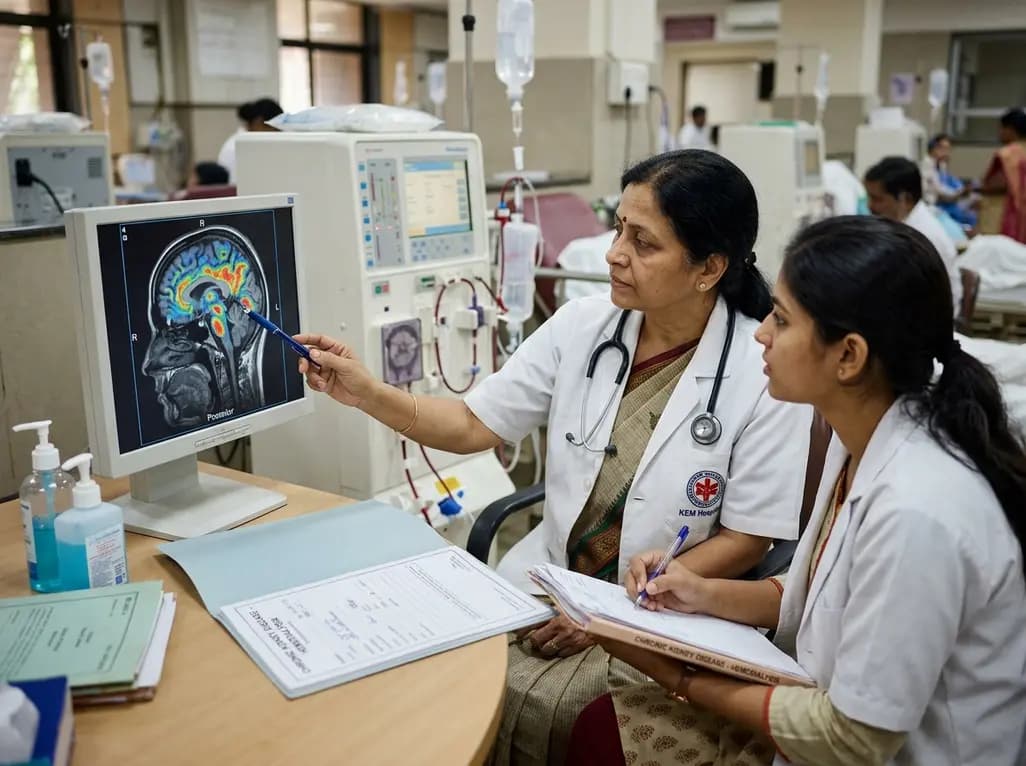
A retrospective clinical analysis reveals that hemodialysis-associated cognitive dysfunction arises from synergistic pathological mechanisms, including severe chronic anemia, worsening renal clearance, abnormal regional brain iron deposition, and an imbalance between neuroinflammatory and neurotrophic factors.
Today
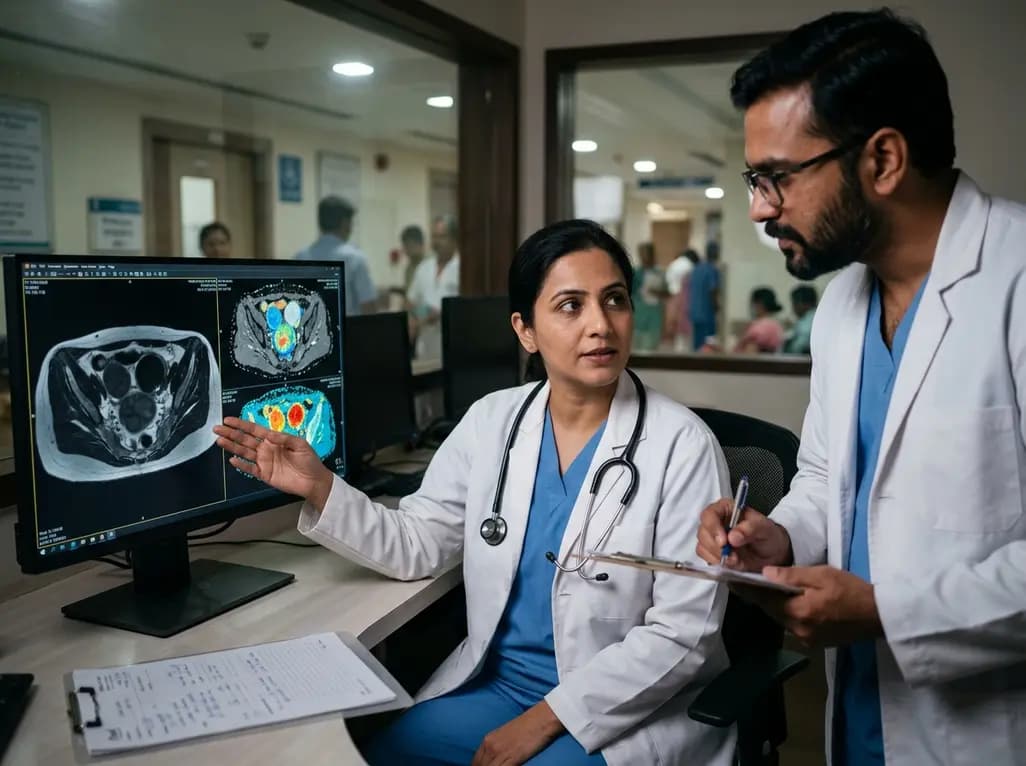
A multiparametric MRI approach combining quantitative T2 shading, apparent diffusion coefficient (ADC) measurements, and morphological signs provides superior diagnostic accuracy over subjective evaluation to differentiate ovarian endometriomas from benign hemorrhagic cysts.
Today
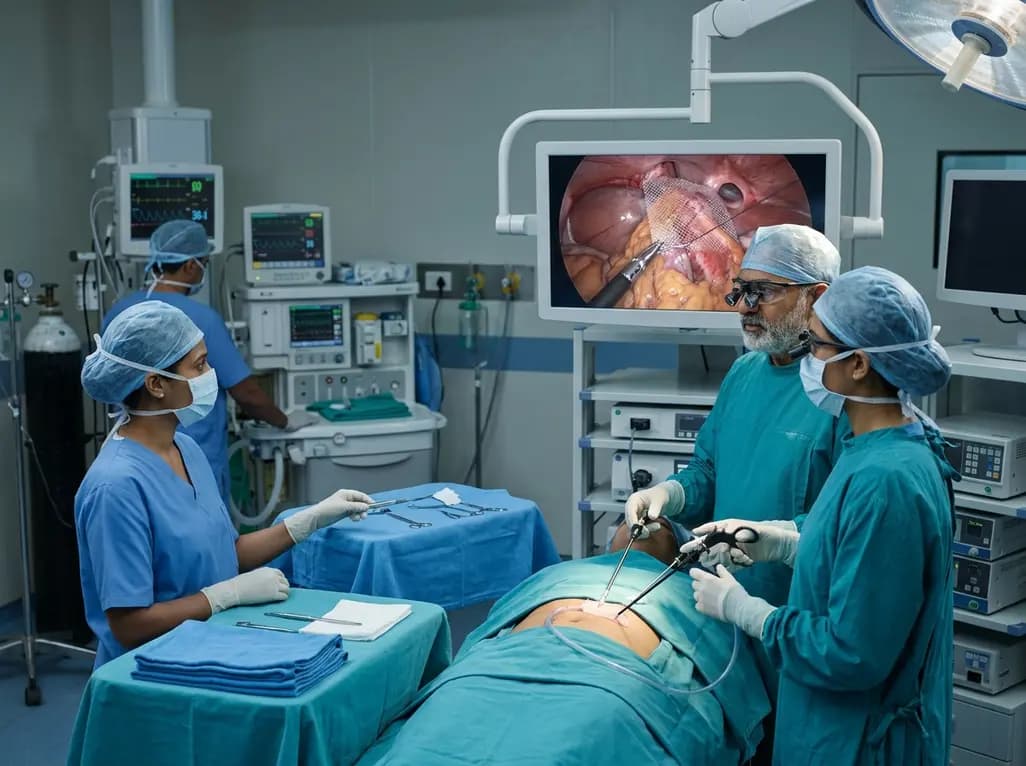
Discover a novel laparoscopic approach for iatrogenic diaphragmatic hernia repair following pedicled omentoplasty. This modified Sugarbaker technique integrates dorsal pedicle lateralization and round ligament reinforcement to secure the diaphragmatic defect while preserving vital omental vascularity.
Today
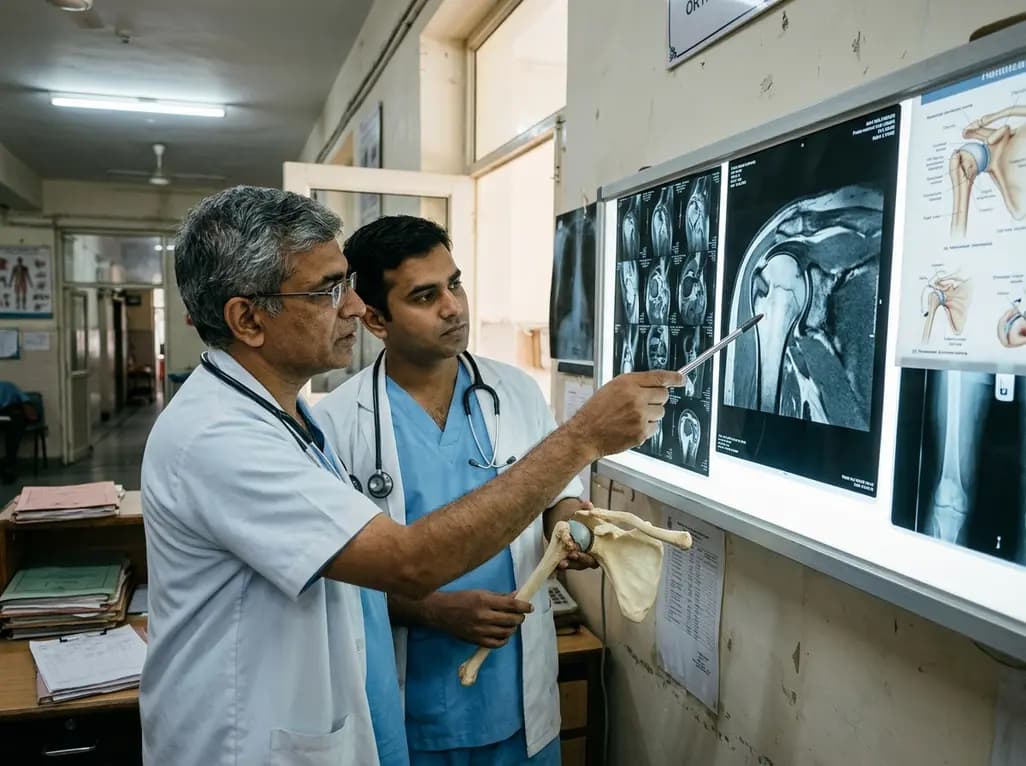
Evaluating Hill-Sachs lesion size and the distance to dislocation is critical in recurrent shoulder instability. As bone loss concepts shift from binary on-track classifications to continuous risk assessment, clinicians must identify when isolated Bankart repair is insufficient and supplementary procedures are needed.
Today
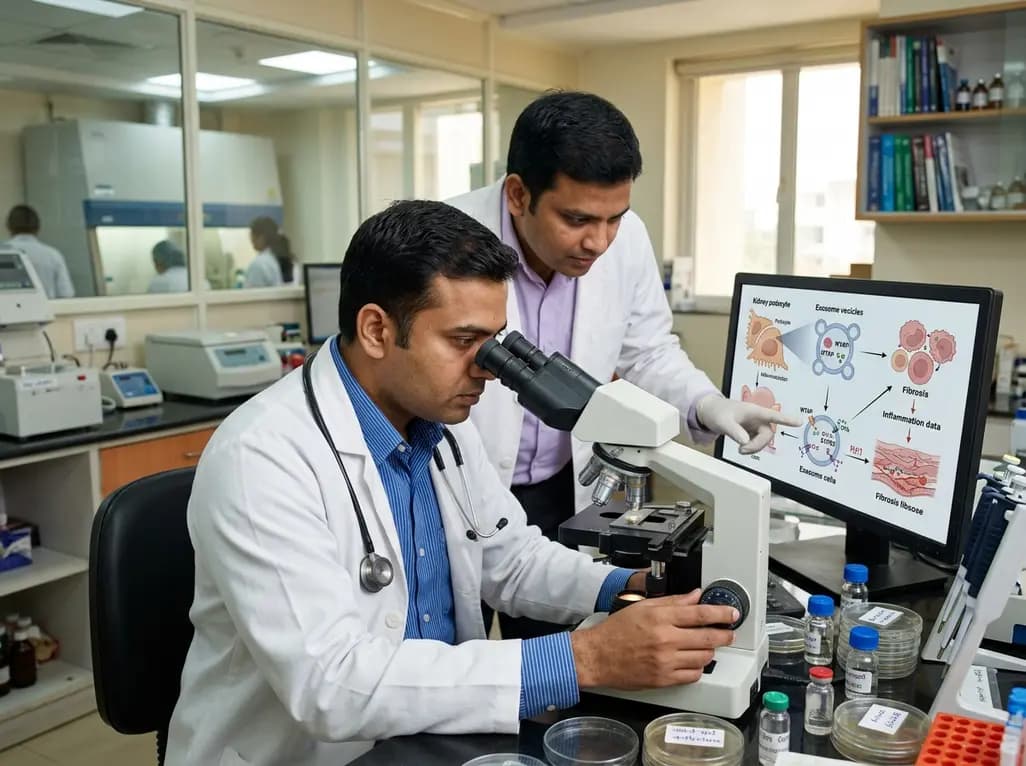
New research reveals that M1 macrophage-derived exosomes aggravate diabetic nephropathy by transferring WTAP to stabilize S1PR2 mRNA. Silencing WTAP in these vesicles attenuates endothelial injury and renal fibrosis, pointing toward innovative nanomedicine therapies.
Today
