.webp&w=384&q=75)

Loading, please wait...
Loading, please wait...
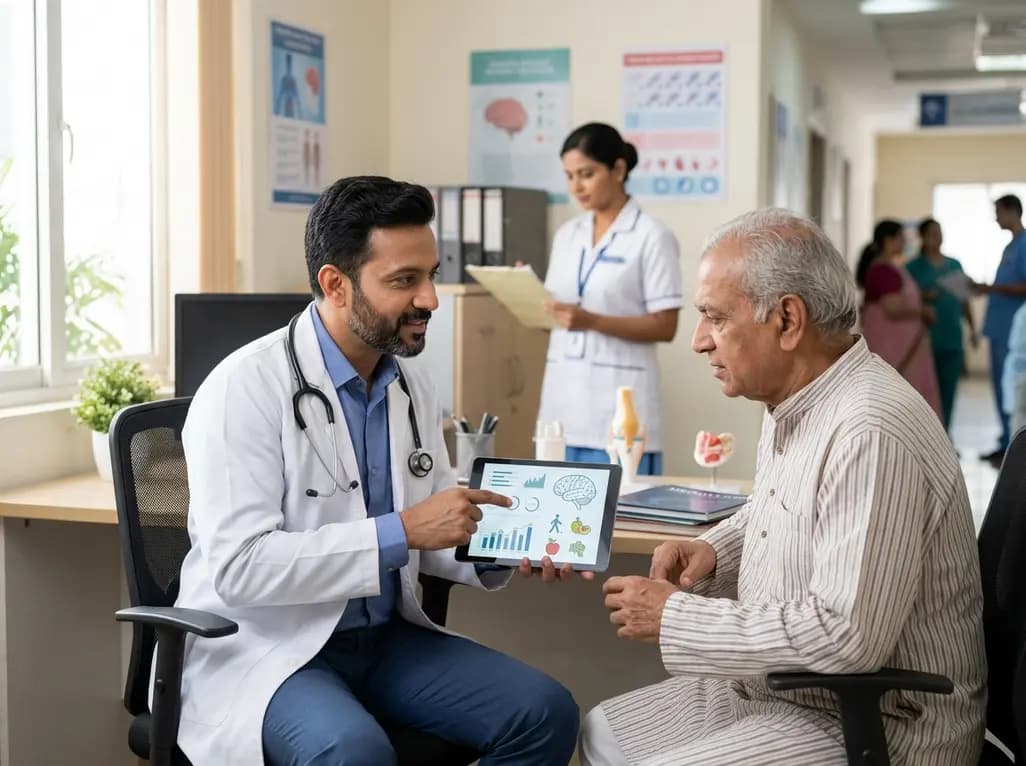
The global burden of dementia is increasing at an alarming rate, affecting over fifty-seven million individuals worldwide. Furthermore, experts predict this staggering figure will triple by the year 2050. This surge will undoubtedly place an immense strain on healthcare systems, families, and economies. Consequently, healthcare providers must look closely at proactive, preventive healthcare measures. Fortunately, clinical research indicates that almost half of all dementia cases are highly preventable. We can prevent these cases simply by aggressively addressing modifiable risk factors throughout a patient\'s lifespan. These factors include physical inactivity, midlife obesity, smoking, depressive episodes, and elevated low-density lipoprotein cholesterol. Clinicians in general practice play a crucial role in identifying these risks early. However, passive information delivery rarely translates into meaningful behavioral changes for these patients. To bridge this clinical gap, we must implement more engaging, interactive, and personalized dementia prevention strategies. By actively targeting risk factors, primary care physicians can help mitigate cognitive decline in aging populations. Therefore, understanding the behavioral science behind lifestyle modification is essential for modern medical practice.
Large-scale public health campaigns frequently succeed in reaching broad audiences. However, they consistently fail to produce sustainable, long-term behavior changes in high-risk individuals. Passive media broadcasts and educational brochures may slightly improve general public knowledge. Unfortunately, these passive methods do not provide the personal motivation required for lifestyle modification. Specifically, individuals often face substantial real-world barriers that prevent them from adopting healthier daily habits. These barriers commonly include a lack of personal time, financial constraints, and low personal motivation. Additionally, many people still believe that cognitive decline is an unavoidable consequence of natural biological aging. This widespread misconception prevents patients from seeking preventive interventions or modifying their current daily routines. Consequently, clinicians must move beyond simple informational pamphlets. We must replace passive instruction with interactive, community-led programs that directly address individual barriers. Moreover, evidence shows that passive lecturing in clinical settings is equally ineffective. Healthcare providers should instead utilize structured risk assessments coupled with active patient goal-setting. This shift from simple awareness to active engagement is critical for modifying behavioral patterns.
To drive genuine lifestyle changes, medical practitioners must employ personalized dementia prevention strategies that actively engage patients. Recent international analyses show that multi-component interventions are far superior to standard care. Specifically, the most successful clinical programs combine comprehensive risk profiling with structured, tailored education modules. This dual approach has achieved a remarkable twenty-six percent reduction in modifiable risk factors over three years. Additionally, online e-learning platforms and interactive digital courses offer patients accessible ways to track their cognitive and physical health. Clinicians should also leverage community-based support networks to help patients sustain their lifestyle modifications over time. Consequently, personalized risk communication must become a standard part of routine health checkups. For instance, when a patient presents with hypertension or hyperlipidemia, the doctor should discuss the long-term impact of these conditions on brain health. Furthermore, providing tailored action plans helps patients overcome barriers like low motivation. By offering concrete, achievable steps, we empower patients to take control of their cognitive future. Ultimately, these interactive models transform passive clinical advice into active daily practices, establishing a new standard for preventive care.
Recent longitudinal research has highlighted the critical role of body composition and muscle health in cognitive preservation. Specifically, a major decade-long study tracking nearly five hundred thousand adults revealed that sarcopenic obesity significantly elevates dementia risk. This condition is characterized by a combination of low muscle strength and excess body fat. Interestingly, obesity on its own does not increase dementia risk if an individual preserves their muscle strength. Therefore, the loss of skeletal muscle mass and function represents a key modifiable hazard that clinical teams must target. In contrast, standard clinical assessments often focus solely on body mass index and weight loss. This narrow focus can cause clinicians to overlook sarcopenic obesity, leaving patients vulnerable to cognitive decline. Consequently, healthcare providers must begin assessing muscle strength using practical, low-cost tools like handgrip dynamometers. Additionally, encouraging progressive resistance training is crucial for preserving muscle mass in aging populations. By focusing on body composition rather than weight alone, clinicians can offer far more precise therapeutic advice. Protecting muscle health must therefore become a cornerstone of comprehensive geriatric care and long-term neurodegenerative risk reduction.
Implementing these advanced prevention models within the Indian healthcare system requires a culturally tailored, pragmatic approach. For instance, public health initiatives in India must account for unique dietary patterns, socioeconomic diversities, and local community structures. Additionally, primary care physicians often face high patient volumes, which limits the time available for detailed counseling. Therefore, incorporating digital health tools and mobile applications can greatly extend a clinician\'s reach. Furthermore, community health workers can deliver personalized education directly to families, bypassing clinical time constraints. This collaborative model is highly effective for addressing widespread metabolic conditions, including type two diabetes and physical inactivity. Moreover, raising awareness about sarcopenic obesity is particularly vital in India, where cardiovascular and metabolic risks are high. Clinicians should actively recommend traditional resistance-based activities alongside balanced nutritional advice rich in quality protein. Consequently, combining family-centric counseling with interactive digital tools can bridge the gap between awareness and behavior. By adopting these localized approaches, Indian healthcare providers can effectively reduce the projected burden of cognitive decline across the country. Ultimately, proactive, community-driven care is key to securing healthy aging for millions of citizens.
Q1: What is sarcopenic obesity and how does it relate to cognitive decline?
Sarcopenic obesity is a specific physical condition defined by the simultaneous presence of low skeletal muscle mass or strength and high body fat. Recent longitudinal research reveals that this combination increases the risk of developing dementia. Conversely, obesity alone does not raise cognitive risks if muscle strength remains fully preserved. Therefore, clinicians must focus on physical strength assessments rather than body mass index alone to evaluate risk accurately.
Q2: Why are standard health awareness campaigns ineffective at reducing dementia risk?
Standard awareness campaigns typically deliver generic health information in a passive format, which fails to inspire active behavioral change. While these campaigns reach large audiences, they rarely help patients overcome individual barriers such as a lack of time, financial constraints, or low personal motivation. Consequently, interactive, community-driven, and personalized education programs are required. These structured models have demonstrated much success in modifying patient lifestyles and reducing risk factors.
Q3: How can primary care physicians in India incorporate personalized dementia prevention?
Primary care physicians can introduce quick, standardized risk profiles during routine health checks to assess modifiable cognitive risks. Additionally, leveraging digital health tools like mobile applications can help patients monitor their physical activity, diet, and cardiovascular health. Since clinical time is limited, doctors should also utilize trained community health workers to deliver tailored educational support. This collaborative approach ensures patients receive the continuous encouragement needed for lasting lifestyle modifications.
Disclaimer: This content is for informational and educational purposes only. It does not constitute medical advice or replace professional judgment. Refer to the latest local and national guidelines for clinical practice.
References

Read summarized clinical updates, watch expert medical content, and earn CME certifications right from your smartphone.
Open your smartphone camera to scan and install.





A comprehensive clinical review on why interactive and personalized dementia prevention strategies outperform passive campaigns. Learn to identify key modifiable risks, including sarcopenic obesity, and discover practical methods to implement engaging, community-driven behavioral modifications in your daily practice.
3 months ago

A landmark 12-year longitudinal study highlights significant reductions in opioid prescribing for nonspecific low back pain following clinical guidelines and prescription monitoring systems, emphasizing non-opioid multimodal pain care.
Today
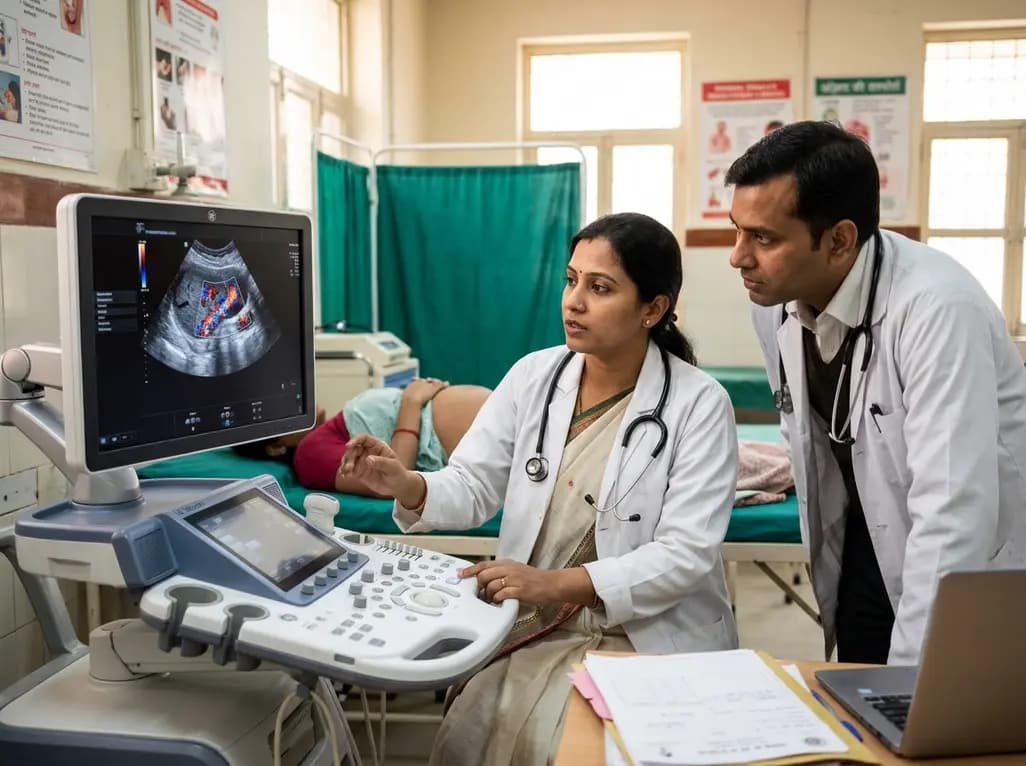
A study in Ultrasound in Obstetrics & Gynecology shows that quantitative vascularization of the anterior fornix/cervix with transvaginal ultrasound reliably identifies placenta accreta spectrum and predicts severe intraoperative hemorrhage, offering vital objective risk stratification.
Today
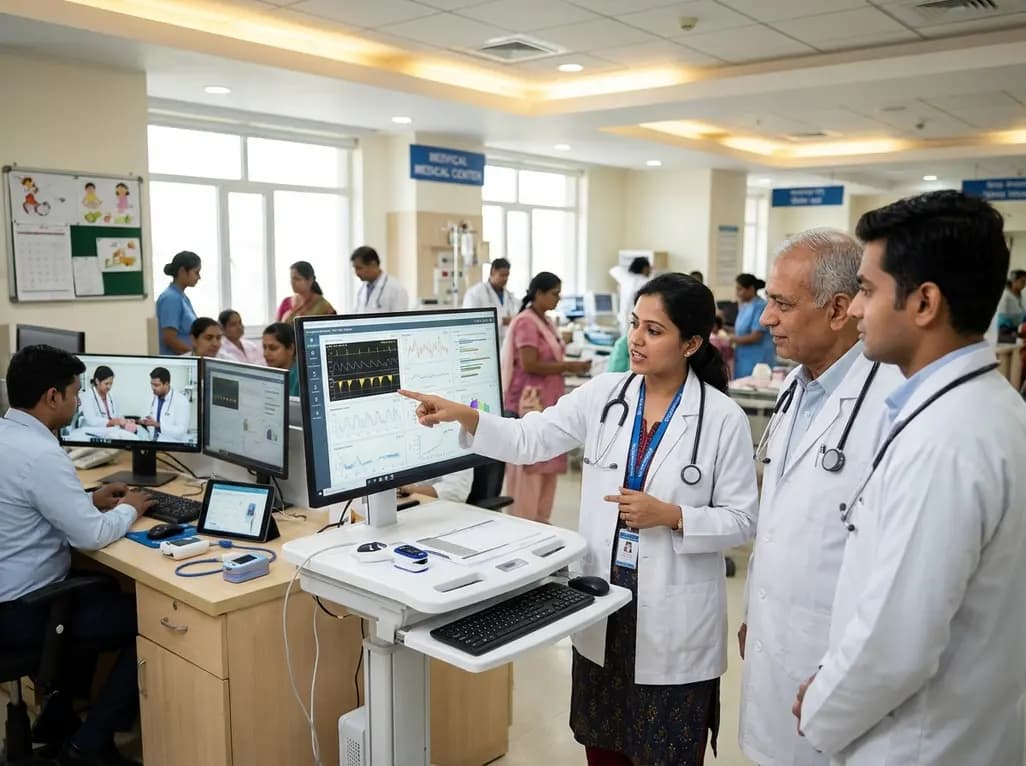
A landmark study details how an enterprise pediatric remote patient management model expanded from a single cardiology pilot to 16 diverse specialty programs by combining centralized digital operations with specialty clinical leadership.
Yesterday
A breakthrough study shows that 3D-planned corrective osteotomy successfully resolves distal radioulnar joint instability in pediatric diaphyseal forearm malunions. The precise osseous realignment eliminates chronic wrist pain and restores joint function without requiring secondary soft-tissue reconstruction.
Today
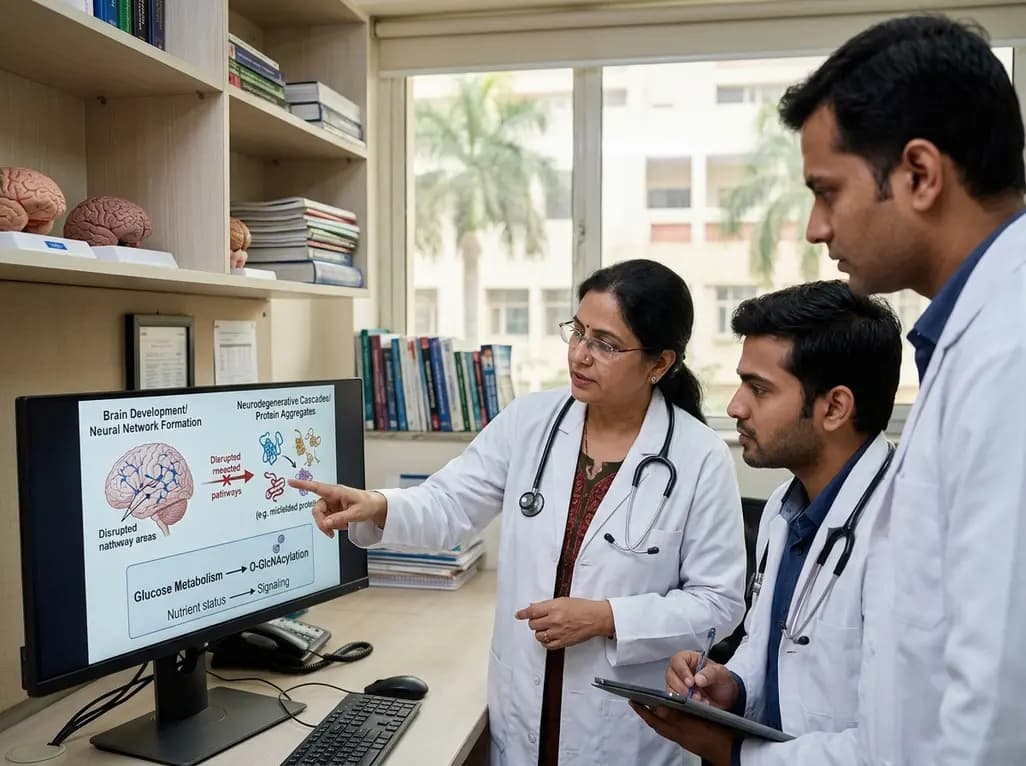
Protein O-GlcNAcylation couples cellular nutrient status to vital neuronal functions. This review explores how disrupted O-GlcNAc cycling drives both neurodevelopmental delays and neurodegenerative cascades, positioning metabolic post-translational modifications as therapeutic targets in clinical neurology.
Today
