.webp&w=384&q=75)

Loading, please wait...
Loading, please wait...

Periodontal disease is a widespread inflammatory condition that compromises tooth-supporting structures, yet its functional impact on daily ingestion often remains overlooked. Recent evidence highlights the profound link between periodontitis and oral functions that are essential for eating, swallowing, and nutritional health. Historically, clinicians have focused primarily on clinical attachment loss, probing pocket depths, and alveolar bone destruction. However, progressive periodontal destruction fundamentally degrades the biomechanical apparatus required for efficient food processing. As inflammatory cytokines degrade periodontal ligaments and alveolar bone, tooth mobility rises and sensory feedback diminishes. Consequently, patients experience substantial disruptions in their daily ingestion capabilities. Recognizing the broader systemic and functional consequences of periodontal disease allows clinicians to adopt comprehensive, function-oriented treatment models that restore chewing efficiency, salivary health, and overall quality of life.
Periodontal tissues contain specialized mechanoreceptors within the periodontal ligament that regulate the magnitude and direction of biting forces during mastication. When chronic periodontitis destroys these supportive collagen fibers and surrounding alveolar bone, the sensory-motor loop of the stomatognathic system becomes severely dysregulated. In addition, localized pain, hypermobility, and pathological tooth migration cause patients to alter their habitual chewing cycles unconsciously. Because patients avoid applying force on compromised teeth, they tend to shift chewing loads to less stable areas of the dental arch. This maladaptive compensation further strains remaining functional units and accelerates joint fatigue in the temporomandibular complex. Moreover, chronic low-grade inflammation releases systemic cytokines that can alter muscular tone and soft tissue coordination. Thus, the progressive loss of structural support not only destabilizes individual teeth but also compromises coordinated neuromuscular patterns necessary for initial food capture, bolus preparation, and safe swallowing.
Saliva serves as a crucial physiological vehicle that facilitates taste perception, lubricates the oral mucosa, and initiates enzymatic breakdown of food. Meta-analytic evidence reveals that individuals with periodontitis experience a statistically significant reduction in both resting and stimulated salivary flow rates compared to healthy controls. Persistent inflammation within the gingival tissues and elevated systemic inflammatory markers may impair normal salivary gland secretion. Furthermore, chronic inflammation alters salivary composition, reducing mucin concentration and digestive enzymes that are essential for food bolus formation. When salivary flow drops, patients experience dry mouth sensations, impaired taste perception, and increased difficulty swallowing dry or fibrous food textures. This xerostomic state creates a vicious cycle, because reduced salivary clearing exacerbates plaque accumulation and accelerates periodontal breakdown. Therefore, assessing salivary volume and gland responsiveness should form a standard component of routine periodontal evaluations to prevent secondary nutritional compromises.
Chewing efficiency relies directly on the maximum bite force generated by the jaw elevator muscles and the stable distribution of occlusal contact points. Research demonstrates that severe periodontal breakdown causes a profound reduction in objective maximum bite force and overall masticatory performance. Because periodontal ligament mechanoreceptors provide vital inhibitory feedback that protects teeth from excessive loads, progressive attachment loss blunts these sensory responses. As a result, patients generate significantly weaker chewing forces to avoid discomfort or mobile tooth displacement. Consequently, patients cannot effectively comminute tough, fibrous, or nutrient-dense foods such as raw vegetables, nuts, and meats. This inability to form an adequate food bolus increases gastric transit time and impairs nutrient absorption downstream. In addition, patients frequently switch to softer, processed carbohydrates that require minimal chewing, which increases their risk for metabolic disorders, malnutrition, and rapid systemic health decline.
Fortunately, prospective clinical studies indicate that timely periodontal intervention can reverse several ingestive impairments and improve patient-reported functional outcomes. Non-surgical periodontal therapy, including scaling and root planing, significantly reduces local bacterial burdens and dampens the inflammatory cascade. As periodontal inflammation resolves, pocket depths decrease, tissue firmness improves, and mobile teeth often regain stability within the alveolar housing. Clinical trials show measurable increases in maximum bite force and enhanced masticatory efficiency following successful periodontal debridement. Furthermore, reducing local tissue inflammation often leads to an improvement in stimulated salivary flow rates and relief from subjective oral dryness. These physiological gains directly translate into easier food management, enhanced taste perception, and broader dietary choices. Therefore, successful periodontal therapy delivers benefits extending far beyond microbiological control, restoring vital biomechanical and sensory functions that enhance general vitality.
The functional deficits linked with periodontal disease emphasize the urgent need for multidisciplinary collaboration among dental surgeons, general physicians, and dietitians. Clinicians must realize that tooth retention alone does not guarantee adequate oral functioning if mastication and salivation remain severely compromised. Therefore, dental teams should systematically evaluate bite force, chewing comfort, and self-reported swallowing difficulties alongside traditional periodontal charting. Furthermore, elderly patients and individuals with chronic metabolic conditions such as diabetes mellitus require special attention, as impaired chewing directly influences glycaemic regulation and dietary compliance. When general physicians identify uncoordinated chewing or unexplained weight loss, they should immediately refer patients for thorough periodontal examinations. Similarly, periodontists must collaborate with nutritionists to guide recovering patients toward balanced diets that rebuild nutritional reserves while functional rehabilitation progresses. This collaborative approach ensures holistic care addressing both infection and functional longevity.
Modern periodontology is rapidly transitioning from a strictly pathogen-focused model toward a comprehensive function-oriented discipline. Future clinical protocols must incorporate standardized, objective assessments of masticatory performance, salivary diagnostics, and validated patient-reported ingestive outcome measures into routine clinical practice. Technological advancements, such as digital chewing cycle analysis and intraoral pressure sensors, will help clinicians track functional recovery during periodontal maintenance. In addition, regenerative therapies and targeted biomechanical splinting may offer new pathways to restore stable occlusal platforms in advanced disease stages. Educating patients on the critical connection between healthy gum architecture and effective food ingestion will empower individuals to seek timely care before irreversible functional loss occurs. Ultimately, integrating functional endpoints into clinical guidelines will ensure that periodontal therapies consistently optimize long-term systemic wellness and daily ingestive quality.
Periodontitis destroys the supportive periodontal ligament and alveolar bone, which destabilizes teeth and alters mechanoreceptive sensory feedback. Consequently, patients experience tooth hypermobility and localized pain, forcing them to reduce their bite force and adapt abnormal chewing patterns. This structural degradation prevents effective food comminution, impairs proper bolus formation, and limits the consumption of fibrous, nutrient-dense foods necessary for maintaining optimal general health.
Yes, prospective clinical studies confirm that non-surgical and surgical periodontal therapies can significantly improve mastication and salivary output. By eliminating bacterial biofilms and resolving chronic periodontal inflammation, therapy stabilizes tooth mobility, reduces pocket depth, and normalizes sensory feedback. As a result, patients regain bite force, produce higher salivary volumes, and experience enhanced chewing efficiency and dietary comfort within months of successful treatment.
Elderly individuals often suffer from cumulative periodontal tissue loss, which severely compromises their ability to chew solid foods properly. When chewing efficiency declines, older adults frequently shift to softer, carbohydrate-rich diets, leading to sarcopenia, malnutrition, and poor glycaemic control. Timely periodontal rehabilitation restores biting mechanics and salivary flow, enabling older patients to maintain balanced nutrition, systemic vitality, and a higher overall quality of life.
Disclaimer: This content is for informational and educational purposes only. It is not intended to substitute for professional medical advice, diagnosis, or treatment. Always seek the advice of your physician or other qualified healthcare provider with any questions you may have regarding a medical condition or treatment. Never disregard professional medical advice or delay in seeking it because of something you have read here. Refer to the latest local and national guidelines for clinical practice.
References

Read summarized clinical updates, watch expert medical content, and earn CME certifications right from your smartphone.
Open your smartphone camera to scan and install.





A systematic review and meta-analysis reveals that periodontal disease significantly impairs essential oral functions related to ingestion, including salivary flow, bite force, and masticatory performance, while periodontal therapy provides measurable functional recovery.
last month

A recent case shows that exertional rhabdomyolysis can trigger marked transaminase spikes despite moderate creatine kinase elevation. Preserved hepatic synthetic function confirms muscle injury rather than liver failure, guiding conservative hydration and preventing unnecessary invasive diagnostics.
Today
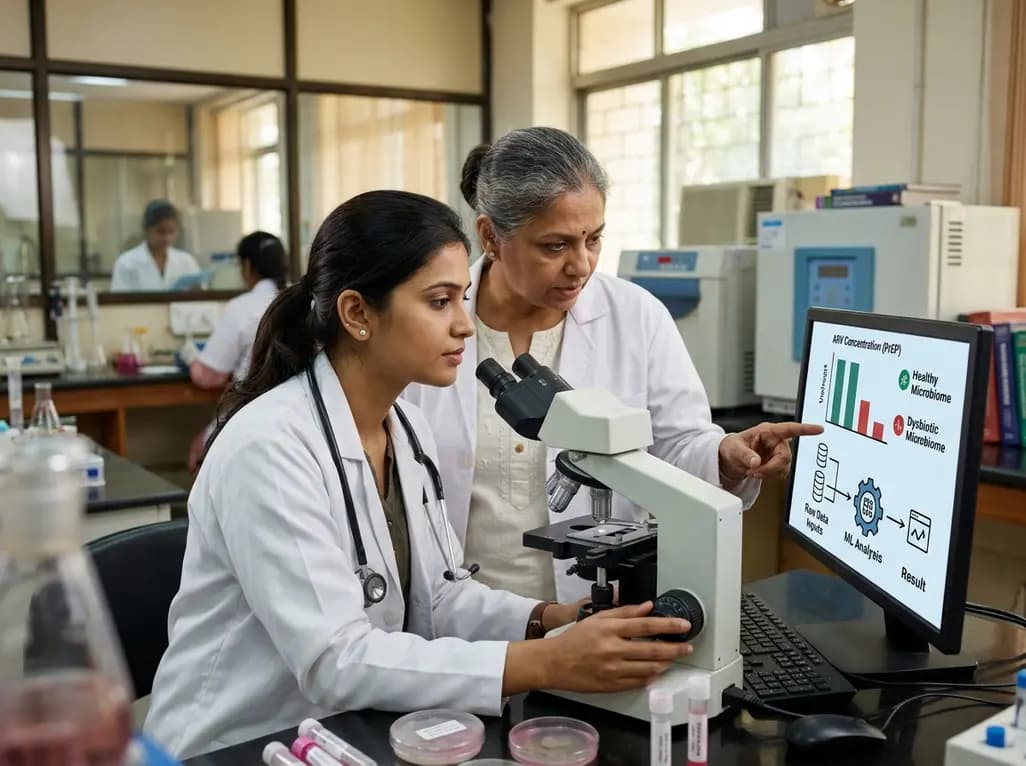
A pharmacometric and machine learning study reveals that specific vaginal bacteria alter cervical antiretroviral exposure, highlighting the need for precision HIV PrEP strategies.
Today
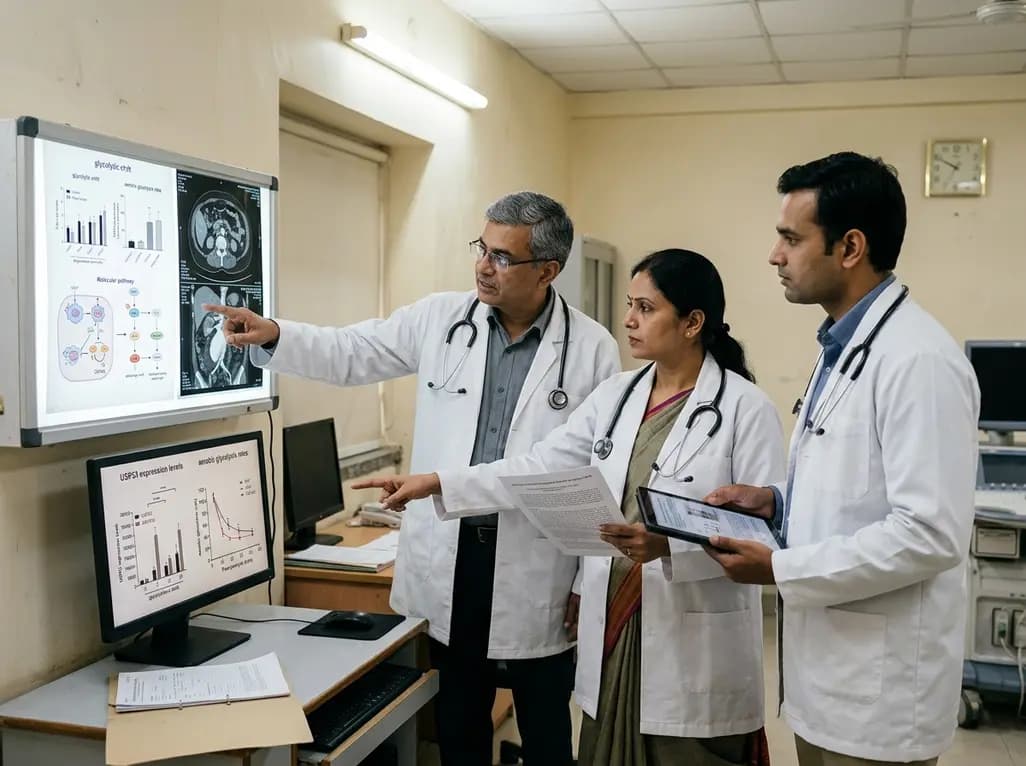
Abdominal aortic aneurysm rupture remains a catastrophic vascular emergency. Groundbreaking research reveals that USP53 accelerates aneurysm progression by reprogramming smooth muscle cell metabolism toward aerobic glycolysis, highlighting a promising target beyond conventional diameter-based surveillance.
Today
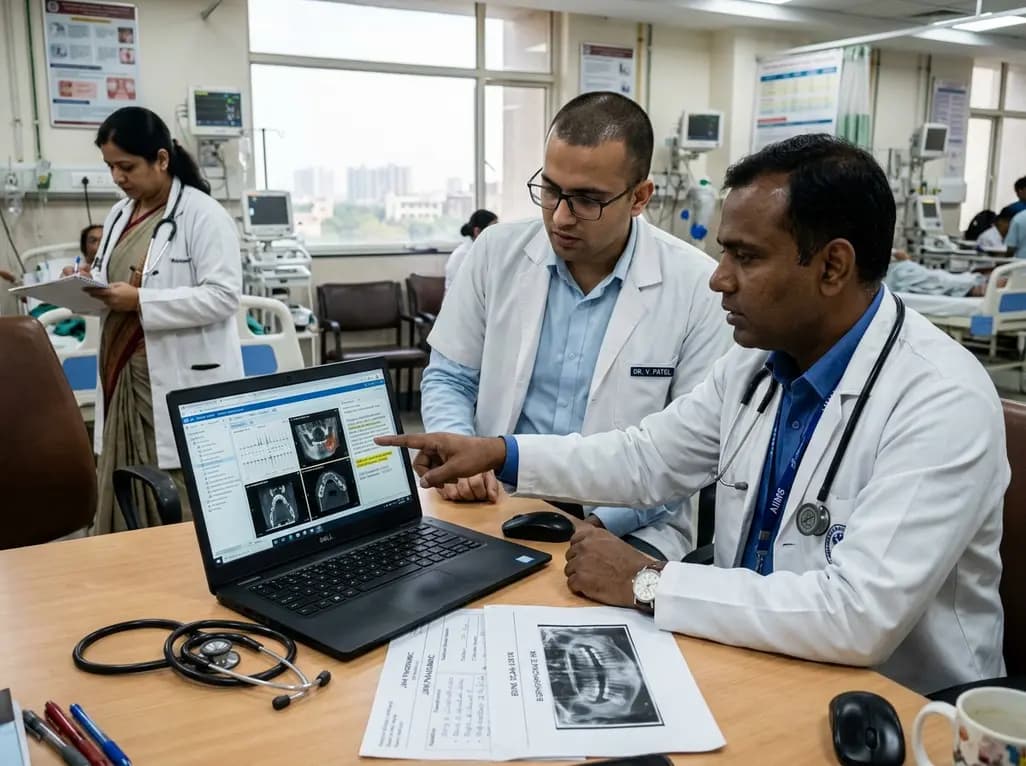
A breakthrough study leverages natural language processing to accurately identify incident medication-related osteonecrosis of the jaw and track antiresorptive drug holidays from clinical narratives in electronic health records, advancing osteoporosis pharmacovigilance and dental safety.
Today
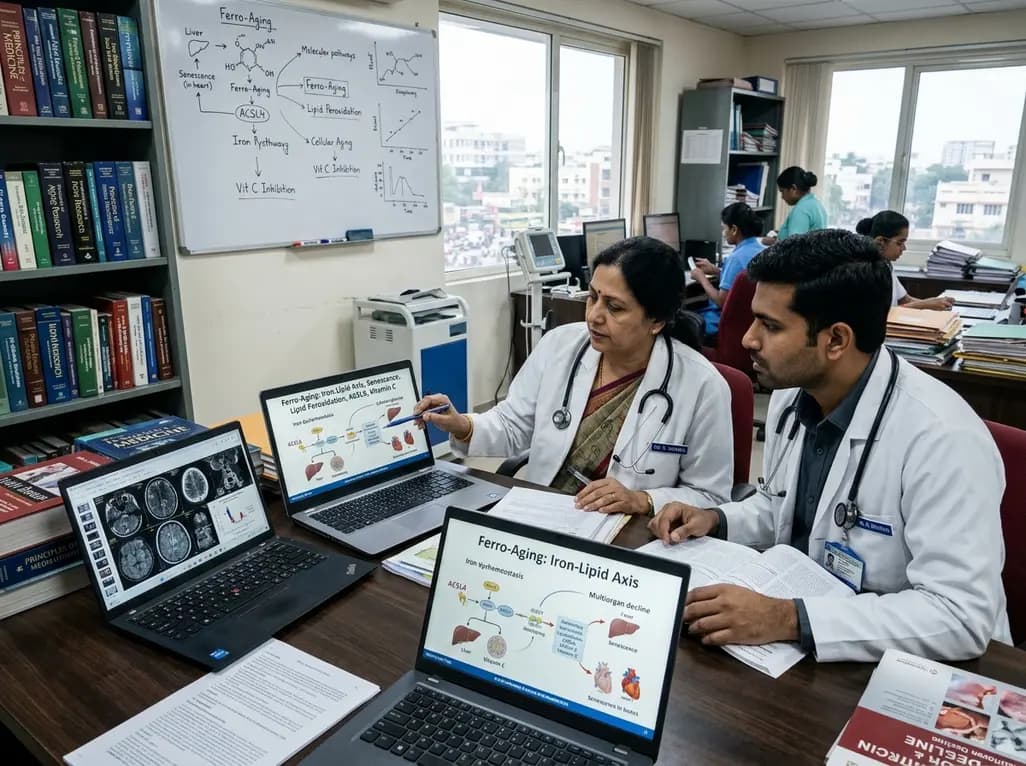
Recent research defines ferro-aging as a conserved iron-lipid axis driving organ decline across primates. Age-related iron dyshomeostasis stimulates ACSL4-mediated lipid peroxidation, promoting cellular senescence. Notably, vitamin C directly inhibits ACSL4, suppressing phospholipid oxidation and multi-organ decay.
Today
