.webp&w=384&q=75)

Loading, please wait...
Loading, please wait...
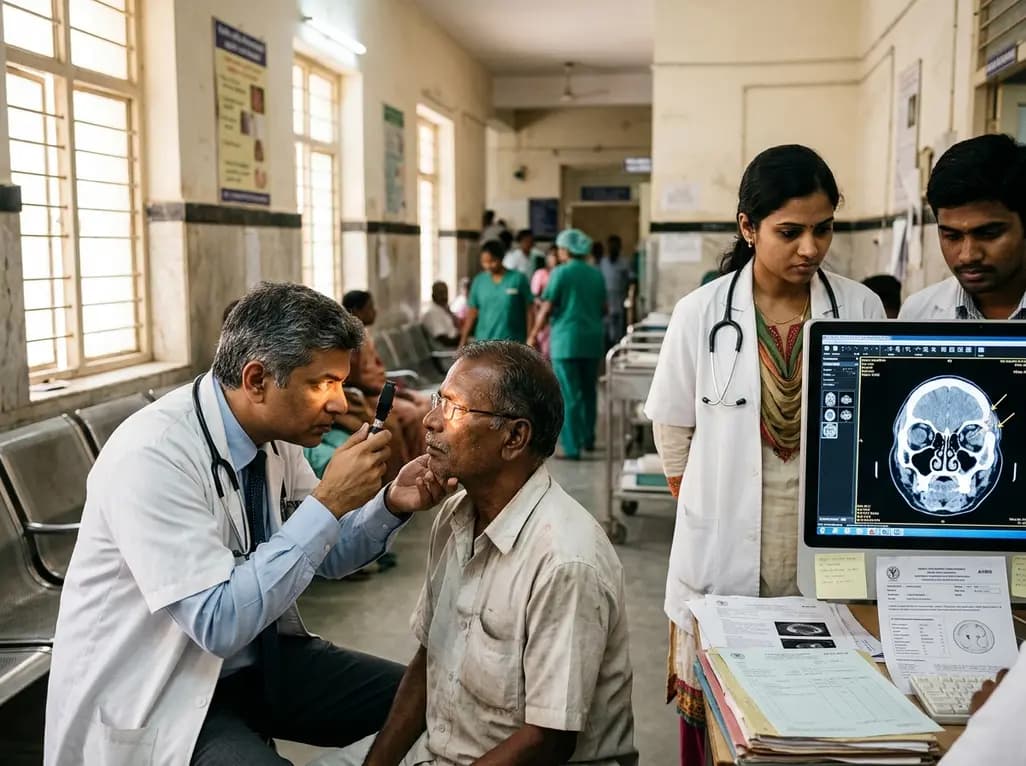
Basal cell carcinoma represents the most common cutaneous malignancy globally, frequently developing in head and neck regions with extensive sun exposure. When this malignant tumor affects the periocular area, clinicians face unique anatomical and diagnostic challenges. Periocular basal cell carcinoma accounts for most eyelid malignancies, requiring precise management strategies that protect visual function while achieving complete oncological clearance. Although local invasion rarely leads to distant metastasis, aggressive growth can damage vital periocular structures, including the lacrimal apparatus, eyelids, and orbit. Consequently, complete surgical removal remains the cornerstone of effective therapy. However, managing periocular lesions requires balancing total tumor excision against functional and cosmetic eyelid reconstruction. Furthermore, local recurrence continues to pose a major challenge, even after apparently successful interventions. Identifying clear prognostic factors associated with recurrence enables clinicians to optimize treatment approaches, personalize follow-up protocols, and significantly improve patient outcomes. Recent research highlights key epidemiological patterns and predictors that guide clinical decision-making in high-risk patient populations.
A clinical study at National Taiwan University Hospital examined prognostic factors in patients with periocular basal cell carcinoma. Researchers conducted a retrospective cohort study spanning 2000 to 2023, analyzing forty-six diagnosed patients. Investigators evaluated demographic characteristics, clinical presentation, surgical margin status, and long-term recurrence outcomes. Statistical analyses included Kaplan-Meier survival evaluations, chi-square testing, and multivariate logistic regression to identify independent prognostic factors.
The demographic analysis revealed a mean age of 72.3 years, confirming that periocular malignancies predominantly affect elderly individuals. Additionally, female patients comprised 54.4 percent of the cohort. Anatomically, tumors affected the lower eyelid in 84.8 percent of cases. This distribution aligns with cumulative sunlight exposure patterns on facial skin. Furthermore, long-term follow-up allowed investigators to evaluate both clinical and pathologically confirmed recurrence rates. These empirical findings offer valuable insights into oncological patterns within East Asian clinical cohorts, providing evidence to improve diagnostic accuracy and surgical planning.
Evaluating clinical outcomes requires distinguishing between clinical suspicion and histological confirmation. In this long-term study, researchers assessed recurrence using two distinct clinical definitions. The cohort demonstrated a clinical recurrence rate of 30.4 percent, with a ten-year recurrence-free survival rate of 67.4 percent. Consequently, nearly one-third of patients presented with clinical signs suggesting tumor relapse during routine follow-up.
However, applying strict histopathological criteria yielded a lower pathological recurrence rate of 23.9 percent, corresponding to a ten-year recurrence-free survival rate of 73.7 percent. This difference underscores an important clinical reality. Postoperative scarring, tissue distortion, and chronic inflammation frequently resemble recurrent tumor growth during physical examinations. Therefore, histopathological verification via tissue biopsy remains essential before clinicians initiate invasive secondary treatments. Understanding true pathological recurrence rates enables providers to counsel patients accurately while avoiding unnecessary re-operations for benign postoperative tissue changes.
Multivariate logistic regression analysis identified two primary independent predictors of recurrence across clinical and pathological models. Compromised surgical margins represented the strongest independent risk factor for disease relapse. Positive or inadequate surgical margins significantly increased clinical recurrence risk, demonstrating an odds ratio of 5.70. Histological analyses confirmed that incomplete margins severely compromise long-term tumor control. Therefore, achieving microscopic margin clearance during initial surgery is essential to prevent local recurrence.
Additionally, treatment delay served as another major independent predictor of recurrence. Patients experiencing delays between initial diagnosis and definitive surgery demonstrated higher recurrence rates. Delayed intervention allows tumor cells to invade deeper tissue layers, complicating complete surgical removal. Consequently, early diagnosis and prompt surgical referral remain critical strategies for reducing recurrence risks. Clinicians must recognize that timely intervention for periocular lesions significantly improves long-term prognosis and preserves functional periocular structures.
Achieving clear surgical margins remains the chief objective when treating periocular malignancies. Clinicians face the challenge of removing malignant tissue while preserving critical functional structures, such as eyelid margins and lacrimal canaliculi. Compromised margins often result from attempts to conserve tissue in tight anatomical spaces. Consequently, surgical techniques utilizing complete margin assessment are highly advantageous.
Mohs micrographic surgery and intraoperative frozen section analysis offer superior margin control while maximizing tissue preservation. Microscopic evaluation during surgery allows clinicians to identify hidden tumor extensions and re-excise involved areas immediately. Consequently, intraoperative control dramatically reduces incomplete resection rates. When standard excision is performed, pathologists must thoroughly examine peripheral and deep margins. If formal pathology reveals compromised margins, clinicians should evaluate prompt secondary interventions, such as re-excision or targeted therapy, to lower the substantial risk of local recurrence identified in clinical studies.
The study highlights practical recommendations for clinicians managing periocular skin tumors. Healthcare providers must establish streamlined referral pathways to avoid treatment delays, ensuring patients receive timely specialist evaluations. Furthermore, surgical planning should emphasize complete clearance over aggressive tissue conservation, utilizing intraoperative frozen sections or Mohs surgery whenever possible.
In addition, long-term clinical surveillance remains mandatory for all post-treatment patients. Because recurrences can manifest years after initial surgery, routine follow-up should extend for at least ten years. Regular examinations should involve slit-lamp evaluation and careful palpation of periocular tissues. Clinicians should also educate patients to recognize early signs of relapse, including new nodules or localized madarosis. Combining early intervention, precise surgical execution, and structured long-term monitoring optimizes oncological outcomes and preserves ocular function.
The primary factor driving local recurrence is compromised surgical margins during initial excision. When microscopic tumor cells remain at the surgical edges, the likelihood of local relapse increases significantly. Additionally, treatment delay plays a critical independent role in driving recurrence. Consequently, obtaining complete histological clearance and initiating prompt surgical intervention are essential steps to prevent local disease recurrence and ensure favorable long-term patient outcomes.
Clinical recurrence rates are often higher than pathologically confirmed rates because postoperative changes can mimic tumor relapse. Surgical scarring, tissue distortion, chronic inflammation, and suture granulomas frequently resemble recurrent basal cell carcinoma during physical examination. Therefore, biopsy and strict histological evaluation are necessary to confirm true tumor recurrence before clinicians initiate secondary surgical procedures or adjuvant therapies for suspected local relapse.
Patients should undergo long-term clinical surveillance for at least ten years following initial surgical treatment. Because local recurrences can develop slowly over several years, extended follow-up is necessary to catch relapses early. Clinical monitoring should include detailed slit-lamp examinations, careful palpation of periocular structures, and patient education regarding early signs of tumor regrowth, such as persistent skin changes or localized eyelash loss.
Disclaimer: This content is for informational and educational purposes only and does not constitute medical advice, diagnosis, or treatment. Always seek the advice of a qualified healthcare provider with any questions regarding a medical condition. Refer to the latest local and national guidelines for clinical practice.
References

Read summarized clinical updates, watch expert medical content, and earn CME certifications right from your smartphone.
Open your smartphone camera to scan and install.





A long-term Taiwanese study evaluates periocular basal cell carcinoma recurrence, finding a 10-year recurrence-free survival of 67.4% clinically and 73.7% pathologically. Compromised surgical margins and treatment delay were identified as major independent risk factors for local relapse.
last month
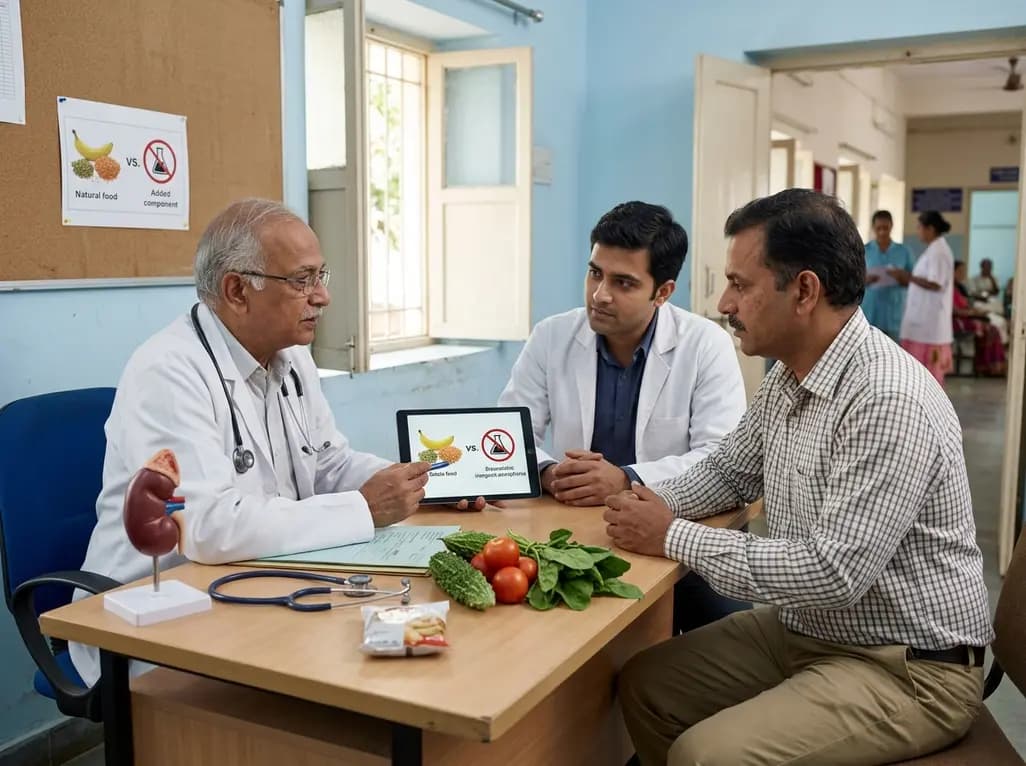
Modern renal nutrition is shifting toward additive-aware dietary guidance. This paradigm differentiates between intrinsic nutrients in whole foods and hyper-bioavailable inorganic additives, offering practical strategies to mitigate additive stacking and toxicity without restricting nutritious whole foods.
Today

A multiparametric MRI approach combining quantitative T2 shading, apparent diffusion coefficient (ADC) measurements, and morphological signs provides superior diagnostic accuracy over subjective evaluation to differentiate ovarian endometriomas from benign hemorrhagic cysts.
Today
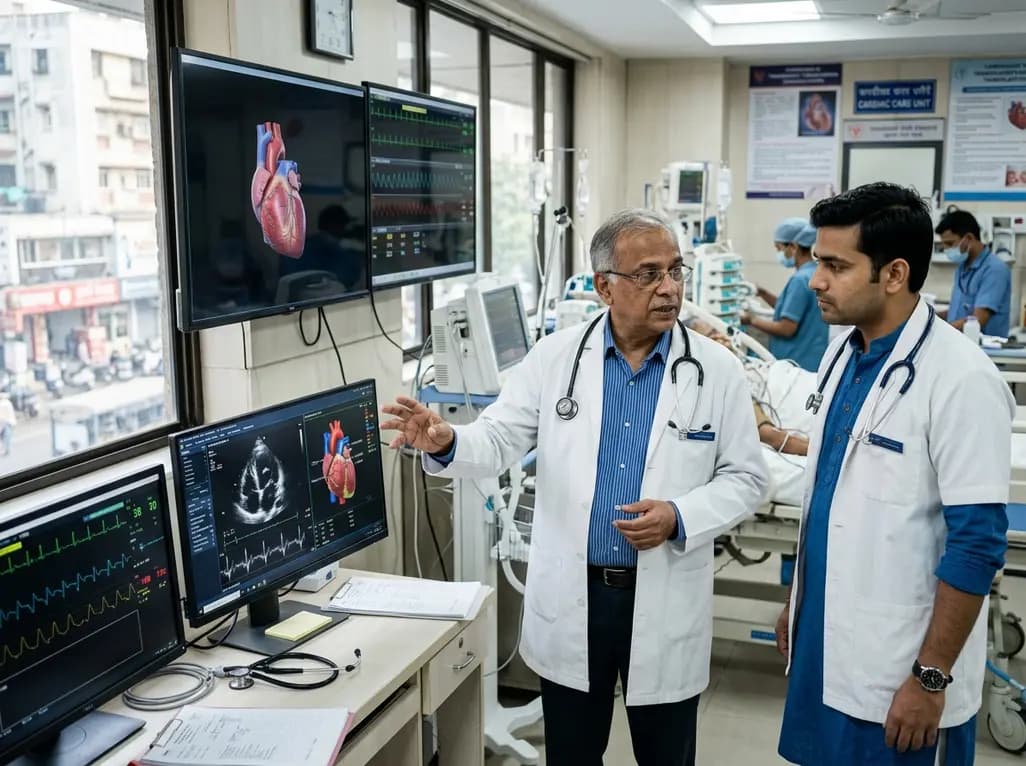
A landmark case report reveals a donor heart beating for a century in a 63-year-old recipient, challenging conventional age limits in cardiac transplantation and offering critical lessons on organ longevity, donor selection, and long-term graft survival.
Today

A new randomized crossover trial reveals that a hinged ulnar gutter orthosis significantly improves hand function and weight-bearing tolerance compared to standard volar splints in patients with degenerative triangular fibrocartilage complex lesions, supporting functionally permissive orthotic designs.
Today
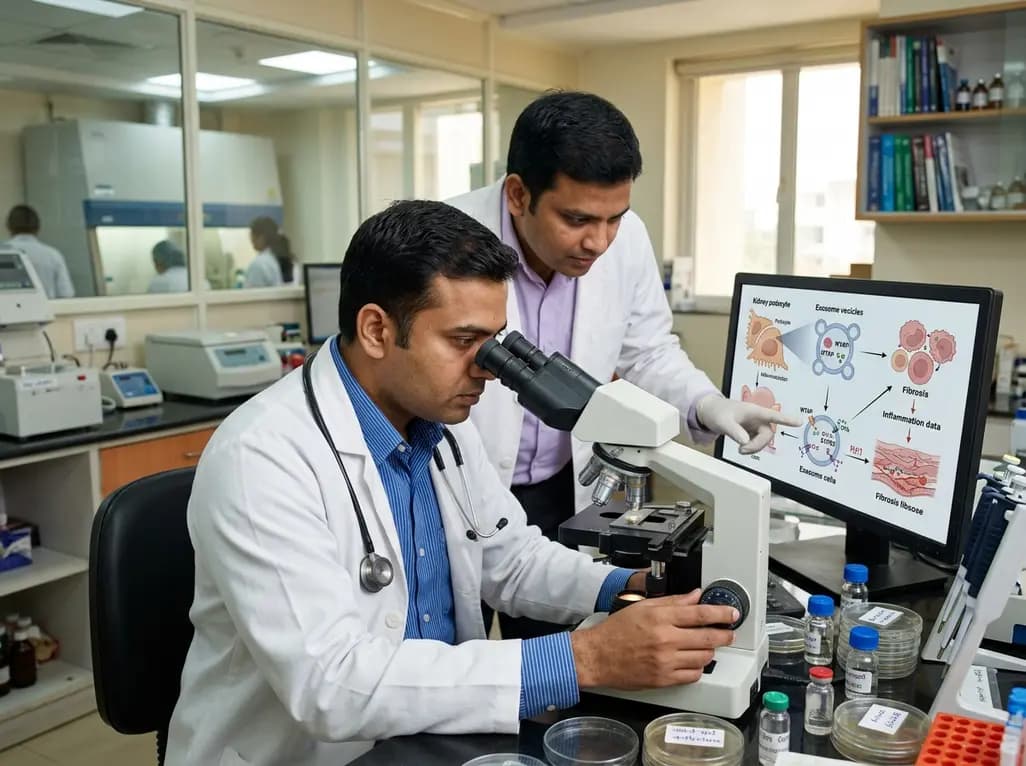
New research reveals that M1 macrophage-derived exosomes aggravate diabetic nephropathy by transferring WTAP to stabilize S1PR2 mRNA. Silencing WTAP in these vesicles attenuates endothelial injury and renal fibrosis, pointing toward innovative nanomedicine therapies.
Yesterday
