.webp&w=384&q=75)

Loading, please wait...
Loading, please wait...

The menopausal transition represents a profound physiological shift that extends far beyond reproductive cessation. Emerging epidemiological and clinical evidence demonstrates that midlife women experience substantial shifts in energy expenditure, substrate oxidation, and visceral adiposity. Consequently, metabolic vulnerability in perimenopause emerges as an underrecognized yet pivotal window for cardiometabolic disease development. Clinicians frequently encounter women presenting with fatigue, central adiposity, and dyslipidemia despite maintaining stable overall body weight. Recognizing these underlying hormonal and cellular alterations enables early preventive strategies.
Perimenopause spans the multi-year trajectory preceding final menses, characterized by erratic ovarian activity and fluctuating 17β-estradiol concentrations. During this transition, circulating estrogen levels undergo pronounced oscillations before declining irreversibly. This hormonal instability triggers immediate metabolic cascades across key regulatory organs, including skeletal muscle, liver, and adipose depots. Furthermore, age-related metabolic deceleration exacerbates these hormone-induced alterations, creating a synergistic state of heightened vulnerability. Because traditional biometric markers like body mass index may remain unchanged, clinicians often overlook these insidious tissue-level perturbations. Visceral fat accumulation accelerates silently while peripheral subcutaneous fat depots diminish or become dysfunctional. Concurrently, lipid handling becomes inefficient, leading to elevated postprandial triglyceride surges and impaired clearance of atherogenic lipoproteins. Therefore, evaluating metabolic health strictly through scale weight provides false reassurance. Comprehensive assessment must include waist circumference, waist-to-hip ratio, fasting insulin, and lipid subfractions. Early identification of metabolic vulnerability in perimenopause allows healthcare providers to implement timely countermeasures before permanent vascular and endocrine derangements become clinically manifest.
Estrogen acts as a primary master regulator of female adipose biology and energy balance. Under normal physiological conditions, 17β-estradiol promotes the expansion of subcutaneous gluteofemoral fat via estrogen receptor alpha signaling. This protective mechanism sequesters excess circulating lipids safely away from central viscera. However, when estradiol levels plummet during the perimenopausal transition, the protective lipogenic pattern shifts dramatically toward visceral and ectopic compartments. Visceral adipocytes possess higher lipolytic rates and secrete pro-inflammatory cytokines into portal circulation. Additionally, declining estrogen diminishes lipoprotein lipase activity in femoral adipose stores while stimulating visceral fat accretion. This visceral redistribution occurs independently of total caloric intake changes. Visceral adipose tissue subsequently releases elevated free fatty acids directly into the hepatic portal system. This surge drives hepatic steatosis, stimulates very-low-density lipoprotein production, and fuels systemic atherogenesis. In addition, adipokine balance becomes disrupted, characterized by diminished anti-inflammatory adiponectin and elevated leptin concentrations. Consequently, these hormonal shifts transform metabolically healthy adipose tissue into an endocrine source of chronic systemic dysfunction and vascular stress.
Skeletal muscle constitutes the primary site for insulin-stimulated glucose disposal and resting energy expenditure. In healthy premenopausal states, estradiol enhances mitochondrial biogenesis, maintains muscle protein synthesis, and preserves functional contractile capacity. Conversely, perimenopause precipitates accelerated sarcopenia, characterized by selective atrophy of type II fast-twitch glycolytic fibers and qualitative mitochondrial decay. These structural changes cause marked decrements in basal fat oxidation capacity. As mitochondrial oxidative phosphorylation efficiency wanes, skeletal myocytes demonstrate impaired metabolic flexibility—the vital physiological capacity to transition seamlessly between carbohydrate and lipid fuel sources depending on availability. Intramyocellular lipid accumulation subsequently ensues, which interferes with insulin receptor substrate-1 phosphorylation and downstream glucose transporter type 4 translocation. As a direct result, peripheral glucose uptake drops substantially, necessitating greater compensatory pancreatic beta-cell insulin secretion. The resulting hyperinsulinemia further locks the body into a state of inhibited lipolysis, worsening metabolic gridlock. Clinicians must recognize that preserving skeletal muscle mass and mitochondrial health is fundamental to maintaining glycemic equilibrium during this vulnerable phase.
The liver represents a critical metabolic hub profoundly vulnerable to perimenopausal estrogen deprivation. Estrogen receptors in hepatocytes modulate lipid synthesis, gluconeogenesis, and inflammatory signaling pathways. When estrogen signaling falters, hepatic de novo lipogenesis accelerates, leading to intrahepatic triglyceride accumulation and non-alcoholic fatty liver changes. Simultaneously, the persistent influx of free fatty acids from expanding visceral depots overwhelms hepatic oxidative pathways, triggering oxidative stress and endoplasmic reticulum stress. These cellular stresses stimulate nuclear factor kappa B transcription pathways, releasing elevated levels of interleukin-6, tumor necrosis factor-alpha, and high-sensitivity C-reactive protein into circulation. This chronic low-grade inflammation directly disrupts insulin signaling within hepatocytes, promoting unsuppressed hepatic glucose output despite fasting hyperinsulinemia. Consequently, fasting plasma glucose levels rise progressively alongside worsening hepatic insulin resistance. This proinflammatory and insulin-resistant milieu significantly elevates long-term risks for metabolic syndrome, non-alcoholic steatohepatitis, and type 2 diabetes mellitus. Addressing hepatic metabolic stress through early lifestyle and metabolic stabilization is essential to halt progressive cardiometabolic decline.
The confluence of central adiposity, insulin resistance, atherogenic dyslipidemia, and systemic inflammation heightens cardiovascular disease risk. Historically, premenopausal women demonstrate lower rates of coronary artery disease compared to age-matched men, largely due to vascular estrogen protection. During perimenopause, loss of endothelial nitric oxide synthase activation impairs flow-mediated vasodilation and stiffens arterial walls. Concurrently, lipid profiles shift toward an atherogenic pattern, featuring increased small dense low-density lipoprotein particles, reduced high-density lipoprotein cholesterol, and hypertriglyceridemia. South Asian women exhibit an even higher baseline susceptibility to central adiposity, premature metabolic syndrome, and early-onset coronary artery disease. In these high-risk populations, perimenopausal hormonal shifts often superimpose upon preexisting thin-fat phenotypes, accelerating microvascular and macrovascular complications at lower body mass index thresholds. Therefore, proactive surveillance should encompass annual lipid profiles, fasting blood glucose or glycated hemoglobin testing, blood pressure tracking, and central adiposity measurements. Stratifying midlife women by cardiovascular risk enables personalized therapeutic regimens before overt cardiovascular events occur.
Evidence strongly highlights non-pharmacological lifestyle interventions as the frontline foundation for mitigating perimenopausal metabolic deterioration. Progressive resistance training represents the most effective modality to counter sarcopenia, stimulate muscle protein synthesis, and restore glucose transporter type 4 expression. Performing progressive strength training at least two to three days per week significantly improves mitochondrial oxidative capacity, enhances insulin sensitivity, and counteracts resting metabolic rate reductions. In parallel, dietary optimization plays an indispensable role. Adherence to a Mediterranean-style dietary pattern rich in extra virgin olive oil, whole grains, nuts, legumes, lean proteins, and fibrous vegetables offers robust cardioprotective benefits. This dietary approach provides potent polyphenols and monounsaturated fatty acids that temper systemic oxidative stress, lower circulating inflammatory markers, and optimize gut microbiome diversity. Furthermore, ensuring adequate high-quality dietary protein intake (1.2 to 1.6 grams per kilogram daily) optimizes muscle remodeling and induces satiety. Combining structured resistance exercise with anti-inflammatory nutrition effectively preserves lean body mass, attenuates visceral adiposity, and restores long-term cardiometabolic resilience.
Metabolic risk escalates primarily because estrogen withdrawal causes an adverse body composition shift rather than overt weight gain. The body rapidly redistributes adipose tissue from protective subcutaneous femoral stores into inflammatory visceral and ectopic compartments. Simultaneously, skeletal muscle mass and resting metabolic flexibility decline. These micro-level alterations induce hepatic insulin resistance and dyslipidemia, precipitating cardiometabolic dysfunction even when the bathroom scale remains completely stable.
Progressive resistance training serves as an essential countermeasure against perimenopausal sarcopenia and metabolic deceleration. By placing targeted mechanical loads on skeletal muscle, resistance exercise activates muscle protein synthesis and upregulates glucose transporter type 4 translocation independently of insulin. Furthermore, strength training enhances mitochondrial oxidative enzyme density, elevates resting energy expenditure, and preserves vital lean muscle mass, significantly improving glycemic control and systemic lipid metabolism.
The Mediterranean dietary pattern provides an abundance of polyphenols, monounsaturated fatty acids, dietary fiber, and essential micronutrients that directly reduce chronic low-grade inflammation. This nutrient-dense dietary framework improves hepatic insulin sensitivity, reduces visceral adipose accumulation, and optimizes lipid profiles by decreasing small dense low-density lipoproteins. Additionally, the diet supports gut microbiome homeostasis, conferring robust vascular protection during the hormonally turbulent perimenopausal transition.
Disclaimer: This content is for informational and educational purposes only. It is not intended to be a substitute for professional medical advice, diagnosis, or treatment. Always seek the advice of your physician or other qualified health provider with any questions you may have regarding a medical condition. Refer to the latest local and national guidelines for clinical practice.
References
Lobato VA et al. Perimenopause and metabolic vulnerability: hormones, body composition and lifestyle changes. Climacteric. 2026 Aug 24. doi: 10.1080/13697137.2026.2713394. PMID: 42634879.
Davis SR, Baber RJ. Treating menopause - MHT and beyond. Nat Rev Endocrinol. 2022;18(8):490-502.
El Khoudary SR, Aggarwal B, Beckie TM, et al. Menopause Transition and Cardiovascular Disease Risk: Implications for Timing of Early Prevention: A Scientific Statement From the American Heart Association. Circulation. 2020;142(25):e506-e532.
Sims ST, Kerksick CM. Nutrition and Exercise Considerations for the Menopausal Athlete. Sports Med. 2023;53(Suppl 1):77-85.

Read summarized clinical updates, watch expert medical content, and earn CME certifications right from your smartphone.
Open your smartphone camera to scan and install.





Perimenopause represents a critical window of metabolic vulnerability marked by visceral fat gain, lean mass loss, and insulin resistance. Targeted resistance exercise and Mediterranean nutrition provide key cardiometabolic protection.
last month

A systematic review of 41 preclinical studies reveals that baicalin dampens systemic inflammation, inhibits NF-κB and NLRP3 pathways, and improves organ preservation in sepsis models. However, substantial study heterogeneity and a complete lack of human clinical trials highlight the need for further translational research.
Today
Discover the crucial distinctions between mesonephric and mesonephric-like proliferations of the female genital tract. Learn the key histomorphologic, immunohistochemical, and molecular differences essential for accurate diagnosis and clinical management.
Today
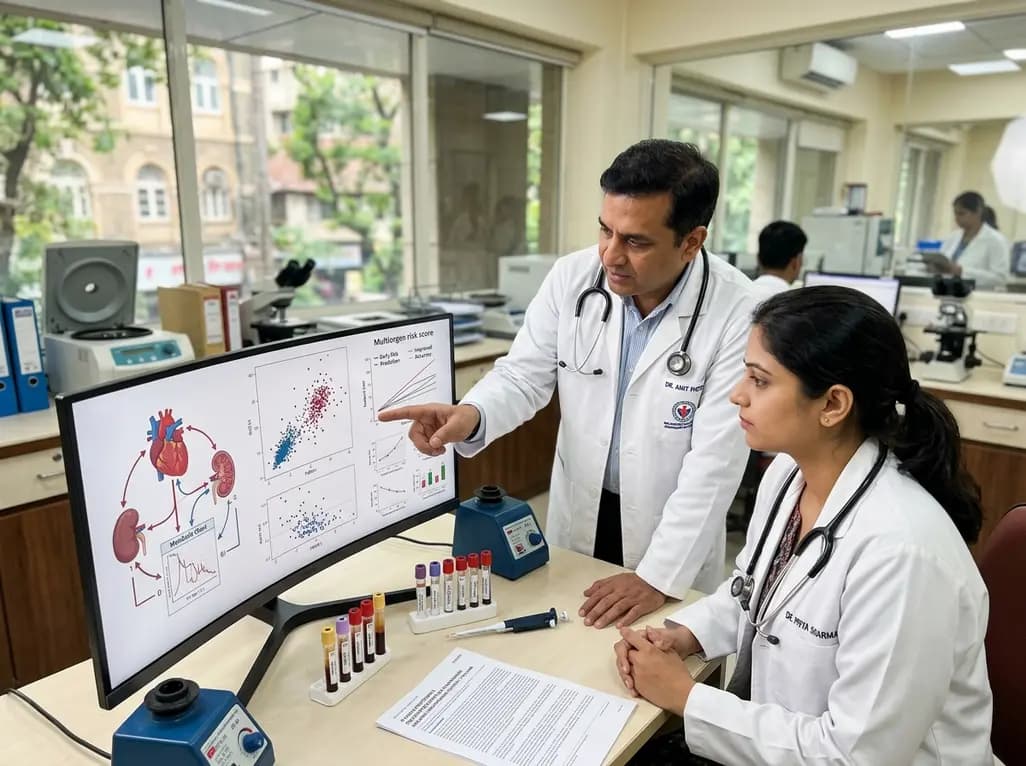
A large UK Biobank study reveals that plasma proteomic signatures capture preclinical organ damage and improve multiorgan risk prediction across early CKM syndrome stages 0 to 2 beyond traditional PREVENT clinical models.
Today
A narrative review investigates whether the articularis genus muscle functions as an independent anatomical entity or blends with the vastus intermedius. We evaluate its morphology, role in retracting the suprapatellar bursa, and direct clinical significance in anterior knee pain and arthroplasty.
Today

A Bayesian multilevel meta-analysis reveals that aerobic training combined with moderate carbohydrate restriction modestly lowers HbA1c in type 2 diabetes. However, sparse data and very low certainty leave incremental benefits over exercise or diet alone unproven, highlighting the need for individualized care.
Today
