.webp&w=384&q=75)

Loading, please wait...
Loading, please wait...

Immune checkpoint inhibitors have transformed cancer care across many solid malignancies. However, these immunotherapies also cause unpredictable immune-related adverse events. While tyrosine kinase inhibitors typically cause palmoplantar toxicities, clinicians now encounter hand-foot skin reaction during pembrolizumab therapy. Early recognition ensures prompt treatment and preserves patient quality of life.
Dermatologists and oncologists must distinguish two distinct cutaneous patterns affecting the hands and feet during systemic cancer therapy. Traditionally, cytotoxic agents such as capecitabine, infusional 5-fluorouracil, and pegylated liposomal doxorubicin cause classic hand-foot syndrome, termed palmar-plantar erythrodysesthesia. This classical condition manifests as diffuse, symmetric erythema accompanied by prominent edema and tingling paresthesias across the entire palmoplantar surface.
In contrast, hand-foot skin reaction displays distinctive clinical and anatomical hallmarks. Tyrosine kinase inhibitors targeting vascular endothelial growth factor receptors typically trigger this reaction. Specifically, lesions concentrate over areas subjected to repeated mechanical pressure and frictional stress. Patients present with localized, tender, well-demarcated erythematous plaques topped by thick hyperkeratosis. Over time, these calluses can blister, erode, or form deep painful fissures. Histologically, while chemotherapy-induced toxicities demonstrate diffuse epidermal necrosis, this reaction shows pronounced hyperkeratosis, focal parakeratosis, and superficial keratinocyte degeneration.
A recent case report details a 79-year-old man with advanced lung adenocarcinoma receiving pembrolizumab monotherapy. Although checkpoint inhibitors rarely trigger localized hyperkeratotic palmoplantar lesions, this patient developed severe grade 3 toxicity during treatment.
Initially, the patient experienced localized erythema, coarse desquamation, and painful hyperkeratotic plaques across weight-bearing zones of his palms and soles. Subsequently, the cutaneous lesions progressed into painful vesiculobullous eruptions that severely restricted walking and daily activities. Because mechanical friction directly amplifies these skin changes, lesions clustered along heel borders and metatarsal heads. To confirm the diagnosis, physicians performed skin biopsies. Histopathology revealed prominent epidermal hyperkeratosis, subepidermal inflammatory infiltrates, and basal keratinocyte vacuolization. These microscopic findings verified drug-induced dermatologic injury rather than infectious dermatoses. Consequently, treating oncologists discontinued pembrolizumab infusions immediately to protect the patient from debilitating complications.
Understanding the immunological mechanism helps clinicians anticipate and manage checkpoint-mediated skin eruptions. Pembrolizumab binds the PD-1 receptor on T lymphocytes, thereby blocking inhibitory pathways and boosting antitumor immune surveillance. Unfortunately, this disinhibition simultaneously unleashes autoreactive cytotoxic T cells against self-antigens located in healthy cutaneous tissue.
Furthermore, mechanical shear stress continuously injures capillary networks in palmoplantar skin. In normal physiology, rapid cellular renewal repairs minor subclinical friction injuries. However, when PD-1 blockade impairs immune tolerance, pro-inflammatory cytokines such as tumor necrosis factor-alpha and interleukin-6 flood the traumatized dermal-epidermal junction. Consequently, keratinocytes undergo abnormal differentiation and focal apoptosis, triggering hyperkeratosis and blistering. Moreover, epidermal growth factor signaling pathways interact with these cytotoxic pathways, accelerating palmoplantar desquamation. Therefore, the combination of repetitive mechanical microtrauma and exuberant immune activation produces the severe localized clinical picture.
Oncologists must perform regular, systematic physical examinations of palmoplantar surfaces during every treatment cycle. Specifically, clinicians utilize the Common Terminology Criteria for Adverse Events to assess functional severity and guide therapeutic interventions.
Grade 1 toxicity involves minimal erythema, light hyperkeratosis, or painless peeling that does not interfere with daily activities. Therefore, patients require only preventive measures and topical symptomatic care without interrupting cancer therapy. In grade 2 toxicity, painful hyperkeratotic lesions limit instrumental activities of daily living, such as cooking, writing, or driving. Thus, temporary treatment delays may become necessary alongside escalated topical regimens. Grade 3 toxicity denotes severe, debilitating skin changes with extensive blisters, intractable pain, and profound compromise of self-care. At this stage, physicians must immediately withhold pembrolizumab. Additionally, clinicians should collect skin swabs to rule out secondary bacterial or viral superinfections before initiating high-potency immunosuppressive therapies.
Successful resolution of severe immune-related dermatologic toxicities demands a structured multidisciplinary strategy involving oncologists and dermatologists. For the reported 79-year-old patient, clinicians implemented an intensive combined medical protocol.
First, physicians permanently discontinued the offending PD-1 inhibitor to prevent progressive tissue necrosis. Next, the care team prescribed systemic corticosteroids, starting with oral prednisone at 1 milligram per kilogram daily, tapered gradually over several weeks. Systemic corticosteroids rapidly dampen autoreactive lymphocyte infiltration within the upper dermis. Simultaneously, the patient applied high-potency topical corticosteroids twice daily to suppress localized superficial inflammation. In addition, the team introduced topical salicylic acid ointment as an effective keratolytic agent. Salicylic acid softens stubborn hyperkeratotic crusts and facilitates stratum corneum desquamation. Clinicians also advised protective footwear, soft cotton socks, and thick emollient creams. Remarkably, the patient achieved marked symptom relief within several weeks and experienced complete skin resolution after approximately two months.
The increasing adoption of immunotherapy across tertiary oncology centers in India requires increased vigilance for atypical toxicities. Because patients often travel significant distances between immunotherapy infusions, early patient education regarding hand and foot symptoms remains vital.
Furthermore, many Indian patients walk barefoot or wear thin-soled open sandals, which substantially increases palmoplantar mechanical friction and pressure. Consequently, oncologists should routinely instruct patients to wear well-cushioned footwear, apply generous urea-based emollients, and avoid heavy manual labor during treatment cycles. Moreover, doctors must establish streamlined referral pathways between medical oncology and dermatology departments. Prompt interdepartmental collaboration facilitates rapid punch biopsies, accurate grading, and timely immunosuppressive therapy. When healthcare teams address symptoms at grade 1, they frequently avoid permanent drug discontinuations. Ultimately, proactive toxicity management protects patient functional independence while preserving life-saving anticancer regimens.
While both conditions affect palmoplantar skin, hand-foot skin reaction presents primarily with localized, painful hyperkeratosis and blisters over pressure points. In contrast, classical hand-foot syndrome presents with diffuse, symmetric erythema, tingling, and edema across entire palms and soles. Furthermore, cytotoxic chemotherapies typically cause the classical syndrome, whereas targeted kinase inhibitors and rare immunotherapy reactions cause the localized hyperkeratotic pattern.
Clinicians must immediately withhold pembrolizumab or the offending checkpoint inhibitor when grade 3 toxicity appears. In addition, physicians should promptly prescribe systemic corticosteroids, typically oral prednisone at 1 milligram per kilogram daily. Concurrently, doctors ought to recommend high-potency topical corticosteroids and keratolytic agents like salicylic acid. Finally, clinicians must arrange a dermatologic consult for diagnostic biopsy and infection exclusion.
Restarting pembrolizumab depends on the peak severity and initial therapeutic response. For manageable grade 2 toxicities, clinicians can carefully resume immunotherapy once symptoms diminish to grade 1 with low steroid doses. However, severe grade 3 skin toxicities involving blistering or ulceration often require permanent discontinuation. Therefore, oncologists and dermatologists must collaboratively evaluate risk versus benefit before considering rechallenge.
Disclaimer: This content is for informational and educational purposes only... Refer to the latest local and national guidelines for clinical practice.
References

Read summarized clinical updates, watch expert medical content, and earn CME certifications right from your smartphone.
Open your smartphone camera to scan and install.





Hand and foot skin reaction is an atypical cutaneous adverse effect of pembrolizumab. Clinicians must distinguish it from chemotherapy-induced hand-foot syndrome, grade severity promptly, and initiate topical keratolytics and corticosteroids alongside immunotherapy interruption when high-grade toxicity occurs.
Today

A meta-analysis of 14 RCTs reveals that dietary fiber significantly increases bowel movements and stool consistency in functional constipation while modulating gut-brain axis biomarkers, including short-chain fatty acids, serotonin, and inflammation, highlighting benefits beyond simple stool bulking.
Today

A retrospective study of 824 patients undergoing over 2,200 intradetrusor onabotulinumtoxinA injections identifies sex- and etiology-specific predictors of 2-week post-void residual, highlighting the influence of baseline residual volumes, toxin dosage, and distinct urodynamic parameters on urinary retention risk.
Today
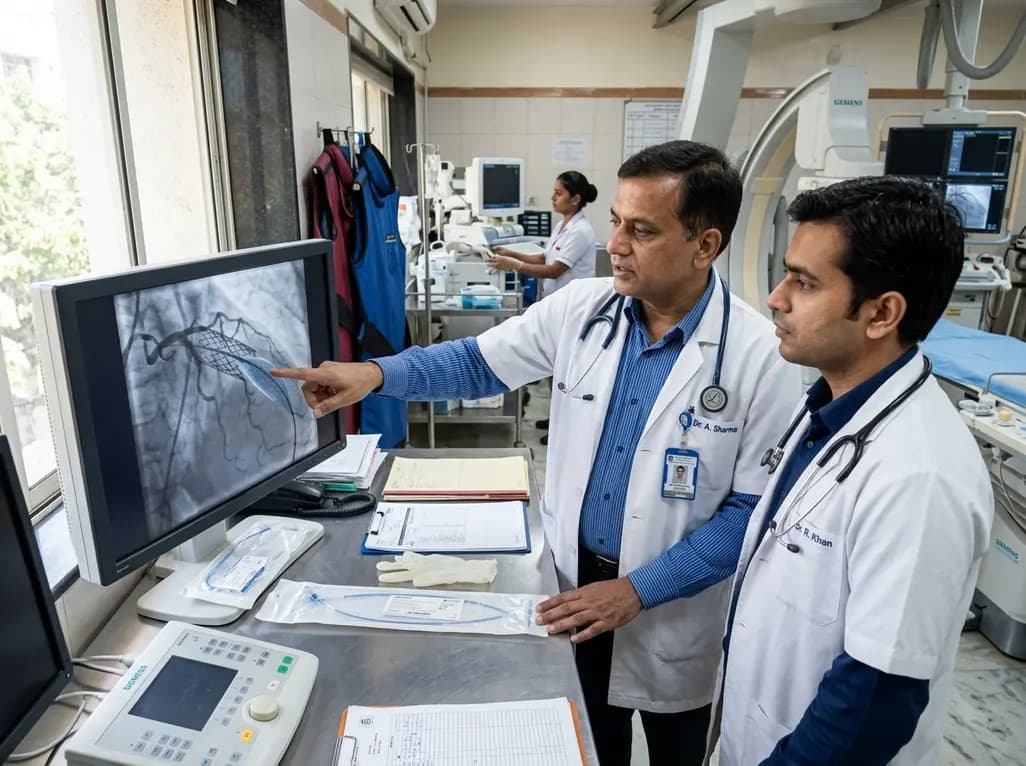
The US FDA has granted approval to the SELUTION SLR drug-eluting balloon for treating coronary in-stent restenosis. This milestone introduces a sustained-release sirolimus platform that eliminates the need for additional permanent metallic stents while maintaining robust vascular healing and luminal patency.
Today

The Thumbs-Out Classification (TOC) is a reliable screening tool for detecting thumb-in-palm deformity in children with cerebral palsy. Utilizing traffic-light tiers for radial abduction, TOC enables clinicians to monitor upper limb function and initiate timely therapeutic or surgical interventions.
Today

A comprehensive review analyzes periconceptional GLP-1 receptor agonist exposure, revealing reassuring data on congenital anomalies and adverse perinatal outcomes while emphasizing the need for cautious patient counseling.
Today
