

Loading, please wait...
Loading, please wait...

Pediatric hospitalists frequently encounter complex clinical cases where severe physical complaints lack identifiable organic pathology. In inpatient settings, managing pediatric somatic symptom disorders represents a major diagnostic and therapeutic challenge for clinical teams. Children presenting with severe functional pain, non-epileptic seizures, or unexplained gait impairment consume substantial healthcare resources and endure prolonged hospitalizations. Although hospitalists strive to deliver compassionate care, they often face intense diagnostic uncertainty and interpersonal conflict. A recent qualitative study illuminates the lived experiences, emotional burdens, and structural barriers pediatric hospitalists navigate during these admissions. Consequently, understanding these frontline perspectives helps identify essential strategies to standardize care, support clinician well-being, and improve family engagement.
When evaluating hospitalized youth, pediatric hospitalists frequently struggle to eliminate lingering doubts regarding missed organic etiologies. Because rare autoimmune conditions, subtle metabolic defects, and atypical neurologic disorders can mimic functional disturbances, clinicians worry that premature diagnostic closure might harm the patient. Consequently, physicians often order redundant laboratory panels, repeated neuroimaging, and multiple subspecialty consultations. In addition, this defensive practice pattern prolongs hospital stays without providing therapeutic clarity. Hospitalists recognize that repeated testing inadvertently validates family anxiety and reinforces somatic fixation. However, the fear of an overlooked diagnosis frequently overrides clinical restraint. This pervasive tension fosters low-value care, increases financial burdens, and drains inpatient resources. Furthermore, clinical guidelines emphasize that somatic diagnoses represent positive formulations based on distinct clinical criteria rather than conclusions reached through exhaustive exclusion. Therefore, hospitalists urgently require institutional decision-support pathways and validated diagnostic frameworks. Such tools reassure clinicians, minimize unnecessary testing, and expedite appropriate functional rehabilitation.
Securing parental alignment represents a vital step in caring for pediatric somatic presentations, yet clinicians routinely identify caregiver skepticism as a formidable challenge. Families frequently perceive discussions of psychosomatic mechanisms as an invalidation of their child's real suffering. Because parents observe unmistakable physical impairments, such as limb paralysis or debilitating pain, they often interpret psychological explanations as medical dismissal. Consequently, tense encounters can arise during multidisciplinary rounds, stalling the therapeutic process. In addition, hospitalists emphasize that rehabilitation efforts and outpatient recovery plans inevitably collapse without genuine parental partnership. Therefore, pediatricians must cultivate early therapeutic alliances by validating physical symptoms while introducing mind-body connection models. Effective communication requires framing symptoms as authentic neurobiological dysregulation rather than behavioral fabrication. Moreover, hospital teams should engage behavioral health specialists early to deliver clear, empathic messaging before adversarial dynamics develop. When physicians explain how nervous system sensitization triggers real physical distress, caregivers gradually accept behavioral therapies and progressive physical rehabilitation.
Multidisciplinary collaboration forms the foundation of effective inpatient somatic management, yet hospitalists often encounter significant inter-specialty misalignment. Inpatient physicians must coordinate complex treatment plans across pediatric subspecialists, child psychiatrists, clinical psychologists, physical therapists, and bedside nurses. Unfortunately, divergent clinical priorities frequently compromise patient care. For instance, subspecialty consultants may recommend exploratory invasive testing, whereas mental health specialists advocate immediate functional mobilization. As a result, families receive contradictory prognostic information and inconsistent daily instructions. Furthermore, this fragmentation fuels parental distrust and deepens resistance against psychiatric recommendations. Hospitalists frequently find themselves mediating disagreements between consulting services while attempting to preserve patient safety and forward progress. To resolve these communication barriers, pediatric centers must implement structured interdisciplinary huddles and standardized documentation. Furthermore, establishing shared clinical goals ensures that all healthcare professionals present unified messaging. When medical and behavioral teams collaborate cohesively, families experience greater reassurance, clinical consistency improves, and children recover functional mobility more efficiently.
Hospitalists currently face a pronounced absence of unified institutional protocols when treating youth admitted with somatic disorders. In many pediatric hospitals, clinicians manage these admissions using subjective, individual preferences rather than standardized clinical pathways. Consequently, patients undergo widely variable diagnostic evaluations, consultation patterns, and therapeutic interventions depending solely on the attending physician. This practice variation creates inefficiency, prolongs inpatient stays, and generates significant parental frustration. In addition, ambiguous discharge criteria make it difficult to determine when a child has achieved sufficient functional recovery for safe discharge. Standardized clinical pathways address these deficiencies by establishing structured consultation schedules, explicit diagnostic stopping rules, and early physical rehabilitation timelines. For example, evidence-based guidelines encourage clinicians to introduce occupational and physical therapy within forty-eight hours of admission. Moreover, institutional pathways empower hospitalists to decline unnecessary diagnostic testing confidently while maintaining high diagnostic safety. By institutionalizing structured clinical guidelines, hospitals can ensure equitable, high-value care that prioritizes functional independence over prolonged hospitalization.
Caring for children with debilitating somatic symptoms imposes a profound emotional toll on frontline pediatric hospitalists. Physicians frequently report intense feelings of frustration, helplessness, and inadequacy when patients remain severely impaired despite normal medical evaluations. Furthermore, contentious interactions with skeptical families frequently strain clinician empathy, leading to emotional exhaustion and moral distress. Hospitalists also face ethical dilemmas when institutional discharge pressures clash with a family's reluctance to leave the hospital setting. In addition, junior faculty and resident trainees often feel unprepared to navigate these emotionally charged encounters, which intensifies workplace anxiety. Consequently, healthcare organizations must provide dedicated institutional support systems for frontline pediatric teams. Hospitals should institute regular peer debriefing forums, Schwartz rounds, and liaison support to help providers process challenging emotional dynamics. Moreover, fostering an institutional culture that normalizes provider vulnerability reduces isolation and prevents chronic burnout. When hospital leadership actively supports physician well-being, clinicians maintain the patience and resilience necessary to guide vulnerable families toward healing.
Pediatric somatic symptom disorders involve persistent physical symptoms, such as severe pain, weakness, or non-epileptic seizures, accompanied by distressing thoughts and significant functional impairment. Importantly, these symptoms are genuine and distressing to the child, not intentionally produced or feigned. Clinicians establish this diagnosis through positive clinical criteria and behavioral evaluation rather than exhaustive exclusion testing, prioritizing functional rehabilitation and nervous system regulation over repeated hospital evaluations.
Pediatric hospitalists experience distress because they face persistent diagnostic ambiguity and fear overlooking rare organic medical illnesses. Furthermore, clinicians frequently encounter parental skepticism and intense conflict regarding psychosomatic diagnoses. Lacking standardized management pathways and formal communication training, hospitalists must navigate high-stakes interpersonal tension while attempting to limit unnecessary medical workups, generating emotional fatigue, moral distress, and professional burnout among inpatient clinical teams.
Standardized clinical pathways improve outcomes by establishing structured interdisciplinary communication, predefined diagnostic stopping rules, and rapid functional rehabilitation schedules. By introducing physical therapy and behavioral health consultations alongside initial medical evaluations, pathways ensure consistent messaging from all providers. Consequently, these protocols reduce redundant diagnostic testing, shorten hospital stays, decrease family frustration, and foster sustainable transitions toward outpatient rehabilitative care.
Disclaimer: This content is for informational and educational purposes only... Refer to the latest local and national guidelines for clinical practice.
References

Read summarized clinical updates, watch expert medical content, and earn CME certifications right from your smartphone.
Open your smartphone camera to scan and install.





A qualitative study explores pediatric hospitalists' experiences caring for patients admitted with somatic symptom and related disorders (SSRDs), highlighting diagnostic dilemmas, caregiver alignment hurdles, multidisciplinary gaps, and provider emotional distress, alongside the need for standardized care pathways.
Today

Tamil Nadu Kasanoi Erappila Thittam (TNKET) achieved up to a 56% drop in tuberculosis mortality by triaging adult patients with five bedside parameters at diagnosis. Published in BMJ Global Health, the ICMR-NIE evaluation demonstrates how acute inpatient admission prevents early deaths across public health systems.
Today

Assam reduced maternal sepsis deaths from 21% to 8% through rigorous infection prevention protocols and digital monitoring. Explore the clinical strategies, sterilization quality checks, early recognition pathways, and antimicrobial stewardship lessons essential for obstetric teams across India.
Today

A real-world cohort study of 6,537 patients from the FOUNTAIN platform demonstrates that initiating finerenone significantly reduces albuminuria by 40.7% with minimal eGFR decline and manageable hyperkalemia risk, confirming its practical effectiveness and safety in diabetic kidney disease.
Today
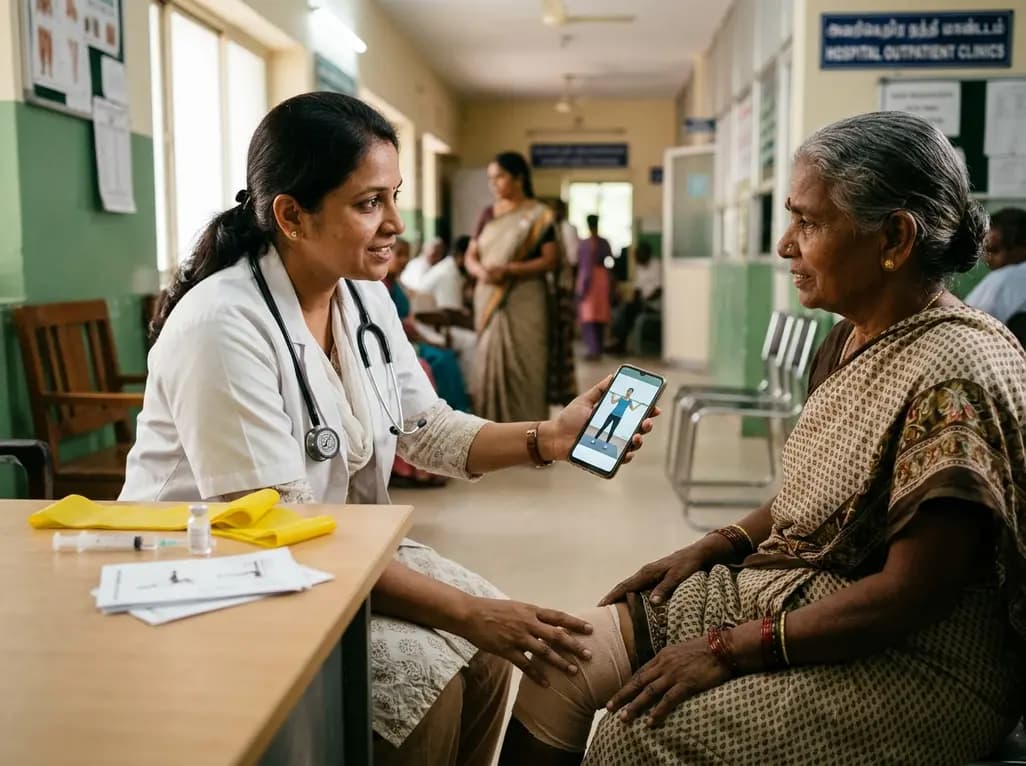
Adding a 12-week tele-supervised resistance band exercise program to intra-articular hyaluronic acid injections significantly improves physical function, chair stands, and mobility in knee osteoarthritis, despite showing no additive reduction in baseline pain scores.
Today

A secondary analysis of the OMDOT-1 trial highlights how tirzepatide and semaglutide uniquely reshape gut microbial diversity and metabolic pathways in type 2 diabetes, providing new insights into incretin-mediated metabolic regulation.
Today
