.webp&w=384&q=75)

Loading, please wait...
Loading, please wait...

In the evolving landscape of modern medicine, hospital readmission rates have surfaced as a critical benchmark for surgical quality. Specifically, within the specialized field of pediatric neurosurgery, unplanned readmissions serve as a proxy for the safety and efficiency of perioperative care. Consequently, understanding the drivers behind these readmissions is essential for clinicians aiming to enhance long-term patient outcomes. Recent longitudinal studies, such as the comprehensive analysis of nearly 100,000 procedures from 2012 to 2023, provide a wealth of data regarding pediatric neurosurgery readmissions. This large-scale analysis reveals that while the field is making steady progress, certain patient populations remain at a disproportionately high risk. By identifying these vulnerable groups, healthcare providers can tailor their postoperative monitoring and discharge planning to mitigate potential complications. Furthermore, the systematic tracking of these metrics allows hospitals to benchmark their performance against national standards, fostering an environment of continuous quality improvement. Ultimately, reducing readmissions is not just about cost-cutting; it is about ensuring that the most fragile patients receive the highest standard of care without the trauma of returning to the hospital shortly after their initial discharge.
Historically, pediatric neurosurgical procedures have carried a significant risk of postoperative complications due to the inherent complexity of the neurological system. However, the data indicates a promising shift in outcomes over the last decade. Between the era of 2012–2017 and 2018–2023, the rate of unplanned pediatric neurosurgery readmissions decreased from 10.8% to 9.1%. This statistical improvement suggests that hospitals are successfully implementing better surgical techniques and more robust postoperative protocols. Several factors likely contribute to this decline, including the widespread adoption of enhanced recovery after surgery (ERAS) pathways and improved management of surgical site infections. Nevertheless, despite this overall downward trend, certain high-acuity procedures continue to show persistently high readmission rates. For instance, procedures involving cerebrospinal fluid (CSF) shunts or complex tumor resections remain challenging. Although the field is moving in the right direction, clinicians must remain vigilant, as the baseline risk for readmission remains higher than in many other pediatric surgical subspecialties. By analyzing these temporal trends, we can better appreciate the progress made while also identifying the gaps that still require targeted intervention.
Risk stratification is a cornerstone of pediatric care, especially in neurosurgery where physiological margins are slim. The recent analysis of the American College of Surgeons National Surgical Quality Improvement Program (ACS NSQIP) data highlights several independent predictors of unplanned pediatric neurosurgery readmissions. Perhaps most significantly, age plays a pivotal role; children under one year of age and those born prematurely face significantly higher odds of returning to the hospital within 30 days. Additionally, the American Society of Anesthesiologists (ASA) physical status classification remains a strong predictor, with classes III and IV patients carrying a higher burden of risk. These patients often possess complex chronic conditions that complicate their recovery and require multi-disciplinary management. Moreover, comorbidities such as oxygen dependency, nutritional deficiencies, and previous neurosurgical interventions further elevate the risk profile. Consequently, surgeons must incorporate these patient-level variables into their preoperative counseling and postoperative planning. Recognizing these risk factors early allows for the implementation of proactive measures, such as extended inpatient observation or more frequent outpatient follow-ups, to ensure that subtle signs of decline are caught before they necessitate a full hospital readmission.
Not all neurosurgical procedures are created equal when it comes to the risk of 30-day readmission. The data clearly shows that CSF shunt placement and revision remain the primary drivers of unplanned pediatric neurosurgery readmissions. In contrast, procedures like craniosynostosis repair or simple spine surgeries typically exhibit much lower readmission rates. The mechanical nature of shunt systems, coupled with the constant threat of infection or proximal/distal obstruction, creates a unique set of challenges for the surgical team. Furthermore, children undergoing myelomeningocele closure often require complex wound care and are prone to CSF leaks, which frequently leads to unplanned hospital returns. On the other hand, tumor surgeries, while high in acuity, have seen significant improvements in readmission rates due to better imaging and surgical navigation technologies. Understanding these procedural nuances is vital for resource allocation within a neurosurgical department. For example, hospitals might choose to allocate more nursing resources or specialized case managers to patients undergoing shunt-related surgeries. By focusing efforts on these high-volume, high-risk procedures, healthcare systems can make the most significant impact on their overall quality metrics and patient safety profiles.
To continue the downward trend in pediatric neurosurgery readmissions, hospitals must move beyond simple observation and toward active quality improvement (QI) initiatives. One effective strategy involves the use of standardized screening tools, such as the High Acuity Readmission Risk Pediatric Screen (HARRPS), which helps identify patients who need more intensive discharge support. Additionally, fostering a culture of interdisciplinary collaboration between neurosurgeons, pediatricians, and specialized nurses can ensure a more seamless transition from hospital to home. In many cases, readmissions are triggered by preventable issues such as surgical site infections or medication errors. Therefore, implementing strict wound care protocols and robust pharmacy consultation services can significantly reduce these occurrences. Moreover, benchmarking against national databases like the NSQIP-P allows institutions to identify where they lag behind their peers and adopt best practices from high-performing centers. Furthermore, telemedicine has emerged as a valuable tool in the postoperative period, allowing for remote wound checks and symptom monitoring that can prevent a trip to the emergency department. By integrating these diverse strategies, pediatric neurosurgical departments can create a comprehensive safety net that supports both the patient and their family during the critical first month after surgery.
Looking ahead, the goal for pediatric neurosurgery is to achieve a level of precision that minimizes the unpredictability of postoperative recovery. Advances in genomic medicine and personalized surgical planning may soon allow us to predict which patients are genetically predisposed to poor wound healing or infection. Additionally, the integration of artificial intelligence and machine learning models could provide real-time risk assessments during the inpatient stay, alerting clinicians to subtle physiological changes that precede a major complication. As we move toward a more value-based healthcare model, the focus will likely shift from purely surgical success to long-term functional outcomes and family satisfaction. Consequently, the definition of a successful surgery will expand to include a smooth, readmission-free recovery. While the current data shows that we are indeed improving, the journey toward zero preventable readmissions continues. By maintaining a rigorous focus on data-driven practice and patient-centered care, the field of pediatric neurosurgery can continue to set the standard for surgical excellence. This commitment to improvement ensures that every child, regardless of the complexity of their condition, has the best possible chance at a healthy and uncomplicated recovery.
The most frequent reasons for unplanned pediatric neurosurgery readmissions include surgical site infections (SSI), cerebrospinal fluid (CSF) shunt malfunctions, and persistent neurological symptoms. Additionally, systemic issues such as dehydration, electrolyte imbalances, or uncontrolled pain can lead to hospital returns. While some readmissions are due to the natural progression of complex diseases, many are linked to preventable postoperative complications. Therefore, focusing on rigorous wound care and early symptom management is essential for reducing these rates.
Age is a critical factor in pediatric neurosurgery readmissions, particularly for infants under one year of age. These young patients have less physiological reserve and are more susceptible to infections and fluid imbalances. Furthermore, premature infants often have comorbid pulmonary or cardiac issues that complicate their recovery. Because their neurological systems are still rapidly developing, subtle changes in their clinical status can quickly escalate, necessitating a hospital readmission for close monitoring and intervention.
Yes, preoperative optimization is vital for minimizing pediatric neurosurgery readmissions. This involves stabilizing underlying chronic conditions, such as optimizing nutritional status and managing pre-existing respiratory issues. Additionally, identifying high-risk social factors, such as limited access to follow-up care or caregiver education gaps, allows for early intervention. By addressing these factors before surgery, clinicians can create a more stable baseline for the patient, which significantly improves the chances of an uncomplicated postoperative recovery and a successful discharge.
Disclaimer: This content is for informational and educational purposes only and does not constitute medical advice. It is not intended to be a substitute for professional medical advice, diagnosis, or treatment. Always seek the advice of your physician or other qualified health provider with any questions you may have regarding a medical condition. Refer to the latest local and national guidelines for clinical practice.
References
Sadeghzadeh S et al. Patient risk factors for 30-day unplanned readmission after pediatric neurosurgery: are we improving? J Neurosurg Pediatr. 2026 Jul 17. doi: 10.3171/2026.2.PEDS25600. PMID: 42468051.
Sese LVC, Guillermo MCL. Risk factors for unplanned readmissions in paediatric neurosurgery: a systematic review. BMJ Open. 2025 Jul 16;15(7):e093459. doi: 10.1136/bmjopen-2024-093459. PMID: 40669921.
Rocque BG, et al. Risk factors for unplanned readmission within 30 days after pediatric neurosurgery: a nationwide analysis of 9799 procedures from the American College of Surgeons National Surgical Quality Improvement Program. J Neurosurg Pediatr. 2016;18(3):350-362. doi: 10.3171/2016.3.PEDS15551.

Read summarized clinical updates, watch expert medical content, and earn CME certifications right from your smartphone.
Open your smartphone camera to scan and install.





A comprehensive analysis of temporal trends and patient-level risk factors for 30-day unplanned readmissions in pediatric neurosurgery, highlighting improvements and key drivers of care quality.
3 months ago

Explore vital recurrent stroke predictors in lacunar stroke patients managed with intensive blood pressure lowering. This analysis examines trial findings from SPS3 to uncover residual vascular risks, metabolic factors, and targeted secondary prevention strategies for high-risk neurological patients.
Today

Odisha has established India's first state-level clinical protocol specifically tailored for pregnant women with sickle cell disease. Developed with NHM and UNICEF, the framework provides structured antenatal screening, crisis mitigation, standardized referral pathways, and specialized interdisciplinary care.
Today

India is advancing preventive healthcare by integrating genomics, artificial intelligence, and quantum technologies. With the SANGAM programme sequencing one million Indian genomes, clinicians can unlock personalized therapies, detect cardiometabolic risks early, and curb the burden of diabetes and heart disease.
Today
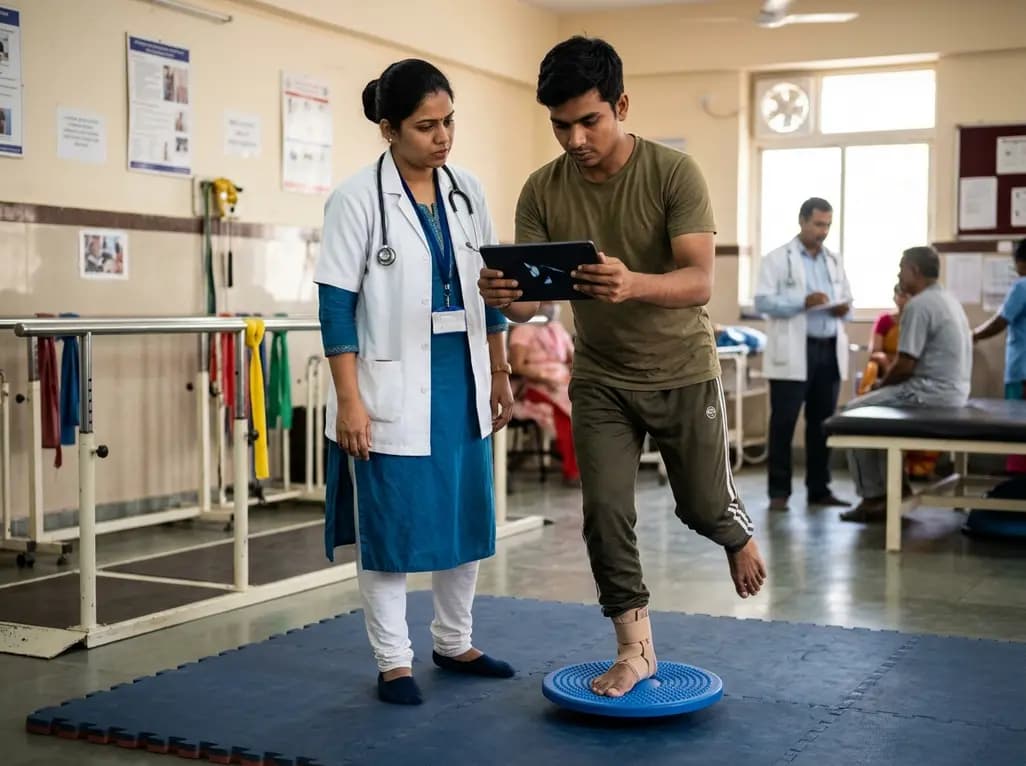
A randomized controlled trial demonstrates that an eight-week dual-task training intervention significantly improves static and dynamic postural control over standard balance exercises in individuals with chronic ankle instability, addressing critical neurocognitive deficits during athletic and daily activities.
Today

A retrospective cohort study of 7,716 ICU patients from the MIMIC-IV database demonstrates that Gradient Boosting Decision Trees significantly outperform traditional SOFA scores in predicting in-hospital mortality among patients with sepsis and diabetes, with SHAP analysis providing clinical interpretability.
Today
