.webp&w=384&q=75)

Loading, please wait...
Loading, please wait...

Providing a child-friendly environment is essential for conducting a pediatric MRI without sedation successfully. When children feel comfortable and prepared, they are significantly more likely to remain still during imaging procedures. This shift in care reduces the reliance on general anesthesia, which carries inherent medical risks and higher healthcare costs. A recent study evaluated the sustainability of the Children Centered Care (CCC) model six years after its initial implementation. The results demonstrate that these specialized protocols remain highly effective long after the initial project hype has subsided.
The CCC concept at Lillebelt University Hospital in Denmark utilizes several non-pharmacological tools. Specifically, the department developed an interactive mobile app and a dedicated children's lounge equipped with a toy scanner. Furthermore, specially trained pediatric radiographers facilitate the entire process through effective communication techniques. These elements help demystify the scanning process for children aged 4 to 10 years. Consequently, the environment transforms from a clinical setting into a more engaging and predictable space for young patients.
Researchers analyzed 436 children to determine if the high success rate persisted over time. Notably, the study found that 98.9% of these children successfully finished their scans without needing general anesthesia. Only five children in the entire cohort required sedation to complete the procedure. Furthermore, only 7.6% of the participants needed a repeat scan for various minor reasons. These statistics prove that well-designed child-centered protocols can maintain high clinical standards for years without losing efficacy.
Investing in such infrastructure provides substantial long-term benefits for hospital operations. While creating apps and lounges requires upfront resources, the subsequent reduction in anesthesia-related costs is significant. Moreover, avoiding sedation improves patient throughput and overall department efficiency. In addition, parents report feeling more prepared and secure when their children undergo these non-invasive preparations. Therefore, healthcare providers should prioritize these interventions to enhance pediatric safety and satisfaction.
The CCC model includes a dedicated children's lounge, an interactive app for preparation, and the use of toy scanners for practice. It also relies on radiographers who have received specific training in pediatric communication and distraction techniques.
According to long-term follow-up data, these protocols can achieve success rates as high as 98.9%. This high rate of completion remains stable even six years after the initial implementation of the child-centered environment.
Reducing anesthesia lowers the risk of respiratory complications and allergic reactions. Furthermore, it eliminates the need for fasting and post-procedure recovery time, making the diagnostic experience much easier for the family.
Disclaimer: This content is for informational and educational purposes only. It does not constitute medical advice or replace professional judgment. Refer to the latest local and national guidelines for clinical practice.
References
Precht H et al. Children centered care status after implementation: What happens when the spotlight and hype are turned off? J Med Imaging Radiat Sci. 2026 May 16. doi: undefined. PMID: 42143542.
Heyer JH et al. HSS Achieves 100% Success Rate for Sedation-Free Pediatric MRIs. Hospital for Special Surgery News. 2025 May 21.
Salas M. Using Technology for Distraction During Imaging in a Pediatric Population. Clin J Oncol Nurs. 2015 Aug;19(4):409-10. PMID: 26207704.

Read summarized clinical updates, watch expert medical content, and earn CME certifications right from your smartphone.
Open your smartphone camera to scan and install.





A follow-up study shows that Children Centered Care maintains a 98.9% success rate for pediatric MRI without sedation six years post-implementation....
5 months ago
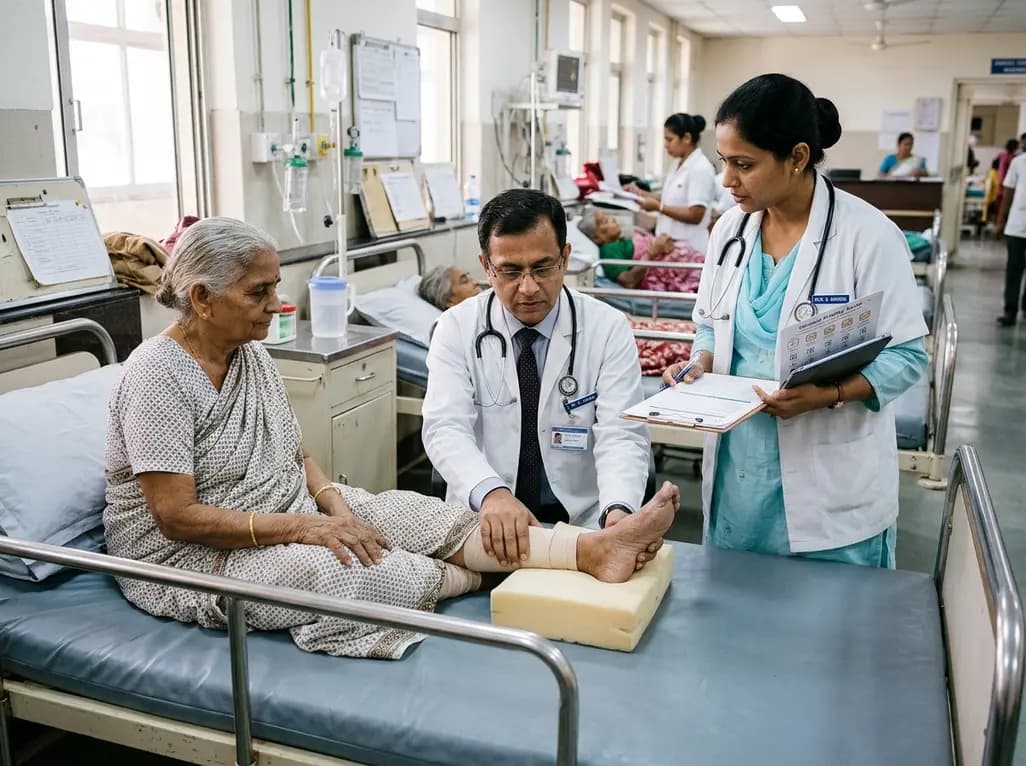
A retrospective cohort study reveals that frailty quadruples the odds of pressure injuries in hospitalized older adults. Integrating the Clinical Frailty Scale with comprehensive geriatric care is crucial for identifying vulnerability early and implementing targeted multidisciplinary prevention.
Today
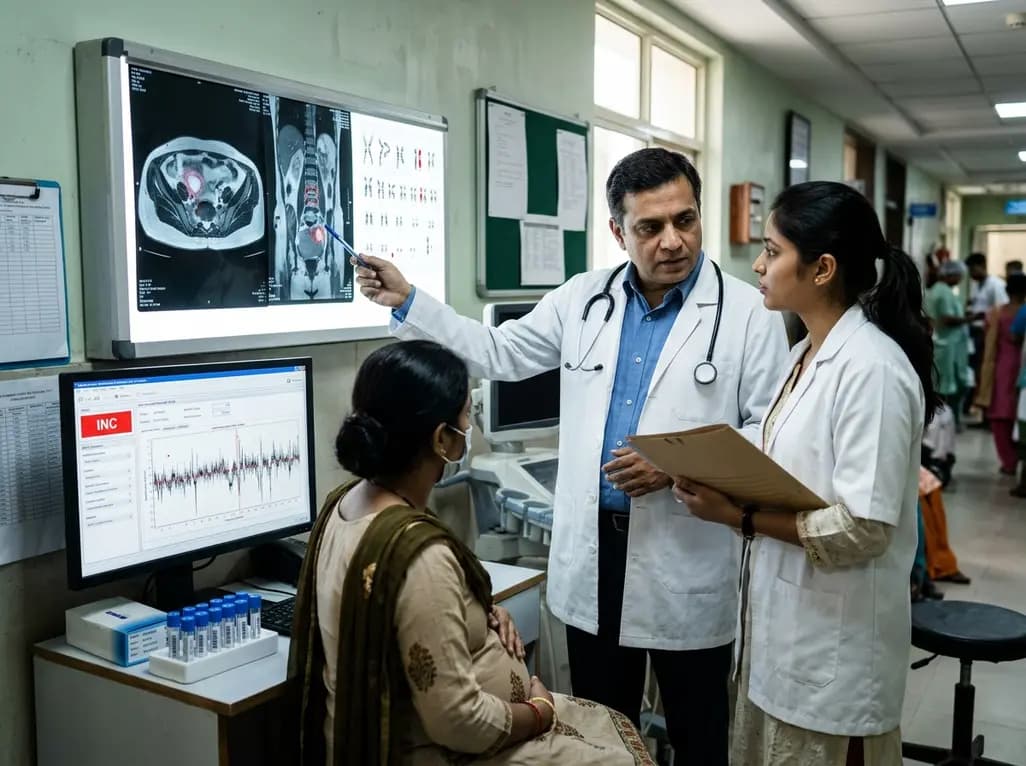
Occult maternal malignancy accounts for 3.82% of persistent unreportable NIPT results with genomic noise. Multiple chromosomal aberrations, notably on chromosome 18, warrant thorough oncological evaluation and whole-body MRI to ensure timely maternal diagnosis while preserving fetal care.
Today
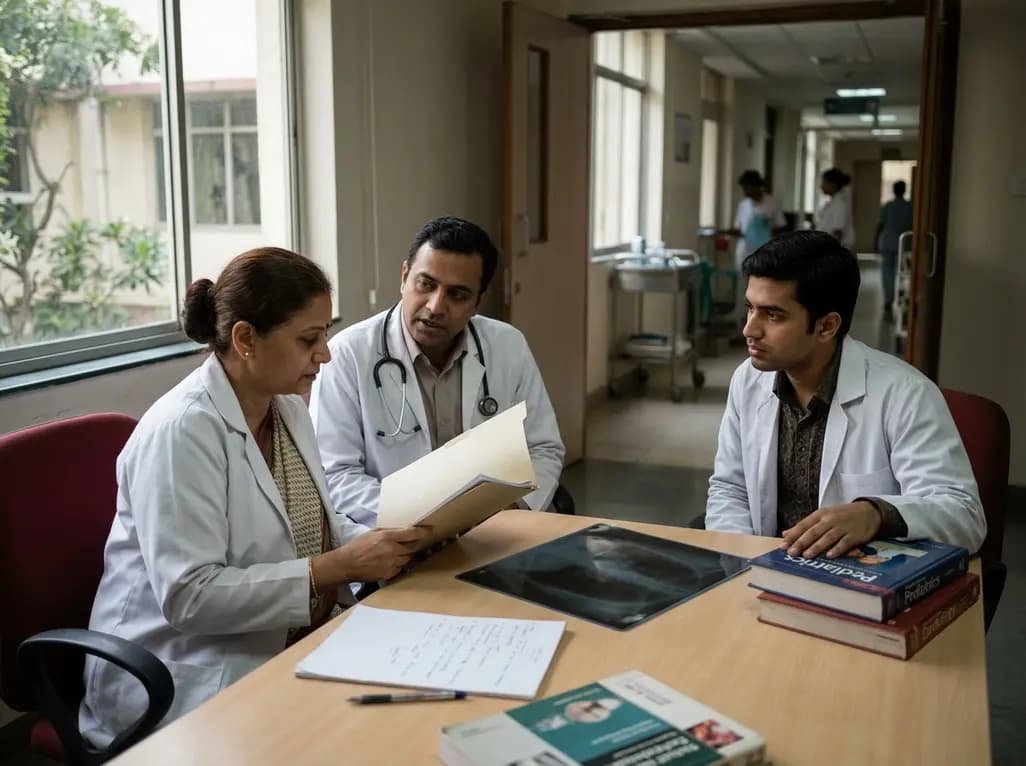
This article reviews the forensic and clinical complexities of acute myocarditis arising on left ventricular hypertrophy in children, highlighting early diagnostic red flags and multidisciplinary postmortem autopsy protocols.
Today

A randomized controlled trial demonstrates that an eight-week dual-task training intervention significantly improves static and dynamic postural control over standard balance exercises in individuals with chronic ankle instability, addressing critical neurocognitive deficits during athletic and daily activities.
Today

A retrospective cohort study of 7,716 ICU patients from the MIMIC-IV database demonstrates that Gradient Boosting Decision Trees significantly outperform traditional SOFA scores in predicting in-hospital mortality among patients with sepsis and diabetes, with SHAP analysis providing clinical interpretability.
Today
