.webp&w=384&q=75)

Loading, please wait...
Loading, please wait...
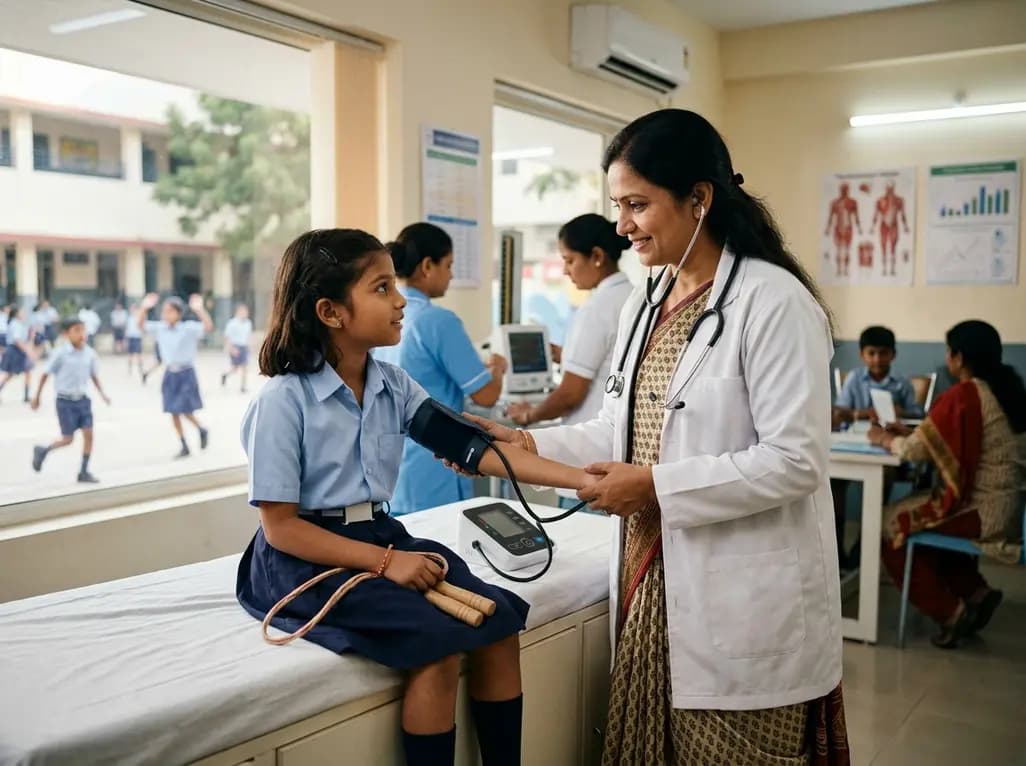
Pediatric hypertension and exercise represent a critical intersection in modern preventive medicine, especially as childhood obesity rates continue to rise globally. Recently, researchers have identified that elevated blood pressure in youth is no longer a rare clinical finding but a burgeoning public health crisis. This shift is largely attributed to secular trends in lifestyle behaviors that have changed significantly over the last decade. Consequently, clinicians must understand the complex relationship between physical activity and vascular health in young populations. High blood pressure in childhood often tracks into adulthood, significantly increasing the long-term risk of cardiovascular events. Therefore, early intervention through lifestyle modification is essential. Studies involving massive cohorts, such as the one encompassing 0.6 million children, highlight that the environment in which a child lives and learns plays a fundamental role. By focusing on pediatric hypertension and exercise, healthcare providers can better tailor their counseling to address specific deficits in activity levels. Furthermore, the rising prevalence of sedentary behavior necessitates a more proactive approach in primary care settings. Ultimately, identifying these trends allows for the development of more effective, evidence-based prevention strategies that target the root causes of hypertension in the youth.
To understand why blood pressure levels are rising, we must examine the ecological model of health, which considers multiple layers of influence. Specifically, this model analyzes how society-level, school-level, and individual-level factors interact to determine a child's activity profile. At the societal level, urbanization and technological advancements have reduced the necessity for daily movement. Additionally, school-level factors, such as the availability of playgrounds and the duration of physical education classes, directly impact a child's daily energy expenditure. Individual factors, including personal preferences for screen time and metabolic health, further complicate this picture. Therefore, a narrow focus on individual choices often fails to capture the broader drivers of the epidemic. Researchers have found that children in environments with limited access to safe play areas are significantly more likely to develop elevated blood pressure. However, when school-level interventions are robust, they can mitigate some of the negative influences from the broader social environment. Consequently, implementing a multilevel approach is necessary for any successful public health campaign. By addressing these diverse factors, we can create a more supportive atmosphere for children to achieve the recommended levels of daily movement.
Data from the past decade reveals a concerning trend toward increased sedentary behavior among adolescents. Between 2010 and 2019, the proportion of children failing to meet international physical activity guidelines has increased notably. This trend is particularly evident in middle-income and developing nations where rapid lifestyle transitions are occurring. For instance, the widespread adoption of digital devices has replaced traditional outdoor play with hours of screen time. As a result, the caloric imbalance and lack of vascular stimulation have led to an increase in mean systolic and diastolic blood pressure. Moreover, these secular trends are not uniform across all demographics; older adolescents often show the steepest declines in activity. This lack of movement is a primary driver of weight gain, which remains the strongest risk factor for hypertension. However, even among children with a healthy body mass index, inadequate physical activity independently increases the risk of vascular stiffness. Therefore, clinicians should not assume that a lean child is immune to the effects of a sedentary lifestyle. Addressing these shifts requires a deep understanding of how modern life has restructured a child's typical day.
The school environment is perhaps the most influential setting for shaping a child's physical health. Recent research emphasizes that schools with mandatory physical education and active recess periods show lower rates of elevated blood pressure among students. Conversely, schools that prioritize academic seat time over physical activity contribute to the secular trend of rising blood pressure. Furthermore, the quality of physical education is just as important as the quantity. Effective programs focus on moderate-to-vigorous activity that improves cardiorespiratory fitness. Additionally, the presence of school-based health initiatives can identify children with pre-hypertension before they progress to clinical disease. Consequently, school policies are a vital lever for public health intervention. Teachers and administrators play a role as facilitators of health by encouraging movement throughout the school day. Therefore, advocacy for better school-level resources is a legitimate clinical recommendation for pediatricians and family physicians. When children are provided with the opportunity to move during their most productive hours, their cardiovascular risk profiles improve significantly. This highlights the need for systemic changes in the educational framework to support long-term metabolic health.
For healthcare practitioners, managing pediatric hypertension and exercise requires a multifaceted clinical strategy. The first step involves accurate screening using age-, sex-, and height-specific blood pressure charts. Once elevated blood pressure is identified, the focus should immediately shift to lifestyle counseling as the primary intervention. Specifically, clinicians should recommend at least sixty minutes of moderate-to-vigorous physical activity every day, in line with global guidelines. Moreover, reducing total screen time to less than two hours daily is essential for reducing sedentary strain. In addition to these individual recommendations, doctors can engage with parents to modify the home environment. For example, encouraging family walks or active weekend outings can foster a culture of health. Furthermore, clinicians should monitor for comorbidities like obesity and dyslipidemia, which often coexist with hypertension. If lifestyle modifications do not yield results within three to six months, pharmacological therapy may be considered, but it should never replace exercise. Ultimately, the goal is to empower families with practical, sustainable habits that protect the child's vascular system throughout their lives.
The broader societal landscape significantly influences the long-term cardiovascular health of the pediatric population. Urban planning that includes parks, sidewalks, and bike lanes is essential for promoting spontaneous physical activity. Additionally, socioeconomic factors often dictate the level of access a child has to organized sports and safe recreational facilities. Consequently, children from lower-income backgrounds may face higher risks due to environmental constraints. To combat this, public health policies must focus on equitable access to active living environments. Furthermore, media campaigns that promote the benefits of an active lifestyle can help shift cultural norms away from sedentary entertainment. Therefore, the medical community must act as a voice for policy changes that favor pediatric health. By participating in community outreach and local advocacy, physicians can help bridge the gap between clinical advice and real-world application. Notably, the success of individual interventions often depends on the supportiveness of the surrounding society. As we look toward the future, the integration of health-conscious urban design and strong community programs will be the hallmark of successful hypertension prevention. Thus, a collective effort is required to reverse the current trends and ensure a healthier future for the next generation.
Physical activity lowers blood pressure by improving vascular endothelial function and increasing the bioavailability of nitric oxide. This process enhances vasodilation and reduces peripheral resistance within the circulatory system. Additionally, regular exercise helps regulate the autonomic nervous system by decreasing sympathetic activity and increasing parasympathetic tone. These physiological changes collectively lower resting heart rate and blood pressure, providing a robust defense against the development of chronic hypertension in growing children.
Effective school-level interventions include mandating at least 150 minutes of physical education per week and ensuring that recess periods are active. Schools that provide diverse equipment and structured play activities see higher participation rates among students. Furthermore, incorporating short "brain breaks" involving movement between lessons can reduce prolonged sedentary time. These environmental changes create a school culture that prioritizes metabolic health, leading to measurable improvements in the collective blood pressure profiles of the student body.
Indian clinicians should adopt a holistic screening approach that assesses a child's school and home environment alongside clinical metrics. During consultations, it is vital to ask specific questions about the availability of playgrounds and the duration of school PE sessions. By identifying environmental barriers, doctors can provide more realistic and tailored advice, such as recommending indoor exercises or community-based sports clubs. This approach ensures that lifestyle prescriptions are practical and achievable within the patient's specific socioeconomic context.
Disclaimer: This content is for informational and educational purposes only... Refer to the latest local and national guidelines for clinical practice.
References
Liu J et al. Secular trends in society-, school-, and individual-level factors related to physical activity and their associations with elevated blood pressure among 0.6 million children and adolescents. Chin Med J (Engl). 2026 Jul 05. doi: 10.1097/CM9.0000000000003868. PMID: 42401992.
World Health Organization. WHO Guidelines on Physical Activity and Sedentary Behaviour. Geneva: World Health Organization; 2020.
Khullar S, Asaithambi A, Pais P, Chanchlani R. Approach to Diagnosis and Management of Pediatric Hypertension in an Outpatient Setting. Indian J Nephrol. 2025;35:460-9. doi: 10.25259/IJN_385_2024.

Read summarized clinical updates, watch expert medical content, and earn CME certifications right from your smartphone.
Open your smartphone camera to scan and install.





A massive study of 0.6 million children reveals how multilevel factors—from school environments to individual habits—influence the rising rates of elevated blood pressure.
3 months ago

Review how tailored exercise programs benefit frail older patients with heart failure. Explore pathophysiological mechanisms, individualized training prescriptions, and strategies to overcome adherence barriers in clinical practice.
Today

Leucine Rich Bio has introduced South Asia's first comprehensive vaginal microbiome test, BugSpeaks. By profiling microbial dysbiosis, pathogens, and antimicrobial resistance, this next-generation diagnostic platform provides clinicians with deeper insights into recurrent infections, fertility, and reproductive health.
Today

In high-risk pulmonary embolism complicated by severe anemia and active uterine bleeding, systemic thrombolysis is contraindicated. Large-bore aspiration thrombectomy provides rapid hemodynamic rescue without fibrinolysis, supported by inferior vena cava filter placement and multidisciplinary critical care.
Today

This comparative study evaluates posterior labral tears with and without glenohumeral instability, highlighting distinct demographic patterns, MRI underestimation in stable shoulders, and successful arthroscopic repair outcomes.
Today

A clinical study demonstrates that early intervention with tocilizumab, either as monotherapy or bridged with corticosteroids, achieves significant proptosis reduction and resolves active inflammation in treatment-naive thyroid eye disease.
Today
