

Loading, please wait...
Loading, please wait...
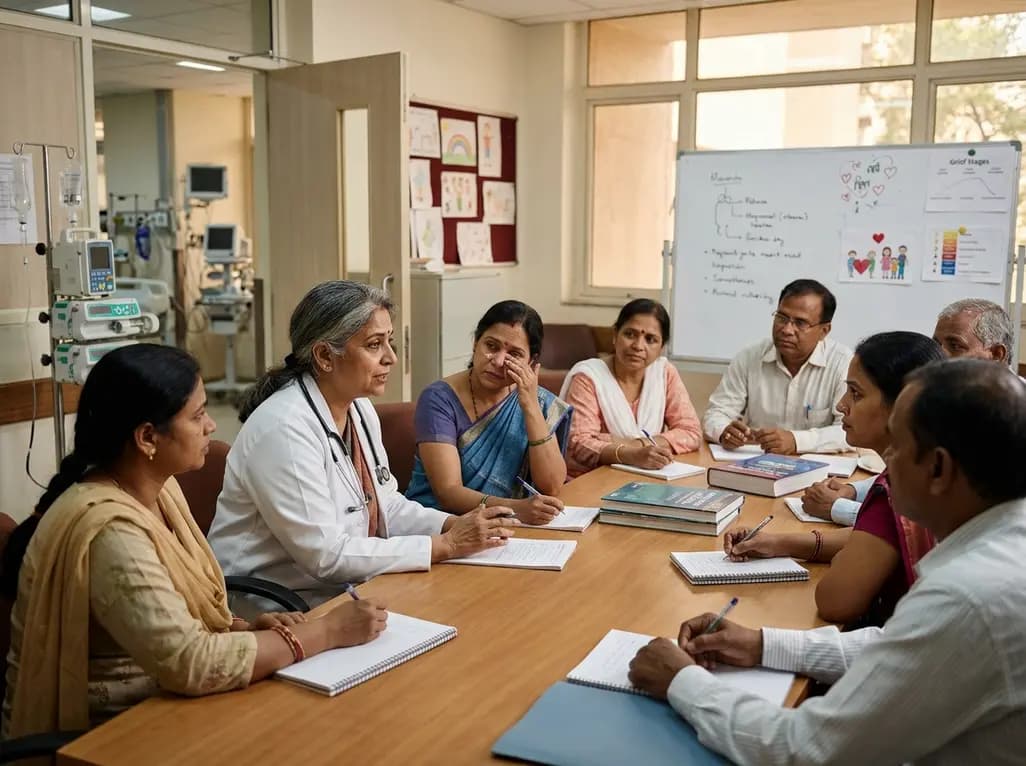
Bereavement significantly influences the emotional, developmental, and physical well-being of young people. Therefore, establishing accessible pediatric grief support within community and healthcare settings remains an essential clinical priority. When children experience the death of a parent, sibling, or close friend, they frequently confront overwhelming feelings of confusion, isolation, and sadness. Clinical pediatric providers recognize that unresolved bereavement can trigger enduring psychological difficulties, including major depression, anxiety disorders, and academic decline. Community-based organizations address these critical challenges by offering dedicated, volunteer-facilitated peer support programming. Specifically, centers dedicated to grieving youth establish secure environments where children openly process loss through therapeutic dialogue, expressive arts, and mutual sharing. In these welcoming peer groups, young participants realize that their emotional reactions are normal and shared by others. Furthermore, connecting with peers who share similar traumatic losses significantly reduces stigma and psychological distress. Consequently, children build emotional resilience, learn healthy coping mechanisms, and restore self-confidence. Healthcare professionals must recognize the therapeutic power of these programs, advocating for stronger integration between hospital services and community bereavement resources.
High-quality bereavement care relies heavily on well-trained facilitators who can create safe emotional spaces for vulnerable youth. Therefore, community grief centers must implement structured, evidence-informed educational programs for incoming volunteers before they enter support rooms. These comprehensive curricula provide foundational training in childhood development, bereavement trajectories, and trauma-informed communication principles. In addition, prospective facilitators examine how grief expressions shift across developmental stages, distinguishing between preschool behavioral regression and adolescent withdrawal. Experiential role-playing exercises constitute another indispensable pillar of this preparation. Through simulated peer group dynamics, volunteers practice handling difficult emotional disclosures, managing interpersonal conflict, and maintaining healthy group discussions. Moreover, instructors emphasize the clear distinction between non-clinical peer facilitation and formal psychotherapy. Volunteers learn to listen actively, offer validation, and avoid imposing unsolicited personal advice or diagnostic labels. Because grieving families reflect diverse backgrounds, curricula also address cultural variations in mourning practices and memorialization rituals. Ultimately, this rigorous preparation gives facilitators the practical skills and confidence necessary to navigate complex group interactions safely and compassionately.
Initial training establishes fundamental competencies, but ongoing supervision safeguards program quality and facilitator well-being over time. Consequently, structured supervisory frameworks serve as an indispensable cornerstone for volunteer retention and organizational sustainability. Mandatory debriefing sessions following every peer meeting provide facilitators with immediate opportunities to process difficult emotional encounters. During these reflective meetings, licensed mental health professionals offer clinical guidance, examine group dynamics, and address emerging behavioral challenges. Furthermore, peer supervision fosters a collaborative community where facilitators exchange practical strategies, celebrate successes, and offer mutual encouragement. Organizations also organize continuing education workshops covering advanced topics, such as anticipatory mourning, digital grieving spaces, and traumatic bereavement. In addition, program coordinators proactively monitor volunteers for early indicators of compassion fatigue, secondary traumatic stress, and emotional burnout. When administrators actively value volunteer perspectives and implement collaborative improvements, facilitators feel respected and protected. Therefore, structured supervision protects institutional standards while simultaneously reinforcing personal stamina. By committing dedicated resources to consistent supervisory support, organizations foster a healthy, loyal volunteer community capable of delivering sustained empathetic care.
Unanticipated societal disruptions, such as public health emergencies or economic downturns, can severely impact non-profit operational capacities and volunteer availability. Nevertheless, resilient grief centers maintain remarkable volunteer stability by implementing flexible, adaptive organizational strategies. For instance, when in-person meetings become impossible, agile organizations rapidly transition peer support groups to secure digital platforms. To facilitate this crucial transition, program directors provide focused virtual training that addresses online engagement hurdles, digital privacy, and screen fatigue. Furthermore, leadership teams maintain transparent, empathetic communication, providing volunteers with consistent updates regarding operational changes and safety policies. Regular appreciation initiatives, such as personalized expressions of gratitude and virtual community gatherings, consistently reinforce the value of volunteer contributions. In addition, organizations offer flexible participation schedules to accommodate shifting employment demands, caregiving duties, and personal hardships. Consequently, facilitators retain a deep connection to the organizational mission despite external stressors. By cultivating institutional agility, mutual trust, and transparent communication, bereavement centers protect their volunteer workforce and ensure uninterrupted support for grieving children during broader crises.
Pediatric hospital wards, intensive care units, and palliative care teams frequently encounter resource limitations and heavy emotional burdens. Therefore, clinical leaders can adapt valuable lessons from community volunteer models to enhance pediatric palliative services. Integrating dedicated, highly trained volunteers into clinical teams expands supportive companionship for seriously ill children and their families. For example, volunteers can provide bedside comfort, respite supervision, and expressive art activities that relieve exhausted family caregivers. However, successful clinical integration requires meticulous alignment with medical privacy laws, infection control protocols, and institutional credentialing standards. Hospital administrators must establish distinct boundary definitions so that volunteer activities complement professional nursing and psychosocial interventions without causing role confusion. Furthermore, interdisciplinary clinical teams must include volunteers in relevant coordination meetings to ensure seamless care delivery. In addition, medical staff must provide hospital volunteers with access to clinical debriefing, acknowledging the severe emotional toll of end-of-life care. Ultimately, bridging community-derived volunteer methodologies with hospital-based palliative programs creates a comprehensive, deeply compassionate healthcare ecosystem that supports bereaved families through every stage of loss.
Trained volunteers facilitate structured peer support groups where grieving children share feelings, process loss, and engage in therapeutic creative activities. Although volunteers do not deliver formal psychotherapy, their active listening and compassionate presence normalize the grieving journey. Consequently, participating children recognize that their grief reactions are natural, which alleviates isolation, fosters healthy emotional coping strategies, and strengthens overall psychological resilience during bereavement.
Organizations protect volunteers by implementing mandatory post-session debriefings, accessible mental health professionals, and routine peer supervision groups. Furthermore, leadership teams monitor facilitator workloads, enforce clear emotional boundaries, and encourage temporary leaves when personal distress arises. In addition, offering continuing education workshops on self-care and secondary trauma empowers volunteers to process difficult emotions constructively, sustaining their long-term empathy and dedication to the service.
Clinical pediatric palliative care programs can safely integrate volunteer models by establishing rigorous screening, comprehensive ethical training, and defined clinical boundaries. Volunteers deliver non-clinical companionship, family respite, and compassionate peer grief support, complementing hospital medical staff. Additionally, routine multidisciplinary coordination ensures clinical compliance, maintains patient privacy standards, and provides institutional support, creating a collaborative and emotionally supportive environment for vulnerable families.
Disclaimer: This content is for informational and educational purposes only... Refer to the latest local and national guidelines for clinical practice.
References

Read summarized clinical updates, watch expert medical content, and earn CME certifications right from your smartphone.
Open your smartphone camera to scan and install.





Community bereavement organizations rely heavily on trained volunteers to sustain peer support programs. This overview explores structured training, ongoing supervision, and retention frameworks from pediatric grief support initiatives, offering actionable insights for clinical and palliative care teams.
Today

A real-world cross-sectional study in Thailand reveals that a web-based bone health self-assessment tool effectively captured clinical risk profiles, prompting DXA recommendations in 37% of users—over half of whom were below standard screening ages due to non-age clinical vulnerabilities.
Today
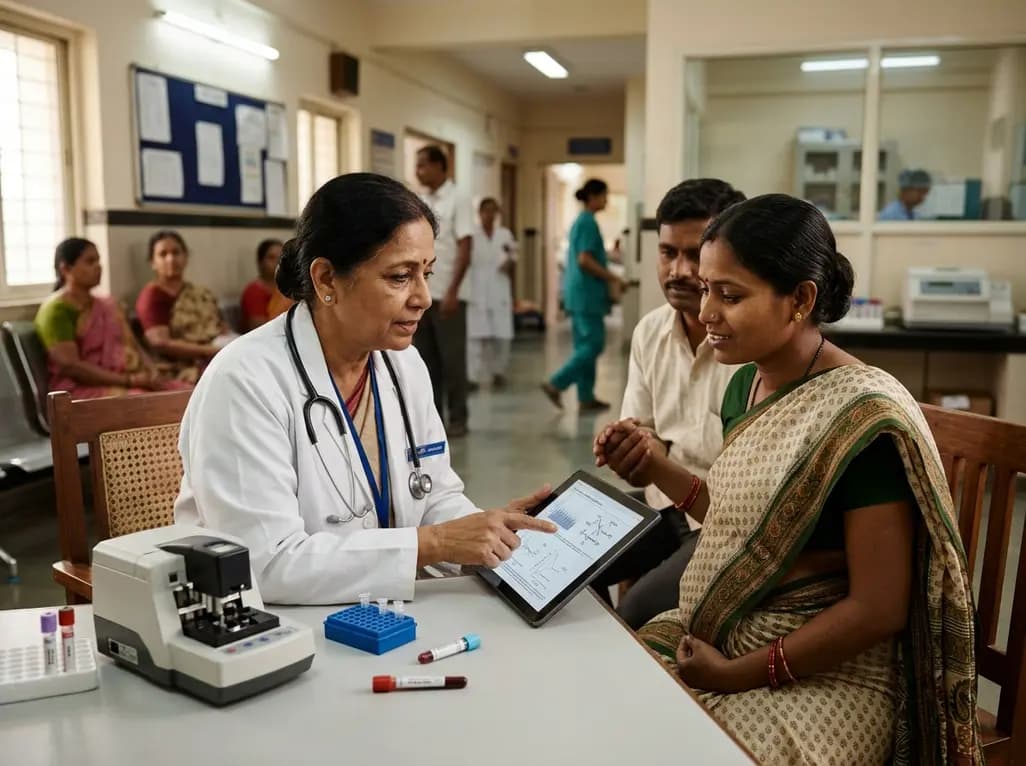
Researchers have engineered a sensitive electrochemiluminescent sandwich immunosensor utilizing silver nanoparticles and quantum dots to quantify placental growth factor, paving the way for rapid, accurate, and accessible early preeclampsia screening in clinical practice.
Today

This report reviews the successful off-pump surgical retrieval of a migrated patent ductus arteriosus closure device in an 8-week-old preterm infant, preventing cardiopulmonary bypass morbidity while relieving aortic obstruction.
Today
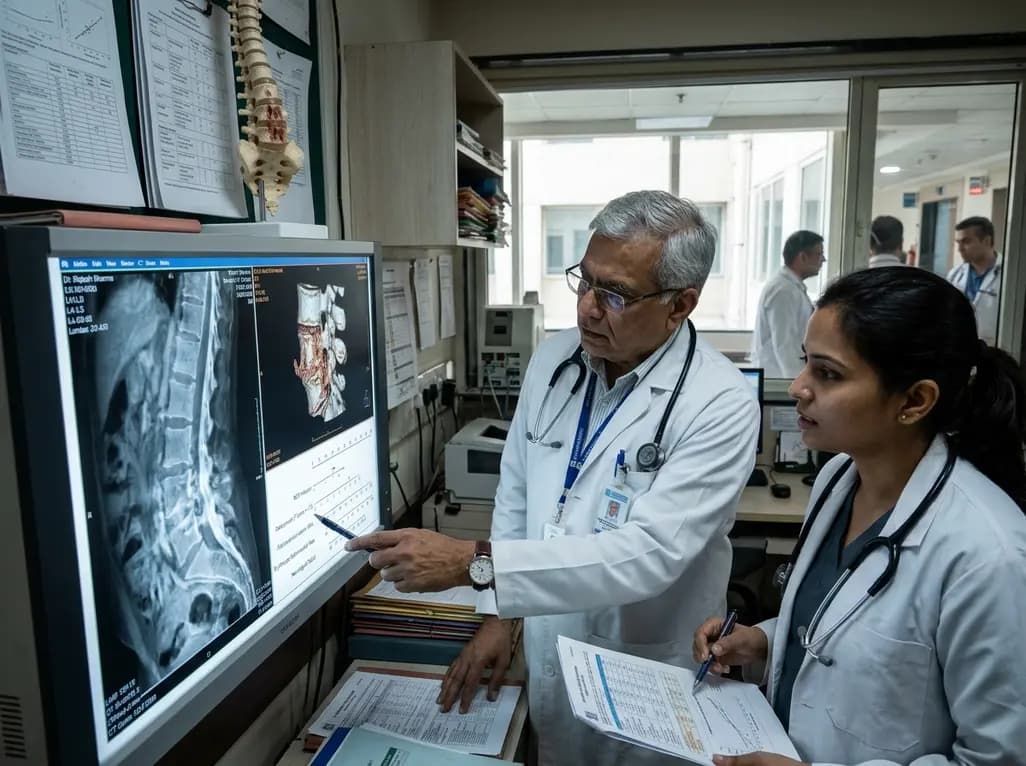
A new visual nomogram predicts postinfectious bone loss in spinal infection patients with high accuracy (AUC 0.946). Integrating markers like osteoporosis and MDR infection, the model aids early risk stratification to prevent spinal instability and deformity.
Today

As lifestyle diseases surge across India, clinicians face rising challenges from dietary misinformation and unmonitored therapies. Prioritising structured nutrition therapy, evidence-based self-care, and robust regulatory oversight offers a sustainable pathway to counter metabolic dysfunction and enhance patient health.
Today
