.webp&w=384&q=75)

Loading, please wait...
Loading, please wait...

Standardized procedural documentation represents a foundational cornerstone of quality assurance, patient safety, and interdisciplinary communication in pediatric gastrointestinal endoscopy. Historically, pediatric endoscopists adapted documentation templates directly from adult guidelines. However, pediatric anatomy, distinct pathologies, and specialized sedation requirements demand customized frameworks. In daily clinical practice, operative documentation remains heterogeneous across tertiary pediatric centers. Consequently, procedural reports often omit critical descriptors, such as validated mucosal injury classifications, exact biopsy locations, and device specifications. This documentation gap compromises clinical continuity when young patients transfer across medical institutions. Furthermore, narrative discrepancies impede multicenter clinical research and quality benchmarking initiatives. Therefore, the Italian Society of Pediatric Gastroenterology, Hepatology and Nutrition convened an expert panel to create the PREFERENDO consensus. This landmark initiative formulates rigorous, evidence-informed reporting standards for specialized pediatric procedures. In addition, adopting unified nomenclature ensures that every clinical report communicates diagnostic precision and therapeutic outcomes unambiguously. Ultimately, standardized reporting safeguards young patients, improves clinical communication, and drives institutional excellence across pediatric gastroenterology units.
The PREFERENDO project utilized a rigorous modified Delphi consensus technique to establish advanced pediatric reporting recommendations. Specifically, the SIGENP Endoscopy Working Group assembled 34 recognized pediatric endoscopy experts with extensive procedural experience. The panel evaluated 50 detailed statements spanning advanced upper endoscopy, video capsule endoscopy, and device-assisted enteroscopy. During iterative survey rounds, panelists rated each clinical statement using a structured 6-point Likert scale. Furthermore, the steering committee established stringent consensus criteria prior to voting. Statements achieved consensus only if they secured a mean score of at least 5.0 and an overall agreement rate of 70% or higher. Notably, following two rigorous Delphi voting rounds, the panel approved 47 statements while discarding three statements that failed to achieve consensus. Additionally, expert discussions refined the final syntax of approved recommendations to prevent interpretive ambiguity. This structured consensus methodology minimized individual bias and synthesized collective clinical expertise effectively. Consequently, the approved recommendations reflect practical, evidence-informed priorities that clinicians can integrate into digital endoscopy reporting platforms seamlessly.
Upper endoscopy in children frequently involves intricate diagnostic and therapeutic interventions, such as stricture dilation, variceal ligation, foreign body removal, and targeted mucosal biopsies. Therefore, the PREFERENDO consensus mandates comprehensive procedural reporting beyond elementary narrative notes. Clinicians must record standardized descriptors, precise anatomical landmarks, and validated scoring systems. For example, reports describing reflux esophagitis should incorporate validated criteria such as the Los Angeles classification. Similarly, endoscopists evaluating eosinophilic esophagitis should utilize standardized scoring tools like the EREFS grading system. Moreover, the consensus emphasizes documenting technical equipment specifications, including endoscope outer diameter, working channel size, and therapeutic accessories. Operative notes must detail therapeutic maneuvers, such as dilation balloon diameters, inflation pressures, and mucosal injection agents. Furthermore, endoscopists must accurately document sedation depth, hemodynamic stability, and patient tolerance in conjunction with anesthesia providers. When unexpected adverse events arise, structured documentation of immediate remediation safeguards clinical accountability. As a result, comprehensive upper endoscopy reporting enables safe post-procedural management and facilitates continuity of care.
Pediatric video capsule endoscopy provides non-invasive diagnostic visualization of the small bowel, particularly in suspected Crohn's disease, obscure bleeding, and polyposis syndromes. However, evaluating thousands of sequential images creates notable interpretation variability among reviewing gastroenterologists. Consequently, the PREFERENDO framework establishes core reporting domains to ensure standardized capsule endoscopy documentation. Clinicians must document the clinical indication, prior patency capsule evaluations, and bowel preparation regimens systematically. Additionally, reports must record fundamental operational metrics, including gastric transit time, small bowel transit time, and visualization completeness. The consensus panel strongly recommends standardized diagnostic terminology for mucosal breaks, vascular anomalies, and inflammatory lesions. For instance, clinicians assessing small bowel Crohn's disease should calculate and report validated activity indices, such as the Lewis Score. Furthermore, documenting capsule passage into the cecum confirms complete small bowel exploration. If capsule retention occurs, prompt documentation informs appropriate clinical interventions. Ultimately, adopting these standardized reporting domains transforms subjective visual interpretation into reproducible clinical data, strengthening diagnostic precision and therapeutic monitoring.
Device-assisted enteroscopy, including single-balloon, double-balloon, and spiral platforms, enables deep diagnostic and therapeutic access to the pediatric small intestine. Because these complex procedures carry increased risks of perforation and pancreatitis, meticulous procedural documentation is indispensable. The PREFERENDO framework establishes specific procedural elements that pediatric endoscopists must document routinely. First, operative reports must identify the insertion route, whether anterograde or retrograde, and the specific enteroscope platform utilized. Second, endoscopists must document maximum insertion depth beyond anatomical landmarks using validated estimation techniques. Furthermore, clinicians should record overtube maneuvers, stability metrics, and fluoroscopy duration when used. Interventional procedures require comprehensive detail, including electrocautery parameters, hemoclip specifications, and mucosal injection volumes. In addition, endoscopists must document submucosal tattooing to assist future surgical localization. Post-procedural monitoring notes must record surveillance for acute pancreatitis and delayed bleeding. Consequently, structured enteroscopy reporting ensures complete procedural traceability and elevates patient safety. Adopting these standardized templates across Indian tertiary centers will streamline documentation workflows and benchmark clinical performance against international standards.
The PREFERENDO consensus aims to establish standardized, evidence-informed reporting parameters for advanced pediatric gastrointestinal endoscopy. By establishing unified descriptors for upper endoscopy, capsule endoscopy, and enteroscopy, the framework resolves widespread documentation heterogeneity. Consequently, standardized reporting enhances procedural clarity, protects patient safety, and improves multidisciplinary clinical handover. Furthermore, it creates a robust infrastructure for international quality improvement registries and multicenter collaborative research across pediatric gastroenterology centers.
Validated scoring tools, such as the Lewis Score and the Capsule Endoscopy Crohn's Disease Activity Index, provide objective quantification of mucosal inflammation. Pediatric small bowel diseases often present with subtle mucosal changes that subjective descriptions might mischaracterize. Therefore, adopting validated scoring criteria standardizes disease severity stratification, facilitates longitudinal monitoring of mucosal healing, and guides timely therapeutic adjustments. Moreover, uniform scoring enables dependable comparability across different evaluators and multi-institutional clinical trials.
Indian endoscopy units can incorporate these consensus recommendations directly into existing electronic health record templates through structured drop-down menus and mandatory reporting fields. Clinicians should prioritize recording exact endoscope dimensions, insertion depths, and therapeutic interventions systematically. Additionally, departmental morbidity and mortality conferences should utilize these standardized metrics to assess procedural quality. This approach reduces reporting omissions, streamlines workflow, and aligns institutional practice with international pediatric quality standards.
Disclaimer: This content is for informational and educational purposes only... Refer to the latest local and national guidelines for clinical practice.
References

Read summarized clinical updates, watch expert medical content, and earn CME certifications right from your smartphone.
Open your smartphone camera to scan and install.





The PREFERENDO Delphi consensus establishes unified reporting standards for advanced pediatric gastrointestinal endoscopy, including upper endoscopy, video capsule endoscopy, and device-assisted enteroscopy, improving documentation accuracy, procedural safety, and multicenter clinical collaboration.
Today

At the New Delhi Summit, BRICS leaders adopted a landmark declaration committing member nations to united action against tuberculosis, non-communicable diseases, and future pandemic threats. Key actions include NIMHANS-led mental health networks, digital health architectures, and evidence-based integrative medicine.
Today

Perimenopausal obstructive sleep apnea often goes undetected due to atypical polysomnographic presentations and symptom overlap with menopause. This review details its neurocognitive mechanisms, polysomnography markers, and precision management strategies.
Today
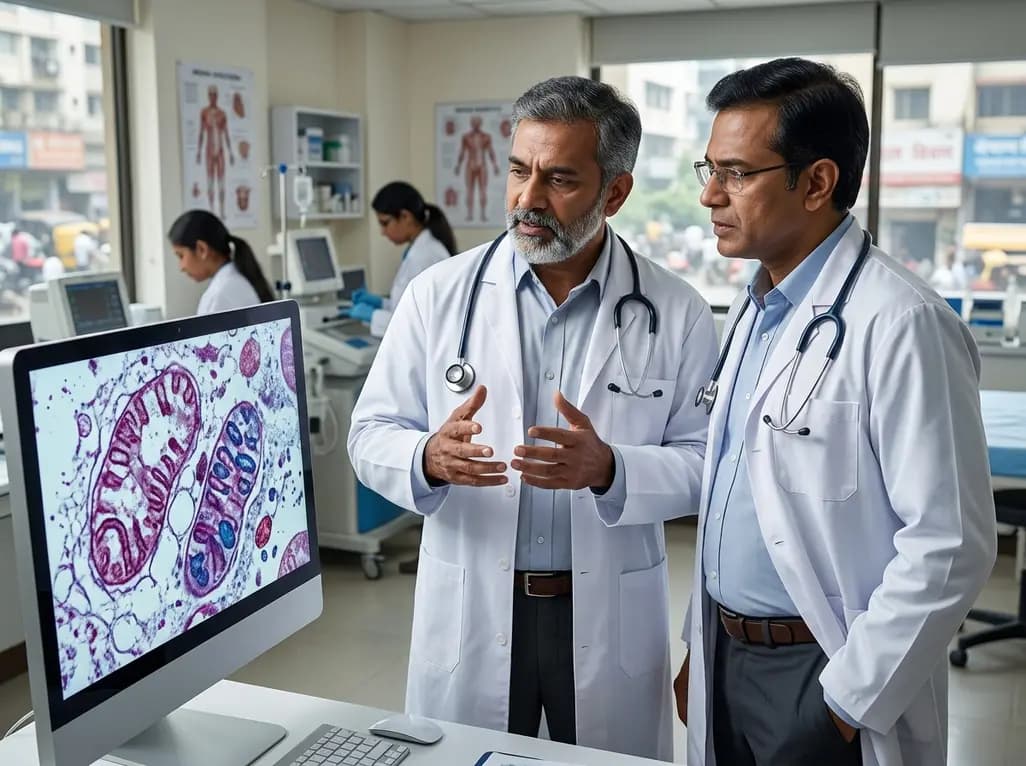
Mitochondrial deubiquitinases regulate organelle turnover by editing ubiquitin tags on damaged mitochondria. Discover how targeting these enzymes, notably USP30, offers therapeutic strategies for neurodegenerative, cardiovascular, and metabolic disorders.
Today
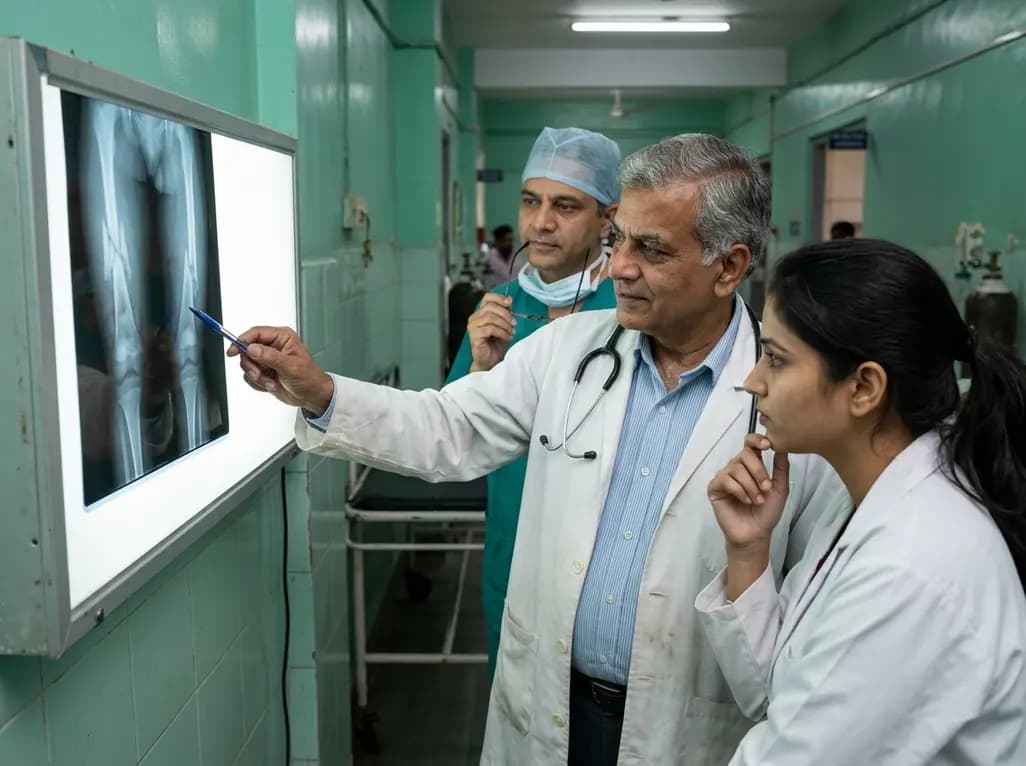
A rare case of a pediatric pathological femoral fracture caused by occult telangiectatic osteosarcoma demonstrates the risks of misdiagnosis after trauma, where intramedullary nailing prompted iatrogenic tumor dissemination and required modular total endoprosthetic reconstruction.
Today
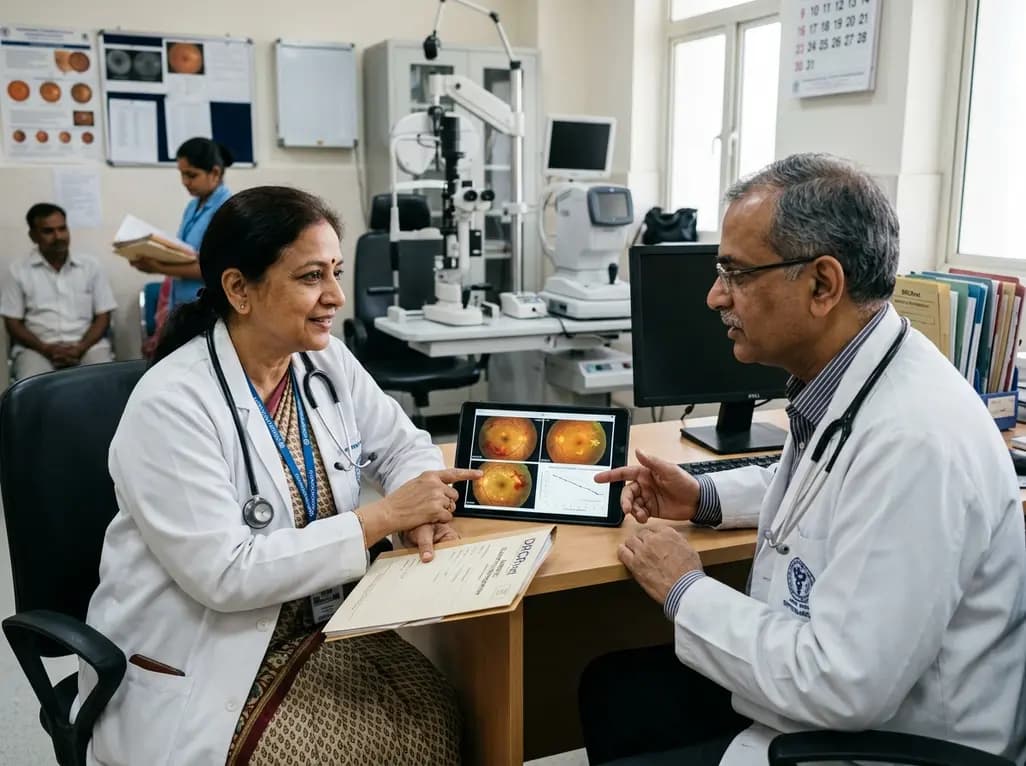
A comprehensive analysis of DRCRnet studies reveals that 15.1% of participants discontinue diabetic retinopathy clinical trials. Identifying baseline demographic and clinical predictors helps ophthalmologists and endocrinologists mitigate real-world treatment dropouts and protect long-term visual outcomes.
Today
