.webp&w=384&q=75)

Loading, please wait...
Loading, please wait...
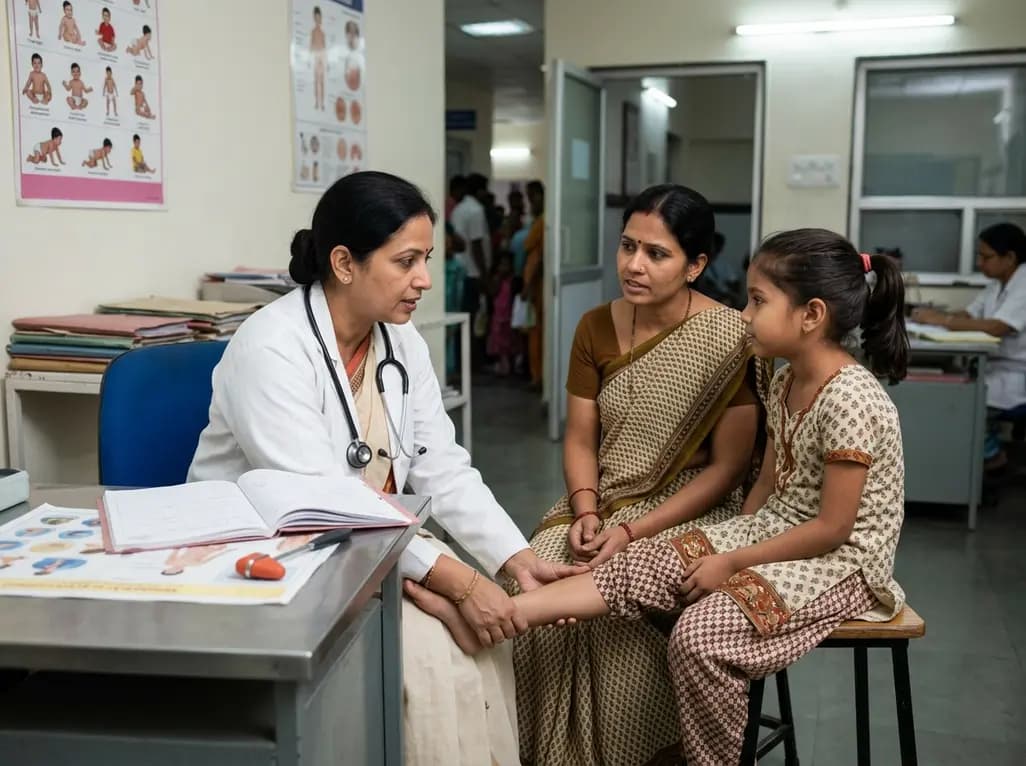
Historically, the medical community viewed Duchenne and Becker muscular dystrophies primarily as male-centered conditions. However, evolving research identifies a significant number of girls who carry variants in the DMD gene and experience varying degrees of clinical symptoms. This condition, often termed pediatric female dystrophinopathy, represents a complex diagnostic challenge because early childhood presentations are frequently subtle or entirely asymptomatic. Understanding that these young patients are not merely passive carriers but rather individuals on a clinical spectrum is vital for modern pediatric care. Specifically, clinicians must recognize that while boys usually show clear motor delays, girls may only present with vague symptoms like fatigue or incidental laboratory findings. Consequently, the shift in nomenclature from "manifesting carriers" to a broader spectrum reflects our growing understanding of the genetic and phenotypic diversity involved. Therefore, medical professionals must maintain a high index of suspicion when encountering unusual muscle-related complaints in young females. This educational overview explores recent evidence regarding how these girls are identified and the various ways the condition manifests during their early years of development.
A recent single-center retrospective case series conducted between January 2024 and December 2025 has shed significant light on how pediatric female dystrophinopathy is recognized in clinical practice. The study analyzed 35 girls with genetically confirmed DMD gene variants to determine how they first entered the healthcare system. Notably, the researchers found that incidental or unexplained hyperCKemia served as the primary ascertainment route for over half of the participants, accounting for 51.4% of cases. In these instances, elevated creatine kinase levels were often discovered during routine blood tests or evaluations for unrelated issues, such as preoperative screenings or suspected liver dysfunction. Furthermore, family-based cascade screening and symptom-driven presentations each accounted for approximately 22.9% of the cohort. Only a small fraction, roughly 2.9%, was identified through incidental genomic discovery. These findings underscore the critical role of laboratory markers in identifying at-risk girls before physical weakness becomes apparent. Moreover, clinicians should view recurrent hyperCKemia as a major entry point for targeted neuromuscular assessment. By separating the route of discovery from the eventual clinical status, the study emphasizes that laboratory data often precedes objective neurological findings in this population.
When evaluating the clinical spectrum of pediatric female dystrophinopathy, the presentation varies significantly from the classic male phenotype. In the study mentioned, systematic clinical reviews classified the majority of participants as asymptomatic at the time of evaluation. Specifically, 29 out of 35 participants did not show objective muscle weakness on formal neurological examinations. However, being "asymptomatic" in a clinical sense does not mean the absence of all complaints. Many of these girls reported exercise intolerance, easy fatigue, myalgia, or recurrent muscle cramps. Furthermore, a smaller subset of the cohort displayed more severe phenotypes, including DMD-like or BMD-like muscle weakness. Specifically, three girls showed symptoms resembling Duchenne muscular dystrophy, while one exhibited a Becker-like progression. Additionally, two participants were identified through cardiac symptoms or specific observations on cardiac magnetic resonance (CMR) imaging. This broad range highlights that pediatric female dystrophinopathy is not a monolithic condition. Instead, it encompasses a wide array of muscle and heart involvements that require individualized monitoring. Consequently, a lack of overt weakness during a standard physical exam should not lead to clinical complacency, as underlying muscle damage may still be occurring.
To better characterize the subclinical aspects of the condition, researchers utilized electromyography (EMG) and advanced imaging techniques. The study revealed that EMG abnormalities were present in approximately 41% of the participants who underwent the procedure. These findings included definite myopathic patterns in some and subtle short-duration motor-unit-potential changes in others. Such results suggest that even in girls who appear physically strong, the muscle tissue already shows signs of the underlying genetic variant. In addition to neuromuscular markers, cardiac health remains a primary concern for this population. Because the dystrophin protein is essential for cardiac muscle stability, females with these variants are at lifelong risk for cardiomyopathy. The research identified specific CMR observations in some pediatric patients, suggesting that cardiac involvement can begin much earlier than previously thought. Therefore, longitudinal follow-up must include regular cardiac surveillance starting in childhood. Clinicians should prioritize baseline echocardiograms or CMRs depending on the age and risk profile of the child. By identifying these subclinical markers early, medical teams can implement protective strategies and prepare families for long-term health management, ensuring that cardiac care is not delayed until adulthood.
The genetic landscape of pediatric female dystrophinopathy involves diverse inheritance patterns that have significant implications for family counseling. In the study cohort, the inheritance was maternally derived in 18 cases, while 15 cases were identified as apparently de novo mutations. Interestingly, the researchers also documented two cases of paternal inheritance. One of these unique cases involved a father with low-level mosaicism in his peripheral blood, which he subsequently passed to his daughter. This finding is particularly important for geneticists and pediatricians in India, where family sizes can be large and the implications of carrier status affect many relatives. Understanding whether a variant is inherited or de novo helps clinicians guide parents through reproductive planning and risk assessment for future siblings. Furthermore, when a girl is diagnosed, it often triggers cascade screening for other female relatives who may be unaware of their own risk for cardiomyopathy. Consequently, the diagnosis of a single pediatric patient often serves as a sentinel event for an entire family unit. Accurate genetic mapping ensures that all at-risk individuals receive the necessary surveillance and counseling to manage the potential health impacts associated with the DMD gene.
The recognition of a broad childhood spectrum in pediatric female dystrophinopathy necessitates a shift toward earlier and more systematic surveillance. Early recognition in childhood supports timely neuromuscular and cardiac monitoring, which can mitigate long-term complications. Specifically, the study advocates for using persistent hyperCKemia and mild exercise-related complaints as practical triggers for a deeper neuromuscular workup. In addition to physical health, the psychological and social impacts on young girls and their families must be addressed during longitudinal care. As these children grow, their needs will evolve from simple monitoring to complex discussions regarding reproductive health and future family planning. Moreover, the integration of multidisciplinary teams—including pediatric neurologists, cardiologists, and genetic counselors—is essential for providing comprehensive support. Therefore, identifying these patients early provides a critical window of opportunity for intervention. By establishing a clear management pathway in the pediatric years, clinicians can ensure that these girls transition into adulthood with a well-documented medical history and a proactive care plan. Ultimately, improving our ascertainment methods leads to better patient outcomes and more informed family decisions across the entire spectrum of dystrophinopathy.
While Duchenne muscular dystrophy in boys usually involves predictable, progressive muscle weakness and loss of ambulation, pediatric female dystrophinopathy presents more diversely. Most affected girls are asymptomatic or show only subtle signs like myalgia and fatigue during childhood. However, a small percentage may exhibit DMD-like or BMD-like weakness. The presence of a second, typically healthy X chromosome in females often mitigates the severity, though skewed X-inactivation can lead to more significant symptoms.
Unexplained or incidental hyperCKemia is a critical laboratory marker that often leads to the diagnosis of a DMD gene variant in girls. In many cases, it is the only objective finding before any physical weakness develops. Persistent elevation of creatine kinase should prompt a thorough neuromuscular evaluation and genetic testing. Early identification through this pathway allows for essential cardiac screening and genetic counseling for the family, preventing delayed diagnoses of cardiomyopathy later in life.
Even if a girl shows no signs of skeletal muscle weakness, the heart remains vulnerable because dystrophin is vital for cardiac muscle integrity. Girls with these variants are at a lifelong increased risk for developing dilated cardiomyopathy. Recent studies using cardiac MRI have identified subclinical changes even in pediatric patients. Early baseline assessments and regular longitudinal follow-up ensure that any cardiac decline is caught early, allowing for timely pharmacological interventions and better long-term outcomes.
Disclaimer: This content is for informational and educational purposes only. It is not a substitute for professional medical advice, diagnosis, or treatment. Always seek the advice of your physician or other qualified health provider with any questions you may have regarding a medical condition. Refer to the latest local and national guidelines for clinical practice.
References
Jiao H et al. Clinical spectrum and ascertainment pathways in pediatric female dystrophinopathy. Ital J Pediatr. 2026 Jul 18. doi: 10.1186/s13052-026-02312-8. PMID: 42471751.
Birnkrant DJ, et al. Diagnosis and management of Duchenne muscular dystrophy, part 1: diagnosis, and neuromuscular, rehabilitation, endocrine, and gastrointestinal and nutritional management. Lancet Neurol. 2018;17(3):251-267.
Sarkozy A, et al. 263rd ENMC International Workshop: Focus on female carriers of dystrophinopathy: Refining recommendations for prevention, diagnosis, surveillance, and treatment. Neuromuscul Disord. 2022;32(11-12):957-971.

Read summarized clinical updates, watch expert medical content, and earn CME certifications right from your smartphone.
Open your smartphone camera to scan and install.





Pediatric female dystrophinopathy presents a broad childhood spectrum ranging from asymptomatic hyperCKemia to DMD-like weakness. A recent study highlights incidental hyperCKemia as a major ascertainment route, emphasizing the need for early surveillance, genetic counseling, and longitudinal follow-up in girls.
3 months ago

A breakthrough ultrathin multimodal sensor decouples physical hemodynamic monitoring from disposable electrochemical calibration, achieving long-term wearable glucose prediction with 81.36% accuracy and a 9.12% MARD. This offers a robust, drift-free solution for outpatient metabolic surveillance.
Today
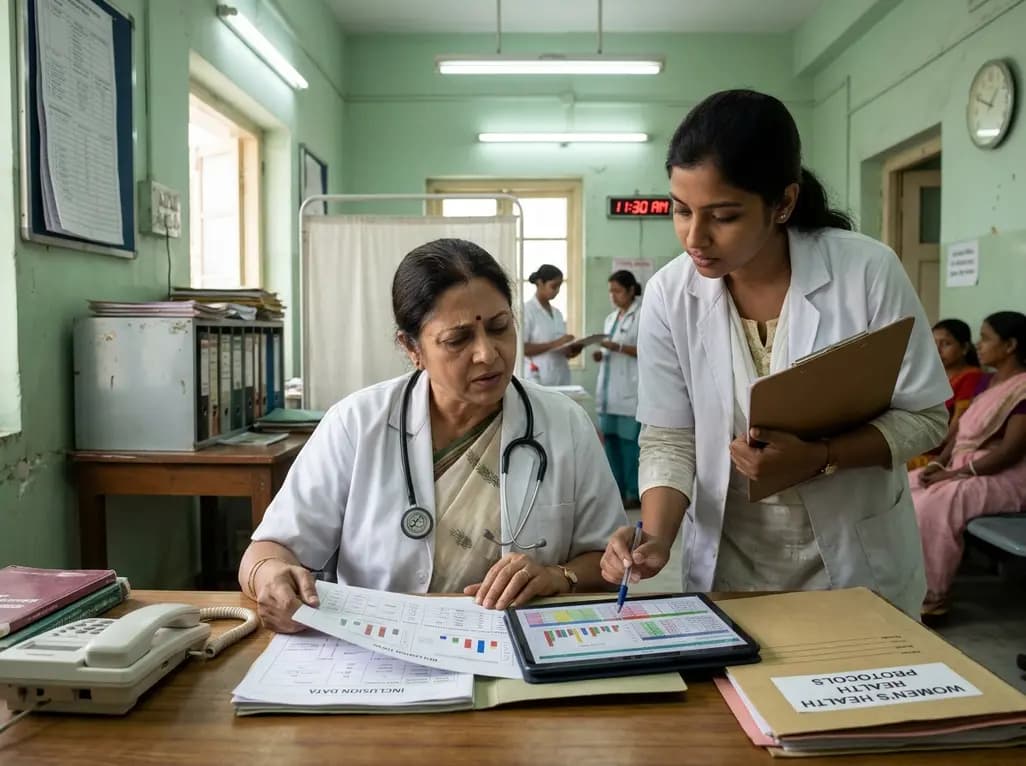
Demanding exhaustive hormonal profiling can inadvertently discourage clinical studies involving females. Methodological standards must align with the specific scientific question to expand, not restrict, equitable evidence for women.
Today
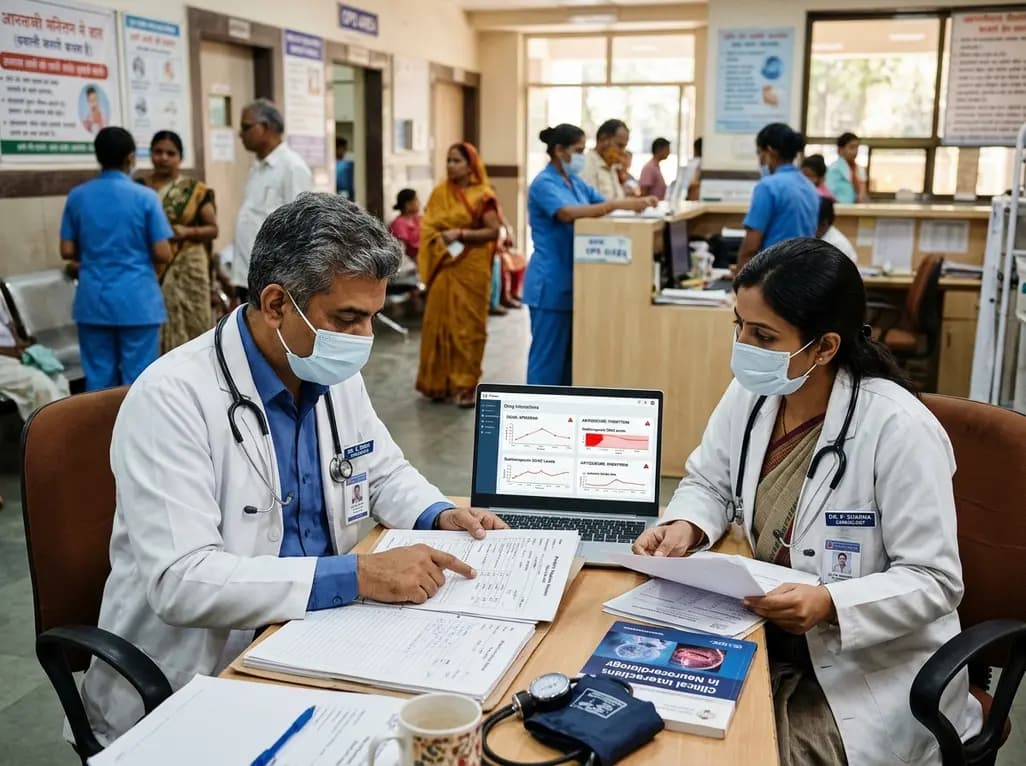
Co-administering antiseizure medications and DOACs frequently causes pharmacokinetic interactions, subtherapeutic drug levels, and thromboembolic failures. This review highlights enzyme induction risks, unpredictable outcomes with levetiracetam, and the vital role of therapeutic drug monitoring.
Today
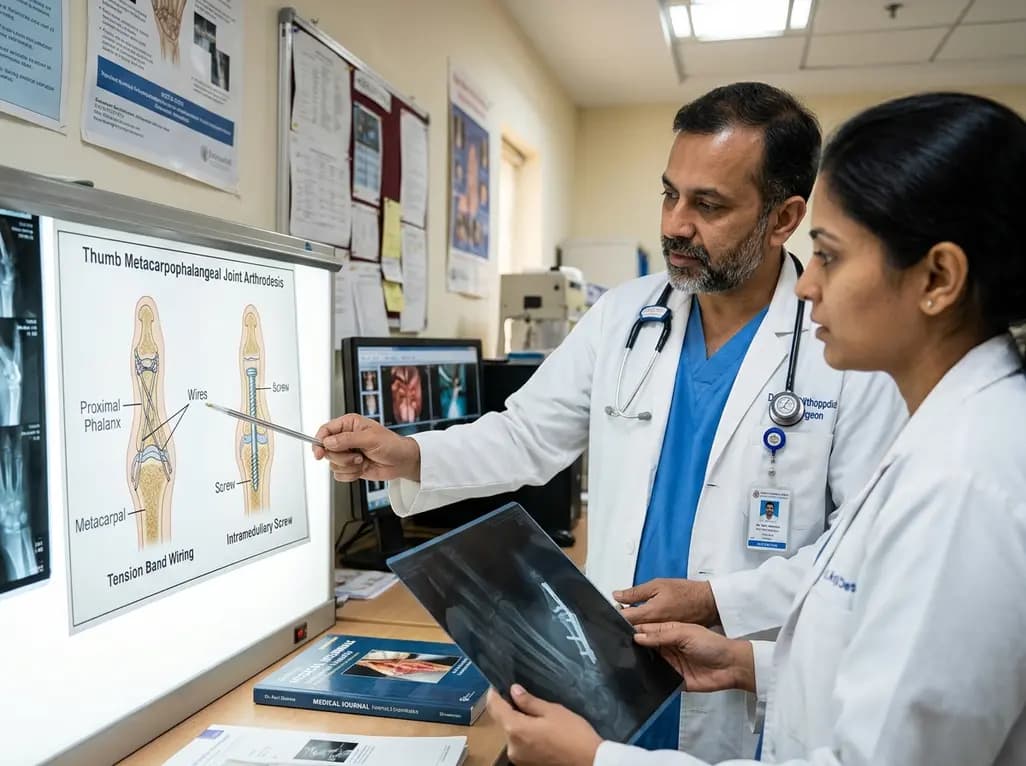
A comparative review of tension band wiring and intramedullary screw fixation in thumb metacarpophalangeal arthrodesis, evaluating union rates, hardware complications, and clinical outcomes.
Today
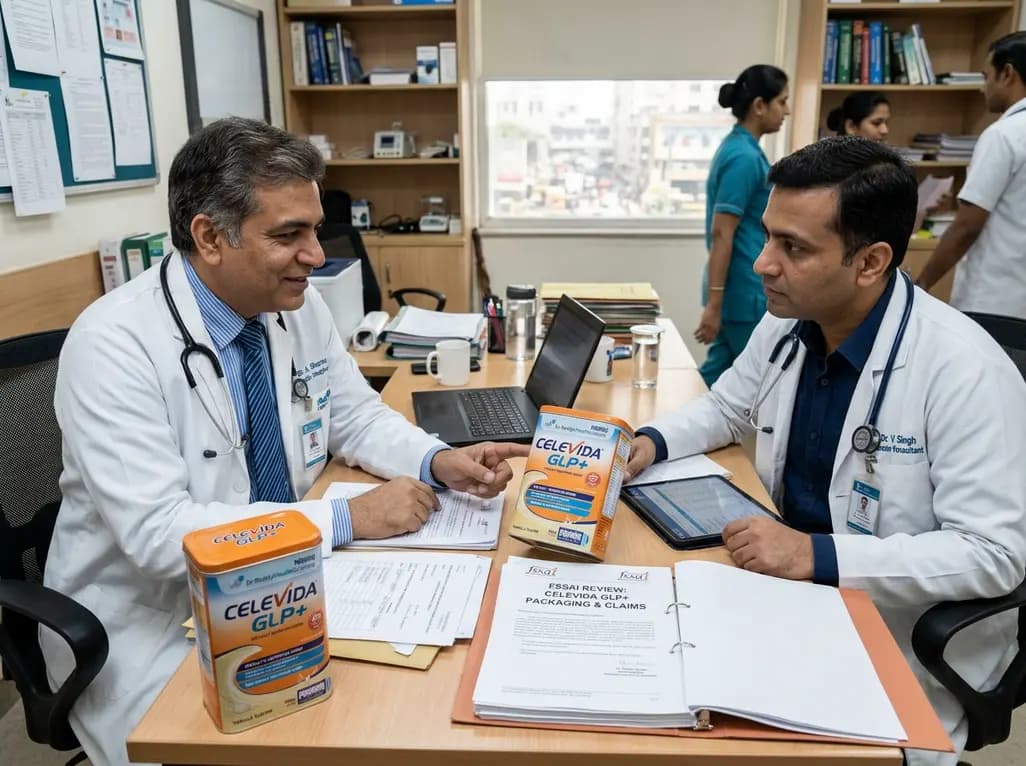
Following regulatory scrutiny from FSSAI regarding promotional representations and lean muscle preservation claims, Dr. Reddy's Laboratories and Nestlé Health Science are currently reviewing the branding and marketing strategy for their joint nutritional supplement Celevida GLP+.
Today
