.webp&w=384&q=75)

Loading, please wait...
Loading, please wait...

Unplanned hospital readmissions represent a critical benchmark for surgical quality, patient safety, and institutional healthcare expenditure. In pediatric neuro-oncology, postoperative management is uniquely complex. Brain tumors frequently present with raised intracranial pressure, neurological deficits, and neuroendocrine disturbances. Understanding the factors driving pediatric craniotomy readmission provides clinicians with an evidence-based roadmap to prevent avoidable morbidity and optimize recovery. A major multi-year study published in the Journal of Neuro-Oncology evaluates elective surgical cohorts across twelve years. Consequently, this investigation sheds valuable light on the clinical, procedural, and demographic determinants that govern long-term post-discharge vulnerability in young patients.
Traditionally, surgical quality metrics evaluate 30-day readmissions to assess perioperative safety. However, children treated for central nervous system malignancies face sustained physiological and oncological challenges that extend well past one month. The retrospective cohort study analyzed 1,497 elective craniotomies for tumor resection across 1,276 pediatric patients treated between 2010 and 2022. The median patient age was 9.45 years, and supratentorial resections constituted 63.4% of all operations. Overall, 208 surgical encounters resulted in an unplanned hospital readmission within 90 days, representing a 13.9% readmission rate. Notably, 74% of these readmissions transpired within the initial 30 days post-discharge. This distribution demonstrates that acute post-discharge vulnerability is highest in the first month. Nonetheless, substantial clinical risks persist throughout the entire 90-day window. Initial bivariate comparisons indicated that readmitted patients experienced longer operative durations, longer intensive care unit stays, and extended total hospitalizations. Consequently, expanding monitoring protocols beyond 30 days captures delayed wound complications, late-onset hydrocephalus, and adjuvant therapy toxicities that routine short-term audits miss.
Although bivariate analyses identified numerous potential associations, multivariable logistic regression isolated four independent predictors of 90-day readmission. First, high tumor grade emerged as the most potent driver, conferring a greater than threefold increase in readmission risk (OR 3.15, p = 0.03). High-grade pediatric neoplasms necessitate aggressive resection and rapid transition to cytotoxic adjuvant chemotherapy or radiation. These intensive oncologic therapies substantially elevate systemic complication rates. Second, return to the neurosurgical operating room during index admission significantly amplified readmission odds (OR 2.81, p = 0.005). Surgical re-exploration disrupts healing tissues, increases cerebrospinal fluid leak risks, and introduces potential infection vectors. Third, patient age younger than 5 years proved to be an independent predictor (OR 1.55, p = 0.02). Very young children present distinct anatomical vulnerabilities, delicate physiological reserve, and communication barriers. Finally, total surgical duration demonstrated an independent association with readmission (OR 1.002 per minute, p = 0.02). Prolonged operative duration reflects heightened technical difficulty, severe tumor vascularity, and increased anesthetic exposure. Together, these four parameters establish a clear high-risk profile for targeted surveillance.
Postoperative events during the primary hospitalization strongly foreshadow future healthcare utilization. In this pediatric cohort, at least one postoperative event arose in 36% of surgical admissions, spanning both medical issues and technical surgical complications. Specifically, readmitted patients exhibited markedly elevated rates of medical complications. These included electrolyte disturbances, chemical meningitis, and postoperative seizures. Moreover, surgical complications that compelled re-exploration within the index hospital stay created the most profound downstream hazard. Reoperation frequently indicates acute hematoma evacuation, persistent cerebrospinal fluid fistulas, or wound breakdown requiring secondary revision. When surgeons must re-enter the operative corridor, tissue planes become compromised. Microbial colonization risks also rise substantially. Additionally, reoperation prolongs intensive care unit confinement and disrupts early functional recovery. Therefore, rigorous intraoperative closure techniques and meticulous dural water-tight reconstruction are vital. Aggressive management of postoperative intracranial pressure also plays a crucial preventive role. By minimizing index reoperations, surgical teams directly eliminate a principal trigger of unplanned 90-day hospital returns.
Infants, toddlers, and preschool children under 5 years of age represent a particularly vulnerable demographic in neurosurgery. In this cohort, young children faced a 55% higher likelihood of readmission following tumor craniotomy. Anatomically, younger children possess thinner calvarial bones and delicate scalp vascularity. Their soft tissue envelopes offer less structural resistance, which complicates durable incision closure. Furthermore, toddlers cannot reliably articulate early warning signs such as headaches, localized incision pain, or diplopia. As a result, neurological deterioration or indolent surgical infections may progress unnoticed until severe lethargy or vomiting manifests. In addition, fluid and electrolyte homeostasis in young children remains fragile. Minor postoperative fevers, reduced oral intake, or mild neuroendocrine imbalances can rapidly cause hypovolemia or hyponatremia. Consequently, pediatric neurosurgical teams must establish specialized discharge pathways for children under 5 years. Structured parent educational programs, early outpatient phone check-ins, and rapid-access clinic visits can intercept brewing complications before hospital readmission becomes unavoidable.
To curtail unplanned readmissions following pediatric brain tumor resection, clinical teams must transition from reactive rescue to proactive risk stratification. Using the four identified predictors, centers can categorize young surgical patients into actionable risk tiers before discharge. Patients exhibiting high-risk traits—such as age under five, extended surgery, high tumor grade, or index reoperation—warrant structured post-discharge monitoring. Specifically, clinical pathways should incorporate dedicated pediatric nurse navigators who conduct follow-up consultations within 48 to 72 hours post-discharge. Moreover, early outpatient visits scheduled within 7 to 10 days allow clinicians to inspect surgical incisions, review anticonvulsant regimens, and evaluate hydration. Care teams should also supply families with standardized bilingual checklists detailing signs of hydrocephalus, wound infection, and lethargy. Furthermore, direct communication channels to specialized pediatric triage nurses help resolve minor parental concerns without unnecessary emergency department visits. Ultimately, implementing cohesive quality-improvement initiatives that unite surgical, oncological, and primary care teams will strengthen pediatric outcomes and reduce hospital readmissions.
In this twelve-year cohort study of 1,497 elective craniotomies, the overall 90-day readmission rate was 13.9 percent. Notably, 74 percent of these readmissions occurred within the first 30 days post-discharge. This pattern shows that acute postoperative recovery carries the highest risk, although long-term surveillance remains vital for capturing delayed complications.
Multivariable analysis identified four independent predictors of 90-day readmission: patient age under 5 years, extended surgical duration, high tumor grade, and return to the operating room during index admission. Among these factors, high tumor grade conferred the strongest effect, increasing the likelihood of post-discharge hospital readmission more than threefold.
Children under 5 years have delicate physiological reserves, thinner cranial soft tissues, and limited communication capacity, hindering prompt detection of subtle neurological changes. Furthermore, they are highly prone to rapid electrolyte shifts, dehydration, and systemic infections, requiring vigilant post-discharge monitoring and structured caregiver education to prevent avoidable emergency hospitalizations.
Disclaimer: This content is for informational and educational purposes only... Refer to the latest local and national guidelines for clinical practice.
References

Read summarized clinical updates, watch expert medical content, and earn CME certifications right from your smartphone.
Open your smartphone camera to scan and install.





A 12-year study of 1,497 pediatric craniotomies identified key drivers of 90-day readmission: age under 5, prolonged surgery, high tumor grade, and return to the OR for postoperative complications. Read how these findings inform risk stratification and post-discharge protocols.
Today

A recent case shows that exertional rhabdomyolysis can trigger marked transaminase spikes despite moderate creatine kinase elevation. Preserved hepatic synthetic function confirms muscle injury rather than liver failure, guiding conservative hydration and preventing unnecessary invasive diagnostics.
Today

A pharmacometric and machine learning study reveals that specific vaginal bacteria alter cervical antiretroviral exposure, highlighting the need for precision HIV PrEP strategies.
Today
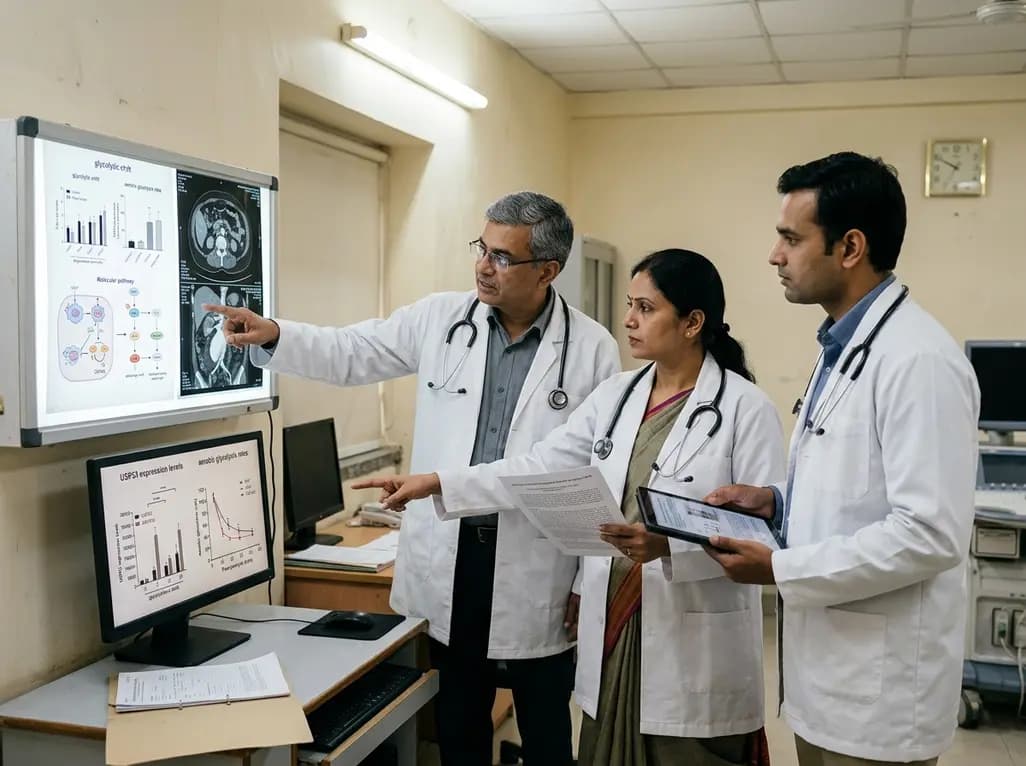
Abdominal aortic aneurysm rupture remains a catastrophic vascular emergency. Groundbreaking research reveals that USP53 accelerates aneurysm progression by reprogramming smooth muscle cell metabolism toward aerobic glycolysis, highlighting a promising target beyond conventional diameter-based surveillance.
Today
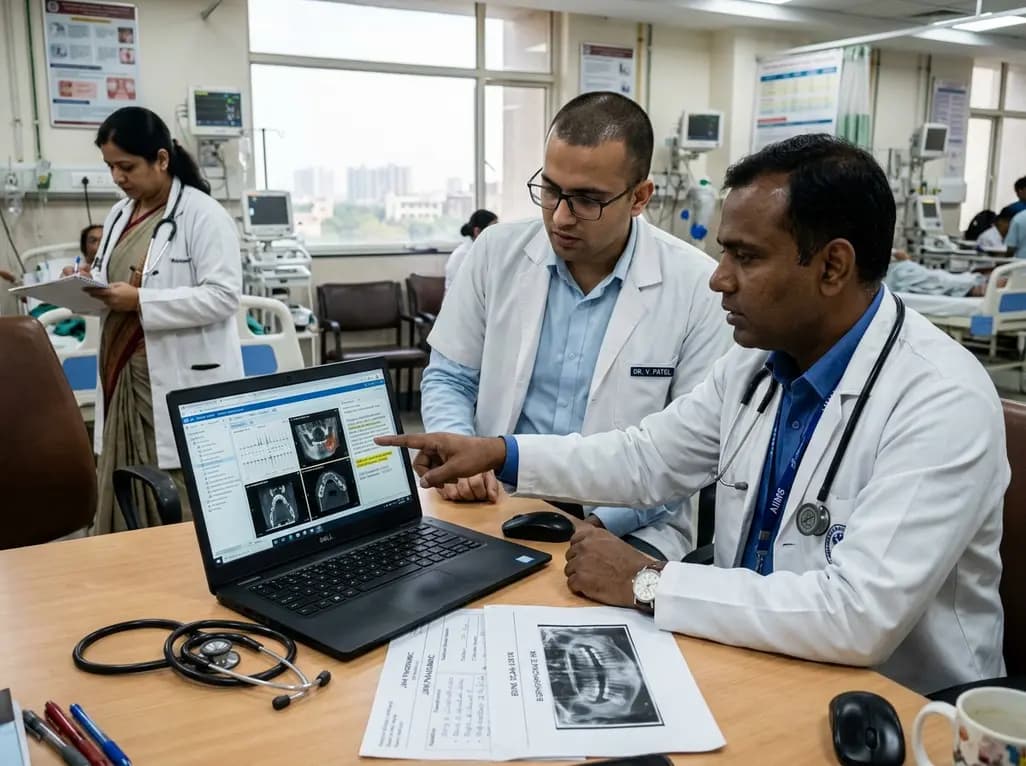
A breakthrough study leverages natural language processing to accurately identify incident medication-related osteonecrosis of the jaw and track antiresorptive drug holidays from clinical narratives in electronic health records, advancing osteoporosis pharmacovigilance and dental safety.
Today
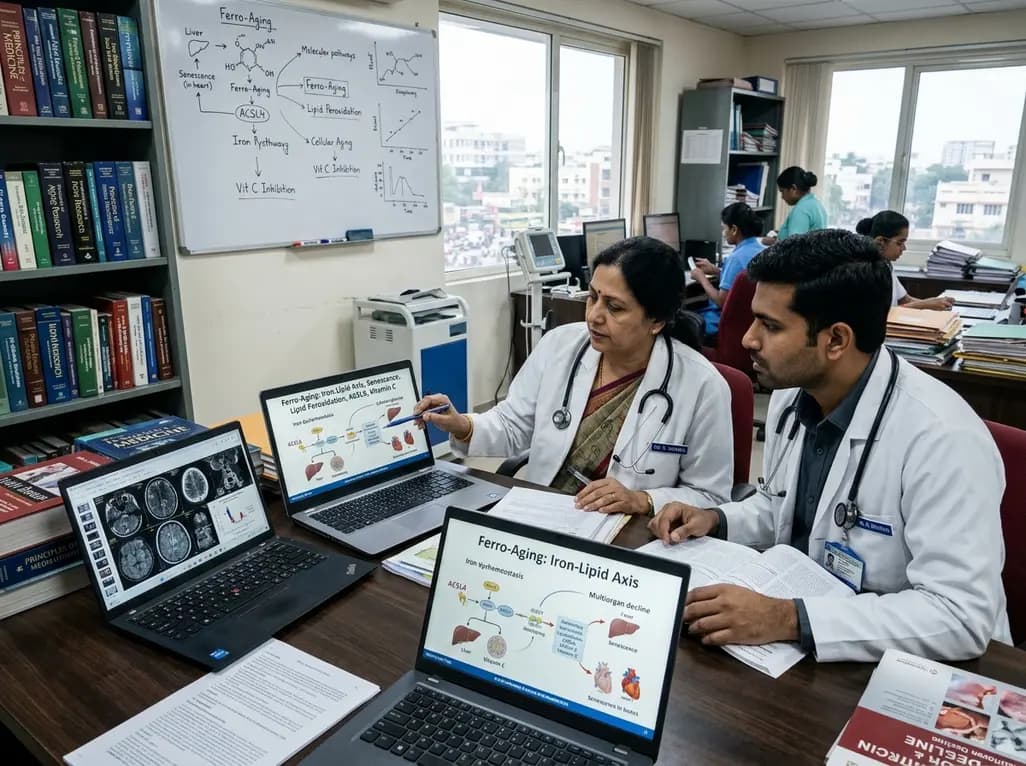
Recent research defines ferro-aging as a conserved iron-lipid axis driving organ decline across primates. Age-related iron dyshomeostasis stimulates ACSL4-mediated lipid peroxidation, promoting cellular senescence. Notably, vitamin C directly inhibits ACSL4, suppressing phospholipid oxidation and multi-organ decay.
Today
