.webp&w=384&q=75)

Loading, please wait...
Loading, please wait...
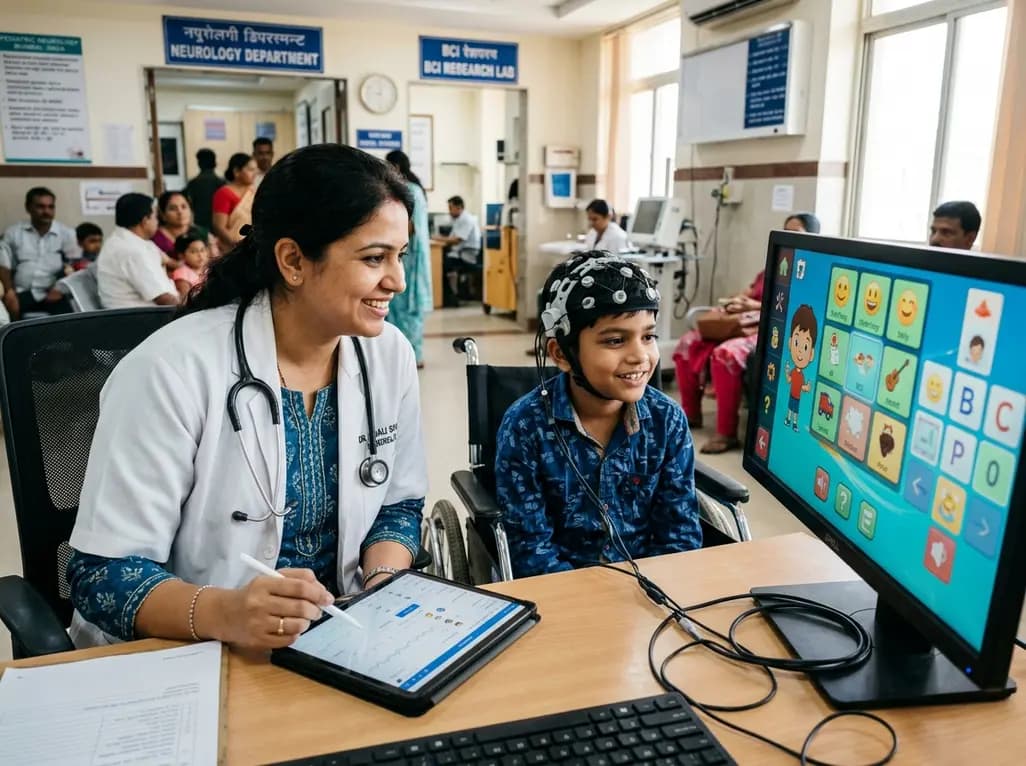
Brain-computer interface technologies represent a transformative frontier in neurorehabilitation, particularly for pediatric patients living with severe physical and speech impairments. Augmentative and alternative communication systems that utilize the P300 event-related potential enable users to express intent without requiring voluntary motor pathways. However, clinical researchers have historically developed these neurotechnologies around adult parameters, often overlooking the distinct perceptual and developmental requirements of young users. To bridge this clinical gap, recent translational investigations have started evaluating user-centered pediatric BCI AAC configurations. By capturing how pediatric cohorts interact with interactive design tools, clinicians and biomedical engineers can construct accessible, high-performance interfaces tailored to children with conditions such as quadriplegic cerebral palsy, advanced muscular dystrophies, or severe brainstem injuries.
Children experiencing profound motor and speech limitations face substantial barriers when attempting to interact with traditional assistive devices. Standard eye-gaze trackers and mechanical switch mechanisms often fail when patients exhibit oculomotor fatigue, involuntary dystonic movements, or extreme physical weakness. Consequently, non-invasive electroencephalography-based systems offer a direct neural bridge between cortical intent and assistive software. The visual P300 paradigm functions by detecting an endogenous positive deflection in the electroencephalogram roughly 300 milliseconds after a target stimulus appears. Therefore, optimizing the visual presentation of these targets directly dictates the signal-to-noise ratio of evoked neural responses. Clinicians recognize that maintaining active attention and visual comfort remains essential during extended communication sessions. When pediatric interfaces fail to engage a child, cognitive fatigue accelerates, leading to degraded signal classification and early abandonment of the assistive device. Addressing these interface challenges early in development ensures greater clinical utility across home and school environments.
In a groundbreaking methodological shift, investigators evaluated thirty-eight typically developing children aged 8 to 12 years using a dedicated iPad prototyping application. The platform allowed participants to configure customized picture-based communication displays by systematically altering background palettes, symbol animations, color themes, and visual overlays. Following these design sessions, qualitative semistructured interviews captured the cognitive rationales that guided their choices. Crucially, the children consistently prioritized two dominant themes: enhancing visual distinction to make items instantly recognizable, and incorporating personal factors to maintain emotional engagement. Instead of viewing interface configuration as purely decorative, the participants treated visual contrast and motion as functional tools to locate targets rapidly. These findings demonstrate that pediatric users possess clear, sophisticated metacognitive awareness regarding their visual processing needs. Clinicians can harness these empirical insights to establish intuitive design presets before initiating electroencephalography training protocols with medically fragile pediatric populations.
Motion cues emerged as the most favored graphical enhancement among pediatric participants, with zooming animations selected far more often than static highlighting. From a neurophysiological perspective, visual motion recruits both transient visual pathways and ventral stream object recognition networks. Dynamic target presentation, such as an expanding picture symbol, naturally heightens attentional salience and amplifies event-related potentials in parieto-occipital regions. Furthermore, the children reported that zooming effects made complex symbols stand out distinctly from adjacent distractors on crowded communication grids. This visual separation minimizes spatial crowding, a common issue for pediatric patients with cortical visual impairment or ocular motor apraxia. In addition to motion, participants frequently paired graphical animations with auditory cues, creating multisensory feedback loops. By integrating dynamic visual stimuli into pediatric BCI AAC protocols, rehabilitation teams can enhance the detectability of P300 peaks while simultaneously reducing the cognitive effort required to register target selections.
Personalization served as a fundamental driver of user engagement during the configuration trials. The children frequently incorporated custom background hues, video graphics interchanges, and personally meaningful picture overlays. However, their selections also revealed a sophisticated balance between aesthetic appeal and visual ergonomics. Several participants deliberately avoided excessively bright or saturated backgrounds, citing potential eye strain and reduced symbol clarity during sustained viewing. Instead, they selected high-contrast color pairings that accentuated symbol borders without creating visual glare. For pediatric neurologists and rehabilitation specialists, managing visual fatigue represents a crucial clinical consideration during long-term assistive technology use. When children customize their displays with meaningful imagery, their intrinsic motivation increases, which helps maintain sustained vigilance. Providing intuitive customization options empowers young patients to adapt their communication grids according to their changing sensory thresholds and daily functional tasks.
Translating user-centered design principles into routine neurorehabilitation requires structured collaboration between pediatric neurologists, speech-language pathologists, and biomedical engineers. While typically developing cohorts provide vital baseline data on developmental usability, subsequent clinical trials must validate these customizable interfaces among children with chronic neurodisabilities. Pediatric users with dyskinetic cerebral palsy, traumatic brain injury, or spinal cord trauma frequently exhibit unique sensory profiles that may alter visual processing times. Consequently, future BCI software platforms must offer flexible calibration menus that allow clinicians to adjust animation speeds, stimulus flash durations, and grid densities. Incorporating modular customization will streamline patient onboarding, reduce setup abandonment rates, and foster autonomous communication in clinical and domestic settings. Ultimately, establishing user-centered BCI protocols advances pediatric neurorehabilitation toward highly individualized, accessible assistive solutions that significantly elevate functional independence and overall quality of life.
A P300-based brain-computer interface is an assistive technology that detects specific electrical brain waves through non-invasive electroencephalography sensors. When a user focuses on a desired target symbol among flashing options, the brain produces a distinct positive voltage deflection roughly 300 milliseconds later. The system decodes this neural spike, enabling individuals with severe physical paralysis to select words, generate speech, and communicate autonomously without physical movement.
Dynamic animations, such as zooming or expanding picture symbols, significantly enhance visual salience and capture pediatric attention more effectively than static visual flashes. These motion cues amplify parieto-occipital event-related potentials, making target detection more reliable during signal processing. Furthermore, animations help children quickly distinguish target symbols from background clutter, thereby reducing visual fatigue and improving communication speed during demanding neurorehabilitation sessions.
Personalization allows pediatric patients to modify color themes, incorporate familiar imagery, and adjust sensory feedback according to their individual comfort levels. Giving children autonomy over their communication displays increases emotional engagement, motivation, and sustained attention during tasks. Consequently, customized interfaces reduce cognitive frustration and device abandonment, ensuring higher long-term success and functional independence for children relying on assistive communication systems.
Disclaimer: This content is for informational and educational purposes only. It does not constitute medical advice, diagnosis, or treatment recommendations. Healthcare professionals must exercise their independent clinical judgment when evaluating assistive technologies and neurorehabilitation protocols. Refer to the latest local and national guidelines for clinical practice.
References

Read summarized clinical updates, watch expert medical content, and earn CME certifications right from your smartphone.
Open your smartphone camera to scan and install.





Brain-computer interface augmentative and alternative communication (BCI-AAC) systems offer vital interaction avenues for children with severe motor impairments. A novel study highlights how pediatric user preferences in visual design, motion, and personalization can enhance assistive communication tools.
last month

Red blood cell transfusion is critical in sickle cell disease management but brings significant immunological complexity, including alloimmunisation and iron overload. Extended RBC phenotyping and tailored protocols optimize clinical safety.
Today
Discover the crucial distinctions between mesonephric and mesonephric-like proliferations of the female genital tract. Learn the key histomorphologic, immunohistochemical, and molecular differences essential for accurate diagnosis and clinical management.
Today
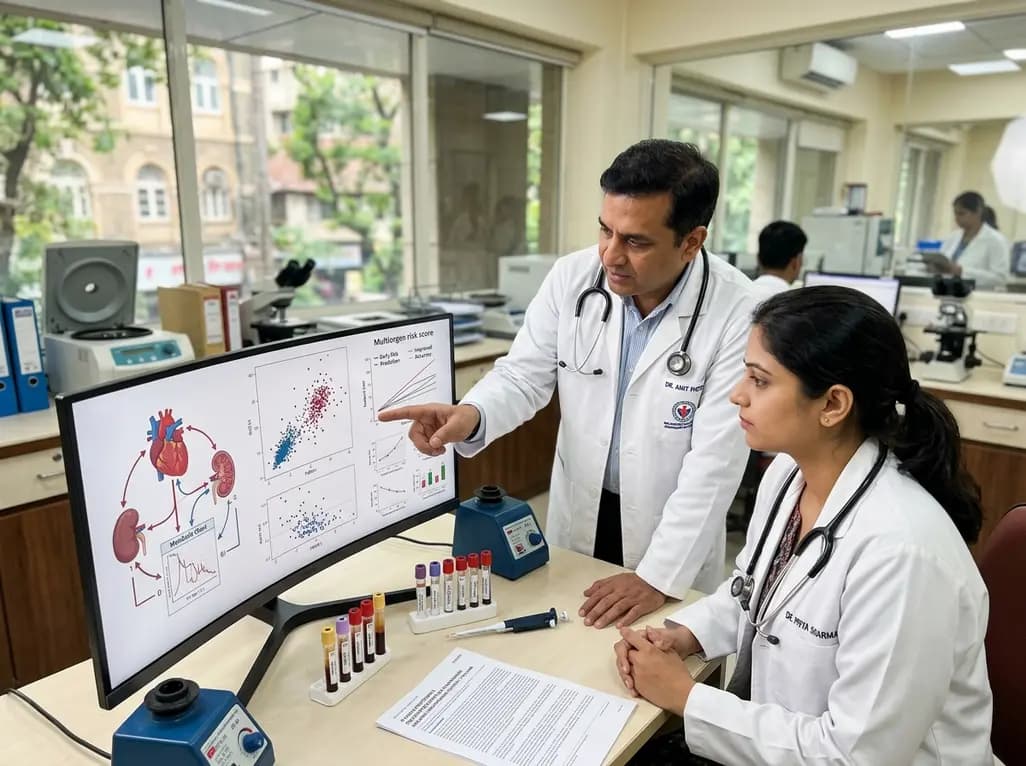
A large UK Biobank study reveals that plasma proteomic signatures capture preclinical organ damage and improve multiorgan risk prediction across early CKM syndrome stages 0 to 2 beyond traditional PREVENT clinical models.
Today
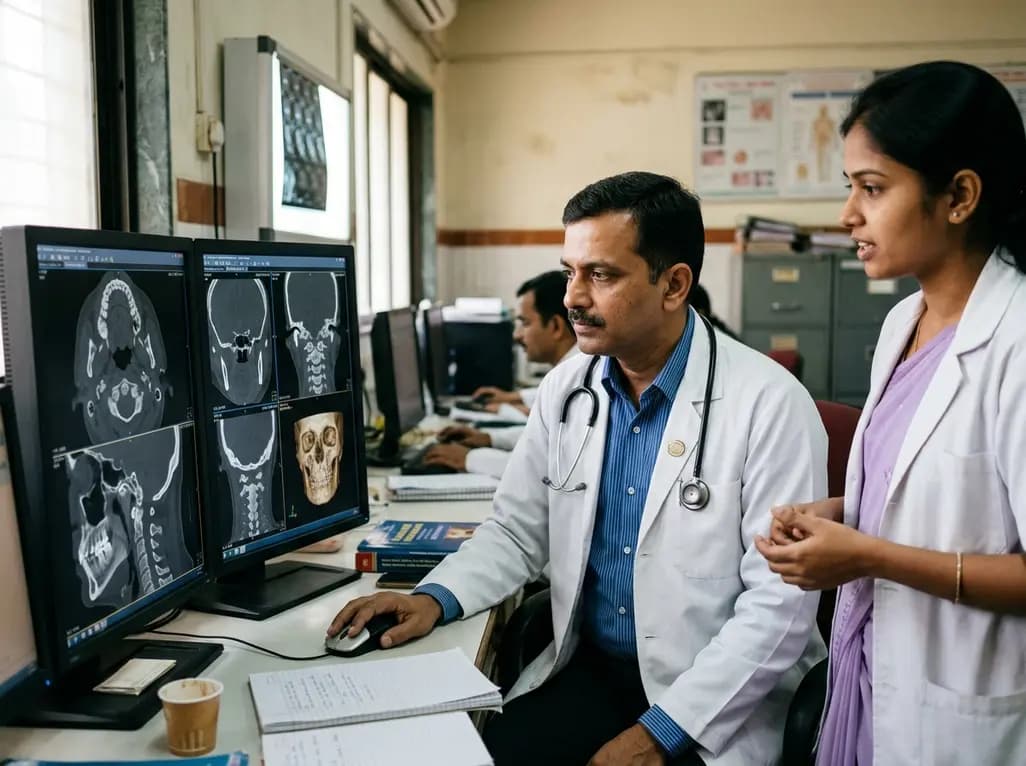
A retrospective CBCT study reveals that superior TMJ space asymmetry correlates moderately with occipital condyle-atlas-axis asymmetry in unilateral TMJ osteoarthritis, highlighting an imaging correlate between jaw biomechanics and upper cervical alignment rather than a standalone diagnostic marker.
Today

A Bayesian multilevel meta-analysis reveals that aerobic training combined with moderate carbohydrate restriction modestly lowers HbA1c in type 2 diabetes. However, sparse data and very low certainty leave incremental benefits over exercise or diet alone unproven, highlighting the need for individualized care.
Today
