.webp&w=384&q=75)

Loading, please wait...
Loading, please wait...
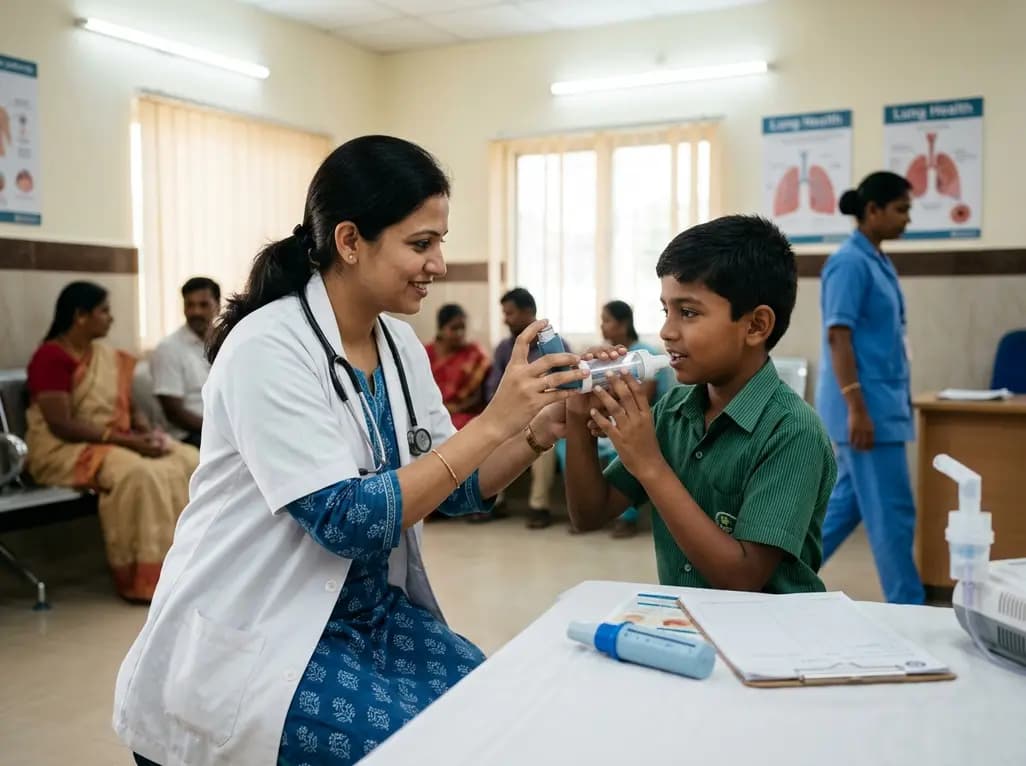
Managing chronic conditions in children requires a multifaceted approach where pediatric asthma self-efficacy stands out as a critical determinant of long-term health. Asthma remains the most prevalent chronic disease in childhood globally, and in India, its management often faces unique cultural and environmental challenges. Self-efficacy refers to a child’s confidence in their ability to perform specific behaviors to manage symptoms, adhere to medication, and avoid triggers. When children possess high levels of self-efficacy, they are more likely to take an active role in their care, resulting in fewer exacerbations and hospitalizations. Conversely, low self-efficacy often leads to poor compliance and increased morbidity. Understanding the factors that limit this confidence is essential for pediatricians and specialists who aim to move beyond purely pharmacological interventions. This article explores recent findings regarding the levels of self-efficacy among children and identifies the common barriers that impede their ability to manage this lifelong condition effectively.
The effective management of asthma in children aged 8 to 18 years relies heavily on the transition from parental oversight to self-governance. During this developmental period, children must learn to recognize early warning signs and use their inhalers correctly. However, this transition is not always seamless. Many children struggle with the technical aspects of inhaler use or feel overwhelmed by the complexity of their treatment schedules. Specifically, the belief that one can control a sudden asthma attack is a major component of self-efficacy that influences how a child reacts during a crisis. If a child feels incapable of managing their symptoms, they may experience heightened anxiety, which can further exacerbate respiratory distress. Therefore, clinicians must assess self-efficacy early and often. Using validated tools like the Asthma Self-Efficacy Scale allows healthcare providers to pinpoint specific areas where a child lacks confidence. This targeted assessment enables more personalized education, ensuring that the child feels empowered rather than burdened by their diagnosis. Furthermore, fostering a strong therapeutic alliance between the provider, the child, and the family is vital for reinforcing these self-management behaviors. Practitioners should prioritize these discussions to ensure the child feels capable of navigating their daily life without fear.
Identifying the various limiting factors is the first step toward improving pediatric asthma self-efficacy in diverse clinical settings. Several studies highlight that socioeconomic status and the educational background of the family play significant roles in how a child perceives their ability to manage asthma. For instance, families with limited resources may struggle to maintain a consistent supply of controller medications, which undermines the child's belief in the treatment's efficacy. Additionally, cultural perceptions of chronic illness can lead to social stigma, making children feel self-conscious about using their inhalers in public or at school. This social pressure often results in hidden non-adherence, where the child avoids medication to fit in with their peers. Moreover, a lack of clear communication between the healthcare provider and the young patient can leave the child with unanswered questions and a sense of confusion. Consequently, the child may feel that the disease is unpredictable and beyond their control. To address these barriers, practitioners should implement interactive teaching methods that encourage the child to demonstrate their skills and ask questions. By normalizing the condition and providing practical solutions for school-based management, clinicians can significantly boost a child’s confidence and overall self-efficacy.
Environmental triggers are among the most significant external factors that challenge a child’s sense of self-efficacy. In many urban Indian settings, high levels of air pollution, indoor allergens, and secondhand smoke create an environment where asthma control is inherently difficult. When a child consistently follows their medication plan but still experiences symptoms due to environmental factors, their belief in their self-management abilities may decline. They may begin to feel that no matter what they do, the disease will persist uncontrollably. Specifically, the presence of mold, dust mites, or pets in the home can serve as constant hurdles that the child feels unable to overcome. In addition, the lack of a supportive school environment often serves as a major barrier. Many schools do not have clear protocols for asthma emergencies, and teachers may not be fully aware of how to assist a child during an attack. As a result, the child may feel unsafe when away from home, which limits their participation in physical activities and social events. Addressing these factors requires a coordinated effort between parents, school staff, and healthcare providers to create a "safe zone" for the child. Reducing external triggers helps the child see the direct impact of their efforts.
The psychological state of a child or adolescent significantly influences their self-efficacy and subsequent health outcomes. Anxiety and depression are frequently comorbid with chronic asthma, and these conditions can create a negative feedback loop. For example, a child who is anxious about having an asthma attack may become overly focused on their breathing, leading to perceived distress even when their lung function is stable. This anxiety can erode their confidence in their ability to manage the disease, making them more dependent on caregivers. Conversely, a child who is in denial about their condition may intentionally ignore symptoms, leading to a false sense of self-efficacy that is not grounded in effective management. Notably, the adolescent years bring about a desire for autonomy and peer acceptance, which can conflict with the requirements of asthma care. Adolescents might perceive their asthma as a weakness or a limitation on their freedom. Therefore, it is crucial to incorporate psychological screening into routine asthma check-ups. Providing access to counseling or support groups where children can share their experiences with others can help normalize their feelings and build a more resilient sense of self-efficacy. Encouraging open dialogue about the emotional impact of asthma ensures that children do not feel alone in their struggle.
Strengthening self-efficacy requires more than just providing information; it necessitates a shift toward behavioral change interventions. Indian clinicians should focus on providing a written Asthma Action Plan that is easy for both the child and the parent to understand. These plans serve as a roadmap, offering clear instructions on what to do during different levels of symptom severity. When a child has a concrete plan in their hands, they feel more prepared to handle unexpected triggers. Moreover, the use of technology, such as mobile health apps or digital inhaler monitors, can provide real-time feedback and encouragement to the young patient. These tools can turn management into a more engaging and interactive process, which is particularly effective for the 8-18 age group. Similarly, regular follow-up appointments should include time for the child to practice their inhaler technique in front of the provider. This "show-and-tell" approach reinforces correct behaviors and allows for immediate correction of errors. Ultimately, the goal is to transform the child from a passive recipient of care into an active manager of their health. By focusing on these practical interventions, healthcare providers can ensure that every child with asthma has the confidence needed for a healthy, active life.
Self-efficacy is a key determinant because it represents a child's confidence in performing specific management behaviors. When children feel capable of controlling their symptoms and adhering to treatment, they take proactive steps that significantly reduce the frequency of exacerbations. High self-efficacy also decreases the reliance on emergency services and improves overall quality of life. Clinicians must prioritize building this confidence to ensure that pediatric patients transition successfully into independent self-management.
In urban settings, major environmental barriers include high levels of outdoor air pollution, secondhand smoke, and indoor allergens like dust mites. These triggers are often perceived as being uncontrollable by the child, which can erode their sense of self-efficacy over time. When symptoms persist despite proper medication use, the child may feel their efforts are futile. Addressing these external factors through home assessments and school-based support is vital for maintaining confidence.
Healthcare providers can assess self-efficacy by asking children to demonstrate their inhaler technique or explain their personalized Asthma Action Plan during visits. This practical assessment reveals the child's actual confidence and skill level better than verbal reports alone. Additionally, using brief validated questionnaires or open-ended questions about managing triggers in different social settings provides valuable insights. These strategies allow the clinician to identify specific gaps in confidence and provide targeted, effective education.
Disclaimer: This content is for informational and educational purposes only. It does not constitute medical advice or establish a doctor-patient relationship. Always seek the advice of a qualified healthcare provider for any questions regarding a medical condition. Refer to the latest local and national guidelines for clinical practice.
References
Shanazari R et al. Evaluation of self-efficacy and its limiting factors among children with asthma aged 8-18 years. Biopsychosoc Med. 2026 Jul 11. doi: 10.1186/s13030-026-00366-y. PMID: 42436530.
Global Initiative for Asthma (GINA). Global Strategy for Asthma Management and Prevention. 2024.
Indian Academy of Pediatrics (IAP). Guidelines for the Management of Childhood Asthma. 2023.

Read summarized clinical updates, watch expert medical content, and earn CME certifications right from your smartphone.
Open your smartphone camera to scan and install.





Self-efficacy is a cornerstone of pediatric asthma management. This article examines the latest research on self-efficacy levels and the environmental, social, and psychological factors that limit effective self-management in young patients aged 8 to 18 years.
3 months ago
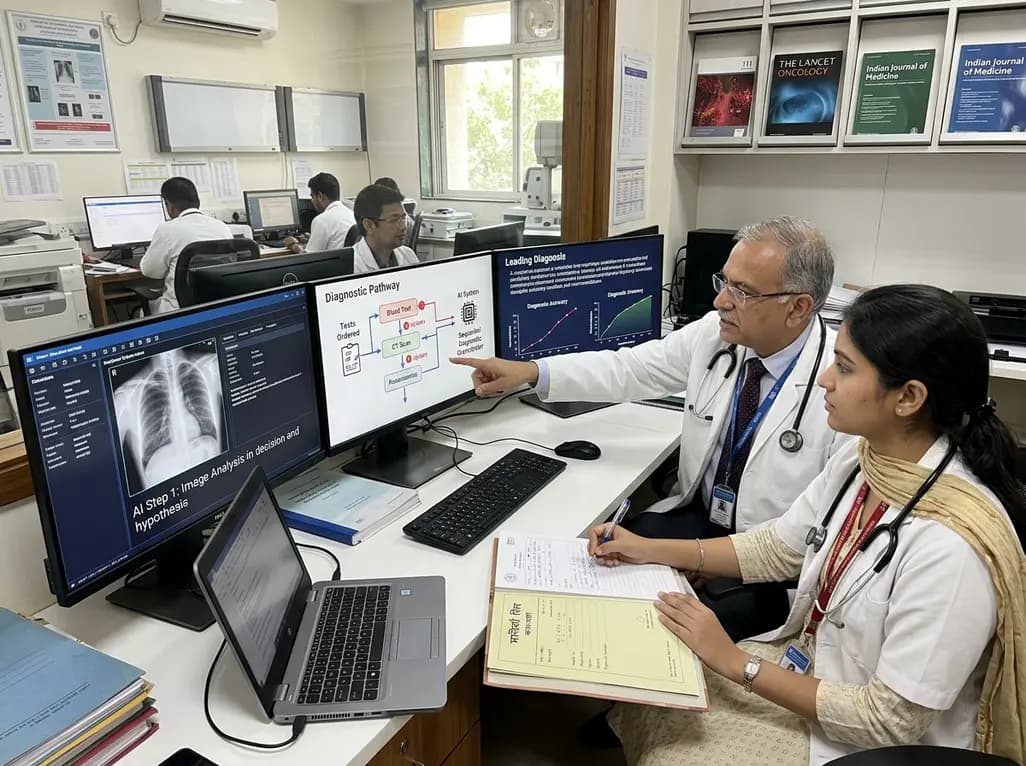
A breakthrough peer-reviewed study demonstrates that a sequential AI diagnosis system can mirror real-world clinical reasoning. By ordering stepwise tests and updating hypotheses dynamically, this multi-agent orchestrator achieved superior diagnostic accuracy while reducing investigative costs.
Today

A prenatal case highlights severe glutaric acidemia type II presenting as bilateral hyperechoic cystic kidneys at 18 weeks. Whole-exome sequencing revealed a novel homozygous ETFDH frameshift variant, demonstrating the power of rapid genetic testing in fetal renal anomalies.
Today

Review how tailored exercise programs benefit frail older patients with heart failure. Explore pathophysiological mechanisms, individualized training prescriptions, and strategies to overcome adherence barriers in clinical practice.
Yesterday

This comparative study evaluates posterior labral tears with and without glenohumeral instability, highlighting distinct demographic patterns, MRI underestimation in stable shoulders, and successful arthroscopic repair outcomes.
Yesterday

A clinical study demonstrates that early intervention with tocilizumab, either as monotherapy or bridged with corticosteroids, achieves significant proptosis reduction and resolves active inflammation in treatment-naive thyroid eye disease.
Yesterday
