.webp&w=384&q=75)

Loading, please wait...
Loading, please wait...
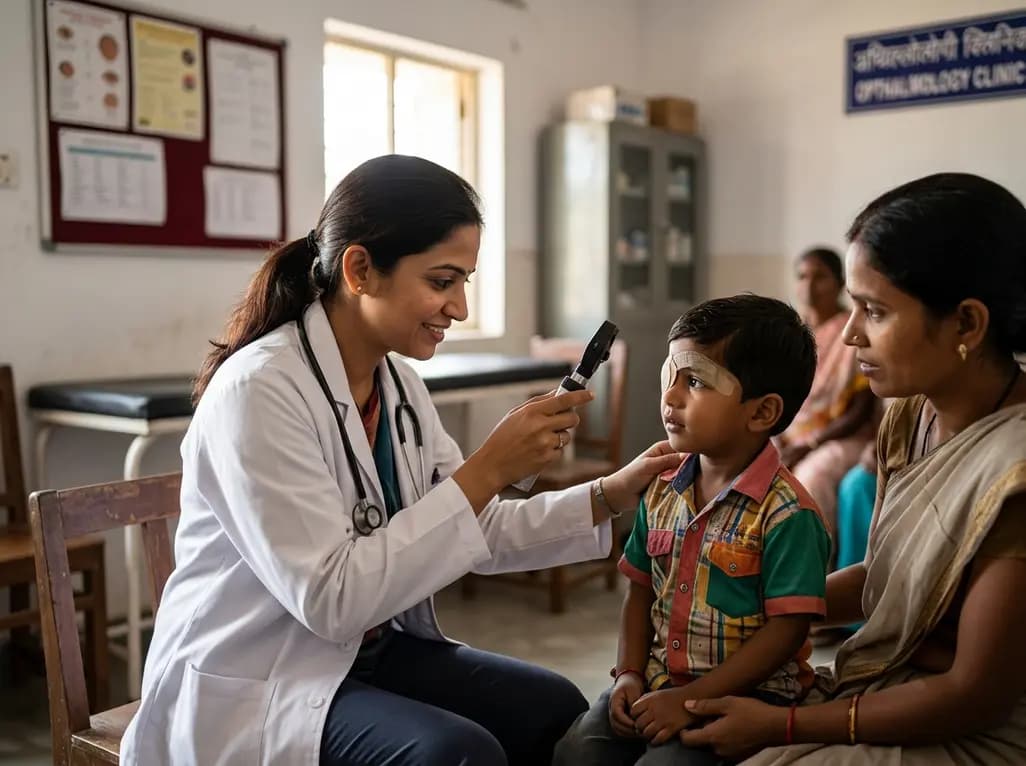
Amblyopia remains a primary cause of preventable permanent visual impairment among children globally. Consequently, early detection through targeted screening initiatives is essential to preserve long-term visual acuity. A comprehensive pediatric amblyopia screening program conducted over four years by the Hungarian Charity Service of the Order of Malta evaluated 19,724 children across 127 socioeconomically disadvantaged settlements. Children living in economically marginalized regions face substantial barriers to accessing routine ophthalmic care. Thus, outreach initiatives play a pivotal role in identifying amblyogenic refractive risk factors before irreversible cortical suppression occurs.
The program utilized a structured, two-step screening framework to detect visual deficits. Overall, examiners identified amblyopia in 4.9% of the screened population, accounting for 960 affected children. Notably, early detection allowed clinicians to initiate immediate therapeutic interventions, mitigating the risk of lifelong visual loss. Furthermore, these findings emphasize the necessity of mobile screening units in rural settings. By bringing diagnostic equipment directly to underserved schools and community centers, healthcare providers can bridge existing gaps in healthcare equity and ensure timely clinical evaluation for vulnerable pediatric cohorts.
Refractive error represents the most frequent underlying etiology of childhood amblyopia. Prescribing proper refractive correction is therefore the foundational step in managing amblyopic children. In the Hungarian screening cohort, spectacle correction alone resulted in complete visual acuity recovery in 60% of affected children. This outcome demonstrates the remarkable neuroplasticity of the pediatric visual cortex when clinicians correct refractive mismatch promptly. Optical correction eliminates blurry retinal images, allowing the visual pathways to clear image input and restore normal binocular development.
Additionally, high spectacle compliance significantly predicted visual recovery among participants. Children who consistently wore their prescribed glasses experienced steady gains in best-corrected visual acuity. However, refractive adaptation requires continuous monitoring over several months. Clinicians observed that optimal optical correction often eliminates the need for more invasive or demanding secondary therapies. Consequently, ensuring access to affordable, durable eyewear remains critical for pediatric outreach efforts. Providing free or subsidized spectacles directly addresses socioeconomic barriers, ultimately improving therapeutic adherence and visual outcomes across disadvantaged pediatric populations.
When refractive correction alone fails to resolve visual deficits, occlusion therapy becomes the primary secondary treatment. In this four-year program, clinicians initiated patching therapy in 206 children with persistent amblyopia. However, patch compliance verified during follow-up visits was achieved in only 20% of cases. Socioeconomic hardships, lack of parental supervision, and social stigma surrounding eye patches frequently hinder daily compliance. Consequently, poor treatment adherence represents a major obstacle to achieving visual rehabilitation in community-based screening initiatives.
Despite these adherence barriers, occlusion therapy demonstrated clear clinical efficacy among compliant children. Specifically, 57% of compliant participants achieved at least a one-line improvement in visual acuity, with a mean gain ranging from three to four lines. These gains reflect meaningful functional visual recovery, enabling children to perform better academically and socially. Therefore, future programs must incorporate structured educational interventions for caregivers. By educating parents on the importance of patching schedules, healthcare teams can improve compliance and maximize therapeutic success in pediatric patients.
In severe cases of amblyopia caused by structural abnormalities or ocular misalignment, surgical intervention is necessary. During the four-year study period, surgical teams performed 14 deprivation-eliminating surgeries to treat congenital cataracts and severe ptosis. Deprivation amblyopia requires rapid surgical clearing of the visual axis to prevent severe, permanent visual loss. In addition, surgeons completed 30 strabismus surgeries to align ocular axes in children with manifest misalignments. These surgical procedures yielded marked functional and aesthetic improvements, significantly restoring binocular visual function.
Moreover, surgical correction often facilitates better post-operative compliance with optical and occlusion therapies. Aligning the visual axes reduces suppression and enhances stereopsis, encouraging children to engage with visual tasks more comfortably. However, surgical success depends heavily on organized surgical referral pathways and post-operative follow-up care. Coordinating complex surgical procedures for rural populations requires robust logistics and dedicated clinical sponsorship. Consequently, charitable organizations and academic centers must collaborate closely to ensure seamless surgical access for socioeconomically disadvantaged children.
Socioeconomic disadvantage creates multifaceted barriers to healthcare access, particularly for specialized pediatric ophthalmic care. Families in remote settlements often lack transportation, financial resources, and health literacy required for long-term clinical follow-up. In this Hungarian screening initiative, adverse social circumstances contributed significantly to missed follow-up appointments and reduced patching adherence. Therefore, clinical outcomes in community outreach programs depend not only on diagnostic accuracy but also on sustained social and logistics support.
To overcome these systemic limitations, screening programs must integrate local healthcare professionals and community health workers into the care continuum. Training local nurses and primary care physicians enables continuous patient monitoring between specialized outreach visits. Furthermore, implementing centralized digital data management systems can streamline patient tracking and prevent loss to follow-up. By combining mobile diagnostic units with community-level healthcare infrastructure, public health administrators can create sustainable, equitable vision care systems. Ultimately, these strategic enhancements will protect visual health and improve long-term outcomes for vulnerable pediatric populations globally.
Spectacle correction alone is remarkably effective for treating pediatric amblyopia caused by refractive errors. In community screening programs, optical correction alone achieves complete visual acuity recovery in approximately 60% of affected children. Prescribing accurate glasses eliminates blurry retinal input, allowing the pediatric visual cortex to adapt and develop normal visual acuity without requiring immediate secondary interventions like occlusion or penalization therapy.
Occlusion therapy compliance is frequently compromised by socioeconomic hardships, limited parental health literacy, and emotional or social discomfort experienced by children wearing patches. Furthermore, families in disadvantaged areas may lack consistent access to follow-up care and guidance. Addressing these adherence barriers requires caregiver education, community health worker involvement, regular follow-up visits, and supportive counseling to reinforce the importance of daily patching schedules.
Surgical interventions are essential for treating amblyopia caused by structural obstructions or ocular misalignment. Procedures such as congenital cataract extraction, ptosis repair, and strabismus surgery clear the visual axis and realign the eyes. Surgical intervention restores physical visual pathways, enabling effective post-operative refractive correction and occlusion therapy, which ultimately leads to substantial functional and aesthetic visual improvements.
Disclaimer: This content is for informational and educational purposes only. It is not intended as substitute for professional medical advice, diagnosis, or treatment. Refer to the latest local and national guidelines for clinical practice.
References
Barbarics J et al. [Vision saved: the first four years of the pediatric ophthalmology screening program of the Hungarian Charity Service of the Order of Malta - Part II.]. Orv Hetil. 2026 Aug 09. doi: 10.1556/650.2026.33591. PMID: 42571683.
Oke I et al. Disparities in the Pediatric Vision Screening Pathway in the United States. JAMA Ophthalmol. 2024;142(3):210-218.
Wallace DK et al. Amblyopia Preferred Practice Pattern. Ophthalmology. 2018;125(1):P105-P142.

Read summarized clinical updates, watch expert medical content, and earn CME certifications right from your smartphone.
Open your smartphone camera to scan and install.





A 4-year pediatric ophthalmology screening program in Hungary evaluated 19,724 children in disadvantaged areas. Findings show a 4.9% amblyopia prevalence, with spectacle correction resolving 60% of cases and occlusion/surgery successfully restoring vision despite adherence barriers.
last month

A nationwide cohort study of 5.3 million older adults in South Korea reveals that chronic exposure to fine particulate matter and ozone modestly elevates the risk of incident Parkinson's disease, highlighting crucial clinical and public health implications for neurodegenerative care.
Today
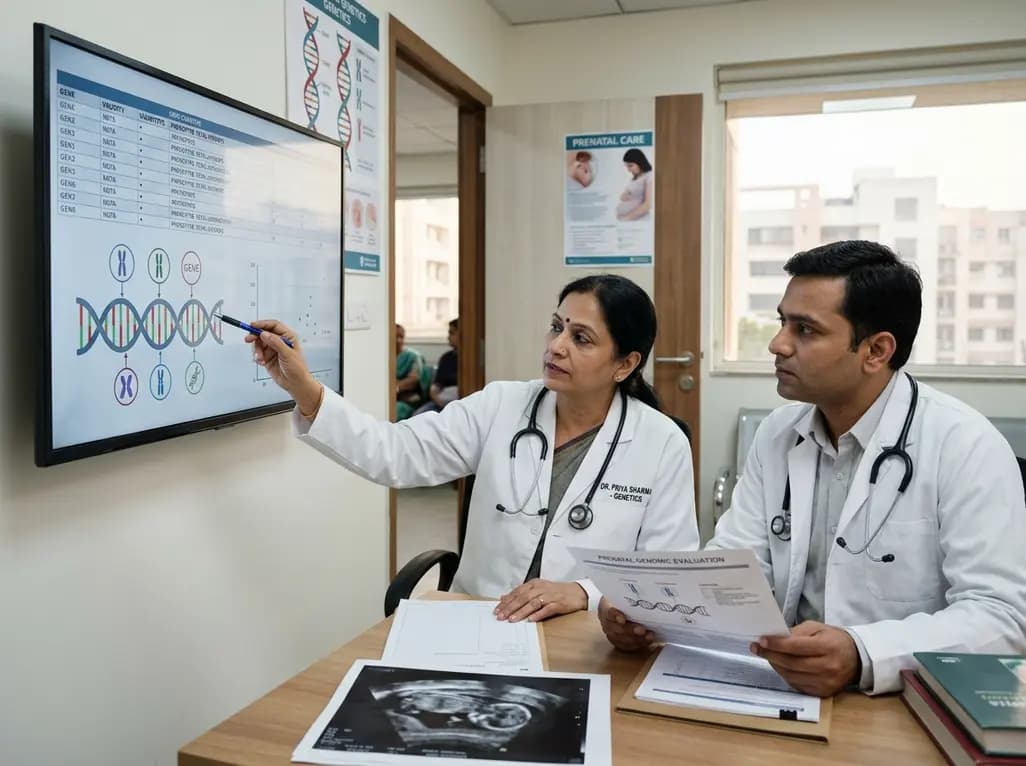
The ClinGen Prenatal Gene Curation Expert Panel evaluated 63 disease relationships across 61 genes, establishing clinical validity for severe fetal phenotypes like hydrops and stillbirth to enhance prenatal genomic interpretation and clinical care.
Today
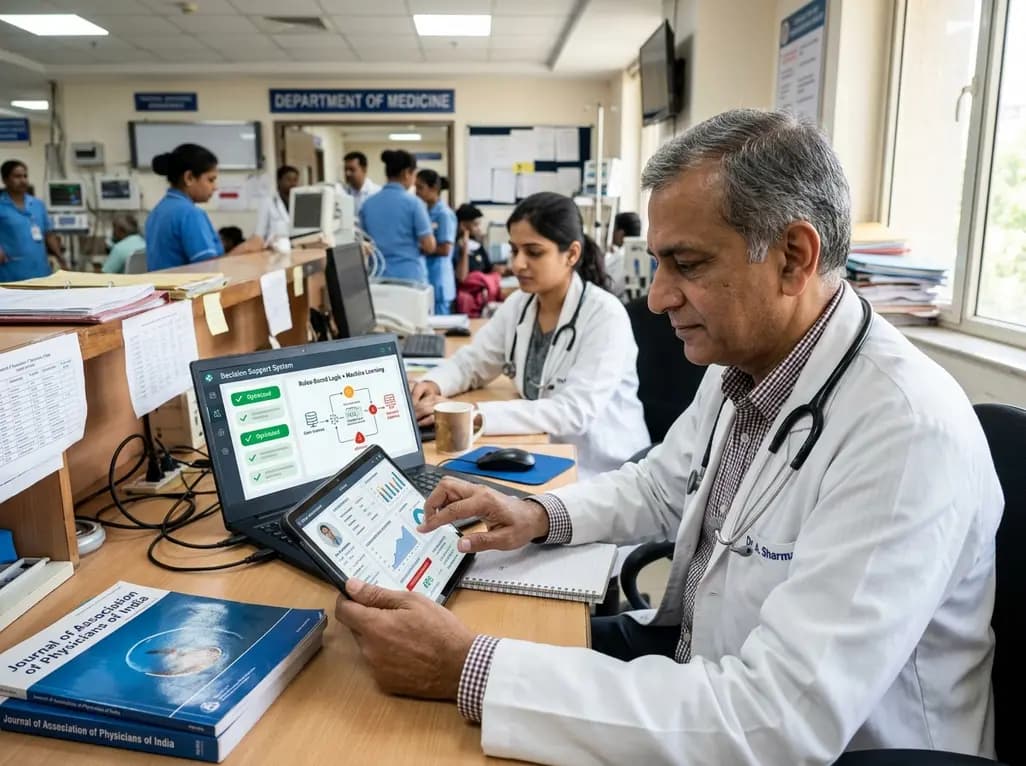
A multicenter study validates a hybrid clinical decision support system combining rule-based logic and machine learning to optimize anticoagulant prescription reviews, reducing alert fatigue and intercepting prescribing errors.
Today
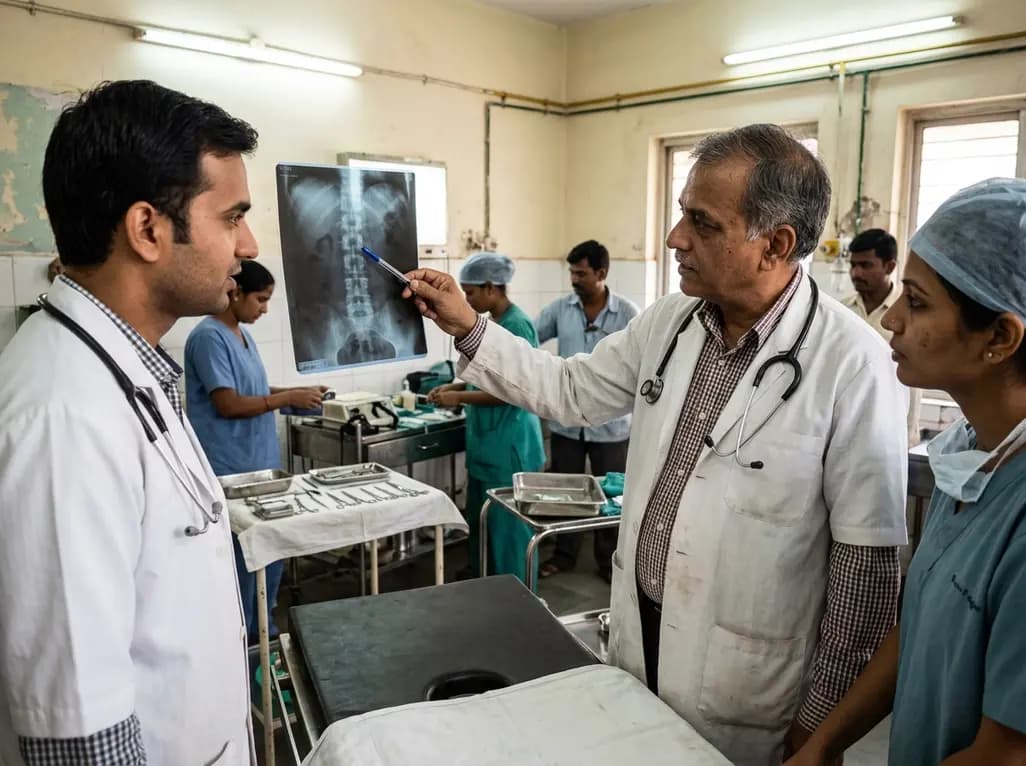
Spine surgery missions in low-resource settings bridge global healthcare gaps when executed with ethical rigor, meticulous logistics, and sustained local partnerships. Learn key practical strategies for financial planning, equipment procurement, patient selection, and bilateral surgical education.
Today

Clinical guidelines rely heavily on isolated biomarkers like IGF-1 and HbA1c. However, portal insulin delivery fundamentally gates hepatic growth hormone sensitivity. This physiological continuum unites type 1 and type 2 diabetes, obesity, cirrhosis, and acromegaly, challenging conventional treatment strategies.
Today
