.webp&w=384&q=75)

Loading, please wait...
Loading, please wait...
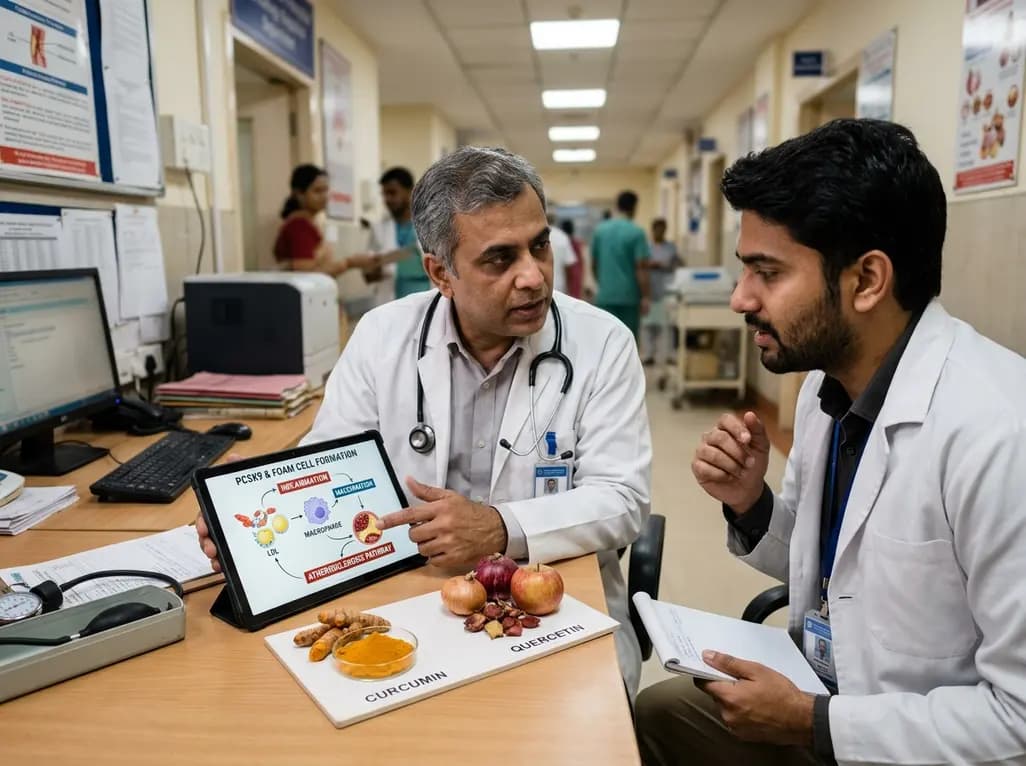
Atherosclerosis remains the leading cause of cardiovascular morbidity and mortality worldwide. Although clinicians historically viewed arterial plaque development solely as a passive cholesterol accumulation process, modern vascular biology recognizes it as a persistent, low-grade inflammatory disease. Within the arterial wall, macrophage-derived foam cells serve as the primary engine driving lesion initiation, necrotic core expansion, and plaque vulnerability. Emerging evidence demonstrates that PCSK9-mediated inflammation actively accelerates this pathogenic cascade beyond systemic low-density lipoprotein clearance. Consequently, exploring novel therapeutic agents that mitigate vascular inflammation alongside cellular lipid dysregulation has become an urgent clinical priority in preventive cardiology.
Proprotein convertase subtilisin/kexin type 9 (PCSK9) is widely recognized for regulating hepatic low-density lipoprotein receptor (LDLR) degradation, thereby controlling circulating cholesterol levels. Clinical practitioners routinely target this pathway using monoclonal antibodies or small interfering RNAs to lower serum atherogenic lipoproteins. However, vascular biologists have recently established that vascular smooth muscle cells, endothelial cells, and infiltrating monocytes also synthesize and secrete PCSK9 locally within the arterial wall.
Furthermore, local vascular PCSK9 synthesis responds dynamically to mechanical shear stress, oxidized lipids, and inflammatory stimuli. Within early atheromatous plaques, this locally secreted protein exerts direct autocrine and paracrine actions that alter vascular homeostasis independently of circulating lipid levels. Therefore, PCSK9 functions as an active vascular regulator that directly influences cellular phenotype, leukocyte recruitment, and extracellular matrix remodeling. Recognizing this non-systemic, vascular role helps clinicians understand why substantial residual cardiovascular risk persists in many patients despite optimal systemic lipid lowering.
Macrophage foam cell formation constitutes the defining pathological hallmark of early atherosclerotic lesions. Under physiological conditions, tissue macrophages maintain homeostatic balance between lipid influx and reverse cholesterol transport. However, PCSK9-mediated inflammation severely disrupts this intracellular equilibrium through multiple synchronized mechanisms. Specifically, PCSK9 upregulates key scavenger receptors on the macrophage membrane, including scavenger receptor class A (SR-A), CD36, and lectin-like oxidized LDL receptor-1 (LOX-1), which markedly accelerates the uncontrolled internalization of atherogenic oxidized low-density lipoprotein particles.
Concurrently, PCSK9 suppresses critical reverse cholesterol transport machinery by downregulating ATP-binding cassette transporters ABCA1 and ABCG1. As a result, macrophages cannot efficiently transfer excess intracellular cholesterol to apolipoprotein A-I or high-density lipoproteins. The resulting accumulation of unesterified cholesterol and cholesteryl esters induces profound endoplasmic reticulum stress and triggers lipid droplet coalescing. Furthermore, persistent intracellular cholesterol crystallization destabilizes lysosomal membranes, driving macrophage apoptosis and contributing to necrotic core enlargement within the developing vascular lesion.
Beyond disrupting intracellular lipid transport, PCSK9 directly augments potent inflammatory signaling cascades within the vascular wall. In particular, PCSK9 engages Toll-like receptor 4 (TLR4) on the macrophage surface, initiating downstream signaling through myeloid differentiation primary response 88 (MyD88). This cascade stimulates the phosphorylation and nuclear translocation of nuclear factor kappa B (NF-κB). Once activated, NF-κB drives the transcription of critical inflammatory cytokines, including interleukin-1 beta (IL-1β), interleukin-6 (IL-6), and tumor necrosis factor-alpha (TNF-α).
In addition, PCSK9 acts as a crucial priming stimulus for the nucleotide-binding oligomerization domain-like receptor family pyrin domain-containing 3 (NLRP3) inflammasome. The convergence of PCSK9 signaling, reactive oxygen species generation, and cholesterol crystal formation triggers NLRP3 assembly and caspase-1 activation. Activated caspase-1 subsequently cleaves pro-IL-1β and pro-IL-18 into mature, highly bioactive inflammatory cytokines. These cytokines promote vascular cell adhesion molecule expression, recruit additional circulating leukocytes, and stimulate matrix metalloproteinases, directly promoting plaque vulnerability and acute rupture.
Although monoclonal antibodies against PCSK9 provide robust systemic lipid reduction, they fail to resolve all residual cellular inflammatory risk. Furthermore, high financial costs, required cold-chain storage, and parenteral administration routes limit their accessibility in resource-constrained global health settings. Consequently, medical researchers are actively exploring natural bioactive compounds that simultaneously inhibit PCSK9 expression and extinguish vascular inflammatory pathways. Plant-derived phytochemicals provide a multitargeted therapeutic strategy capable of modifying complex cellular networks.
Notably, numerous dietary polyphenols and flavonoids exhibit remarkable pleiotropic properties within the subendothelial environment. These bioactive molecules modulate transcription factors such as sterol regulatory element-binding protein 2 (SREBP-2) and hepatocyte nuclear factor 1 alpha (HNF-1α), effectively reducing PCSK9 transcription. Simultaneously, they inhibit mitogen-activated protein kinases (MAPKs) and suppress oxidative stress pathways. Thus, natural agents deliver integrated cellular protection by lowering intracellular lipid accumulation while dampening cytokine production, representing a valuable complementary strategy for long-term cardiovascular health maintenance.
Preclinical studies have identified several key natural compounds with potent antiatherogenic and PCSK9-modulatory properties. For instance, salvianolic acid B, a major bioactive component of Salvia miltiorrhiza, significantly attenuates LOX-1 and CD36 expression, reducing oxidized lipid uptake and macrophage foam cell formation. Similarly, curcumin, a polyphenol derived from Curcuma longa, directly inhibits NF-κB phosphorylation, blocks NLRP3 inflammasome activation, and upregulates ABCA1 expression to enhance cholesterol efflux.
Furthermore, flavonoids such as quercetin, fisetin, and myricetin display comprehensive vascular protective actions. Quercetin effectively suppresses PCSK9 protein expression, reduces vascular cell senescence, and promotes the phenotypic shift of macrophages from proinflammatory M1 toward reparative M2 states. Fisetin and myricetin similarly decrease reactive oxygen species production, reduce monocyte adhesion, and inhibit inflammatory cytokine secretion. By concurrently regulating macrophage polarization, promoting reverse lipid transport, and suppressing PCSK9, these natural phytochemicals mitigate atherosclerotic plaque burden through multiple complementary cellular pathways.
The integration of metabolic modulation and inflammatory control represents an essential paradigm shift in modern preventive cardiology. In regions such as India and South Asia, premature coronary artery disease presents a widespread public health challenge characterized by atherogenic dyslipidemia and heightened inflammatory burden. While statins and monoclonal PCSK9 inhibitors remain the standard of care, addressing residual inflammatory risk remains a critical unmet clinical need in secondary prevention.
Therefore, developing standardized nutraceutical formulations, plant-derived bioactive extracts, and synthetic analogs offers substantial therapeutic promise. Integrating validated natural bioactive agents into evidence-based lifestyle interventions and pharmacological regimens may provide cost-effective, multitargeted protection against plaque progression. However, clinicians must await rigorous standardized pharmacokinetic formulations and robust randomized controlled clinical trials before broadly adopting these agents in clinical practice. Continued translational research will help clarify optimal therapeutic dosing, bioavailability enhancements, and potential drug interactions for safe cardiovascular prevention.
PCSK9 accelerates foam cell formation by upregulating scavenger receptors such as CD36 and LOX-1 on macrophages, increasing oxidized LDL uptake. Simultaneously, PCSK9 downregulates ABCA1 and ABCG1 transporters, which impairs cholesterol efflux to high-density lipoproteins. This imbalance causes massive intracellular lipid accumulation, transforming macrophages into lipid-laden foam cells that release inflammatory mediators and drive atherosclerotic plaque progression.
Unlike monoclonal antibodies that primarily target circulating PCSK9 for systemic lipid lowering, natural bioactive compounds provide broad pleiotropic effects. Phytochemicals such as curcumin, quercetin, and salvianolic acid B downregulate local PCSK9 expression while suppressing TLR4/NF-κB signaling and the NLRP3 inflammasome. This multitarget action simultaneously reduces intracellular lipid accumulation and extinguishes persistent vascular inflammation at low production costs.
No, natural bioactive compounds cannot replace proven guideline-directed medical therapies such as statins or PCSK9 inhibitors. Standard pharmacological agents have robust randomized controlled trial evidence demonstrating substantial reductions in major adverse cardiovascular events. Instead, bioactive phytochemicals represent potential adjunctive therapies that may complement standard treatments by addressing residual inflammatory risk, subject to validation in rigorous human clinical trials.
Disclaimer: This content is for informational and educational purposes only and does not constitute medical advice. Refer to the latest local and national guidelines for clinical practice.
References

Read summarized clinical updates, watch expert medical content, and earn CME certifications right from your smartphone.
Open your smartphone camera to scan and install.





Atherosclerosis involves PCSK9-driven macrophage foam cell formation and vascular inflammation. Natural bioactive compounds like curcumin and quercetin offer integrated anti-inflammatory and lipid-modulating actions, presenting promising complementary strategies for cardiovascular disease management.
4 weeks back

A Bayesian multilevel meta-analysis reveals that aerobic training combined with moderate carbohydrate restriction modestly lowers HbA1c in type 2 diabetes. However, sparse data and very low certainty leave incremental benefits over exercise or diet alone unproven, highlighting the need for individualized care.
Today

Findings from Project Viva indicate that sustained postpartum weight retention, rather than excessive gestational weight gain alone, directly worsens women's mid-life cardiovascular health, degrading blood pressure and glycemic parameters decades after delivery.
Today
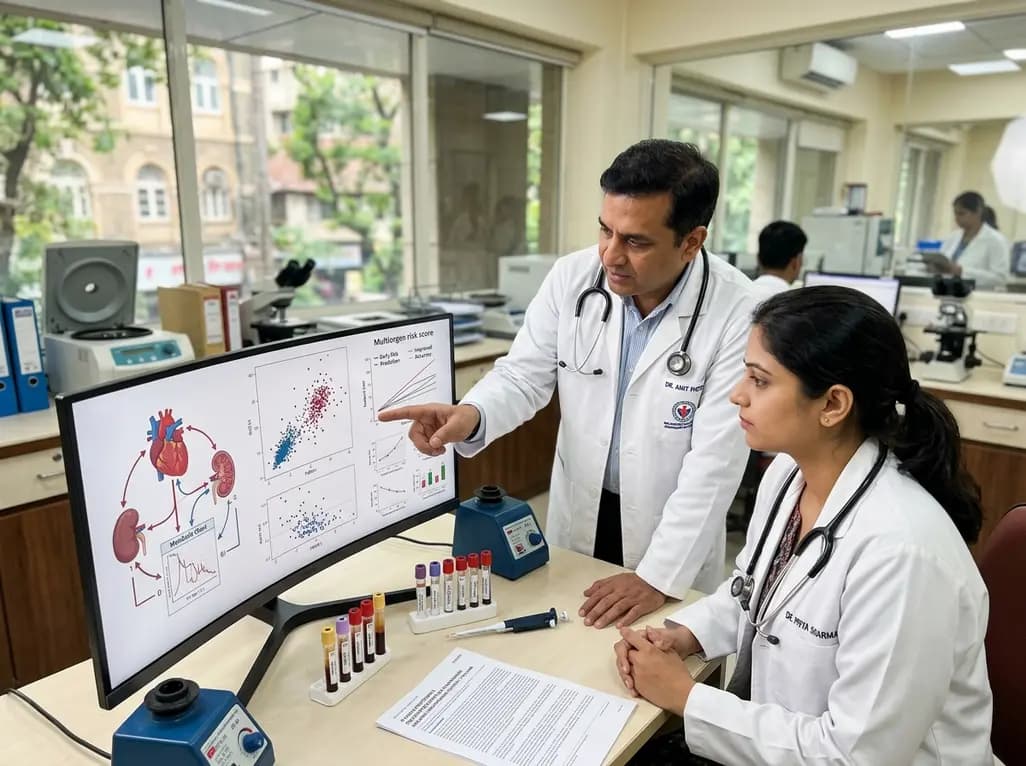
A large UK Biobank study reveals that plasma proteomic signatures capture preclinical organ damage and improve multiorgan risk prediction across early CKM syndrome stages 0 to 2 beyond traditional PREVENT clinical models.
Today

A retrospective CBCT study reveals that superior TMJ space asymmetry correlates moderately with occipital condyle-atlas-axis asymmetry in unilateral TMJ osteoarthritis, highlighting an imaging correlate between jaw biomechanics and upper cervical alignment rather than a standalone diagnostic marker.
Today
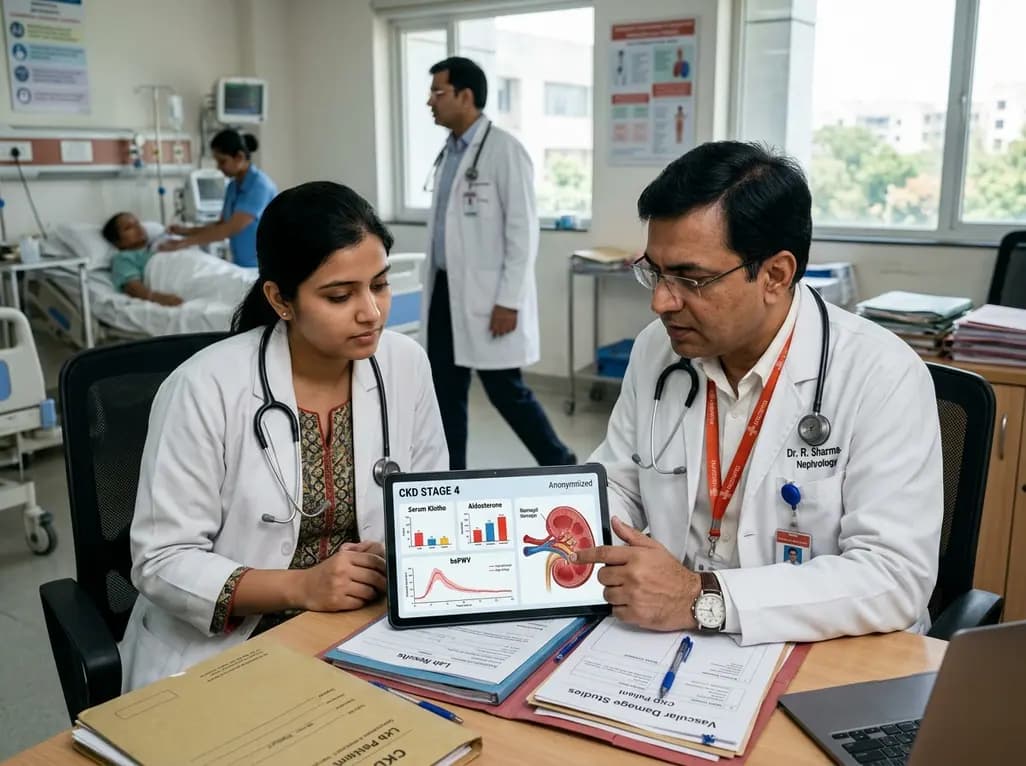
A cross-sectional investigation highlights the complex pathophysiological links between serum Klotho deficiency, secondary hyperaldosteronism, and vascular damage in CKD. Discover key insights into non-invasive vascular stiffness markers and targeted therapeutic pathways for cardiorenal protection.
Today
