.webp&w=384&q=75)

Loading, please wait...
Loading, please wait...
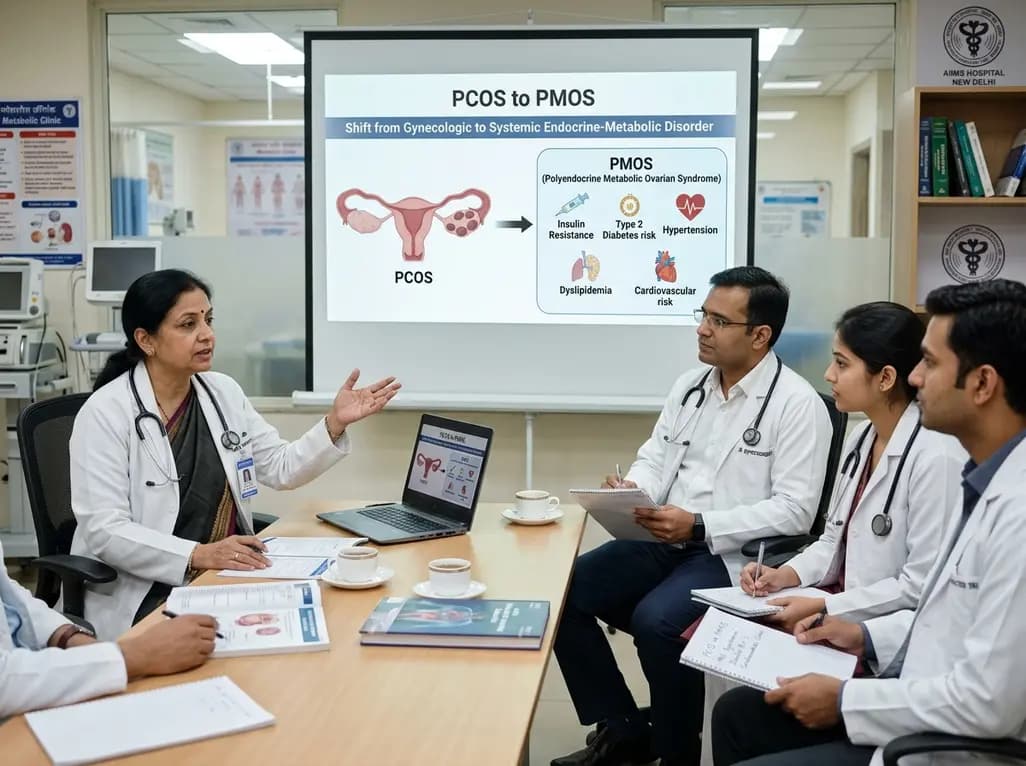
The global medical community has marked a historic milestone by formally replacing the nearly nine-decade-old designation of polycystic ovary syndrome with polyendocrine metabolic ovarian syndrome (PMOS). This decisive PCOS to PMOS renaming represents far more than a semantic adjustment; it embodies a transformative paradigm shift in disease perception, clinical screening, and lifelong patient management. For decades, the historic nomenclature misdirected clinical attention primarily toward ovarian morphology and acute reproductive difficulties, frequently trivializing the profound systemic endocrine perturbations and cardiometabolic vulnerabilities that define the disorder. Consequently, this global consensus reframes our therapeutic approach to deliver holistic, multidisciplinary care across all life stages.
The original terminology originated in 1935 when Irving Stein and Michael Leventhal first described the association between bilateral enlarged polycystic ovaries and amenorrhea. However, modern scientific advancements have demonstrated that the so-called ovarian cysts are merely arrested, immature antral follicles rather than true pathological neoplasms. Furthermore, a substantial proportion of affected individuals never demonstrate classic polycystic ovarian morphology on pelvic ultrasonography, yet they experience severe hormonal dysregulation. Conversely, many completely healthy females exhibit polycystic ovarian features on imaging without displaying any systemic pathology.
Because the historic name centered exclusively on the pelvic organs, clinicians and patients frequently suffered from diagnostic confusion and fragmented clinical pathways. Consequently, patients without ultrasound abnormalities were often dismissed or experienced extensive diagnostic delays exceeding several years. In addition, the historic emphasis on fertility led many clinicians to de-escalate monitoring once childbearing concluded. By integrating extensive patient survey data and multi-organizational consensus, the new terminology directly rectifies these systemic misconceptions. The updated name accurately acknowledges the concurrent multi-hormonal dysfunction, metabolic derangements, and ovarian involvement that characterize this complex condition worldwide.
The biological framework of PMOS involves an intricate network of endocrine disruptions rather than an isolated ovarian defect. At the center of this pathophysiology lies intrinsic insulin resistance, which occurs independently of body mass index but amplifies significantly in the presence of adiposity. Hyperinsulinemia directly stimulates ovarian theca cells to augment androgen synthesis while simultaneously suppressing hepatic production of sex hormone-binding globulin. This physiological cascade drastically increases circulating free testosterone concentrations, perpetuating hyperandrogenic manifestations such as hirsutism, severe inflammatory acne, and androgenetic alopecia.
Furthermore, neuroendocrine dysregulation plays a pivotal role in sustaining this syndrome. Accelerated pulsatile release of hypothalamic gonadotropin-releasing hormone preferentially stimulates pituitary luteinizing hormone secretion over follicle-stimulating hormone. This persistent luteinizing hormone excess disrupts follicular maturation, promotes follicular arrest, and impairs regular ovulatory function. In addition, chronic low-grade systemic inflammation and altered adipokine secretion accelerate peripheral insulin resistance and vascular dysfunction. Therefore, clinicians must conceptualize the syndrome as a complex polyendocrine disorder that orchestrates widespread physiological perturbations throughout the entire human body.
Adopting the new framework necessitates an immediate transformation of routine clinical evaluation protocols. Clinicians must move decisively beyond simple pelvic imaging and menstrual history to establish comprehensive, stratified baseline assessments. Every initial diagnostic evaluation should thoroughly investigate metabolic parameters, androgen profiles, and cardiovascular risk indicators alongside reproductive status. Routine testing must include a standardized two-hour oral glucose tolerance test, complete fasting lipid panels, liver function assays, and rigorous blood pressure evaluations at baseline.
Moreover, physicians must recognize that phenotypes vary widely across diverse demographic populations. Lean individuals frequently present with profound cellular insulin resistance despite possessing a normal body mass index, requiring identical metabolic vigilance. Clinicians must also incorporate standardized mental health evaluations into their baseline protocols, as chronic hormonal and metabolic imbalances correlate with elevated rates of anxiety, major depression, and disordered eating. Consequently, structured diagnostic workups should comprehensively capture metabolic, psychological, and hormonal dimensions rather than relying solely on pelvic ultrasonography to confirm disease presence.
Management of PMOS requires an individualized, stratified strategy that addresses both immediate symptom relief and lifelong cardiometabolic prevention. Lifestyle intervention serves as the foundational cornerstone for every patient regardless of baseline weight. Evidence demonstrates that tailored nutritional modifications and regular resistance exercise significantly improve peripheral insulin sensitivity, restore regular ovulatory cycles, and diminish systemic inflammatory cascades.
Pharmacological therapies should strategically target specific patient phenotypes and individual goals. For individuals with prominent metabolic derangements, insulin-sensitizing agents such as metformin and emerging incretin-based therapies provide substantial benefits by mitigating hyperinsulinemia and supporting sustainable weight regulation. When dermatologic hyperandrogenism dominates the clinical presentation, clinicians can effectively deploy combined oral contraceptives alongside targeted anti-androgens like spironolactone. For patients actively pursuing fertility, letrozole remains the preferred first-line ovulation induction agent due to superior live-birth rates. Thus, therapeutic success depends entirely upon moving away from generic interventions toward precise, patient-centered clinical regimens.
The most crucial consequence of this nomenclature transition is the establishment of structured, lifelong chronic disease surveillance. Individuals with PMOS face significantly elevated lifetime risks of developing impaired glucose tolerance, type 2 diabetes mellitus, metabolic dysfunction-associated steatotic liver disease, hypertension, and obstructive sleep apnea. Furthermore, persistent unmanaged metabolic syndrome accelerates endothelial dysfunction, dramatically elevating the incidence of premature atherosclerotic cardiovascular disease.
Therefore, preventive management must continue uninterrupted across the entire lifespan, extending well beyond the reproductive years into perimenopause and postmenopause. Clinicians should implement scheduled annual cardiometabolic screenings, including glycemic indices, lipid fractionation, and non-invasive hepatic steatosis scoring. Additionally, persistent chronic anovulation exposes the endometrium to unopposed estrogen, markedly increasing the long-term risk of endometrial hyperplasia and adenocarcinoma. Periodic progestin withdrawal therapies or levonorgestrel-releasing intrauterine systems are vital to preserve endometrial integrity. By establishing proactive surveillance protocols, healthcare providers can successfully avert severe chronic morbidity and optimize long-term health trajectories.
Implementing these global consensus recommendations within South Asian clinical practice carries exceptional urgency. South Asian populations exhibit a distinctive Asian Indian phenotype characterized by elevated visceral adiposity, severe muscle mass deficits, and pronounced baseline insulin resistance at significantly lower body mass index thresholds. Consequently, South Asian females develop PMOS-related metabolic complications and type 2 diabetes at much younger ages compared to Western cohorts.
Frontline general practitioners, internists, and endocrinologists must lower their clinical thresholds for early screening across all demographic strata. Routine health checkups for adolescent and young adult females presenting with resistant acne, irregular menses, or central adiposity must encompass thorough metabolic testing. Culturally adapted dietary guidance emphasizing whole foods and adequate dietary protein must replace ultra-processed carbohydrates. Furthermore, public health education must aggressively de-stigmatize the condition, reframing it as a manageable metabolic-endocrine disorder rather than a reproductive deficiency. Bridging these clinical and societal gaps will ensure that evidence-based consensus guidelines deliver tangible, life-saving benefits to millions of vulnerable patients across the region.
The global medical community renamed the condition because the historic term focused misleadingly on ovarian cysts, which are actually normal immature follicles. Many patients never exhibit ovarian cysts, while their underlying metabolic and hormonal issues remain unaddressed. The updated name accurately reflects the concurrent polyendocrine, metabolic, and ovarian disruptions driving the disease process across all patient demographics.
The core clinical criteria still evaluate ovulatory dysfunction, clinical or biochemical hyperandrogenism, and ovarian morphology; however, the clinical emphasis has shifted dramatically. Clinicians must now prioritize comprehensive cardiometabolic evaluations, including glucose tolerance and lipid testing, alongside standard hormonal assays. This holistic approach ensures timely identification of systemic health risks rather than limiting evaluations exclusively to pelvic ultrasonography.
Treatment must now expand beyond short-term reproductive goals to incorporate lifelong metabolic and cardiovascular prevention. Clinicians should combine tailored lifestyle interventions with targeted pharmacotherapies, such as insulin sensitizers, anti-androgens, or ovulation agents, depending on individual patient phenotypes. Continuous long-term monitoring across life stages ensures that metabolic complications, liver health, and cardiovascular risks receive proactive, comprehensive clinical management.
Disclaimer: This content is for informational and educational purposes only, and should not be taken as medical advice or used to establish a standard of care. Medical knowledge is constantly evolving; therefore, healthcare professionals must rely on their clinical judgment, verify all information, and cross-reference with current medical literature. Refer to the latest local and national guidelines for clinical practice.
References
1. Shao YF et al. [From PCOS to PMOS: nomenclature revision and paradigm shift in disease perception]. Zhonghua Yi Xue Za Zhi. 2026 Aug 20. doi: 10.3760/cma.j.cn112137-20260616-01565. PMID: 42624796.
2. Teede HJ, Tay CT, Laven JSE, et al. Recommendations from the 2023 international evidence-based guideline for the assessment and management of polycystic ovary syndrome. Lancet Diabetes Endocrinol. 2023;11(12):916-928.
3. International PMOS Consensus Group. Polyendocrine metabolic ovarian syndrome, the new name for polycystic ovary syndrome: a multistep global consensus process. Lancet. 2026;407(10542):2105-2118.
4. Azziz R, Carmina E, Chen Z, et al. Polycystic ovary syndrome. Nat Rev Dis Primers. 2016;2:16057.

Read summarized clinical updates, watch expert medical content, and earn CME certifications right from your smartphone.
Open your smartphone camera to scan and install.





The global consensus officially renames polycystic ovary syndrome (PCOS) to polyendocrine metabolic ovarian syndrome (PMOS), emphasizing a paradigm shift from a purely gynecologic issue to a systemic endocrine-metabolic disorder requiring comprehensive, lifelong cardiometabolic and reproductive care.
last month

Health authorities in the Democratic Republic of the Congo report unprecedented mortality from the Bundibugyo virus epidemic. Clinicians worldwide must understand the virological profile, atypical hemorrhagic manifestations, early diagnostic protocols, and containment strategies for this evolving health threat.
Today

A nationwide South Korean study shows underreporting of smoking among women dropped from 57.4% to 36.4% between 2008 and 2021. However, over one-third of female smokers still conceal their habit, highlighting the critical role of cotinine verification in clinical risk assessment.
Today
A scientific statement highlights the crucial role of nutrition in managing chronic heart failure. It emphasizes GLIM-based screening, individualized dietary patterns like the Mediterranean diet, appropriate protein and energy intake, avoiding unnecessary fluid restriction, and targeted iron supplementation.
Today

A new study evaluates the rheological stability of decellularized peripheral nerve matrix hydrogels under varied storage conditions. Findings show -80°C storage and freeze-drying preserve gelation kinetics and mechanical stiffness, offering key insights for shipping and translational clinical applications.
Today

A qualitative meta-synthesis highlights the complex interplay between gender dysphoria, minority stress, and eating disorders in transgender and gender-diverse individuals. Clinicians must recognize these distinct drivers to offer supportive, gender-affirming, and interdisciplinary eating disorder care.
Today
