.webp&w=384&q=75)

Loading, please wait...
Loading, please wait...

Modern oncology practices define high-value care by evaluating clinical outcomes relative to economic expenditure. By systematically monitoring patient-reported outcomes, clinicians detect distressing symptoms that routine visits overlook. Consequently, these validated metrics provide direct insight into patient suffering while uncovering significant trends in healthcare resource utilization.
Contemporary cancer care defines clinical value as health improvements achieved per dollar spent. However, healthcare systems historically tracked billing codes without assessing direct patient experiences during active therapy. A massive population-based cohort study in Ontario, Canada, examined 1,728,025 Edmonton Symptom Assessment System evaluations completed by 285,924 cancer patients between 2008 and 2019. Remarkably, forty-eight percent of the patient cohort presented with early stage I or stage II disease. The investigators linked these longitudinal assessments directly to subsequent thirty-day healthcare costs. Furthermore, they categorized expenses into cancer-directed treatments and ancillary health services, including acute emergency department visits, home nursing, and complex continuing care.
The analysis revealed that physical and psychological distress profoundly influences healthcare resource allocation. Clinicians frequently assume that escalating cancer expenditures stem primarily from expensive antineoplastic drugs. In contrast, population data demonstrated that unmanaged symptom burden shifts financial expenditure toward acute crisis management. Therefore, capturing routine patient feedback provides an objective framework to assess clinical value. As healthcare systems transition toward value-based reimbursement, routine symptom tracking becomes an indispensable strategy. Ultimately, this approach helps oncology teams monitor institutional performance, optimize therapy delivery, and protect vulnerable patients from rapid functional decline.
The Ontario study demonstrated a striking dichotomy in how symptom intensity dictates healthcare spending. Specifically, each 10-point increase in total Edmonton Symptom Assessment System score correlated with a 9.4% decrease in cancer-directed therapy costs. Patients experiencing severe distress received significantly fewer systemic therapies, surgical procedures, and radiation courses. Clinicians often delayed or terminated planned antitumor regimens because acute physical debility impaired patient tolerance. Thus, preventable toxicities frequently derail curative treatment protocols prematurely. Consequently, uncontrolled symptom burden directly compromised potentially curative or life-extending therapeutic opportunities.
Conversely, escalating symptom scores triggered an opposite and dramatic surge in supportive resource consumption. Each 10-point score increase was associated with an 18% rise in ancillary healthcare costs. Patients battling severe distress required frequent emergency department visits, unplanned hospitalizations, intensive home care, and extended institutional nursing. Furthermore, these ancillary expenses represent low-value reactive spending rather than proactive curative investment. Therefore, unaddressed toxicities reduce access to cancer-directed treatments while exhausting institutional budgets on acute crisis containment. Additionally, earlier supportive interventions preserve functional performance, enabling patients to maintain essential chemotherapy schedules safely. Accordingly, early intervention stabilizes medical expenditure.
Patient experiences varied substantially across different tumor categories and therapeutic regimens. Across the entire cohort, patients cited tiredness, depression, and impaired overall well-being as the three most prevalent complaints. Notably, individuals diagnosed with respiratory malignancies and head and neck tumors endured the heaviest symptom burden. These patients frequently recorded moderate to severe scores of four or higher on assessment scales. Anatomical tumor locations cause severe functional disruptions, including airway obstruction, intractable cough, dysphagia, and profound nutritional decline. Consequently, these patient groups required intensive supportive interventions throughout their treatment trajectory.
In addition, the investigators observed remarkable differences in short-term financial intensity among diagnostic groups. Gastrointestinal cancers emerged as the most resource-intensive disease site, generating median 30-day post-assessment costs of $85,000 in Canadian dollars. Breast malignancies followed closely at $81,000, while central nervous system tumors generated $78,000 per patient. These elevated expenditures reflect complicated multimodality protocols, advanced biologics, neurosurgical monitoring, and extensive supportive rehabilitation. Moreover, when severe physical distress strikes patients receiving complex therapies, the risk of acute decompensation rises exponentially. Thus, oncologists must identify high-risk diagnostic cohorts early to deploy preemptive supportive strategies.
The inverse relationship between symptom severity and cancer therapy utilization carries vital clinical implications. When treatment toxicities remain unaddressed, physical performance scores deteriorate rapidly. Consequently, clinicians must pause chemotherapy cycles, delay radiation sessions, or reduce drug dosages below ideal therapeutic thresholds. These unplanned delays compromise long-term oncologic control and heighten recurrence risks. Furthermore, patients often experience psychological exhaustion when severe pain, nausea, or fatigue persist unchecked. As a result, treatment discontinuation rates rise, particularly among individuals who lack strong social support networks.
Simultaneously, unmanaged symptoms drain emergency departments and inpatient hospital infrastructure. When acute pain crises or severe dehydration develop at home, families seek urgent hospital care. However, emergency departments offer expensive episodic rescue care without resolving chronic supportive deficits. In contrast, integrating proactive symptom tracking into ambulatory clinics prevents severe decompensation. Clinical teams can administer intravenous hydration, adjust analgesics, or initiate antiemetics before acute emergencies develop. Therefore, real-time symptom management preserves functional performance, supports therapy completion, and reduces avoidable hospital admissions. Additionally, keeping immunocompromised patients out of acute hospital wards minimizes life-threatening nosocomial infections. Ultimately, proactive management preserves valuable hospital resources.
The findings from this cohort study hold immense relevance for oncology practices across India. Indian cancer patients frequently present with locally advanced disease, experiencing heavy symptom burdens before starting definitive therapy. Moreover, out-of-pocket medical expenses place catastrophic financial strain on Indian families. When patients develop unmanaged complications, emergency admissions exhaust household savings and cause abrupt treatment abandonment. Therefore, implementing routine symptom assessment offers an effective strategy to safeguard family finances while improving therapeutic adherence and survival outcomes.
Indian cancer hospitals can implement standardized screening tools into routine nursing triages and digital mobile portals. Specifically, using validated questionnaires in local vernacular languages overcomes communication barriers in high-volume public and private centers. Dedicated oncology nurses can review these reports before outpatient consultations begin. Consequently, oncologists can promptly address moderate symptom scores through early palliative referrals, nutritional support, and pain counseling. Furthermore, remote telehealth check-ins allow clinical teams to monitor high-risk patients between chemotherapy cycles. By shifting institutional focus toward continuous outpatient supportive care, Indian hospitals can maximize therapy completion, eliminate wasteful emergency expenditures, and enhance overall quality of life. Accordingly, early supportive integration creates a sustainable model for value-based oncology delivery across India.
Patient-reported outcomes give oncology teams real-time visibility into subjective toxicities that routine laboratory tests miss. Consequently, oncologists can adjust drug dosages or initiate supportive interventions before toxicities worsen. Therefore, early detection prevents avoidable treatment interruptions and minimizes early therapy discontinuations. In addition, routine symptom monitoring empowers patients to communicate distress openly. Ultimately, this proactive dialogue preserves functional capacity and ensures that patients safely complete their planned systemic regimens.
When physical and psychological symptoms escalate without early outpatient intervention, patients frequently experience acute crises. Consequently, they seek urgent medical assistance at emergency departments and require unplanned hospital admissions. Furthermore, severe debility necessitates intensive home care nursing and complex continuing care beds. Because these acute inpatient and supportive services consume significant clinical resources, institutional costs rise steeply. Therefore, uncontrolled symptoms divert valuable healthcare funds into reactive rescue care rather than planned cancer-directed therapies.
Oncology centers in India can deploy regional-language digital questionnaires or mobile applications at outpatient registration desks. Furthermore, trained nursing staff or patient navigators can assist patients who face digital literacy barriers. Clinicians should incorporate validated tools like the Edmonton Symptom Assessment System into electronic medical records. Consequently, oncology teams receive immediate alerts when severe symptom thresholds emerge. Thus, multidisciplinary teams can intervene early, thereby optimizing patient comfort, preventing expensive emergency hospitalizations, and preserving essential therapy completion.
Disclaimer: This content is for informational and educational purposes only... Refer to the latest local and national guidelines for clinical practice.
References
Hirpara DH et al. Association Between Patient-Reported Outcomes and Health Care Resource Utilization: Toward Developing Patient-Centered Value Measures in Cancer Care. J Clin Oncol. 2026 Sep 18. doi: 10.1200/JCO-25-02737. PMID: 42758960.
Basch E et al. Overall Survival Results of a Trial Assessing Patient-Reported Outcomes for Symptom Monitoring During Routine Cancer Treatment. JAMA. 2017;318(2):197-198.
Barbera L et al. Why do patients with cancer visit the emergency department near the end of life? CMAJ. 2010;182(6):563-568.

Read summarized clinical updates, watch expert medical content, and earn CME certifications right from your smartphone.
Open your smartphone camera to scan and install.





A landmark cohort study shows high cancer symptom burden reduces cancer-directed therapy use while surging ancillary care costs. Proactive tracking through patient-reported outcomes enables clinicians to intervene early, optimizing therapy completion and reducing costly emergency admissions.
Today
A large-scale TriNetX cohort study reveals that bisphosphonate use in osteoporosis significantly increases the risk of uveitis, particularly anterior uveitis during the first month of therapy and among patients with pre-existing autoimmune conditions. Clinicians must ensure early detection and prompt referral.
Today
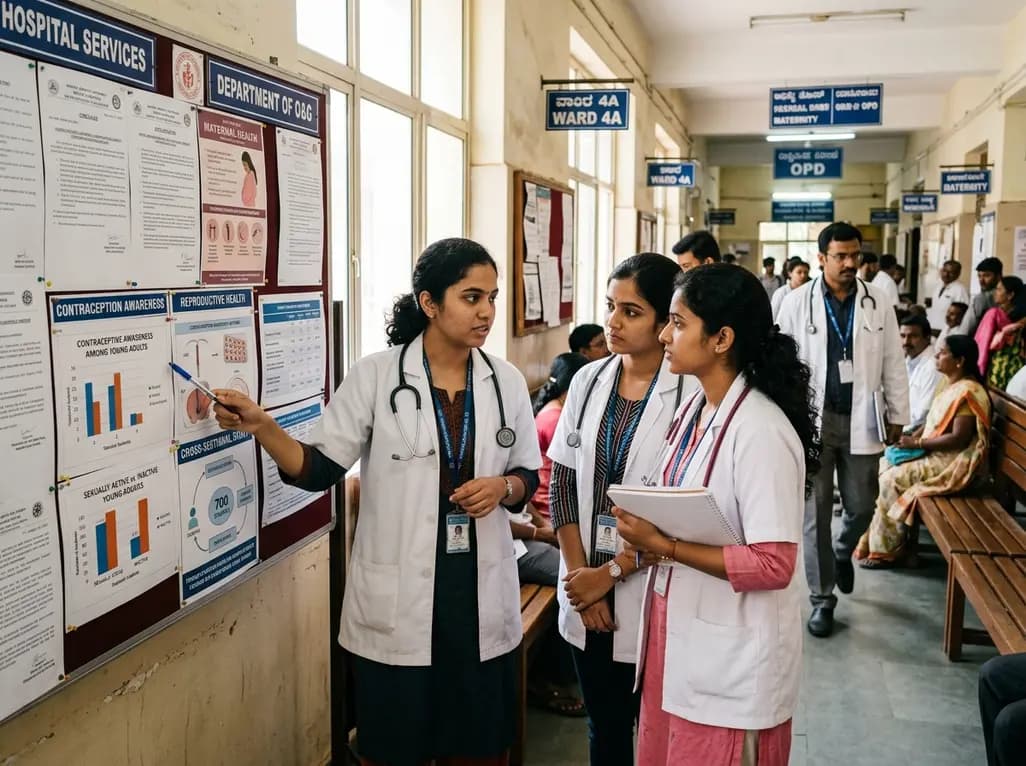
A cross-sectional study of 700 college students highlights significant contraceptive knowledge disparities between sexually active and inactive young adults. The findings demonstrate a critical need for proactive, comprehensive sexual health counseling before sexual debut.
Yesterday
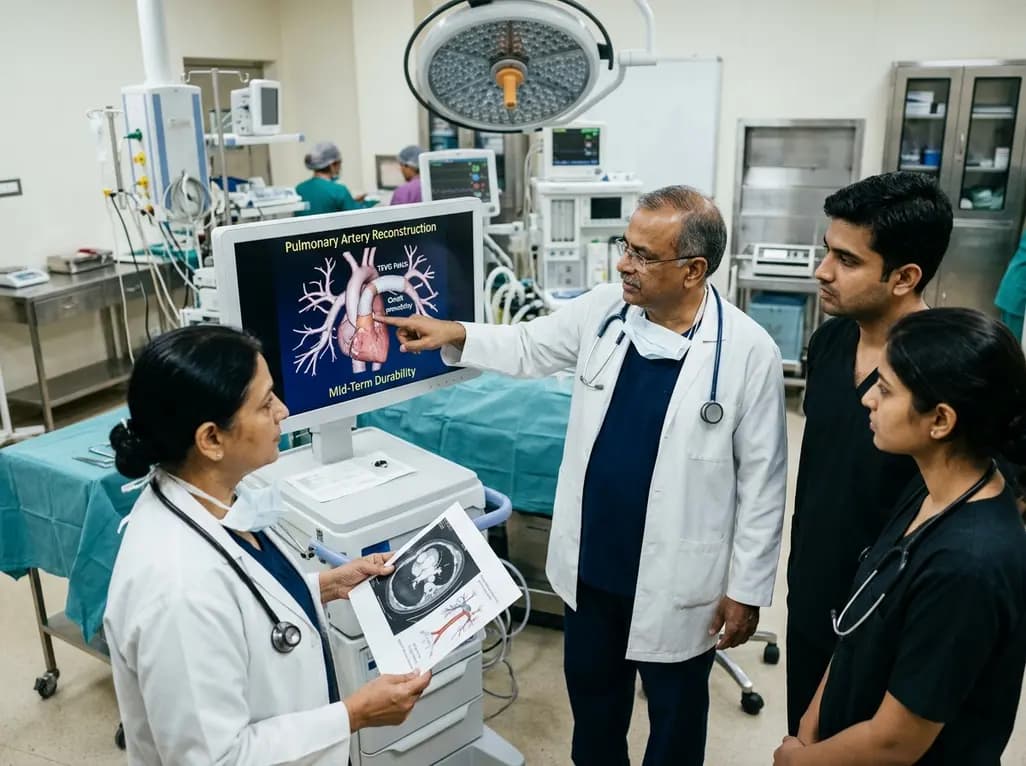
Autologous tissue-engineered vascular graft patches created via in-body tissue architecture show excellent mid-term durability and safety for pulmonary artery reconstruction in congenital heart surgery, particularly for peripheral branch augmentation.
Today
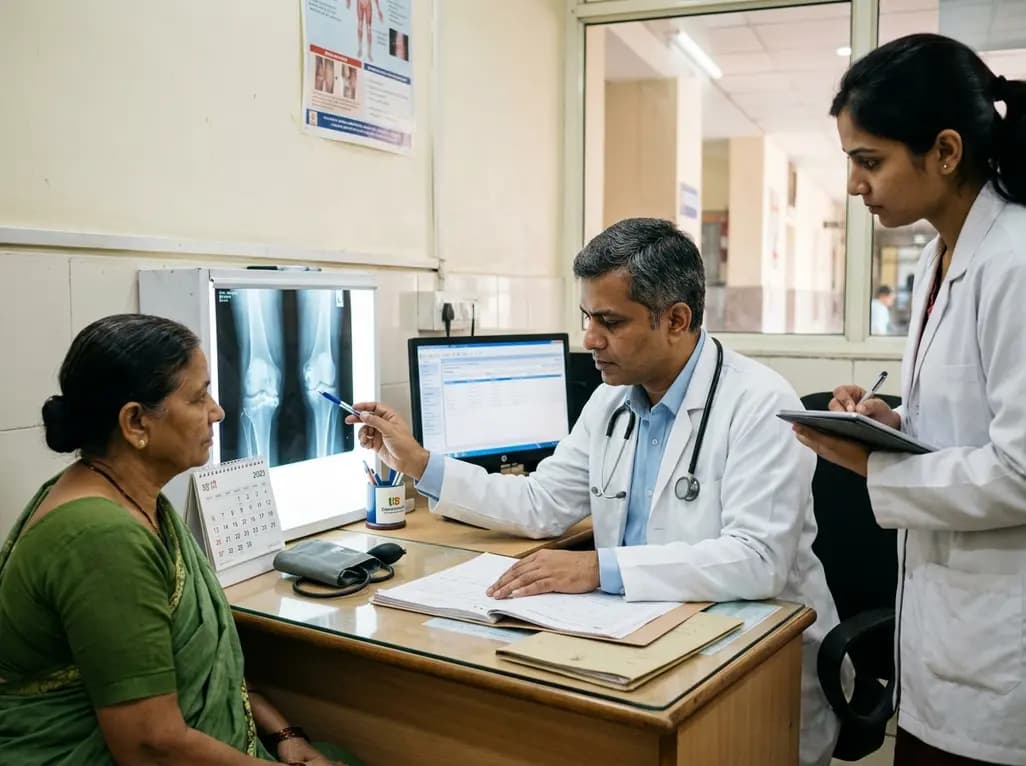
A novel cluster analysis of real-world datasets reveals four distinct CPPD disease phenotypes, validating existing EULAR categories while uncovering previously unrecognized monoarticular and axial presentations to refine patient management.
Today
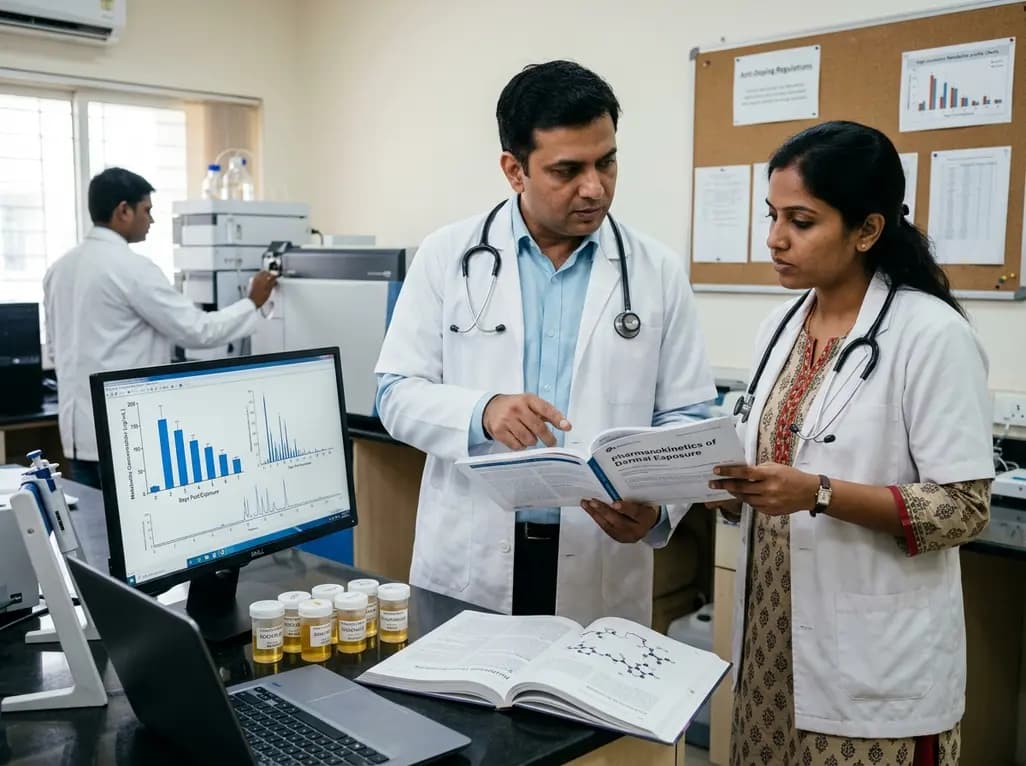
Recent pharmacokinetic research demonstrates that trace dermal exposure to microgram quantities of trenbolone and metenolone produces detectable urinary metabolites for days to over a week, providing critical objective data for evaluating unintentional contamination claims in sports drug testing.
Today
