

Loading, please wait...
Loading, please wait...

Adolescence marks a fundamental developmental transition where youth renegotiate their interpersonal connections. Clinical evidence shows that emotional security protects vulnerable youth from debilitating mood disorders. However, relational dynamics evolve dramatically as young individuals expand their social boundaries beyond the household. Investigating the interplay between peer attachment and depression helps clinicians identify critical therapeutic opportunities during this delicate phase. Furthermore, emerging evidence illustrates how positive peer connections transmit the benefits of family stability. Primary care physicians and psychiatrists must therefore understand these evolving attachment pathways to support adolescents effectively.
During early childhood, primary caregivers provide the fundamental basis for psychological safety and emotional regulation. Consequently, secure parental bonding equips children with adaptive coping tools and healthy internal working models of interpersonal trust. As children enter puberty, their social worlds naturally expand toward classmates and community peers. Adolescents increasingly seek autonomy, reassurance, and validation outside the immediate household environment. Therefore, the emotional centre of gravity gradually shifts toward friendships and external social networks.
Importantly, this developmental progression does not signify the detachment or obsolescence of parental influence. Instead, robust family relationships serve as a secure psychological base that empowers adolescents to form healthy outside connections. When youth experience warm, consistent parental support, they build confidence in interpersonal communication. Conversely, strained parent-child dynamics often undermine social competence and elevate emotional distress. Clinicians evaluating adolescent distress must examine both domestic security and peer integration. Recognizing this developmental continuum helps practitioners identify youth who struggle with this crucial interpersonal realignment.
A massive cross-sectional investigation by Sun and colleagues evaluated 7,792 adolescents aged 11 to 19 years across China. The researchers assessed students using standardized psychological tools, including the Inventory of Parent and Peer Attachment and the Self-Depression Scale. Furthermore, the investigators gathered data on multidimensional perceived social support to clarify intermediate pathways. By applying structural equation modeling, the research team analyzed complex mediation and moderation networks while controlling for participant age and gender.
The resulting statistical models yielded compelling insights into adolescent emotional resilience. Specifically, the data revealed that peer attachment partially mediated the association between parental attachment and depressive symptoms. Secure parental bonding directly protected adolescents against mood disturbances. In addition, strong parental ties significantly enhanced the quality of subsequent peer relationships. These secure peer attachments subsequently reduced depressive symptomatology across diverse age groups. Moreover, perceived social support acted as an indispensable mediator that amplified interpersonal security. Consequently, positive external support networks reinforced the psychological buffer provided by stable homes, dramatically mitigating depressive vulnerability among these teenagers.
Several distinct psychological mechanisms explain how interpersonal attachments govern adolescent mood regulation. First, secure parental attachment nurtures self-worth and diminishes emotional reactivity during stressful life transitions. Consequently, emotionally anchored adolescents perceive life stressors as manageable challenges rather than catastrophic events. When these teenagers encounter academic pressure or social conflict, their internal security prevents prolonged psychological exhaustion.
Furthermore, secure youth transfer their positive expectations of trust and acceptance onto their peer relationships. Adolescents who trust their parents actively seek compassionate, reciprocal, and reliable friends. In turn, supportive peers provide immediate empathetic validation, shared problem-solving, and emotional comfort during daily difficulties. In contrast, youth with insecure parental foundations often anticipate rejection, criticism, or hostility from their peers. As a result, they may withdraw socially or engage with unstable peer groups, which heightens feelings of alienation. Therefore, strong peer bonding serves as an operational bridge, translating foundational domestic safety into functional day-to-day emotional resilience.
These empirical observations provide essential clinical takeaways for pediatricians, psychiatrists, and family physicians managing adolescent health. Clinicians routinely screen adolescents for depressive symptoms, insomnia, and academic decline. However, standard clinical assessments frequently focus solely on biological factors or immediate family stressors. Practitioners should broaden their diagnostic inquiries to evaluate both parental attachment and peer integration systematically.
Specifically, doctors ought to assess whether an adolescent feels heard by parents and accepted by friends. If an adolescent presents with severe family discord, clinicians should actively explore the patient's external peer support network. Robust peer connections can serve as a potent protective cushion, partially mitigating the psychological risks of domestic strife. Conversely, an adolescent who lacks positive friendships remains exceptionally vulnerable, even within a relatively supportive household. Healthcare providers can accordingly recommend school-based counseling, social skills training, or structured group activities to nurture collaborative interpersonal skills. Such targeted social interventions fortify natural defense systems against pervasive mood disorders.
Although the primary investigation centered on Chinese students, the fundamental developmental dynamics reflect broad global realities. Many societies, including Asian and Mediterranean cultures, emphasize close familial cohesion, filial expectations, and academic excellence. In these demanding environments, young people often experience intense scholastic stress alongside social expectations. Consequently, perceived peer validation provides an essential emotional release and mutual understanding that parents may not fully provide.
Nevertheless, clinicians practicing worldwide must interpret cultural nuances thoughtfully when addressing adolescent relational health. In collective cultural settings, adolescents may feel reluctant to express emotional vulnerability to parents out of respect or fear of judgment. In such instances, healthy peer networks become the primary conduit for emotional disclosure and stress reduction. Physicians must therefore collaborate closely with families, schools, and mental health professionals to cultivate supportive community spaces. Promoting healthy communication within families while encouraging meaningful peer interactions creates a resilient multidimensional safety net for young individuals.
Healthcare professionals and mental health counselors can implement tangible strategies to optimize relational security in youth. First, clinicians should educate parents regarding the changing nature of adolescent communication. Parents must understand that developing peer relationships does not undermine family bonds, but rather represents healthy maturation. Therefore, caregivers should practice active listening and maintain consistent emotional availability without exercising excessive control.
In addition, schools and community health centers should provide structured social environments where healthy peer bonding can flourish. Collaborative sports, creative arts, and peer-led support initiatives offer adolescents constructive avenues to build trust and camaraderie. When adolescents experience bullying or social exclusion, professionals must intervene rapidly to prevent depressive withdrawal. Furthermore, clinicians can incorporate family therapy sessions that focus on repairing attachment ruptures and improving mutual dialogue. By strengthening family attachments and actively supporting peer integration, clinicians and educators can jointly establish a protective ecological buffer against adolescent depression.
Peer attachment buffers against depression by offering immediate emotional validation, mutual understanding, and shared problem-solving during daily stress. When adolescents feel accepted and supported by their peers, their sense of belonging increases. Consequently, this strong social connection reduces feelings of loneliness, prevents depressive withdrawal, and fosters emotional resilience.
Peer relationships cannot entirely replace parental attachment. Secure parental bonding provides the foundational psychological security and coping templates necessary for healthy development. While positive peer attachment significantly mediates and buffers emotional distress, parental support remains a critical primary anchor that empowers adolescents to build stable relationships outside the home.
Clinicians can ask adolescents whether they have trustworthy friends they can confide in during personal difficulties. In addition, practitioners should ask if they feel accepted in school and supported by their families. Identifying social isolation, friendship conflicts, or severe domestic strain helps clinicians detect early depressive vulnerability.
Disclaimer: This content is for informational and educational purposes only and is not intended to be a substitute for professional medical advice, diagnosis, or treatment. Always seek the advice of your physician or other qualified health provider with any questions you may have regarding a medical condition. Refer to the latest local and national guidelines for clinical practice.
References
Sun Y et al. From parents to peers! Social support and peer attachment as mediators of parental attachment and depression: A Chinese perspective. J Affect Disord. 2025 Jul 01. doi: 10.1016/j.jad.2025.03.043. PMID: 40107459.
Muzi S, Sansò A, Pace CS. Peer power! Secure peer attachment mediates the effect of parental attachment on depressive withdrawal of teenagers. Int J Environ Res Public Health. 2022;19(7):4004. doi: 10.3390/ijerph19074004.
Gorrese A. Peer attachment and youth internalizing problems: A meta-analysis. Child Youth Care Forum. 2016;45(2):177-204. doi: 10.1007/s10566-015-9333-3.

Read summarized clinical updates, watch expert medical content, and earn CME certifications right from your smartphone.
Open your smartphone camera to scan and install.





A large study demonstrates that peer attachment and perceived social support mediate the protective effect of parental attachment against adolescent depression, highlighting vital intervention points for clinical practice.
Today
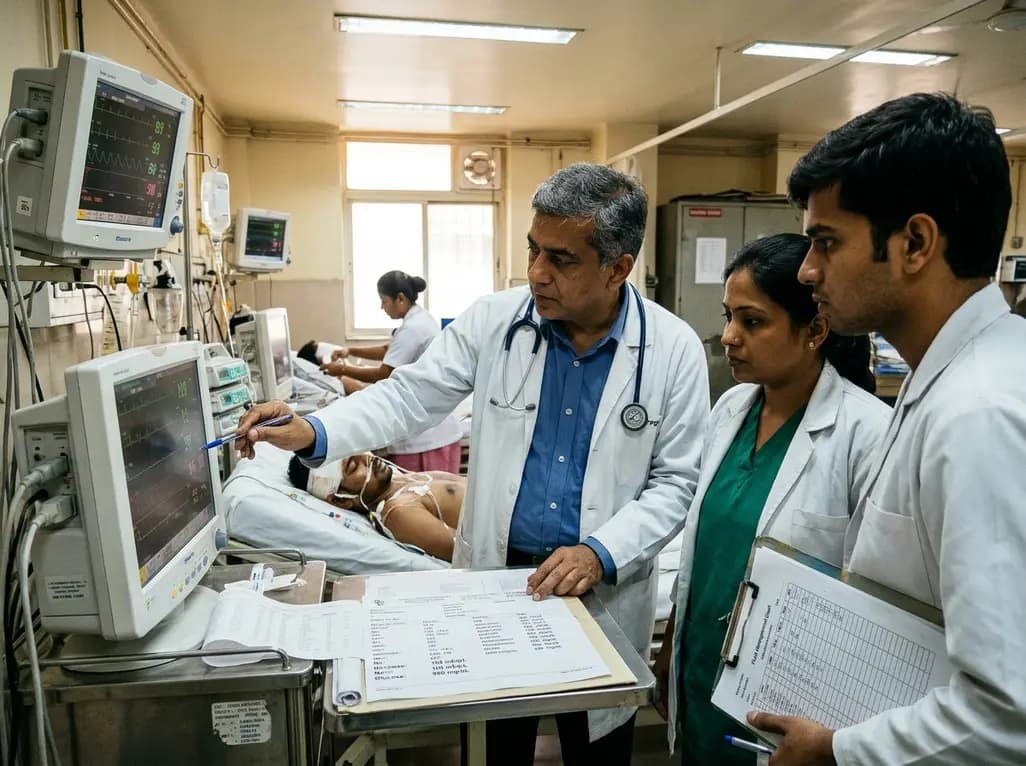
A complex clinical case reveals how adipsic hypernatremia after traumatic brain injury, combined with hyperosmolar hyperglycemic state, triggers life-threatening dehydration and extensive venous thromboembolism, emphasizing the vital role of meticulous fluid management and vigilance.
Today
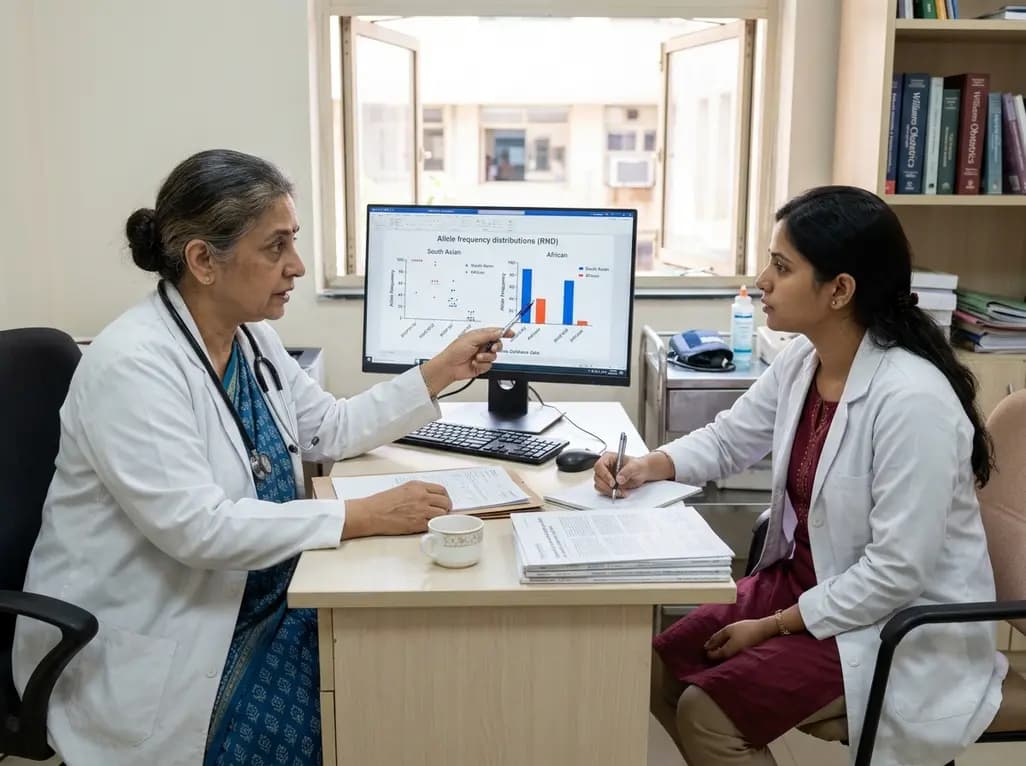
Large genomic databases like gnomAD and All of Us offer crucial insights into the population prevalence of partial RHD genotypes. Identifying these variants helps clinicians mitigate anti-D alloimmunization risks in transfusion medicine and obstetric care across diverse ancestral populations.
Yesterday
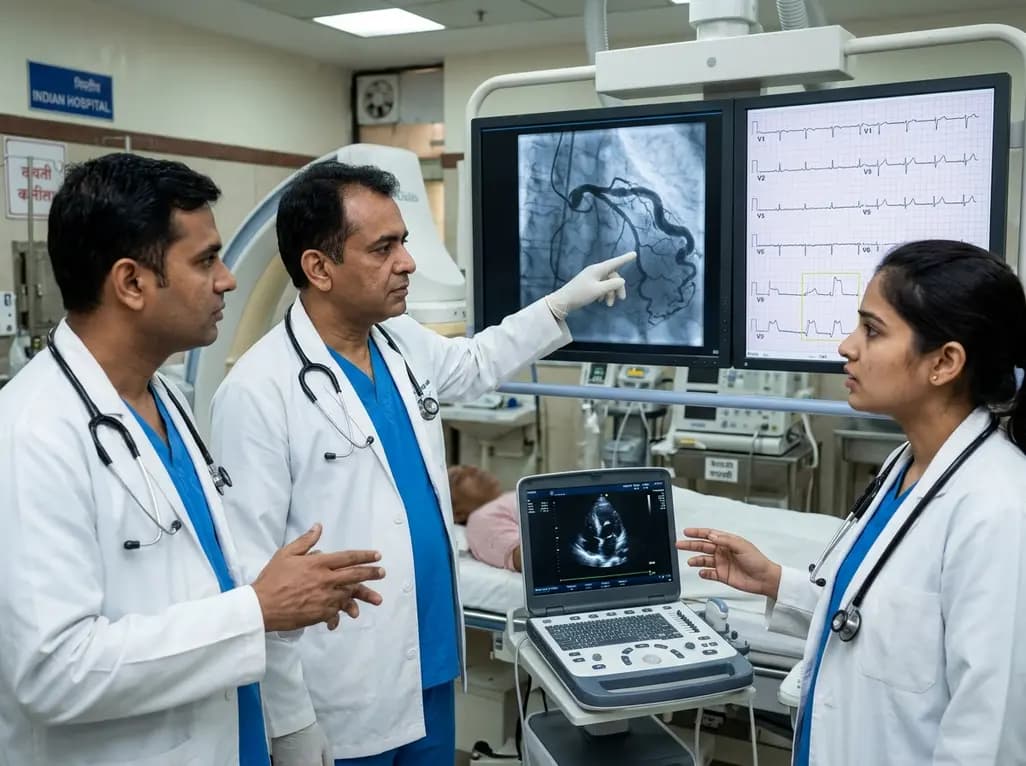
A hyperdominant left circumflex artery supplies extensive myocardial regions, creating a perilous diagnostic blind spot during acute occlusion. Standard ECGs often conceal posterior infarction, requiring clinicians to employ posterior leads and rapid echocardiography for early invasive catheterization.
Today
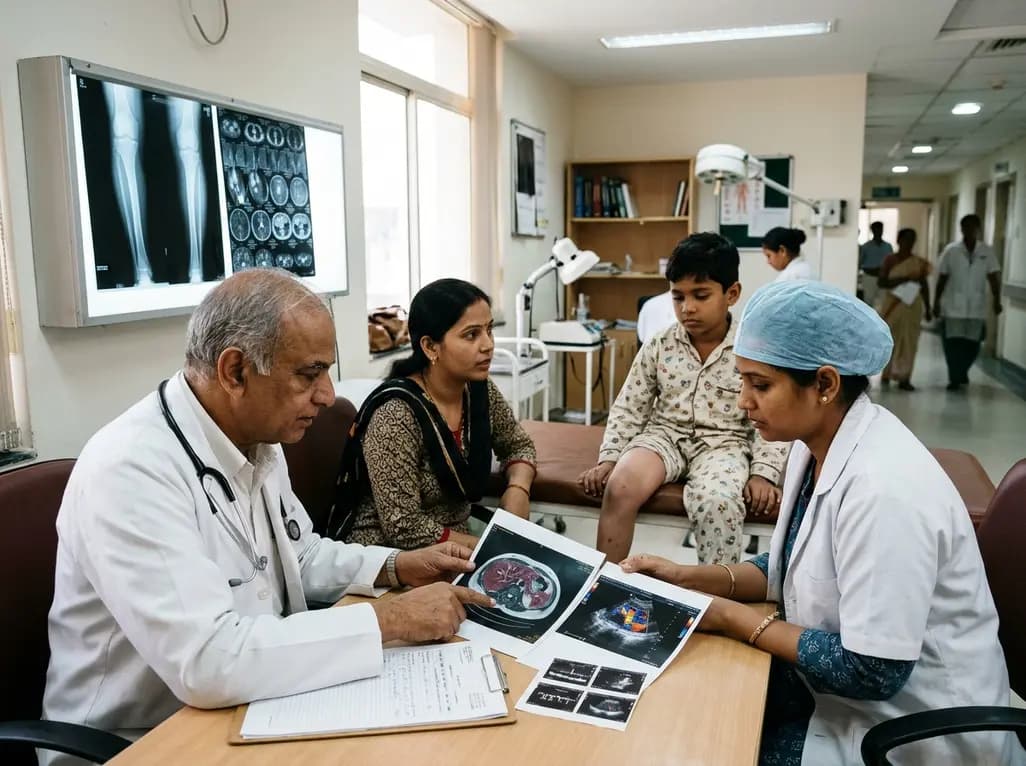
Deep intramuscular vascular malformations in pediatric Klippel-Trenaunay syndrome can mimic Maffucci syndrome. Multimodality imaging with Doppler ultrasound and MRI, along with histopathology, ensures prompt differential diagnosis, targeted surgical debulking, and optimized conservative surveillance.
Today
Discover essential clinical insights into AGLP1-type amyloidosis, a rare localized complication of glucagon-like peptide-1 analog injections. Learn how histopathology and mass spectrometry differentiate benign iatrogenic amyloidomas from systemic disease, preventing misdiagnosis and unwarranted therapies.
Yesterday
