.webp&w=384&q=75)

Loading, please wait...
Loading, please wait...

Pancreaticobiliary maljunction (PBM) is a congenital anomaly where the bile and pancreatic ducts join outside the sphincter's area of action. This anatomical variation significantly influences pancreaticobiliary maljunction pathophysiology throughout a patient's entire lifespan. Clinicians usually classify PBM into two categories: dilated PBM involving choledochal cysts and nondilated PBM without biliary expansion. Consequently, the presentation of this condition varies greatly depending on the patient's age and the specific PBM type involved.
Symptoms often result from biliary obstruction caused by age-specific substances. For instance, neonates typically present with calcium bilirubinate debris, particularly in dilated PBM with narrow segments. Additionally, children often develop protein plugs due to pancreatobiliary reflux. However, these plugs rarely appear in the nondilated form of the disease. In contrast, adults frequently experience symptoms from gallstones. Specifically, bile duct stones are common in dilated PBM, whereas gallbladder stones may occur coincidently.
The long-term effects of this condition are particularly concerning in the elderly population. Pancreatobiliary reflux can induce silent carcinogenesis, often leading to late-stage symptoms. Moreover, many adults with PBM remain asymptomatic for years. Furthermore, associated biliary strictures and pancreatobiliary regurgitation can produce obstructive substances or cancers. Therefore, early identification and management are crucial to mitigate these risks. Understanding the pancreaticobiliary maljunction pathophysiology allows for better-targeted diagnostic and therapeutic strategies across all age groups.
Children often present with abdominal pain and vomiting. These symptoms are typically caused by protein plugs that obstruct the biliary or pancreatic ducts due to reflux.
The anomaly allows for continuous, unregulated pancreatobiliary reflux. This process induces chronic inflammation and silent carcinogenesis in the gallbladder and bile ducts, especially as patients age.
Disclaimer: This content is for informational and educational purposes only. It does not constitute professional medical advice, diagnosis, or treatment. Always seek the advice of your physician or other qualified health provider with any questions you may have regarding a medical condition. Refer to the latest local and national guidelines for clinical practice.
References
Kaneko K et al. Pathophysiology Underlying Manifestation of Pancreaticobiliary Maljunction Throughout Life. J Hepatobiliary Pancreat Sci. 2026 Apr 02. doi: 10.1002/jhbp.70110. PMID: 41924928.
Wang X et al. Pancreaticobiliary Maljunction: A Multidimensional Exploration of Pathophysiology, Diagnosis, Classification, Management and Research Prospects. Dig Dis Sci. 2025 Jun;70(6):1966-1975. doi: 10.1007/s10620-025-09057-0.
Zhang L et al. Clinical presentations and outcomes of pancreaticobiliary maljunction in different pediatric age groups. BMC Pediatr. 2023 Aug 26;23(1):425. doi: 10.1186/s12887-023-04248-y.

Read summarized clinical updates, watch expert medical content, and earn CME certifications right from your smartphone.
Open your smartphone camera to scan and install.





Explore the age-dependent pathophysiology of Pancreaticobiliary Maljunction (PBM), highlighting obstructive substances and cancer risks across the lifespan....
6 months ago
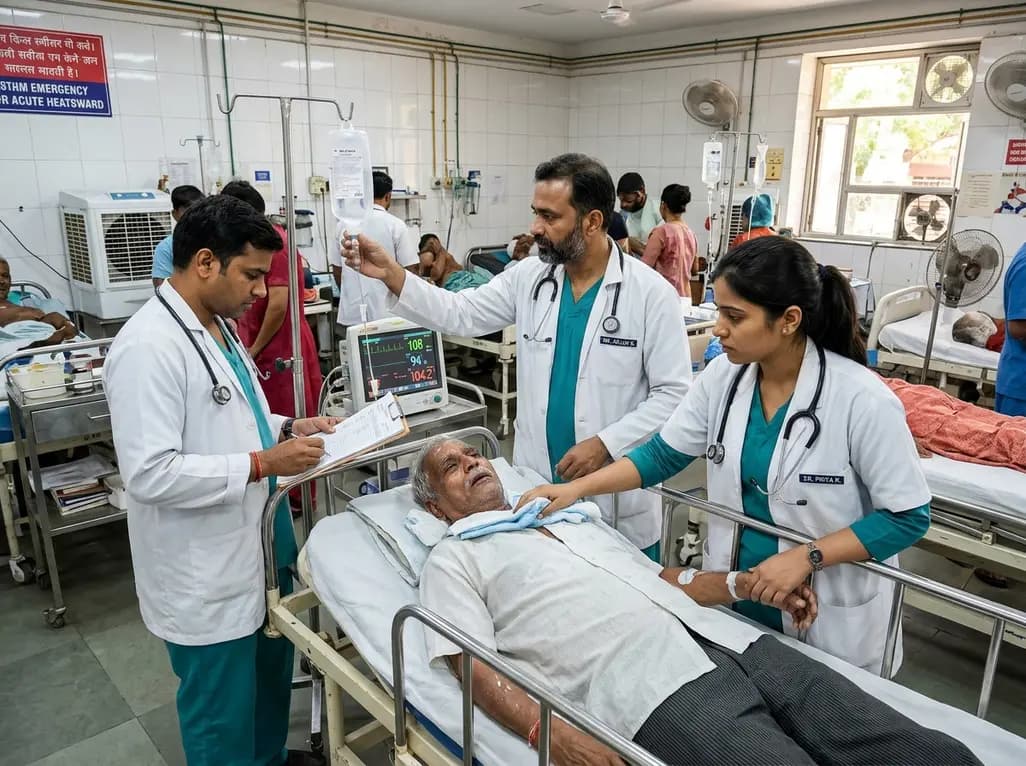
Recent epidemiological data reveals a dramatic surge in summer heat mortality driven by human-induced climate warming. This analysis explores the pathophysiological impacts on cardiac and renal systems, diagnostic dilemmas in death certification, and essential emergency cooling protocols for acute clinical care.
Today
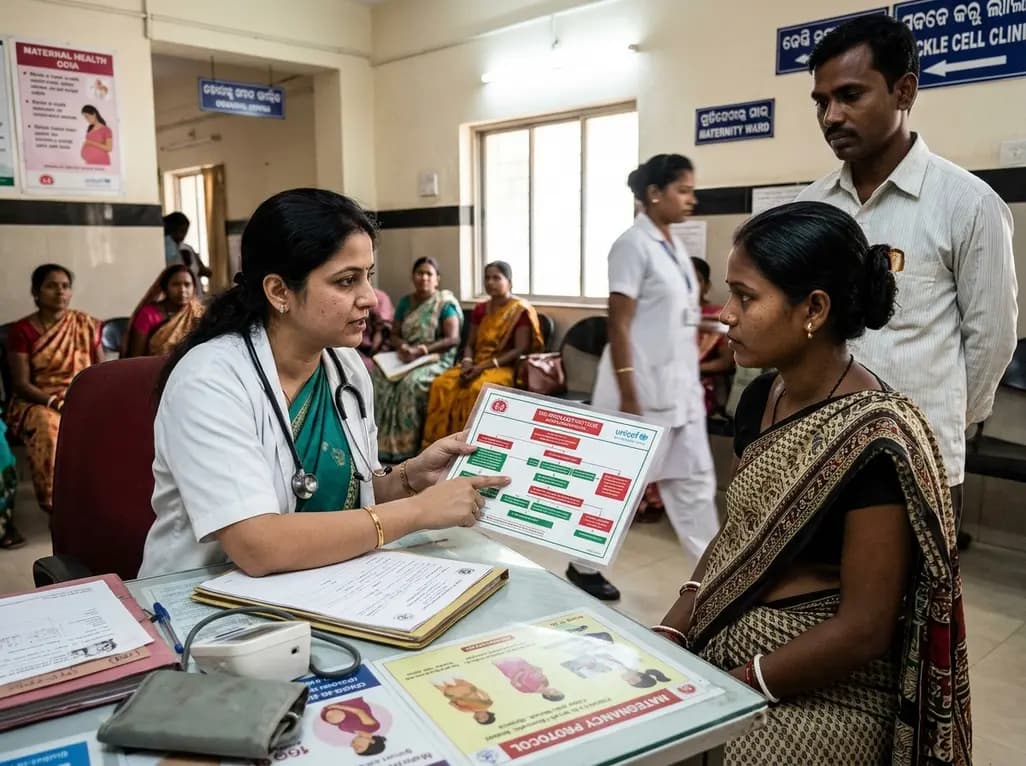
Odisha has established India's first state-level clinical protocol specifically tailored for pregnant women with sickle cell disease. Developed with NHM and UNICEF, the framework provides structured antenatal screening, crisis mitigation, standardized referral pathways, and specialized interdisciplinary care.
Today

India is advancing preventive healthcare by integrating genomics, artificial intelligence, and quantum technologies. With the SANGAM programme sequencing one million Indian genomes, clinicians can unlock personalized therapies, detect cardiometabolic risks early, and curb the burden of diabetes and heart disease.
Today
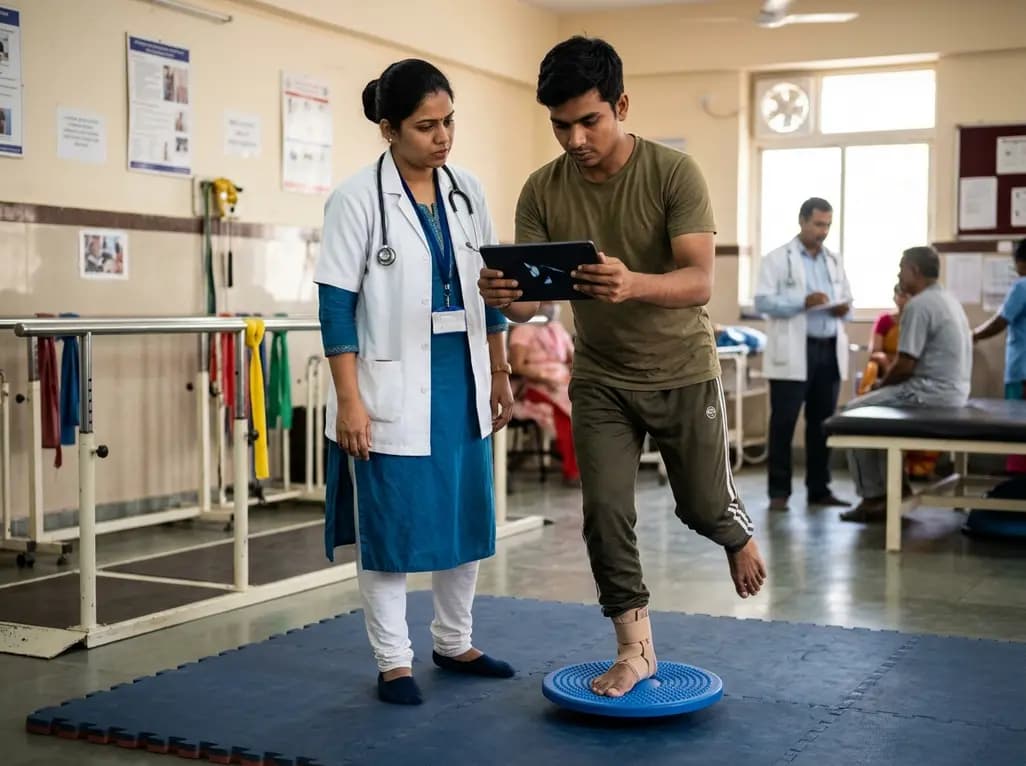
A randomized controlled trial demonstrates that an eight-week dual-task training intervention significantly improves static and dynamic postural control over standard balance exercises in individuals with chronic ankle instability, addressing critical neurocognitive deficits during athletic and daily activities.
Today

A retrospective cohort study of 7,716 ICU patients from the MIMIC-IV database demonstrates that Gradient Boosting Decision Trees significantly outperform traditional SOFA scores in predicting in-hospital mortality among patients with sepsis and diabetes, with SHAP analysis providing clinical interpretability.
Today
