.webp&w=384&q=75)

Loading, please wait...
Loading, please wait...
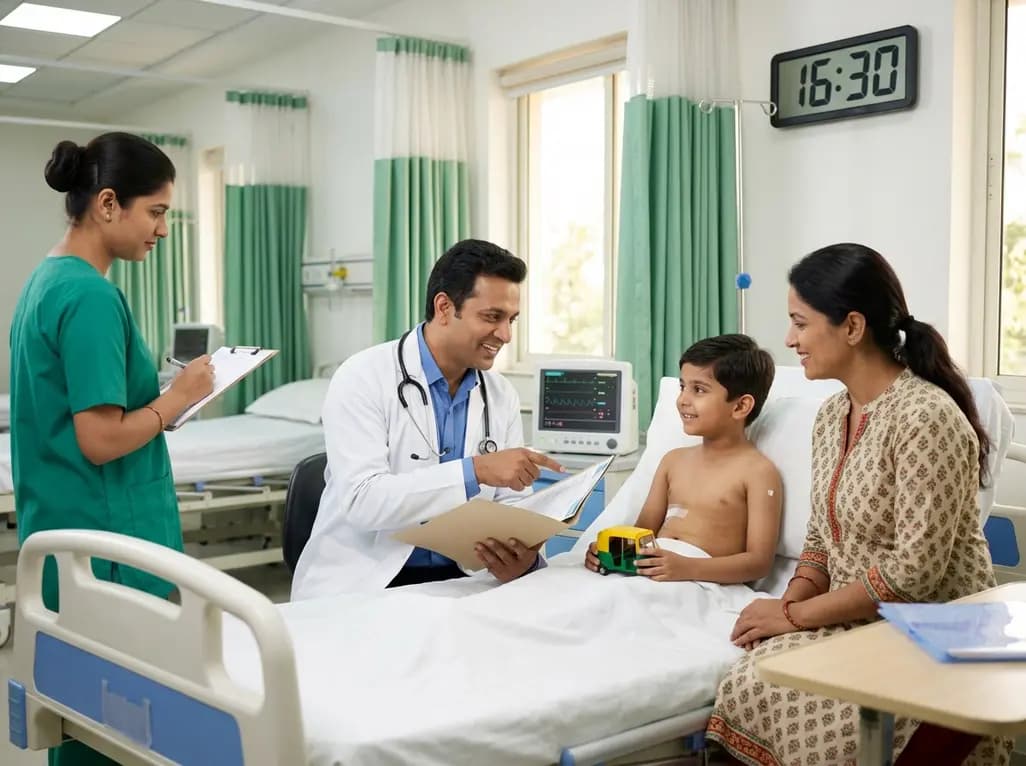
Percutaneous liver biopsy (PLB) remains an essential diagnostic tool in pediatric hepatology. It provides critical histopathological information that influences the management of various liver diseases. Traditionally, clinicians have mandated an overnight hospital stay to monitor children for potential post-procedural complications. However, the concept of paediatric liver biopsy discharge within the same day has gained significant traction. This shift is primarily driven by the desire to minimize the psychological stress on children and their families. Furthermore, reducing hospital stay durations can significantly lower healthcare costs and improve bed availability in busy pediatric wards. Modern medical practice seeks to balance this efficiency with the highest standards of patient safety. Consequently, researchers have focused on developing reliable methods to identify which children can safely leave the hospital early. A recent prospective observational study has investigated whether a structured risk stratification approach can facilitate this process. By moving away from a universal 24-hour observation period, medical centers can provide more personalized and efficient care for their young patients.
Effective risk stratification is the cornerstone of any early discharge protocol. To ensure patient safety, clinicians must accurately distinguish between low-risk and high-risk individuals before the procedure begins. In recent clinical research, this stratification relies on a combination of patient history and objective laboratory values. Specifically, physicians evaluate the child's bleeding history, looking for signs of coagulopathy or previous hemorrhagic events. In addition, laboratory markers such as the International Normalized Ratio (INR) and platelet counts are scrutinized. Patients with a normal coagulation profile and no history of bleeding issues are classified as low-risk. Conversely, those with abnormal lab values or complex medical histories are placed in a high-risk category. This systematic approach allows the medical team to allocate resources more effectively. For instance, high-risk patients may receive prophylactic blood products or closer post-procedural monitoring. Meanwhile, the low-risk group can be fast-tracked for earlier discharge. Therefore, risk stratification provides a transparent and evidence-based framework for clinical decision-making, ensuring that the most vulnerable patients receive the most intensive care.
The prospective study involving 167 paediatric patients provided remarkable insights into the timing of post-biopsy complications. Out of the total cohort, 71% were identified as low-risk and 29% as high-risk. The study protocol allowed the low-risk group to be discharged just six hours after the biopsy. In contrast, the high-risk group remained under observation for 24 hours. The findings showed that no major bleeding events occurred in either group. Only two minor bleeding incidents were recorded, both of which were found in the high-risk category. This suggests that a six-hour observation window is highly effective for detecting significant complications in low-risk children. Most life-threatening bleeds typically manifest within the first few hours following the needle insertion. Consequently, the traditional overnight stay often provides no additional benefit for children who remain stable during the initial six hours. Moreover, the study reported no readmissions in the early discharge group, further validating the safety of this approach. This data provides the clinical confidence needed to standardize shorter observation periods globally.
When analyzing the paediatric liver biopsy discharge process, safety is always the paramount concern for healthcare providers. The results of recent prospective research confirm that the risk of delayed bleeding in low-risk patients is exceptionally low. This high safety profile is largely due to the use of real-time ultrasound guidance during the biopsy procedure. Ultrasound allows the clinician to visualize the liver and surrounding vasculature, minimizing the chance of accidental puncture. Furthermore, the use of smaller, high-quality biopsy needles has further reduced the trauma to the liver tissue. In addition to these technical advancements, the rigorous monitoring of vital signs during the six-hour window ensures early detection of any hemodynamic instability. Therefore, the combination of expert technique and structured risk assessment creates a safe environment for early discharge. For the child, returning to a familiar home environment sooner can accelerate the overall recovery process. For the hospital, it means that a bed is vacated for a more critically ill patient. Thus, the early discharge model represents a win-win scenario for both the patient and the healthcare system.
In the Indian context, implementing a 6-hour discharge protocol for paediatric liver biopsies requires careful consideration of local logistics. While the clinical evidence supports the safety of early discharge, the success of the protocol depends on clear communication with parents. Specifically, families must be educated on how to recognize late-onset symptoms, such as significant abdominal pain or extreme lethargy. Additionally, the availability of transport and the family's proximity to the hospital are critical factors. In many parts of India, patients travel long distances to reach tertiary care centers. In such cases, clinicians might choose to extend the observation period slightly to ensure the child is stable for the journey home. Furthermore, the hospital must have a robust system for emergency readmission if a complication arises after discharge. However, in urban centers with well-informed populations and easy access to emergency care, the 6-hour protocol can be implemented immediately. Moreover, standardizing these protocols can help reduce the financial burden on Indian families who often pay out-of-pocket for hospital stays. By adopting these evidence-based practices, Indian pediatric departments can optimize their operational efficiency.
Looking ahead, the movement toward outpatient or same-day paediatric procedures is likely to expand. The success of risk-stratified liver biopsy discharge serves as a blueprint for other invasive diagnostic tests. As medical technology continues to improve, we may see even more refined risk assessment tools, perhaps including genetic markers for bleeding tendencies. In addition, digital health tools could play a larger role in post-discharge monitoring. For example, wearable devices that track a child's heart rate and activity levels could provide real-time data to the medical team at the hospital. This would offer an additional layer of security for parents after they leave the clinic. Furthermore, continuous training for pediatric hepatologists and radiologists will ensure that biopsy techniques remain safe and minimally invasive. The goal is to make the diagnostic journey as seamless and non-disruptive as possible for the child. Ultimately, the transition to early discharge reflects a broader trend toward patient-centered care. By prioritizing both clinical safety and patient comfort, we can improve the long-term outcomes and hospital experiences for children with liver disease worldwide.
To be classified as low-risk for early paediatric liver biopsy discharge, a patient must meet strict laboratory and clinical thresholds. Clinically, the child must have no history of abnormal bleeding, such as frequent epistaxis or prolonged oozing from minor wounds. From a laboratory perspective, the International Normalized Ratio (INR) should typically be less than 1.2, and the platelet count must be above 100,000/\u00b5L. These parameters ensure that the patient's primary and secondary hemostatic mechanisms are sufficiently intact to prevent spontaneous or procedure-related hemorrhage. Any deviation from these norms would usually categorize the patient as high-risk.
Evidence from prospective studies suggests that reducing observation time to six hours does not increase readmission rates for low-risk children. Most significant complications, particularly major hemorrhages, manifest within the first four hours following the procedure. If a patient remains hemodynamically stable and shows no signs of pain or hematoma within the six-hour window, the likelihood of a late-onset event is extremely low. Consequently, the 6-hour protocol is considered a safe threshold, provided that the parents receive comprehensive education on post-discharge monitoring and have immediate access to emergency services if required.
Patients identified as high-risk are not eligible for early discharge and require a more conservative management approach. This typically involves an overnight hospital stay with 24-hour observation to ensure safety. In these cases, clinicians should monitor vital signs more frequently and have a lower threshold for performing follow-up imaging or laboratory tests. Furthermore, any underlying coagulopathy should be addressed with appropriate blood products, such as fresh frozen plasma or platelets, before the biopsy is performed. This stratification ensures that higher-risk individuals receive the intensive care necessary to mitigate potential complications throughout their stay.
Disclaimer: This content is for informational and educational purposes only and does not constitute medical advice. Always seek the advice of a physician or other qualified health provider with any questions regarding a medical condition. Refer to the latest local and national guidelines for clinical practice.
References
Tinning FB et al. Early discharge after paediatric liver biopsy: A prospective observational study. J Pediatr Gastroenterol Nutr. 2026 Jul 14. doi: 10.1002/jpn3.70507. PMID: 42444509.
Govender P, et al. (2021). Safety of outpatient liver biopsy in children: A systematic review. World Journal of Hepatology. doi: 10.4254/wjh.v13.i4.456.
Riley MR, et al. (2018). Post-biopsy complications in pediatric liver transplant recipients: A retrospective analysis. Pediatric Transplantation. doi: 10.1111/petr.13156.
"
Read summarized clinical updates, watch expert medical content, and earn CME certifications right from your smartphone.
Open your smartphone camera to scan and install.





A prospective study demonstrates that a 6-hour discharge protocol is safe for low-risk paediatric liver biopsy patients. By using bleeding risk stratification based on clinical history and lab values, hospitals can reduce admission times without compromising safety for young patients.
3 months ago
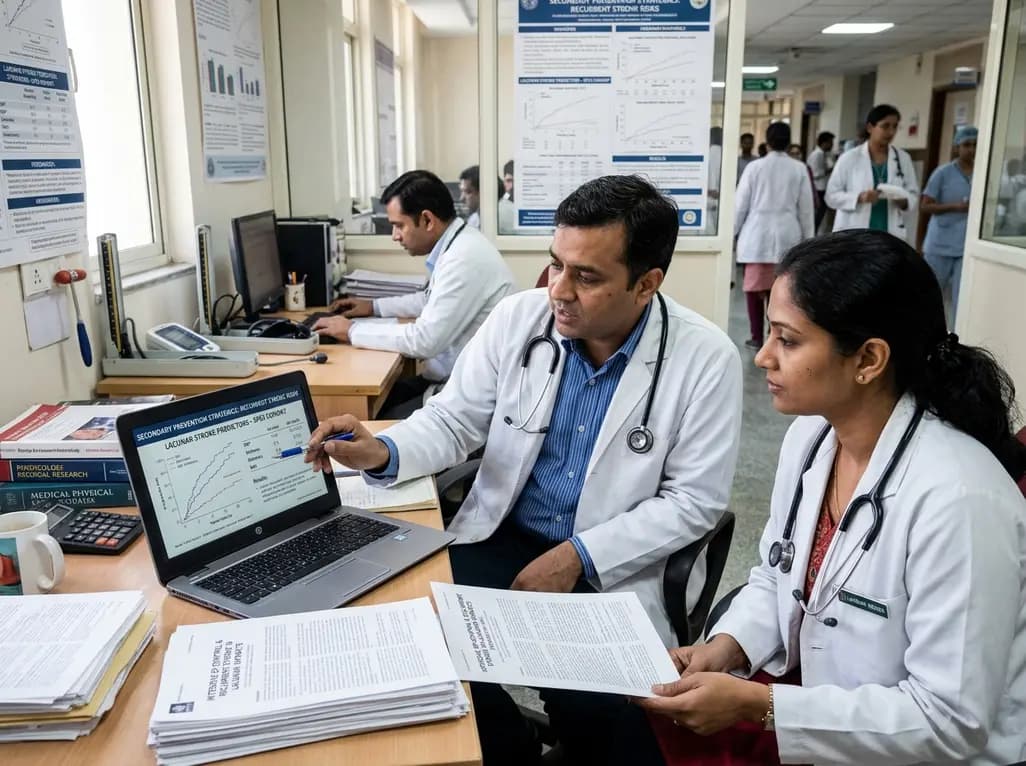
Explore vital recurrent stroke predictors in lacunar stroke patients managed with intensive blood pressure lowering. This analysis examines trial findings from SPS3 to uncover residual vascular risks, metabolic factors, and targeted secondary prevention strategies for high-risk neurological patients.
Today

Odisha has established India's first state-level clinical protocol specifically tailored for pregnant women with sickle cell disease. Developed with NHM and UNICEF, the framework provides structured antenatal screening, crisis mitigation, standardized referral pathways, and specialized interdisciplinary care.
Today

The Directorate General of Health Services directs Indian states to halt the hazardous reuse and reprocessing of single-use medical devices. Discover regulatory implications under the Drugs and Cosmetics Act, critical infection risks, legal liabilities, and operational changes required across clinical specialties.
Today

Mitochondria-targeted nanoparticles self-assembled from EGCG and L-glutamic acid effectively restore mitochondrial homeostasis, suppress synovial inflammation, and attenuate chondrocyte senescence in osteoarthritis, offering a promising disease-modifying nanotherapy.
Today

India is advancing preventive healthcare by integrating genomics, artificial intelligence, and quantum technologies. With the SANGAM programme sequencing one million Indian genomes, clinicians can unlock personalized therapies, detect cardiometabolic risks early, and curb the burden of diabetes and heart disease.
Today
