

Loading, please wait...
Loading, please wait...

The Food Safety and Standards Authority of India has launched nationwide surveillance to verify packaged water safety across all manufacturing units. Consequently, the food regulator expects to conclude this testing program within two months. This nationwide initiative follows regulatory action against a prominent manufacturer for chemical non-compliance in a commercial batch. Therefore, medical professionals must understand the toxicological implications of drinking water contaminants to guide patients effectively.
Recently, the regulatory authority intensified laboratory checks on packaged drinking water samples collected across all Indian states. FSSAI Chief Executive Officer Rajit Punhani emphasized that this operation forms part of a broader surveillance agenda. Over the past twelve months, the regulator has systematically scrutinized multiple consumer goods, including dairy, poultry, eggs, cereals, energy drinks, and fruit juices. Consequently, packaged water represents the latest high-priority category undergoing national laboratory evaluation. This nationwide testing gained urgent momentum after testing of a commercial batch revealed safety violations. Specifically, authorities identified elevated levels of chemical contaminants in bottled water sourced from a Goa manufacturing facility. Although the manufacturer stated that this was an isolated batch from late 2025, regulatory authorities maintain strict compliance protocols. Therefore, government analysts are subjecting hundreds of bottled water samples to rigorous chemical and microbiological screening. Furthermore, the testing protocols assess whether regional packaging plants adhere strictly to prescribed purification rules. In addition, state food safety commissioners are coordinating local inspections to eliminate fraudulent distribution. Health authorities expect to conclude all testing processes within sixty days. Thus, this pan-India drive highlights a renewed governmental commitment to public health.
Packaged water production relies heavily on chemical disinfection to eliminate harmful enteric pathogens. During standard industrial processing, manufacturers frequently utilize ozone gas as a powerful oxidizing agent. However, source water naturally contains inorganic bromide ions in varying concentrations. When ozonation takes place, ozone molecules react directly with dissolved bromide to synthesize bromate. Consequently, bromate represents an unintended yet dangerous disinfection by-product. Both the World Health Organization and national regulatory bodies specify a maximum permissible limit of ten micrograms per liter. When drinking water exceeds this threshold, it poses significant health concerns over long periods. The International Agency for Research on Cancer categorizes potassium bromate as a Group 2B possible human carcinogen. Animal toxicology studies demonstrate that chronic exposure promotes renal cell tumors, thyroid follicular cell adenomas, and peritoneal mesotheliomas. Furthermore, high oral doses can induce acute abdominal cramping, persistent vomiting, diarrhea, and reversible renal tubular injury. Therefore, bottling plants must calibrate their ozone dosage precisely. In addition, quality control teams must monitor dissolved bromide levels before initiation of the final sterilization stage. Thus, stringent water treatment prevents toxic by-product formation.
In addition to bromate, laboratory analysts detected traces of polynuclear aromatic hydrocarbons during secondary referral testing. Polynuclear aromatic hydrocarbons, commonly known as PAHs, comprise a large group of lipophilic organic compounds. These chemicals originate primarily from the incomplete combustion of organic matter, petroleum fuels, coal, and industrial exhaust. Indian quality benchmarks mandate that finished packaged water must contain zero detectable traces of any PAH compounds. Nevertheless, environmental runoff, polluted municipal aquifers, or degraded factory machinery can contaminate raw water supplies. Moreover, defective plastic bottling polymers and low-grade storage reservoirs can leach aromatic residues into clean water. From a toxicological viewpoint, chronic ingestion of PAHs represents a substantial medical concern. Once absorbed, hepatic cytochrome P450 enzymes metabolize these compounds into reactive dihydrodiol epoxides. Consequently, these electrophilic intermediates form covalent DNA adducts that disrupt cellular replication. If intracellular repair mechanisms fail, permanent genetic mutations can initiate carcinogenesis. Specifically, epidemiological research links sustained PAH exposure to elevated risks of gastrointestinal, pulmonary, and urinary malignancies. Therefore, regulatory labs enforce zero tolerance for these persistent organic pollutants. Ultimately, eliminating industrial cross-contamination protects vulnerable consumers from involuntary chemical exposure.
Medical practitioners must evaluate how chronic chemical ingestion compromises high-risk clinical populations. Patients presenting with chronic kidney disease display an impaired ability to clear xenobiotics and oxidative metabolites. Because bromate generates potent reactive oxygen species, heavy exposure directly exacerbates tubular necrosis and accelerates renal functional decline. Furthermore, pediatric patients face magnified risks from chemical contaminants due to their higher fluid intake per kilogram of body weight. Similarly, their immature hepatic metabolic pathways cannot clear lipophilic carcinogens as rapidly as adult tissues. In pregnant women, exposure to environmental hydrocarbons crosses the placental barrier, potentially impacting fetal cellular differentiation. Additionally, geriatric patients and individuals taking polypharmacy exhibit lower physiological reserves against toxic insults. Chronic gastrointestinal inflammation may also worsen when patients consume water containing chemical residues. Therefore, clinicians must maintain clinical vigilance when patients present with unexplained epigastric pain, nausea, or nephrotoxicity. While occasional exposure rarely produces immediate poisoning, cumulative long-term ingestion remains a silent health hazard. Consequently, primary care physicians should inquire about daily water sources when managing therapy-resistant gastrointestinal symptoms. Overall, safeguarding drinking water quality represents a cornerstone of preventative medicine.
Beyond examining the water itself, regulatory authorities are broadening inspections to scrutinize packaging materials. FSSAI Chief Executive Officer Rajit Punhani affirmed that inspections will soon verify whether bottling materials meet food-grade criteria. Under existing Indian regulations, all polymers used for drinking containers must adhere to Bureau of Indian Standards specifications. However, substandard manufacturers sometimes use low-grade recycled plastics or non-compliant additives to reduce production costs. Consequently, poor quality containers can release dangerous compounds such as phthalates, bisphenol A, and antimony into drinking fluids. Moreover, prolonged exposure to direct sunlight or warm ambient storage temperatures accelerates chemical migration from bottles into water. This chemical leaching happens frequently during commercial transit across hot Indian climate zones. In response, the regulator is mandating stricter packaging integrity assessments for all registered beverage manufacturers. Furthermore, enforcement squads are cracking down on misleading advertisements and deceptive purity claims on commercial labels. Regulators emphasize that these punitive measures aim to establish legal compliance rather than provoke market alarm. Therefore, rigorous oversight of container manufacturing provides a vital safeguard for the entire food chain.
Physicians frequently encounter patient queries regarding the safety and purity of commercial bottled water. Given recent regulatory revelations, doctors should offer practical, evidence-based guidance regarding personal hydration choices. First, healthcare providers should reassure anxious patients that isolated reports do not signify contamination of every commercial brand. However, physicians should advise patients to look for official certification marks and valid regulatory license numbers before purchasing bottled water. Furthermore, patients must avoid purchasing bottles that exhibit physical warping, broken seals, or prolonged sun exposure outside roadside shops. For domestic consumption, clinicians should encourage individuals to rely on certified in-home filtration technologies. Specifically, reverse osmosis systems paired with activated carbon blocks effectively eliminate heavy metals, excess bromate, and volatile organic compounds. Additionally, domestic users must maintain their water purifiers regularly to prevent microbial biofilm formation on internal filter membranes. Healthcare professionals should also advocate using food-grade stainless steel or glass storage containers at home. In summary, informed physician guidance empowers patients to choose safe hydration sources while regulatory authorities complete their nationwide safety investigations.
Q1: Why is bromate detected in bottled drinking water?
Bromate forms as an accidental chemical by-product when manufacturers use ozone gas to disinfect raw water containing natural bromide ions. While ozonation successfully destroys microbial pathogens, it oxidizes bromide into bromate if processing plants fail to control ozone concentrations precisely. Consequently, food safety authorities establish a strict maximum limit of ten micrograms per liter to prevent chronic consumer toxicity and protect public health.
Q2: What clinical risks are linked to polycyclic aromatic hydrocarbons?
Polycyclic aromatic hydrocarbons, or PAHs, are persistent environmental contaminants formed through the incomplete combustion of organic fuels. When ingested through contaminated water, hepatic enzymes bioactivate these lipophilic compounds into electrophilic epoxides that bind cellular DNA. Consequently, chronic ingestion of PAHs increases the lifetime risk of gastrointestinal, renal, and bladder malignancies. Regulatory standards strictly prohibit any detectable PAH traces in commercial water.
Q3: How should clinicians guide patients regarding daily drinking water safety?
Clinicians should reassure patients while advising sensible precautions regarding commercial beverages. Doctors should instruct consumers to verify intact tamper-evident seals and inspect packaging for valid regulatory certification marks. Furthermore, physicians should recommend certified home filtration systems, such as reverse osmosis combined with activated carbon, and discourage drinking from plastic bottles exposed to sunlight for prolonged periods.
Disclaimer: This content is for informational and educational purposes only. It does not constitute medical advice or replace professional judgment. Refer to the latest local and national guidelines for clinical practice.
References

Read summarized clinical updates, watch expert medical content, and earn CME certifications right from your smartphone.
Open your smartphone camera to scan and install.





The Food Safety and Standards Authority of India has launched nationwide surveillance testing of packaged drinking water following chemical non-compliance reports. This clinical overview reviews bromate formation, polycyclic aromatic hydrocarbon risks, regulatory benchmarks, and guidance for patient hydration.
Today

A 20-year population study reveals a 45% decline in non-ambulatory cerebral palsy, driven largely by significant reductions in term hypoxic-ischaemic encephalopathy cases. Explore the causal pathways, perinatal advances, and clinical implications for maternal-neonatal healthcare.
Today
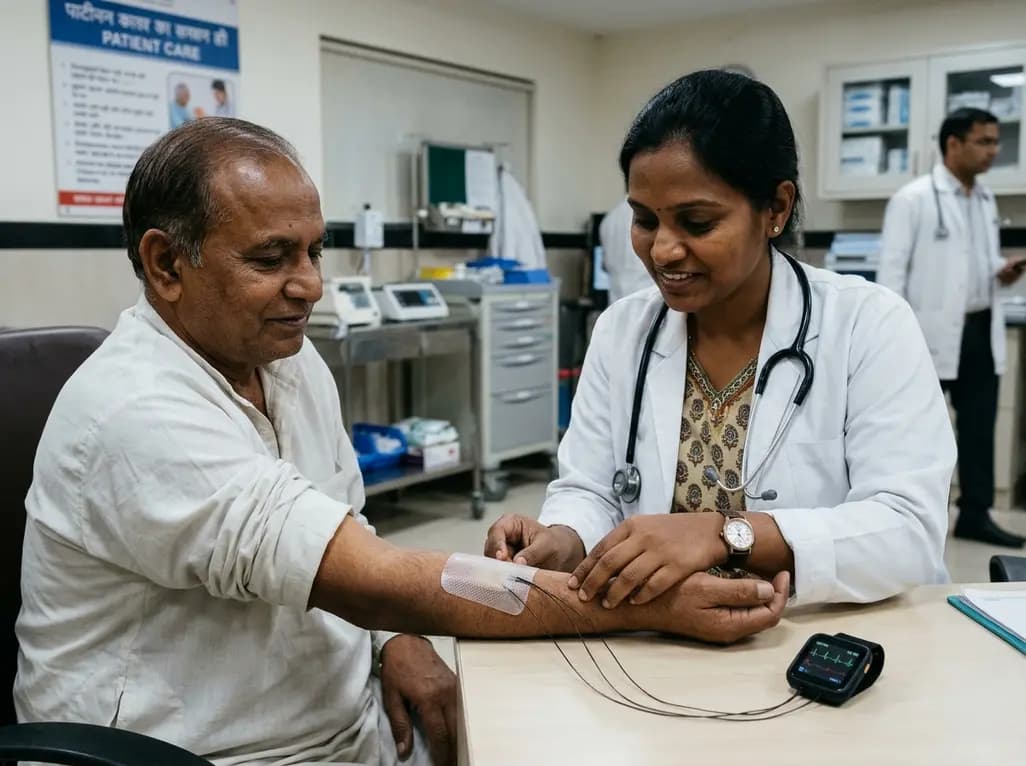
Researchers have engineered a gecko-inspired microfibrillar patch featuring embedded flexible conductors and a compliant terminating film. Under minimal preload, it provides robust, reusable skin adhesion without the epidermal trauma, pain, or dermatitis caused by traditional medical adhesives.
Today

A retrospective study identifies C6 canal diameter and C3 cord-canal ratio as key predictors of secondary single-door laminoplasty after anterior cervical surgery, with progressive adjacent segment disease as the primary cause.
Today

A critical appraisal using AMSTAR 2 reveals that meta-analyses on exercise interventions for gestational diabetes have critically low methodological quality, urging cautious clinical interpretation.
Today
