.webp&w=384&q=75)

Loading, please wait...
Loading, please wait...
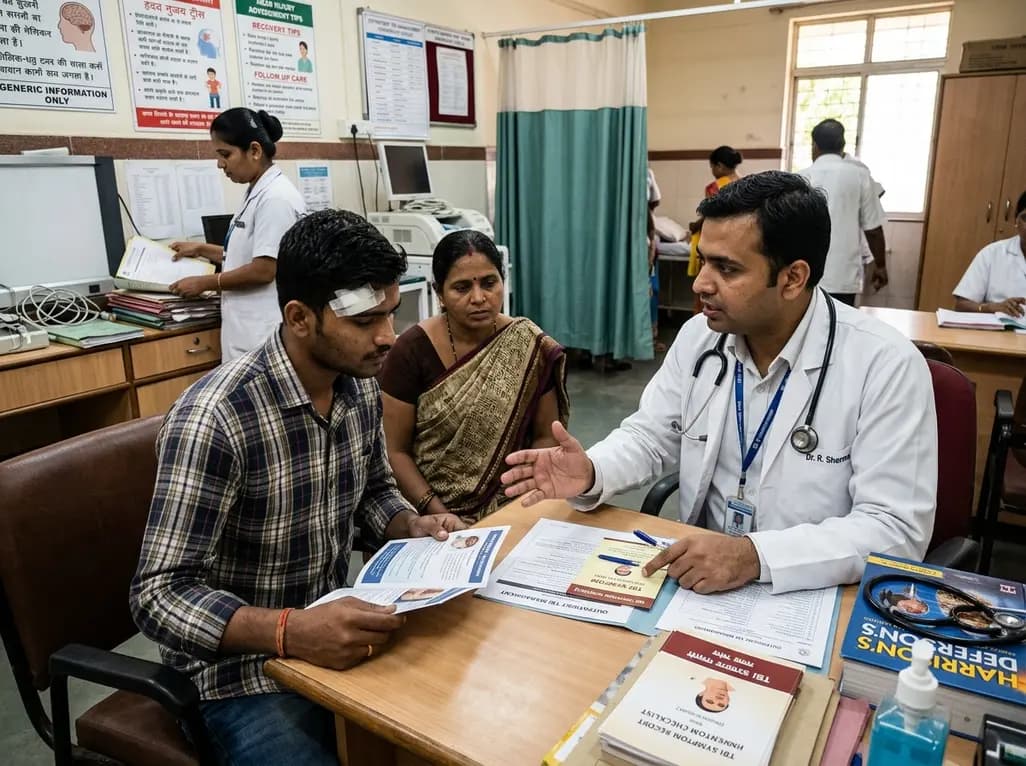
Traumatic brain injuries represent a major global public health challenge, yet most affected individuals do not require acute inpatient admission. Consequently, managing a nonhospitalized traumatic brain injury falls primarily upon primary care physicians, emergency room doctors, and outpatient general practitioners. Despite the high incidence of mild head trauma, outpatient follow-up care remains remarkably fragmented and inconsistent across community settings. Many patients receive minimal guidance upon discharge from urgent care or emergency departments, which substantially elevates their risk of prolonged disability, persistent post-concussive symptoms, and secondary psychological morbidity. To address these systemic deficiencies, an expert consensus initiative rigorously synthesized existing evidence-based clinical practice guidelines. This collaborative initiative established an actionable hierarchy of priority clinical actions designed specifically for community clinicians managing nonhospitalized patients during the critical days, weeks, and months following trauma.
Historically, neurotrauma research and health system infrastructure have heavily prioritized severe, hospitalized brain injuries. However, nonhospitalized cases account for over ninety percent of all brain injuries seen in healthcare systems worldwide. Although clinicians classify these injuries as mild based on initial Glasgow Coma Scale scores, a substantial subset of patients experiences debilitating physical, cognitive, and emotional symptoms for months. Unfortunately, routine healthcare delivery frequently overlooks these post-acute needs. Surveys show that less than half of discharged individuals receive formal outpatient follow-up or tailored educational materials. In addition, wide variation in clinical practice leads to either premature discharge without recovery benchmarks or excessive, unnecessary diagnostic testing. Recognizing this critical gap, leading consensus panels emphasized the urgent need to standardize outpatient pathways. Establishing clear clinical priorities ensures that general practitioners can readily identify vulnerable patients and prevent prolonged recovery trajectories through timely, structured interventions.
To establish a coherent framework for primary care, investigators conducted comprehensive literature searches across international biomedical databases. The research team identified seventeen robust clinical practice guidelines and one highly relevant consensus statement addressing post-acute brain injury management. From these foundational documents, analysts extracted seventy-three discrete clinical topics. Subsequently, the study team removed redundant items and separated mandatory core competencies from topics requiring explicit prioritization. A final cohort of forty-two candidate actions underwent formal ranking by a diverse panel comprising neurotrauma experts, community healthcare providers, and individuals with lived experience. Interestingly, while all groups universally agreed on the critical value of early patient education, notable differences emerged regarding diagnostics. Patients placed higher value on neuroimaging and advanced testing, whereas clinicians favored active symptom surveillance and structured functional recovery protocols.
The resulting synthesis identified essential clinical actions that outpatient clinicians should execute systematically during initial post-injury encounters. First, clinicians must verify the precise mechanism of injury and confirm the clinical diagnosis while excluding emergent intracranial complications. Second, practitioners should deliver immediate, proactive education regarding expected symptoms, realistic recovery timelines, and positive reassurance regarding brain recovery. Third, physicians must establish structured, active follow-up visits rather than relying on passive, as-needed patient requests. Fourth, clinicians need to screen for pre-existing medical, psychological, and social risk factors that elevate the likelihood of protracted recovery. In particular, social determinants of health and pre-existing mood disorders strongly influence symptom persistence. Therefore, early identification of these vulnerabilities allows clinicians to adjust follow-up frequency and mobilize multidisciplinary community support promptly.
Effective outpatient care demands prompt symptom-targeted treatment rather than an expectant wait-and-see posture. Posttraumatic headache represents the most prevalent and disabling physical complaint following head trauma. Guidelines strongly prioritize categorizing the headache phenotype, differentiating between tension-type, migraine-like, or cervicogenic origins, and initiating early multimodal therapy. Clinicians should minimize prolonged use of simple analgesics to prevent medication-overuse headaches. In addition, screening for neuropsychiatric symptoms represents another paramount action. Depression, anxiety, and post-traumatic stress frequently emerge or worsen following brain injury. Consequently, primary care providers must routinely incorporate validated screening tools into post-injury evaluations. Initiating early psychoeducation, cognitive-behavioral strategies, or appropriate pharmacotherapy substantially improves functional recovery and prevents long-term occupational and social impairment.
Modern clinical evidence has replaced strict prolonged rest with early, gradual return-to-activity protocols. Physicians should counsel patients to engage in relative rest for only the initial twenty-four to forty-eight hours post-injury. Thereafter, clinicians must guide patients through progressive, symptom-guided reintroduction of light physical activity, cognitive tasks, work, and school. Furthermore, timely referral to specialized care forms a pillar of high-quality outpatient management. While primary care physicians can manage most uncomplicated recoveries, patients presenting with refractory vestibular dysfunction, visual disturbances, severe sleep disruption, or persistent cognitive deficits require multidisciplinary support. Therefore, guidelines advise early referral within four to six weeks to physical therapists, vestibular rehabilitation specialists, neuropsychologists, or specialized brain injury clinics to optimize functional restoration.
Translating these priority actions into everyday primary care requires deliberate health system adaptations. Clinical practices can implement electronic health record templates and standardized discharge checklists that prompt clinicians to execute these top-ten actions. Moreover, primary care teams should incorporate care navigators or nursing staff to facilitate forty-eight-hour telephone follow-ups and monitor symptom resolution. By establishing streamlined clinical workflows and fostering patient-centered communication, community healthcare providers can effectively eliminate existing gaps in care. Ultimately, delivering evidence-based, proactive outpatient management transforms clinical outcomes, minimizing disability and supporting durable recovery for every patient experiencing nonhospitalized brain trauma.
Current evidence advises strict rest for only the first 24 to 48 hours following injury. Thereafter, patients should begin gradual, symptom-guided reintroduction of light physical exercise and daily cognitive activities, avoiding prolonged rest which can delay overall recovery and increase functional disability.
Clinicians should refer patients to specialized multidisciplinary care if debilitating symptoms persist beyond four to six weeks. Key referral indications include refractory posttraumatic headaches, vestibular dizziness, oculomotor dysfunction, significant cognitive deficits, or worsening psychological distress requiring tailored neurorehabilitation or psychiatric intervention.
Depression, anxiety, and post-traumatic stress frequently develop after head trauma and serve as major drivers of prolonged disability. Early screening with validated tools allows clinicians to initiate timely psychoeducation, behavioral therapy, or pharmacotherapy, thereby preventing chronic psychological morbidity and improving recovery trajectories.
Disclaimer: This content is for informational and educational purposes only and should not be considered medical advice. Always consult a qualified healthcare professional regarding any medical condition or treatment. Refer to the latest local and national guidelines for clinical practice.
References

Read summarized clinical updates, watch expert medical content, and earn CME certifications right from your smartphone.
Open your smartphone camera to scan and install.





A consensus study synthesizes 17 clinical practice guidelines to identify top priority clinical actions for managing nonhospitalized traumatic brain injury in outpatient settings, focusing on early education, symptom management, and timely specialist referral.
last month

A recent clinical report details an atypical presentation of bilateral proptosis as the primary manifestation of aggressive multiple myeloma. Explore the diagnostic pathway, imaging findings, and critical multidisciplinary management strategies essential for handling extramedullary plasma cell dyscrasias.
Today

Prenatal evaluation of fetal growth restriction requires an integrated diagnostic approach. While chromosomal microarray remains fundamental, exome sequencing offers significant diagnostic yield in isolated and syndromic cases, especially when ultrasound shows skeletal anomalies or normal placental function.
Today
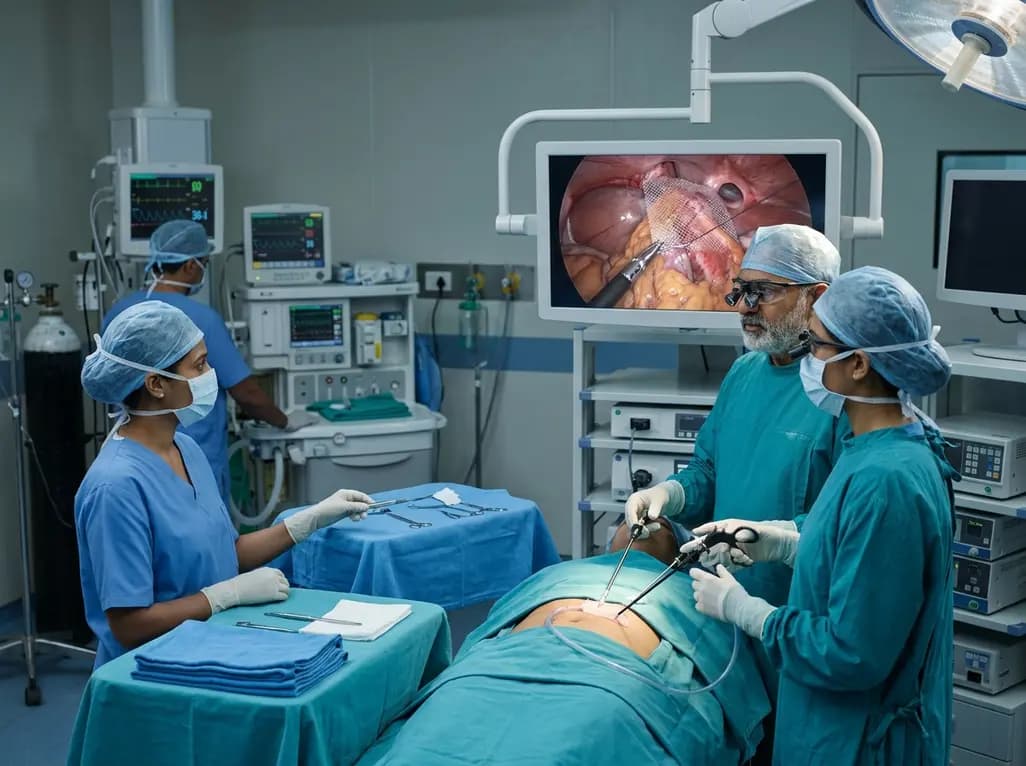
Discover a novel laparoscopic approach for iatrogenic diaphragmatic hernia repair following pedicled omentoplasty. This modified Sugarbaker technique integrates dorsal pedicle lateralization and round ligament reinforcement to secure the diaphragmatic defect while preserving vital omental vascularity.
Today

Evaluating Hill-Sachs lesion size and the distance to dislocation is critical in recurrent shoulder instability. As bone loss concepts shift from binary on-track classifications to continuous risk assessment, clinicians must identify when isolated Bankart repair is insufficient and supplementary procedures are needed.
Today

New research reveals that M1 macrophage-derived exosomes aggravate diabetic nephropathy by transferring WTAP to stabilize S1PR2 mRNA. Silencing WTAP in these vesicles attenuates endothelial injury and renal fibrosis, pointing toward innovative nanomedicine therapies.
Today
