.webp&w=384&q=75)

Loading, please wait...
Loading, please wait...

Osteosarcoma remains a highly aggressive primary bone malignancy affecting both canine and human patients. Standardized treatment regimens fail to address the inherent complexity of the disease. Consequently, patient outcomes have remained largely stagnant for over three decades. However, recent advancements in osteosarcoma multiomic profiling now offer a more nuanced understanding of this heterogeneous cancer. By examining treatment-na\u00efve primary tumors from large biobanks, researchers are identifying critical biomarkers that could revolutionize risk stratification and treatment planning.
Recent research highlights the presence of MYC amplification as a major poor prognostic indicator in canine models. Furthermore, scientists identified shared alterations in DNA damage repair, metabolism, and cell cycle regulation that mirror human disease patterns. This multiomic framework allows for a deeper interrogation of individual datasets, integrating findings to pinpoint actionable genetic targets. Additionally, the study established significant relationships between the local tumor immune microenvironment and the status of TP53, MYC, and PTEN genes.
Moreover, global gene methylation patterns have emerged as valuable tools for assessing tumor behavior. Specifically, these patterns reflect the underlying biology of the malignancy rather than just immune cell presence. Similarly, the integration of transcriptomic and genomic data helps clinicians understand how these tumors evolve and evade standard therapies. These insights provide a roadmap for future clinical trials focusing on precision medicine for both species.
The utility of these prognostic biomarkers extends beyond veterinary medicine. Since canine and human osteosarcomas share molecular pathways, these findings can guide the development of human druggable targets. For instance, targeting the pathways influenced by MYC and TP53 mutations may improve survival in high-risk patients. Thus, this comparative oncology approach serves as a powerful bridge, accelerating the discovery of effective therapies in a compressed timeline.
Canine and human osteosarcoma share significant genetic similarities, including mutations in TP53 and MYC, and exhibit nearly identical clinical progression and metastatic patterns.
The presence of MYC amplification serves as a strong indicator of poor prognosis, signaling an aggressive disease course that may require more intensive or targeted intervention.
The local tumor immune microenvironment is closely linked to specific genetic mutations and methylation patterns, influencing how the cancer responds to therapy and how well the patient might survive.
Disclaimer: This content is for informational and educational purposes only. It does not constitute medical advice or establish a doctor-patient relationship. Refer to the latest local and national guidelines for clinical practice.
References
Garg A et al. Integrated Multiomic Profiling Enhances Risk Stratification and Prognostication in Canine Osteosarcoma. Clin Cancer Res. 2026 Apr 22. doi: 10.1158/1078-0432.CCR-25-4593. PMID: 42018306.
LeBlanc AK, et al. Transcriptional profiling of canine osteosarcoma identifies prognostic gene expression signatures with translational value for humans. Commun Biol. 2023;6(1):856.
Gardner HL, et al. Canine osteosarcoma genome sequencing identifies recurrent mutations in DMD and the histone methyltransferase gene SETD2. Commun Biol. 2019;2(1):267.
"
Read summarized clinical updates, watch expert medical content, and earn CME certifications right from your smartphone.
Open your smartphone camera to scan and install.





New multiomic profiling of canine osteosarcoma reveals MYC and TP53 markers, offering critical insights for human risk stratification and targeted therapy....
6 months ago
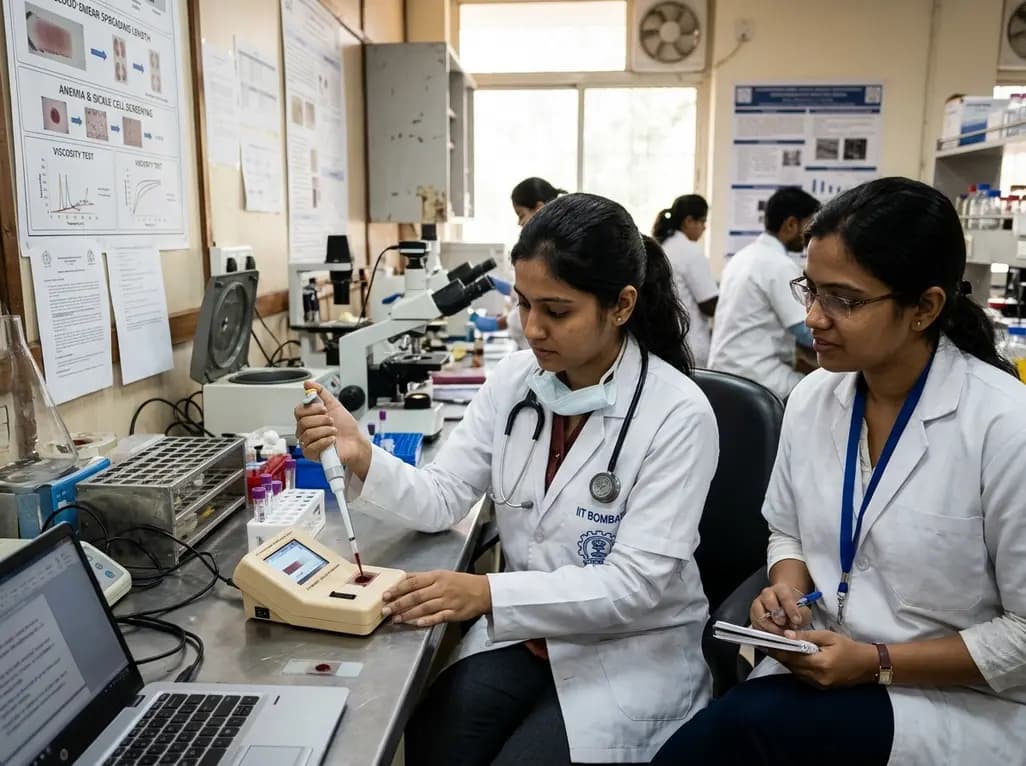
Researchers at IIT Bombay have engineered an automated, cost-effective point-of-care device that diagnoses anaemia and sickle cell disease from a single drop of blood. By measuring blood smear spreading length, this portable tool assesses blood viscosity to offer rapid screening in resource-limited healthcare centers.
Today

A multicenter study evaluates whether standardized simulation training reduces cup detachment during vacuum-assisted vaginal birth. Evidence-based simulation equips obstetricians to improve cup placement, reduce maternal-fetal trauma, and optimize clinical decision-making during operative deliveries.
Today
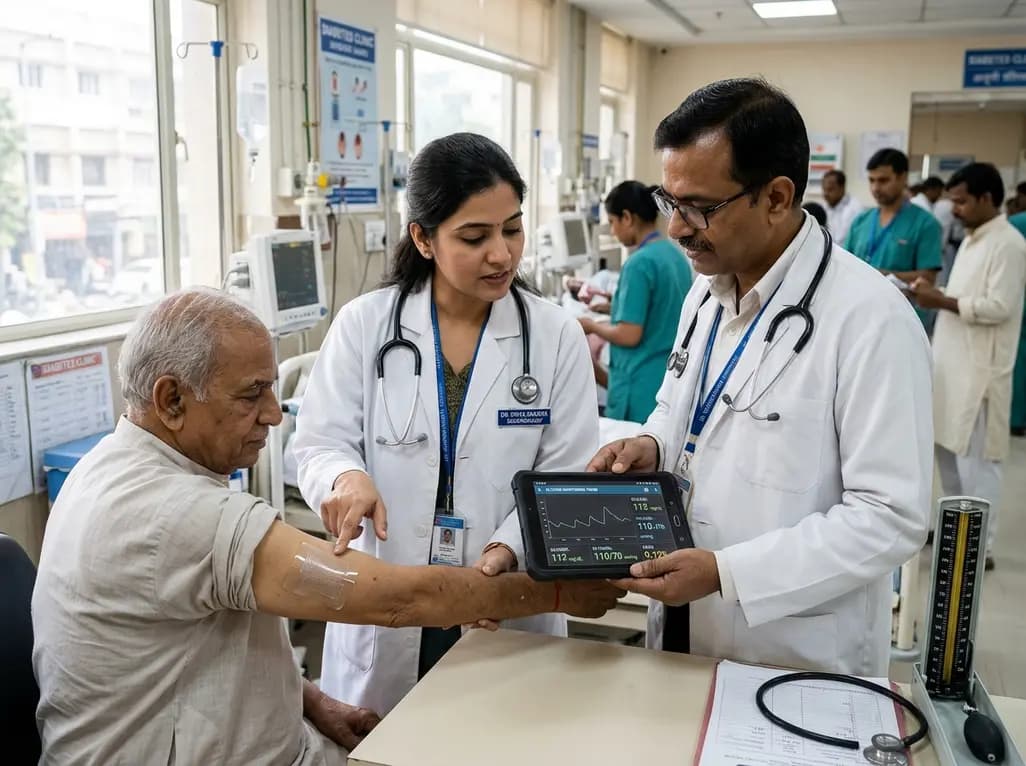
A breakthrough ultrathin multimodal sensor decouples physical hemodynamic monitoring from disposable electrochemical calibration, achieving long-term wearable glucose prediction with 81.36% accuracy and a 9.12% MARD. This offers a robust, drift-free solution for outpatient metabolic surveillance.
Today
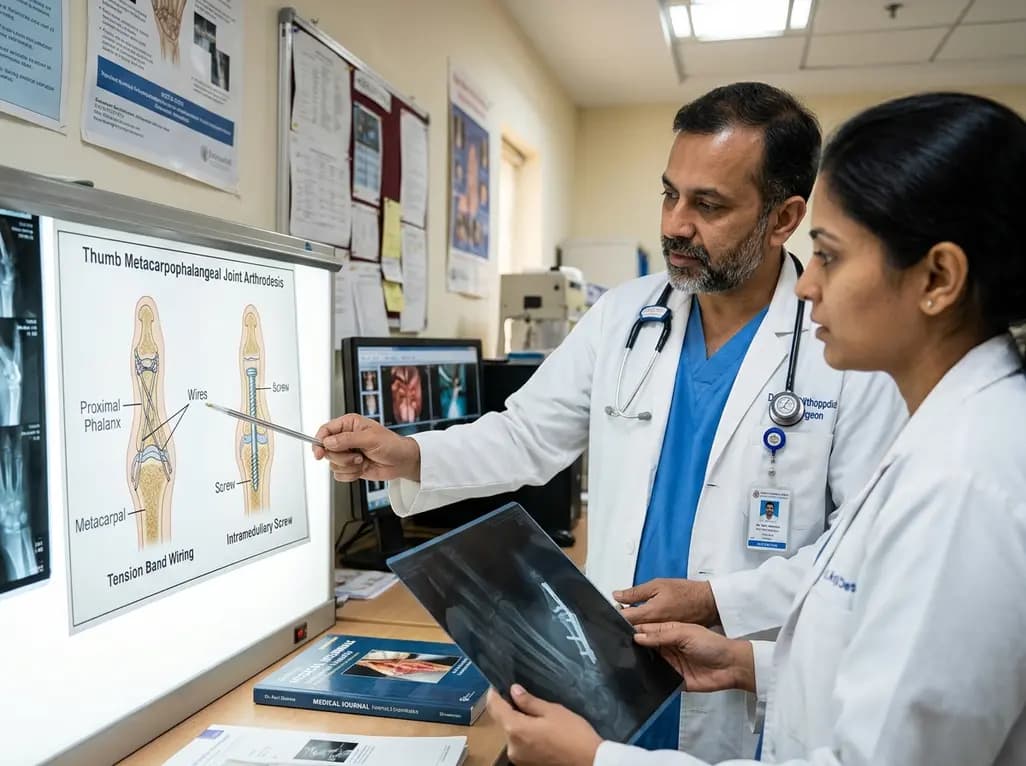
A comparative review of tension band wiring and intramedullary screw fixation in thumb metacarpophalangeal arthrodesis, evaluating union rates, hardware complications, and clinical outcomes.
Today

Following regulatory scrutiny from FSSAI regarding promotional representations and lean muscle preservation claims, Dr. Reddy's Laboratories and Nestlé Health Science are currently reviewing the branding and marketing strategy for their joint nutritional supplement Celevida GLP+.
Today
