.webp&w=384&q=75)

Loading, please wait...
Loading, please wait...
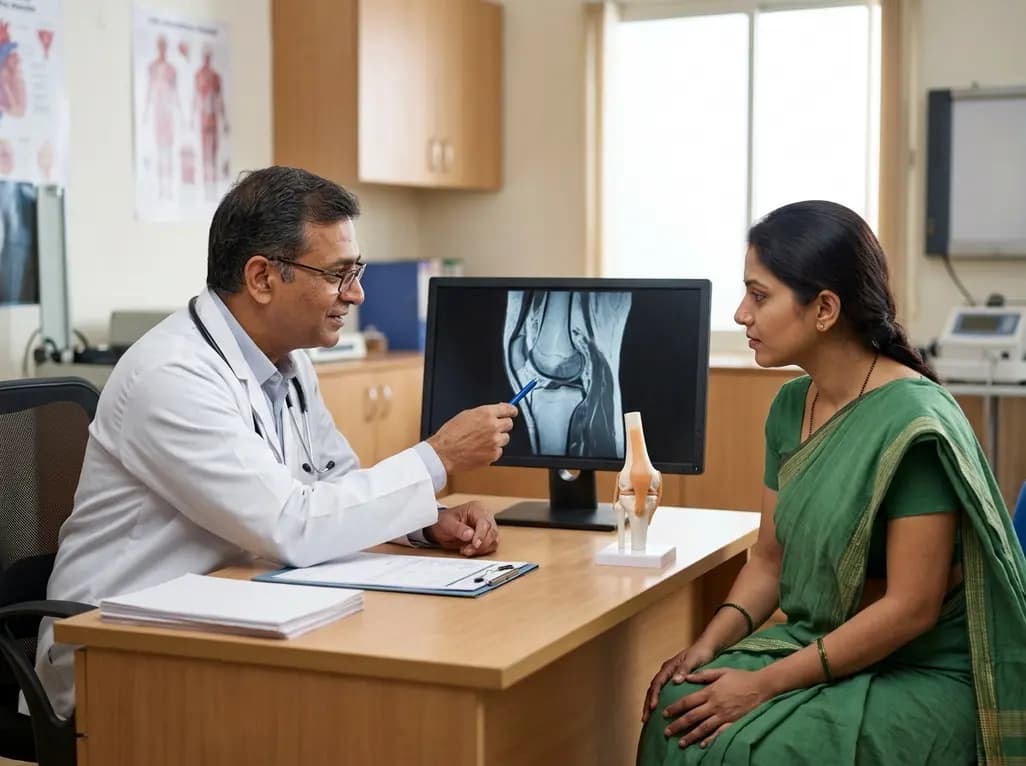
Traditionally, clinicians viewed osteoarthritis (OA) as a wear-and-tear disease of old age. However, a recent review published in the journal International Orthopaedics challenges this long-held clinical paradigm. Researchers are increasingly diagnosing osteoarthritis in young adults as young as 30 years old. Consequently, we must reframe this condition as a complex, heterogeneous syndrome rather than a single disease.
Furthermore, the global burden of this joint pathology is rising rapidly. More than 500 million people worldwide currently live with osteoarthritis. Therefore, understanding the diverse biological, metabolic, and genetic drivers is absolutely essential. Specifically, sedentary lifestyles and rising obesity rates among youth fuel this worrying epidemiological shift.
Indeed, a one-size-fits-all approach to joint pain often fails because patients exhibit distinct underlying phenotypes. For instance, researchers have identified six distinct disease subtypes, including inflammatory, metabolic, and pain-sensitisation variants. Consequently, clinicians must transition toward personalised therapeutic plans. For example, a young IT professional with metabolic osteoarthritis showed dramatic improvement after receiving targeted weight management, structured exercise, and vitamin D supplementation. On the other hand, an older patient with a pain-sensitisation phenotype experienced significant relief only when treated with custom neuromodulators. Thus, identifying the patient's specific disease driver is key to successful management.
Additionally, modern diagnostic technologies can significantly refine our clinical decisions. For example, MRI-based tools and specific molecular biomarkers are revolutionising early diagnosis. In particular, clinicians should look at biomarkers like COMP, CTX-II, and hsCRP to evaluate disease progression. Moreover, emerging artificial intelligence (AI) systems are enabling earlier detection. These AI-assisted MRI scoring tools allow for precise patient clustering before irreversible damage occurs. However, wider clinical adoption of these novel tools still requires standardised protocols and large-scale validation. Ultimately, these advanced diagnostics will empower clinicians to deliver more effective, tailored therapies.
Q1: Why is osteoarthritis increasingly diagnosed in individuals under 40?
Historically, osteoarthritis was considered a wear-and-tear disease of aging. However, rising rates of obesity and increasingly sedentary lifestyles are now driving early-onset joint degeneration in younger adults.
Q2: What are the key disease phenotypes of osteoarthritis?
Instead of a single disease, researchers now classify osteoarthritis as a spectrum of conditions. The six identified subtypes include inflammatory, metabolic, and pain-sensitisation variants, alongside structural phenotypes like atrophic and hypertrophic forms.
Q3: How do molecular biomarkers help in osteoarthritis management?
Clinicians can use biomarkers like COMP, CTX-II, and hsCRP to track cartilage turnover and joint inflammation. Consequently, these tools help in selecting highly targeted therapies for individual patients.
Disclaimer: This content is for informational and educational purposes only. It does not constitute medical advice or replace professional judgment. Refer to the latest local and national guidelines for clinical practice.
References

Read summarized clinical updates, watch expert medical content, and earn CME certifications right from your smartphone.
Open your smartphone camera to scan and install.





Explore how a paradigm shift toward personalised therapy, disease phenotyping, and advanced MRI diagnostics helps tackle early-onset osteoarthritis effectiv...
4 months ago
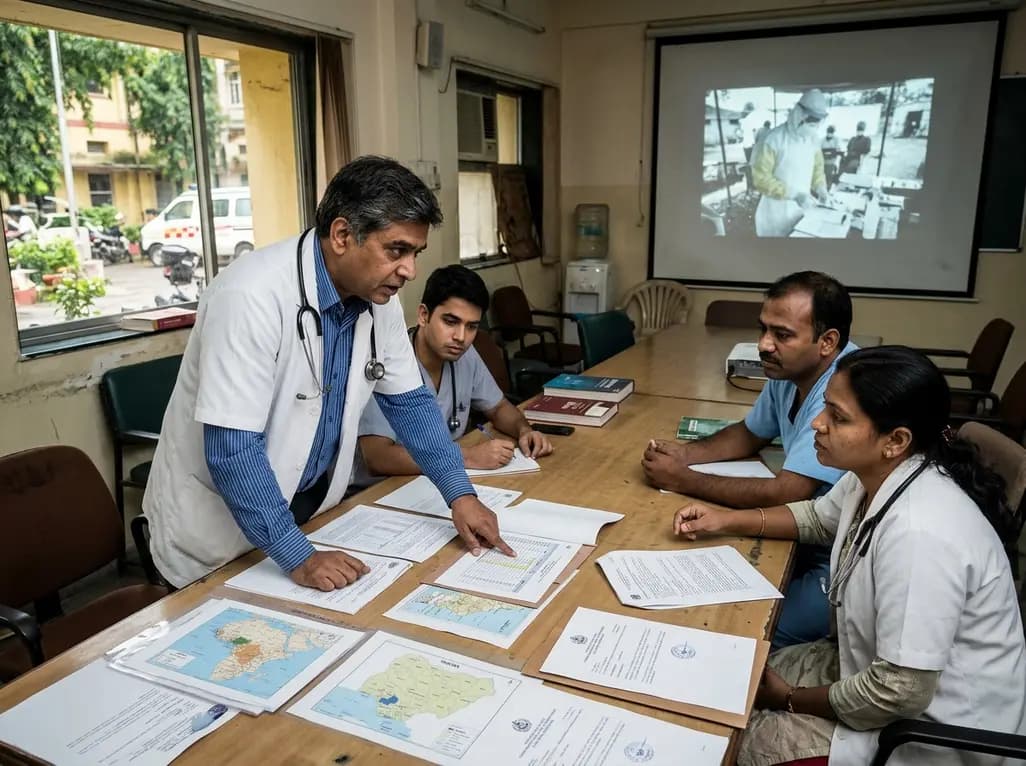
Following Nigeria's first recorded Ebola case linked to regional travel, the Africa CDC has convened an emergency ministerial summit. This alert underscores critical clinical priorities for healthcare professionals, including differentiating early viral infection from malaria, implementing barrier nursing, and triage.
Today

Leucine Rich Bio has introduced South Asia's first comprehensive vaginal microbiome test, BugSpeaks. By profiling microbial dysbiosis, pathogens, and antimicrobial resistance, this next-generation diagnostic platform provides clinicians with deeper insights into recurrent infections, fertility, and reproductive health.
Today

Review how tailored exercise programs benefit frail older patients with heart failure. Explore pathophysiological mechanisms, individualized training prescriptions, and strategies to overcome adherence barriers in clinical practice.
Today

This comparative study evaluates posterior labral tears with and without glenohumeral instability, highlighting distinct demographic patterns, MRI underestimation in stable shoulders, and successful arthroscopic repair outcomes.
Today

A clinical study demonstrates that early intervention with tocilizumab, either as monotherapy or bridged with corticosteroids, achieves significant proptosis reduction and resolves active inflammation in treatment-naive thyroid eye disease.
Today
