.webp&w=384&q=75)

Loading, please wait...
Loading, please wait...

Pediatric myopia has emerged as a major global visual concern, driving clinicians to seek robust interventions that curb axial elongation. Overnight corneal reshaping with reverse-geometry gas-permeable lenses has transformed modern pediatric eye care. Consequently, the interplay between orthokeratology and myopia progression remains a primary focus of contemporary ophthalmic research. These specialized lenses alter corneal architecture, neutralizing central refractive error while generating peripheral myopic defocus. This optical profile effectively slows axial elongation in growing eyes. However, individual clinical responses vary considerably across patient cohorts. While optical defocus explains much of this therapeutic control, visual scientists increasingly recognize the critical influence of ocular accommodation. In particular, children frequently exhibit subtle functional deficits, such as sluggish accommodative facility or reduced accommodative amplitude, prior to starting therapy. Therefore, clinicians require a deeper understanding of whether baseline accommodative status influences treatment outcomes over multi-year follow-up intervals. Investigating these functional dynamics helps practitioners identify children who may experience persistent axial growth despite nightly lens wear. Ultimately, integrating functional metrics into baseline assessments enhances personalized myopia management.
A recent two-year retrospective investigation led by Ai and colleagues directly evaluated the relationship between visual accommodation and axial growth. Specifically, the researchers evaluated 98 eyes from 49 pediatric patients who maintained continuous overnight lens wear over twenty-four months. Furthermore, the investigative team stratified participants into slow and fast axial growth groups according to their two-year axial elongation. Consequently, to determine how accommodative capacity evolved, the researchers utilized robust linear mixed models. These sophisticated models systematically controlled for critical confounding variables, including chronological age, sex, and baseline refractive status. In addition, the protocol involved comprehensive evaluations of both monocular and binocular accommodative parameters at defined clinical intervals. Monocular evaluations focused primarily on accommodative amplitude and accommodative facility. Meanwhile, binocular assessments captured negative relative accommodation, positive relative accommodation, binocular cross-cylinder measurements, and the accommodative convergence to accommodation ratio. Therefore, by tracking these distinct visual parameters across time, the investigators clarified whether baseline functional deficits dictate ocular elongation during treatment.
The study revealed striking differences between monocular and binocular metrics regarding their prognostic power. Specifically, the researchers identified significant time-by-group interactions for monocular accommodative amplitude and monocular accommodative facility. Baseline values for both monocular parameters independently predicted subsequent axial elongation. Children presenting with lower baseline monocular amplitude and reduced facility experienced significantly greater axial growth over the two-year period. In contrast, children exhibiting robust baseline monocular values maintained slower axial elongation rates throughout treatment. Conversely, binocular parameters demonstrated minimal prognostic utility. Although relative accommodation showed significant temporal changes as children adapted to lens wear, baseline binocular values showed no significant association with axial elongation. Similarly, binocular cross-cylinder findings and the accommodative convergence to accommodation ratio demonstrated neither temporal changes nor group differences. Consequently, relying solely on binocular evaluations can mislead clinicians because fusional vergence masks underlying focusing inefficiencies. Monocular assessments isolate each eye, exposing focusing vulnerabilities that correlate directly with myopic progression.
Understanding the physiological connection between accommodation and axial elongation explains why monocular testing yields superior prognostic insights. Accommodative amplitude reflects maximal focusing power, whereas accommodative facility measures the speed and stamina of focusing transitions. When an eye exhibits diminished accommodative capacity, prolonged near activities induce substantial retinal hyperopic blur. Furthermore, poor facility prevents the visual system from adjusting rapidly between varying focal planes. Because prolonged hyperopic blur acts as a potent biochemical stimulus for scleral remodeling, uncorrected focusing lag promotes axial elongation. Consequently, deficient monocular accommodation undermines the protective peripheral myopic defocus generated by corneal reshaping lenses. Although orthokeratology creates favorable peripheral optics, an inefficient accommodative apparatus permits persistent central blur signals during near tasks. Thus, ocular biomechanics and active neural focusing mechanisms operate synergistically to regulate eye growth. Recognizing this interplay helps practitioners understand why optical interventions alone may fail when underlying accommodative dysfunction remains unaddressed.
These findings offer practical, actionable guidance for optometrists and ophthalmologists managing pediatric myopia. Because low baseline accommodative amplitude and facility predict faster axial elongation, practitioners should routinely incorporate monocular accommodative testing into baseline workups. Furthermore, clinicians can utilize these measurements to stratify patients into personalized risk tiers prior to lens dispensing. If a child presents with diminished monocular facility, practitioners can counsel parents regarding potential risks for higher axial progression. Moreover, clinicians can proactively explore combination regimens to counteract these functional visual limitations. For instance, prescribing adjunctive low-dose atropine alongside orthokeratology may enhance myopia control in children showing poor initial accommodative dynamics. Alternatively, structured vision therapy aimed at improving accommodative facility might restore efficient focusing flexibility. Therefore, functional visual assessments bridge the gap between simple corneal topography and comprehensive myopia control. Eye care specialists can tailor follow-up schedules, intensifying monitoring for children with suboptimal baseline accommodative profiles.
Baseline accommodative facility reflects how rapidly the ciliary muscle alters focus between distant and near targets. When children exhibit poor baseline facility, their visual system experiences prolonged retinal hyperopic blur during frequent near-work tasks. Consequently, this persistent defocus stimulates scleral growth and accelerates axial elongation despite corneal reshaping. Children with higher baseline facility adapt smoothly to visual demands, maintaining clearer retinal images and experiencing slower myopia progression over long-term orthokeratology lens wear.
Monocular testing isolates each eye, revealing true ciliary muscle capacity without binocular compensation. During binocular testing, fusional vergence mechanisms often mask underlying accommodative fatigue or sluggish dynamics. Therefore, binocular parameters like relative accommodation may appear completely normal even when subtle focusing deficits persist. Because monocular amplitude and facility uncover unmasked accommodative weaknesses, they serve as significantly more reliable baseline predictors of axial elongation in children undergoing orthokeratology therapy.
Clinicians can implement targeted in-office or home-based vision therapy to enhance accommodative amplitude and facility. Structured flipper training and accommodative rock exercises strengthen ciliary flexibility and reduce near-point fatigue. In addition, practitioners frequently combine orthokeratology lenses with low-dose atropine for high-risk children showing rapid axial growth. By improving accommodative efficiency and optimizing optical defocus simultaneously, clinicians maximize myopia control outcomes and protect children against significant axial elongation over multi-year treatment periods.
Disclaimer: This content is for informational and educational purposes only and does not constitute formal medical advice. Clinical decisions should rely on comprehensive patient evaluation and applicable professional standards. Refer to the latest local and national guidelines for clinical practice.
References

Read summarized clinical updates, watch expert medical content, and earn CME certifications right from your smartphone.
Open your smartphone camera to scan and install.





A 2-year study reveals that baseline monocular accommodative amplitude and facility independently predict axial elongation in myopic children wearing orthokeratology lenses, while binocular parameters show no predictive association.
Today
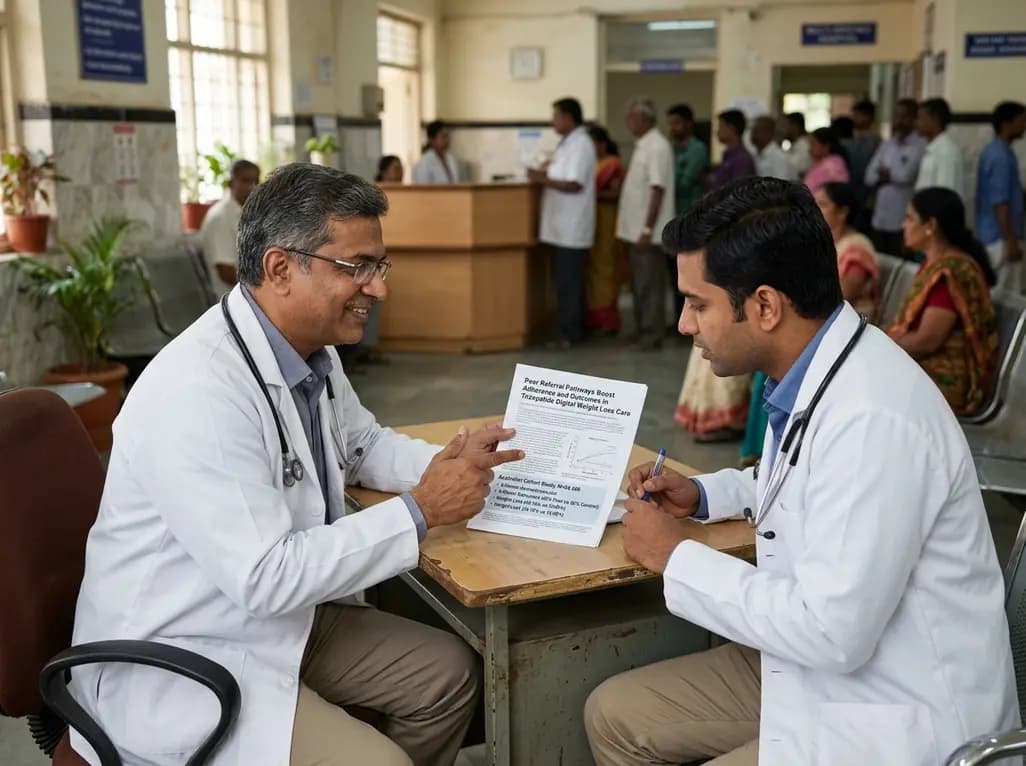
An Australian cohort of 34,449 adults in an unsubsidized tirzepatide digital weight loss service showed that peer-referred patients achieved significantly higher 6-month adherence (48% vs 42%) and greater weight loss (16.16% vs 14.06%) than matched non-referred peers, highlighting social support in obesity care.
Today
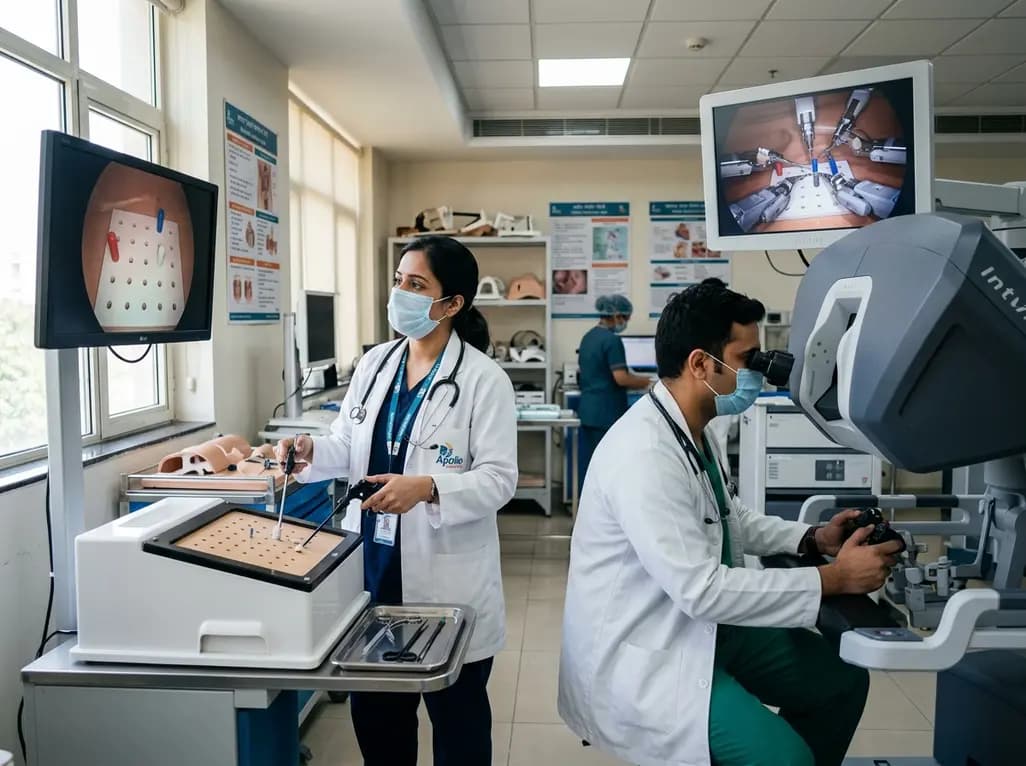
A randomized crossover study demonstrates that conventional and robotic laparoscopy require distinct neuropsychological and psychomotor skills. While trainees master conventional laparoscopy faster, robotic proficiency demands individualized, adaptive curricula tailored to specific learner profiles.
Today
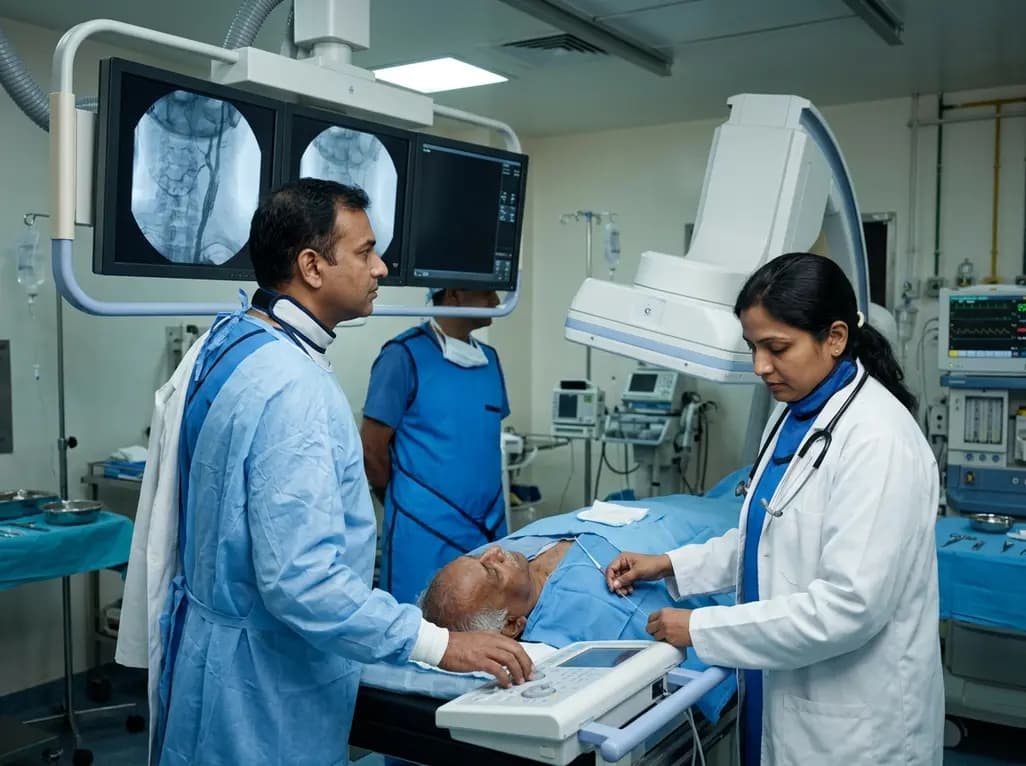
A retrospective study of 109 patients undergoing elective carotid artery stenting evaluated radiation exposure on biplane flat-panel systems. Standardized workflows and dedicated low-dose protocols provide crucial baseline data to establish neurointerventional diagnostic reference levels and optimize patient safety.
Today
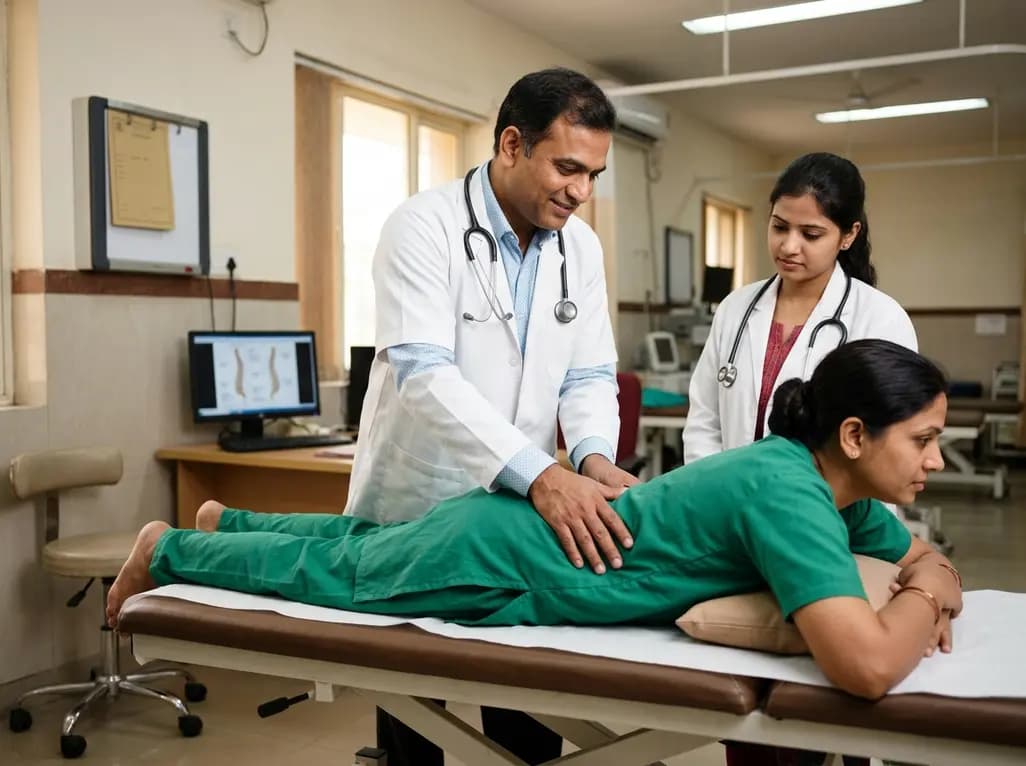
A scoping review of 51 studies reveals that spinal manual therapy on the lumbo-pelvic area is commonly used for isolated lower extremity pain, predominantly knee conditions. While thrust manipulation is frequent, reporting deficits highlight the need for standardized technique descriptions to guide practice.
Today
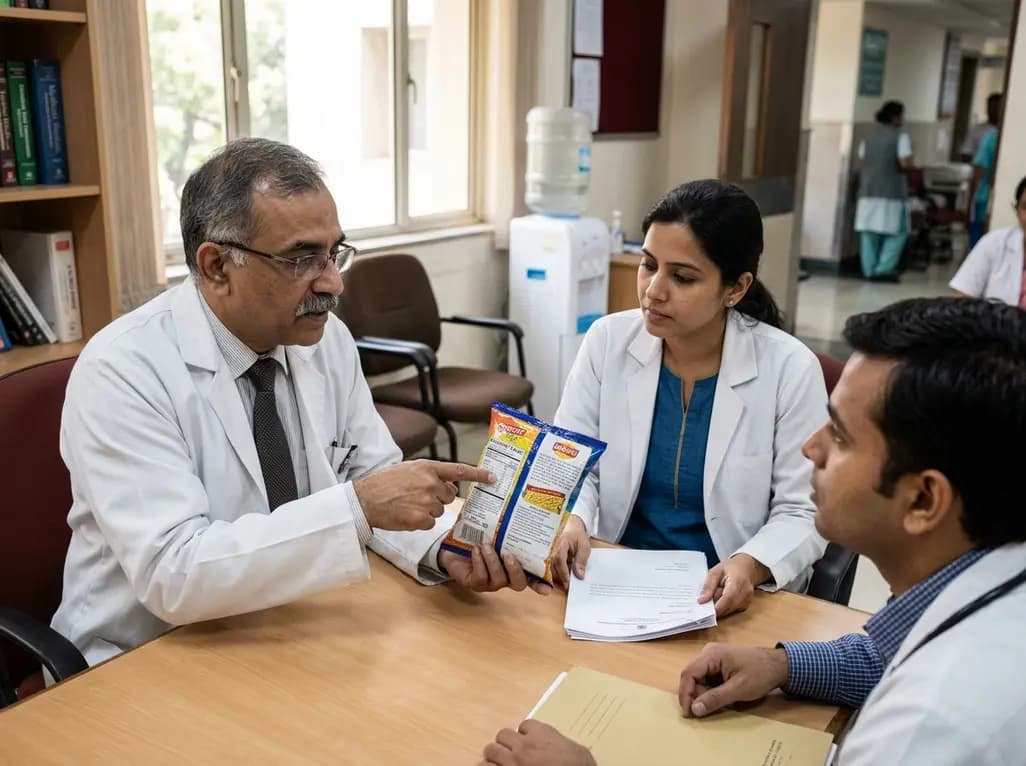
The Supreme Court has reserved its judgment on FSSAI's proposed front-of-pack nutritional warning labels for packaged foods. With debates over compliance timelines, added versus total sugars, and ultra-processed food definitions, this landmark decision carries profound public health implications for India.
Today
