.webp&w=384&q=75)

Loading, please wait...
Loading, please wait...

The loss of a loved one to cancer introduces unique psychological challenges for caregivers. While peer-led support is common, a new pilot study explores the feasibility of online cancer bereavement groups led by professional therapists. Researchers emphasize that therapist-led interventions provide a structured clinical framework often missing in informal peer support. Consequently, this digital approach may bridge the gap for those facing geographical or social barriers to care.
Many bereaved individuals in India and globally struggle with the urban-rural healthcare divide. Traditional in-person support is often inaccessible due to distance, cost, or perceived social stigma. Therefore, online platforms offer a vital, scalable alternative. This pilot trial investigates whether a specific digital therapy model can effectively reduce grief intensity and improve overall mental health.
This longitudinal pilot randomised controlled trial (RCT) will involve 100 adults who have lost a family member to cancer. Participants will be randomly assigned to either an immediate intervention or a three-month waitlist. The intervention consists of eight online sessions held over 12 weeks. Specifically, the program integrates cognitive-behavioural therapy (CBT), compassion-focused therapy (CFT), and established grief models.
The primary focus remains on feasibility and acceptability. Researchers will measure recruitment rates, session attendance, and participant ratings of helpfulness. Moreover, secondary outcomes include changes in depression, anxiety, and post-traumatic stress. Because grief is a dynamic process, the study will collect data at baseline, post-intervention, and during a three-month follow-up.
Standard peer-led groups rely on shared experience but may lack the tools to handle complex trauma. Conversely, therapist-led online cancer bereavement groups offer professional guidance to navigate acute psychological distress. This protocol aims to prove that such groups are not only effective but also sustainable within modern healthcare systems. Success in this pilot phase will directly inform a future, full-scale RCT to establish clinical efficacy.
These groups reduce travel time and costs while providing a safe space for individuals to process grief. Furthermore, the digital format allows those in remote areas to access high-quality mental health professional support.
Therapist-led groups follow a clinical curriculum using evidence-based therapies like CBT. While peer groups offer camaraderie, professional facilitators can better manage clinical symptoms such as severe depression or PTSD.
While designed for broad access, this trial specifically targets those bereaved by cancer. Consequently, the themes of the therapy sessions are tailored to the unique distress often experienced during oncology-related end-of-life care.
Disclaimer: This content is for informational and educational purposes only and does not constitute medical advice or a professional relationship. Refer to the latest local and national guidelines for clinical practice.
References

Read summarized clinical updates, watch expert medical content, and earn CME certifications right from your smartphone.
Open your smartphone camera to scan and install.





A pilot RCT protocol evaluating therapist-led online cancer bereavement groups to improve accessibility and psychological outcomes for bereaved caregivers....
7 months ago

Explore vital recurrent stroke predictors in lacunar stroke patients managed with intensive blood pressure lowering. This analysis examines trial findings from SPS3 to uncover residual vascular risks, metabolic factors, and targeted secondary prevention strategies for high-risk neurological patients.
Today
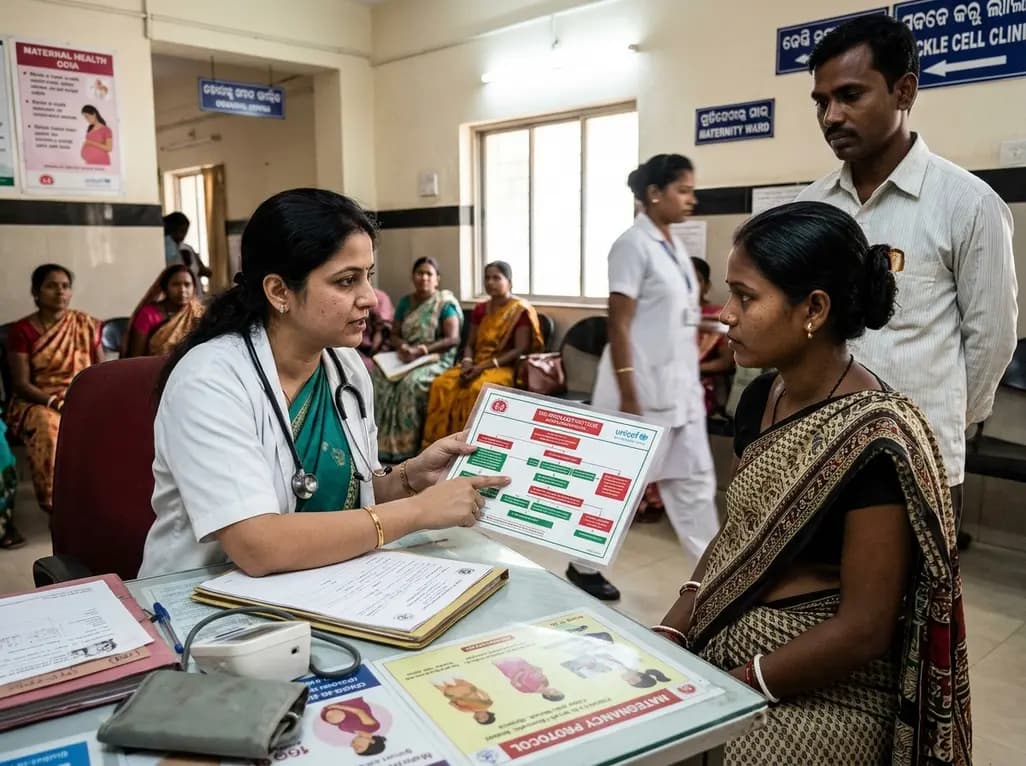
Odisha has established India's first state-level clinical protocol specifically tailored for pregnant women with sickle cell disease. Developed with NHM and UNICEF, the framework provides structured antenatal screening, crisis mitigation, standardized referral pathways, and specialized interdisciplinary care.
Today

India is advancing preventive healthcare by integrating genomics, artificial intelligence, and quantum technologies. With the SANGAM programme sequencing one million Indian genomes, clinicians can unlock personalized therapies, detect cardiometabolic risks early, and curb the burden of diabetes and heart disease.
Today
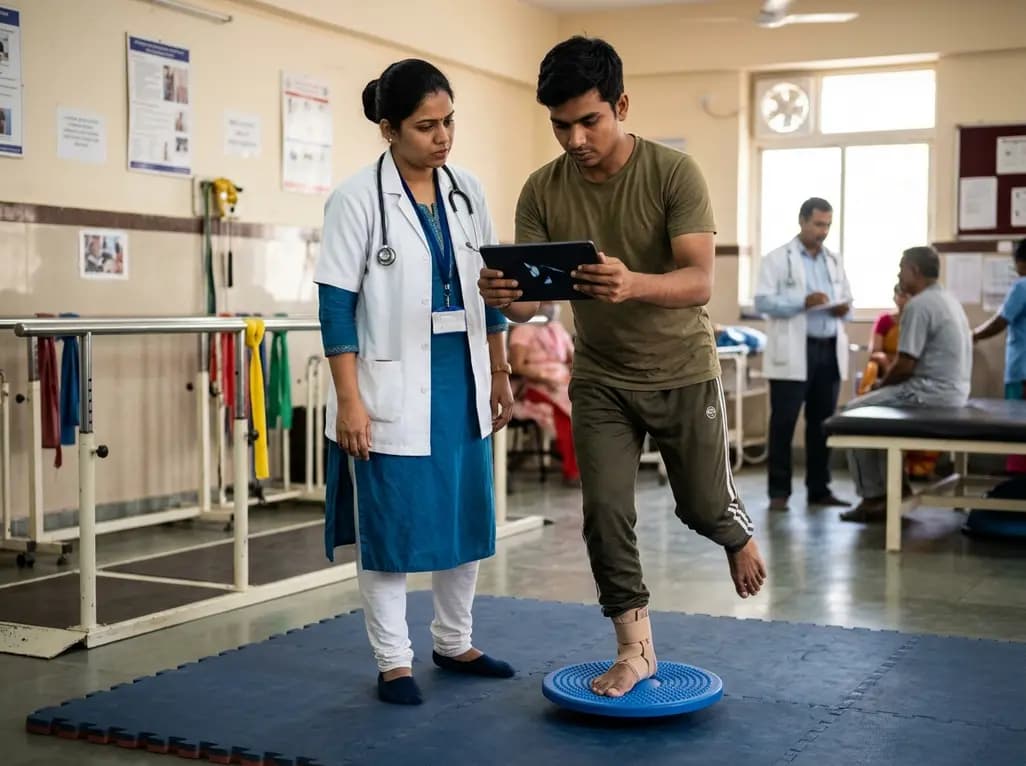
A randomized controlled trial demonstrates that an eight-week dual-task training intervention significantly improves static and dynamic postural control over standard balance exercises in individuals with chronic ankle instability, addressing critical neurocognitive deficits during athletic and daily activities.
Today

A retrospective cohort study of 7,716 ICU patients from the MIMIC-IV database demonstrates that Gradient Boosting Decision Trees significantly outperform traditional SOFA scores in predicting in-hospital mortality among patients with sepsis and diabetes, with SHAP analysis providing clinical interpretability.
Today
