.webp&w=384&q=75)

Loading, please wait...
Loading, please wait...

Oesophageal atresia quality of life is a critical concern for surgeons managing congenital anomalies. A retrospective study in South Wales recently investigated long-term outcomes for children with OA/TOF. Although these conditions require immediate postnatal surgery, understanding functional status remains paramount. Researchers used a modified Gastrointestinal Quality of Life Index (GIQLI) for the evaluation. They contacted parents via telephone to complete the 35-item questionnaire. Moreover, this index explores symptoms, physical health, emotional wellbeing, and social interactions. Scores ranged from 0 to 4 for each question. Consequently, researchers aimed to provide a comprehensive view of post-surgical daily life.
The findings showed a mean GIQLI score of 106 out of 140. Therefore, most OA/TOF patients achieve an adequate quality of life after correction. However, the study noted limitations like small sample sizes for specific anatomical types. Furthermore, clinicians must remain vigilant regarding early complications like feeding difficulties. In addition, these findings provide valuable data for discussions with parents. Effective neonatal surgery significantly improves long-term survival and social integration. While gastrointestinal issues persist for some, the overall outlook remains positive. Continuous monitoring ensures that physical and emotional needs are met during growth.
Identifying potential long-term morbidities allows for proactive multidisciplinary management. Pediatricians should focus on nutritional support and respiratory health to maintain wellbeing. In contrast, untreated complications can severely impact the daily activities of growing children. This data reinforces the importance of long-term follow-up in the Indian clinical context. Most survivors lead active lives despite the complexity of their initial diagnosis. Consequently, surgical success is measured not just by survival but by functional happiness.
The GIQLI is a validated tool assessing physical, emotional, and social functions related to digestive health.
Most children achieve a satisfactory quality of life, though some may face persistent feeding or respiratory challenges.
Disclaimer: This content is for informational and educational purposes only. It does not constitute medical advice or a professional relationship. Always consult a qualified healthcare provider for diagnosis and treatment. Refer to the latest local and national guidelines for clinical practice.
References
Edwards NM et al. Quality of life outcome study of children that had undergone surgery for oesophageal atresia with or without a tracheo-oesophageal fistula. Eur J Pediatr. 2026 Apr 14. doi: undefined. PMID: 41979862.
Almog A, Zani A. Postoperative complications and long-term outcomes of tracheoesophageal fistula repair. Transl Gastroenterol Hepatol. 2022.
Thursfield R, et al. Development of a lifelong core outcome set for oesophageal atresia ± tracheoesophageal fistula: the OCELOT study. BMJ Open. 2023.

Read summarized clinical updates, watch expert medical content, and earn CME certifications right from your smartphone.
Open your smartphone camera to scan and install.





A retrospective study evaluates the post-surgical quality of life in children with OA/TOF, showing promising outcomes despite early life complications....
6 months ago
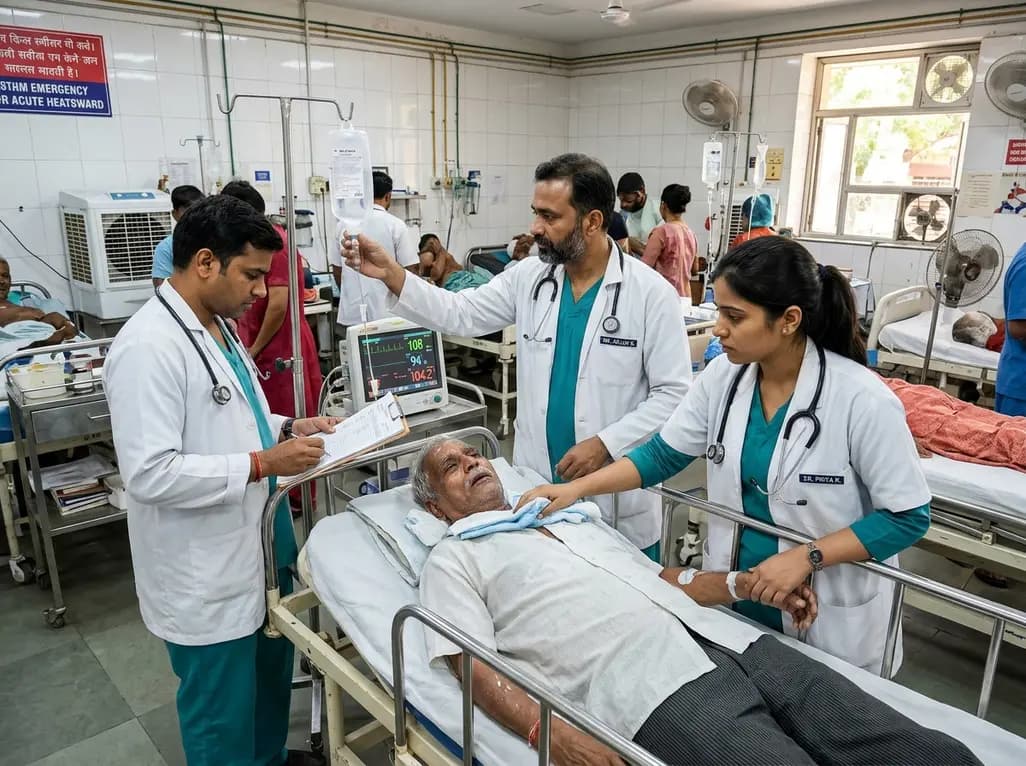
Recent epidemiological data reveals a dramatic surge in summer heat mortality driven by human-induced climate warming. This analysis explores the pathophysiological impacts on cardiac and renal systems, diagnostic dilemmas in death certification, and essential emergency cooling protocols for acute clinical care.
Today

Odisha has established India's first state-level clinical protocol specifically tailored for pregnant women with sickle cell disease. Developed with NHM and UNICEF, the framework provides structured antenatal screening, crisis mitigation, standardized referral pathways, and specialized interdisciplinary care.
Today

India is advancing preventive healthcare by integrating genomics, artificial intelligence, and quantum technologies. With the SANGAM programme sequencing one million Indian genomes, clinicians can unlock personalized therapies, detect cardiometabolic risks early, and curb the burden of diabetes and heart disease.
Today
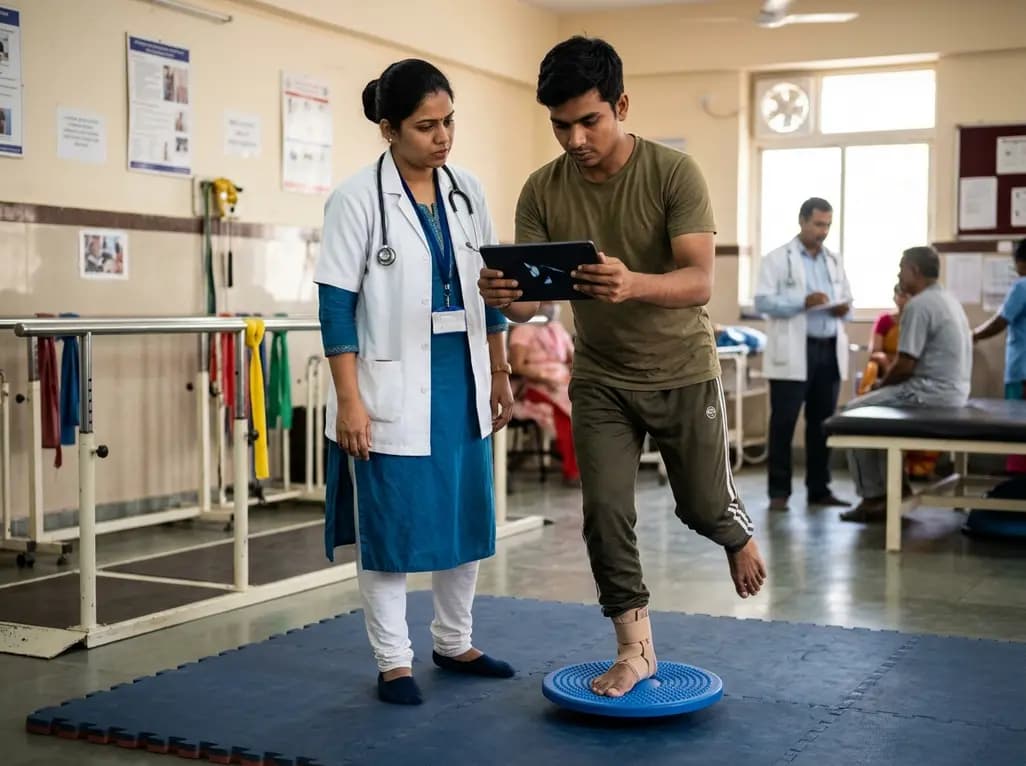
A randomized controlled trial demonstrates that an eight-week dual-task training intervention significantly improves static and dynamic postural control over standard balance exercises in individuals with chronic ankle instability, addressing critical neurocognitive deficits during athletic and daily activities.
Today

A retrospective cohort study of 7,716 ICU patients from the MIMIC-IV database demonstrates that Gradient Boosting Decision Trees significantly outperform traditional SOFA scores in predicting in-hospital mortality among patients with sepsis and diabetes, with SHAP analysis providing clinical interpretability.
Today
