.webp&w=384&q=75)

Loading, please wait...
Loading, please wait...
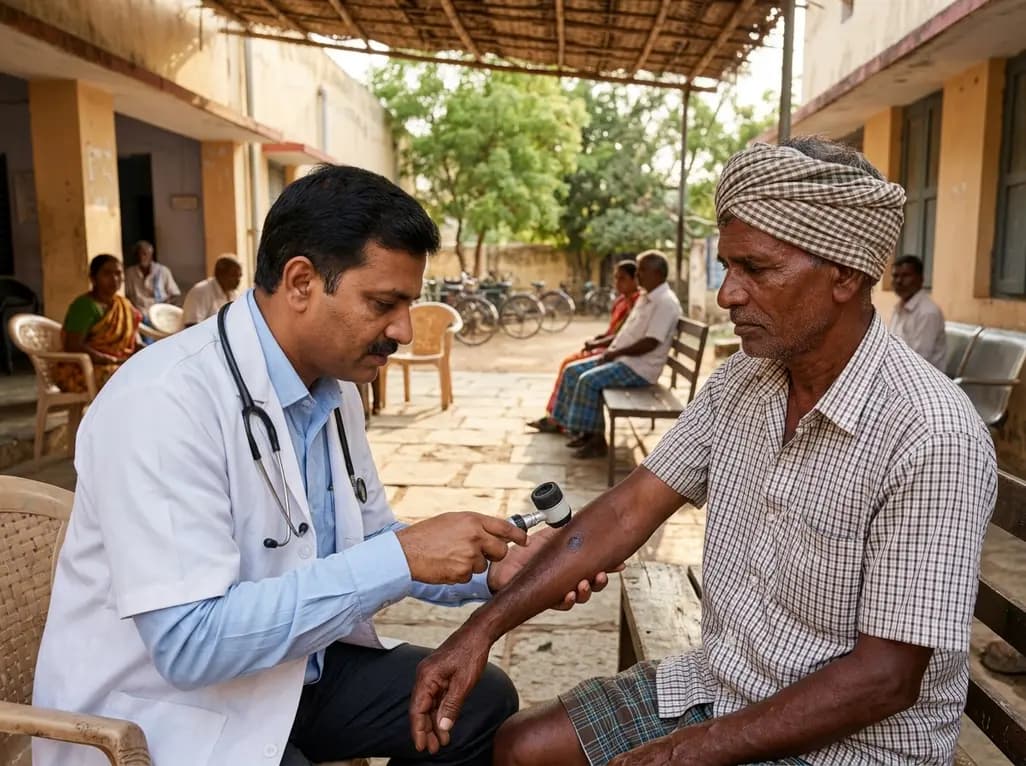
Chronic solar exposure represents a major health hazard for agricultural workers worldwide. Understanding the complex drivers of occupational skin cancer risk requires evaluating ambient solar radiation alongside individual phenotypic traits and environmental interactions. A nationwide longitudinal study in Brazil from 2008 to 2022 evaluated 81,378 skin cancer cases among rural laborers. The researchers cross-referenced satellite-derived Ultraviolet Index data with national demographic records to uncover critical geographic trends. The analysis established an average incidence rate of 318.23 cases per 100,000 rural workers. Furthermore, statistical modeling showed that the interplay between environmental ultraviolet exposure and host biological factors explains nearly 28% of overall skin cancer risk in this occupational cohort.
Epidemiological surveillance over the fifteen-year period demonstrated an alarming disease burden across agricultural sectors. Rural laborers routinely encounter intense solar ultraviolet exposure without adequate physical shielding or administrative shade provisions. Consequently, cumulative lifetime actinic damage accelerates malignant transformation in epidermal keratinocytes and melanocytes. Non-melanoma skin cancers, primarily basal cell carcinoma and squamous cell carcinoma, represent the vast majority of these occupational cases. However, cutaneous malignant melanoma also displays increased incidence among chronically exposed agricultural populations.
In addition, the research revealed an incidence rate exceeding 318 cases per 100,000 workers. This finding emphasizes that field laborers carry a disproportionate burden compared to indoor employees. Male outdoor workers frequently present with lesions on highly exposed anatomical areas, including the scalp, ears, neck, and forearms. Unfortunately, geographic isolation and constrained rural health infrastructure delay primary clinical evaluations. Therefore, many agrarian patients present with advanced primary tumors or invasive ulcerations that require extensive surgical excision.
A notable insight from the nationwide investigation is the apparent paradox between environmental solar intensity and regional cancer incidence. Specifically, northern and northeastern regions in Brazil register extremely high ambient Ultraviolet Index levels year-round due to equatorial proximity. In contrast, southern regions experience lower ambient ultraviolet radiation levels. Nevertheless, the southern zones recorded the highest overall skin cancer incidence among rural laborers.
This geographical disparity highlights the crucial role of population genetics and ancestral phenotypic traits. In the southern regions, approximately 73% of the resident population possesses fair skin with Fitzpatrick phototypes I and II. Consequently, these fair-skinned individuals have lower epidermal melanin concentrations, which diminishes natural cutaneous defense against ultraviolet-induced DNA photoproducts. Conversely, northern populations exhibit higher proportions of darker phototypes that offer superior intrinsic photoprotection despite harsher ambient solar radiation. Therefore, regression analyses confirmed that demographic heritage significantly modifies environmental carcinogenesis.
The molecular pathogenesis of occupational skin neoplasms involves distinct biochemical cascades triggered by solar spectra. Specifically, ultraviolet B radiation directly induces covalent bonds between adjacent pyrimidine bases, creating cyclobutane pyrimidine dimers. These persistent lesions frequently generate signature mutations within critical tumor suppressor genes, particularly TP53. When nucleotide excision repair pathways fail to resolve these lesions, somatic mutations drive the clonal expansion of dysplastic keratinocytes.
Concurrently, ultraviolet A radiation penetrates deeper into the dermis, generating reactive oxygen species that induce oxidative stress and systemic immunosuppression. In fair-skinned agricultural workers, lower concentrations of protective eumelanin accelerate cellular oxidative damage during prolonged sun exposure. Furthermore, solar radiation suppresses cutaneous cell-mediated immunity by depleting epidermal Langerhans cells. Consequently, host surveillance mechanisms fail to eliminate dysplastic clones, allowing actinic keratoses to progress into invasive carcinomas.
For primary care clinicians, dermatologists, and oncologists, these epidemiological insights reinforce the necessity of targeted vigilance. Healthcare providers must routinely perform full-body cutaneous examinations during routine occupational health visits for agricultural workers. Because pre-neoplastic changes like actinic keratoses and field cancerization precede invasive carcinomas, early detection dramatically improves surgical cure rates while preserving healthy tissue.
Additionally, primary care practitioners in rural health posts must recognize atypical lesion presentations across diverse skin phototypes. While basal cell carcinomas commonly appear as pearly, telangiectatic nodules in fair individuals, pigmented variants can mimic benign seborrheic keratoses. Similarly, clinicians must maintain high suspicion for non-healing erythematous plaques or hyperkeratotic papules on sun-exposed anatomical regions. Integrating dermoscopy into rural screening protocols substantially enhances diagnostic accuracy. Moreover, telemedicine pathways can connect remote community clinics with specialized dermatology centers, expediting biopsy verification and definitive therapy.
Mitigating cutaneous malignancies among agrarian populations requires structured photoprotection frameworks tailored to occupational settings. Primary prevention must combine behavioral adjustments, personal protective equipment, and administrative workplace modifications. Agricultural employers and community organizations should implement scheduling adjustments, such as shifting intensive field tasks to early morning or late afternoon hours to avoid peak solar intensity between 10:00 AM and 4:00 PM.
Furthermore, workers require access to broad-brimmed hats, ultraviolet-blocking eyewear, and breathable, tightly woven garments offering an Ultraviolet Protection Factor of 50 or higher. Although broad-spectrum sunscreens with high Sun Protection Factor ratings provide critical defense, agricultural laborers frequently encounter barriers regarding product cost and sweat-induced wash-off. Therefore, health systems must promote water-resistant formulations while emphasizing physical shielding as primary protection. Additionally, community educational workshops should actively dispel misconceptions regarding sun exposure and reinforce daily sun safety habits.
The findings from the Brazilian study offer vital lessons for healthcare systems across tropical and subtropical agrarian economies, including India. In regions with large agricultural workforces and intense solar radiation, chronic UV exposure represents a silent public health concern. Although darker skin phototypes, such as Fitzpatrick IV and V, exhibit lower baseline rates of non-melanoma skin cancer compared to fair populations, chronic exposure still drives serious cutaneous malignancies, chronic actinic dermatitis, and ocular pterygia.
Moreover, cutaneous malignancies in darker skin phenotypes are often diagnosed at later stages, resulting in heightened morbidity and poorer clinical outcomes. Therefore, public health agencies cannot rely solely on ambient UV maps to design occupational safety policies. Instead, comprehensive cancer prevention programs must integrate demographic mapping, phenotypic susceptibility assessments, and targeted occupational screenings. By establishing standardized workplace protections and subsidizing certified sun-protective gear for agricultural laborers, healthcare systems can reduce the global burden of occupational skin malignancies.
Epidermal melanin acts as a natural broad-spectrum photoprotective filter that absorbs ultraviolet radiation and neutralizes reactive oxygen species. Consequently, individuals with lighter skin phototypes possess minimal eumelanin, which substantially impairs their innate capacity to repair ultraviolet-induced DNA mutations. As a result, fair-skinned agricultural laborers experience accelerated cumulative cellular damage, leading to dramatically elevated lifetime incidence of both melanoma and non-melanoma cutaneous malignancies during chronic occupational sunlight exposure.
Ambient ultraviolet radiation represents only one component of oncogenic risk, whereas host biological susceptibility strongly modulates clinical outcomes. In regions where a substantial proportion of the population exhibits fair skin phenotypes, lower ambient UV levels still deliver sufficient cumulative radiation to trigger severe DNA photoproducts. Therefore, demographic genetics can outweigh raw meteorological UV values, resulting in higher disease rates in lower-UV zones with high concentrations of fair-skinned residents.
Public health programs should prioritize wide-brimmed hats, UV-blocking eyewear, and lightweight, tightly woven protective clothing that covers exposed limbs. Furthermore, agricultural programs must facilitate portable field shade structures and adjust daily shift schedules away from midday peak solar hours. Additionally, health authorities should distribute affordable, water-resistant, broad-spectrum sunscreens while training community health workers to conduct regular skin screenings and promote prompt medical evaluation for suspicious lesions.
Disclaimer: This content is for informational and educational purposes only. It is not intended to be a substitute for professional medical advice, diagnosis, or treatment. Always seek the advice of your physician or other qualified health provider with any questions you may have regarding a medical condition. Refer to the latest local and national guidelines for clinical practice.
References

Read summarized clinical updates, watch expert medical content, and earn CME certifications right from your smartphone.
Open your smartphone camera to scan and install.





A nationwide Brazilian study reveals that biological susceptibility and regional factors drive skin cancer risk among rural workers, showing high incidence in fair-skinned populations despite lower ambient UV radiation.
4 weeks back

Targeting ferroptosis provides a compelling strategy to dismantle hypoxia- and acidosis-driven immunosuppression in solid tumors, enhancing response to modern immunotherapy.
Today
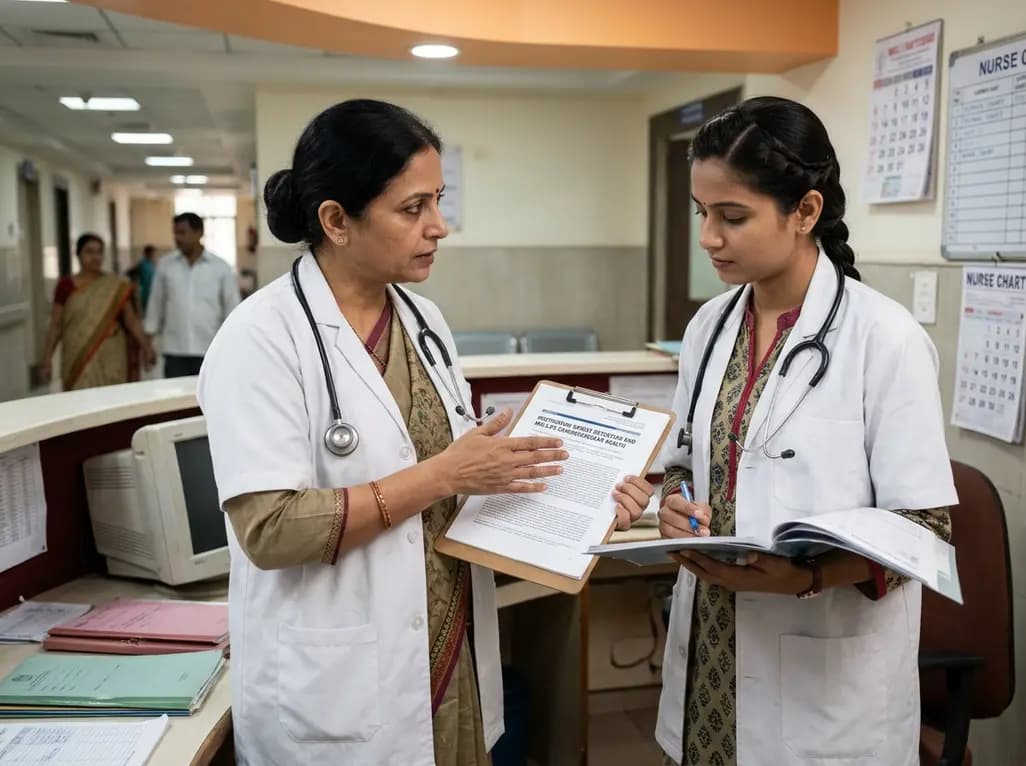
Findings from Project Viva indicate that sustained postpartum weight retention, rather than excessive gestational weight gain alone, directly worsens women's mid-life cardiovascular health, degrading blood pressure and glycemic parameters decades after delivery.
Today
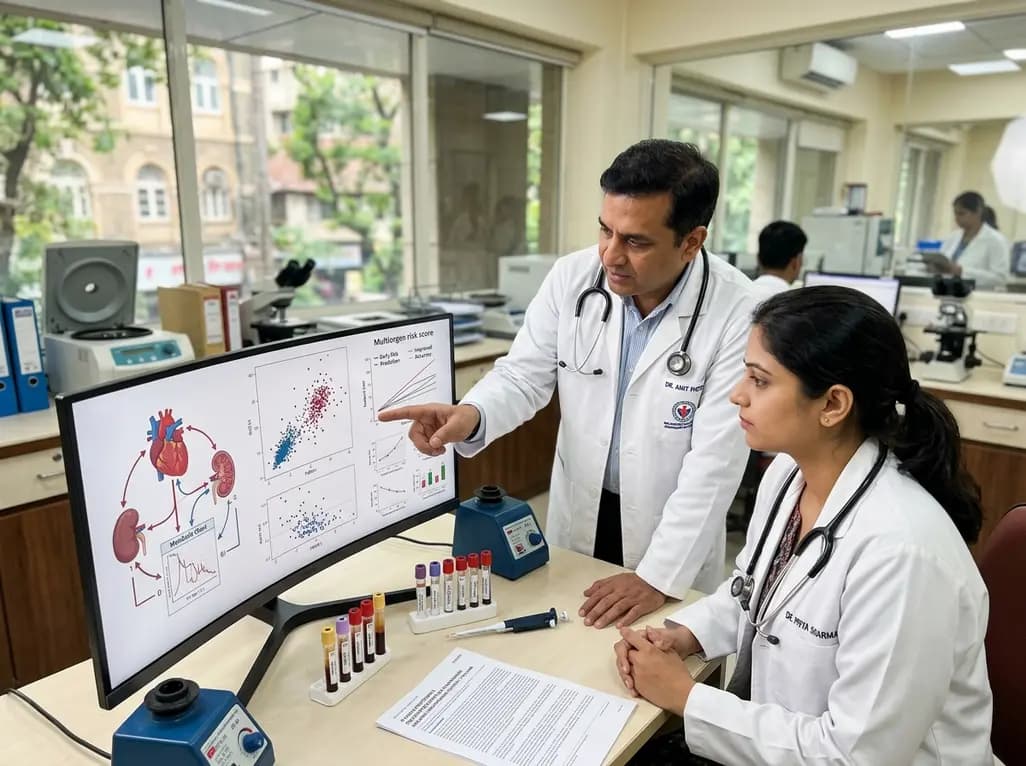
A large UK Biobank study reveals that plasma proteomic signatures capture preclinical organ damage and improve multiorgan risk prediction across early CKM syndrome stages 0 to 2 beyond traditional PREVENT clinical models.
Today
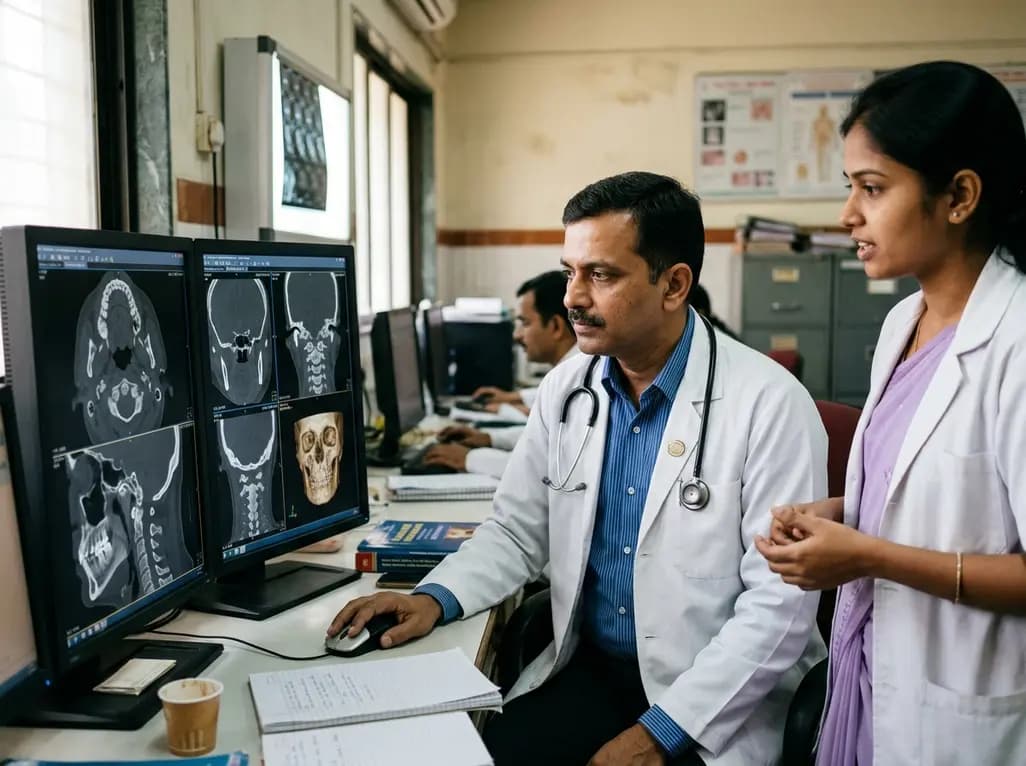
A retrospective CBCT study reveals that superior TMJ space asymmetry correlates moderately with occipital condyle-atlas-axis asymmetry in unilateral TMJ osteoarthritis, highlighting an imaging correlate between jaw biomechanics and upper cervical alignment rather than a standalone diagnostic marker.
Today
A Bayesian multilevel meta-analysis reveals that aerobic training combined with moderate carbohydrate restriction modestly lowers HbA1c in type 2 diabetes. However, sparse data and very low certainty leave incremental benefits over exercise or diet alone unproven, highlighting the need for individualized care.
Today
