.webp&w=384&q=75)

Loading, please wait...
Loading, please wait...
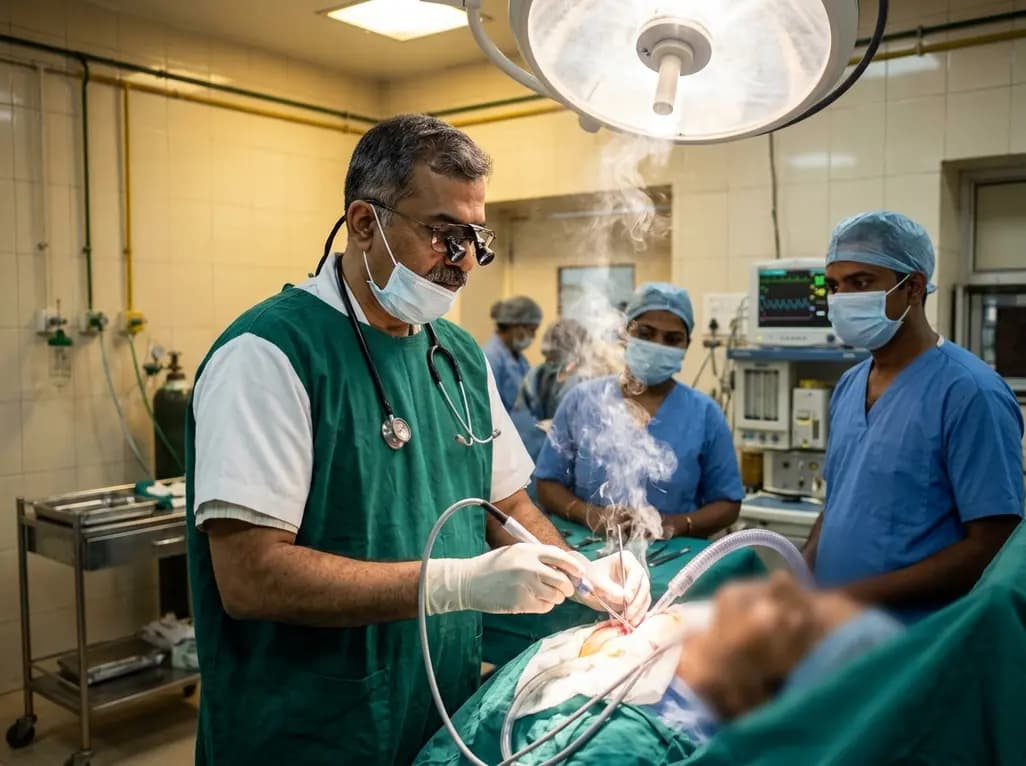
Otolaryngologists frequently encounter viral lesions during airway procedures, raising important questions about pathogen transmission. In recent years, occupational HPV exposure has become a major safety discussion for surgical teams performing ablative interventions. Surgical plumes generated by lasers and electrosurgical units release bioaerosols into the operating theatre. Evaluating whether these plumes present transmission hazards is vital for establishing evidence-based occupational protocols.
Surgical specialists frequently encounter human papillomavirus when treating recurrent respiratory papillomatosis and upper aerodigestive neoplasms. During these procedures, surgeons commonly employ thermal ablation to vaporize lesions, producing visible plumes containing particulate debris. Consequently, operating theatre staff express legitimate concerns regarding accidental inhalation or mucosal contact with viral matter.
Although mucosal inoculation typically occurs through direct sexual contact, bioaerosol inhalation represents a plausible alternative exposure pathway. Otolaryngologists, anaesthesiologists, and scrub nurses work in close proximity to the patient's laryngeal inlet during endolaryngeal microsurgery. Therefore, evaluating aerosol containment and viral viability remains essential for healthcare personnel safety. Recent comprehensive scoping reviews synthesize evidence from laboratory assays and clinical studies across multiple decades. These findings help clinicians differentiate theoretical transmission hazards from proven occupational risks in everyday surgical practice.
Energy-driven surgical modalities generate bioaerosols by rapidly heating intracellular water until cellular structures rupture. When surgeons apply carbon dioxide lasers to mucosal papillomas, the resulting surgical smoke frequently contains detectable viral DNA fragments. In contrast, procedures utilizing potassium titanyl phosphate lasers or standard electrocautery demonstrate significantly lower or undetectable HPV DNA levels. Thus, the choice of energy modality and wavelength influences aerosolization dynamics.
Furthermore, laboratory tests have documented HPV DNA on surgical instruments and gloves following lesion excision. However, polymerase chain reaction detection of viral DNA does not necessarily confirm viable, replication-competent virions. Thermal energy often fragments nucleic acids and disrupts viral capsid integrity, thereby reducing infectivity. Consequently, although viral genomic fragments disperse during laser vaporization, convincing evidence of infectious virus in surgical plume remains limited in published literature.
Despite decades of laser surgery, confirmed occupational HPV transmission causing clinical pathology in otolaryngologists remains remarkably scarce. Cross-sectional investigations indicate that oral HPV positivity among surgeons treating recurrent respiratory papillomatosis is approximately 2.2 percent. Importantly, this prevalence does not exceed baseline rates documented in the general population. Therefore, existing epidemiological data do not show an increased risk of HPV-associated head and neck disease among surgical teams.
Moreover, while historic case reports suggested possible transmission, they lacked definitive genetic sequencing to prove procedural transmission. Follow-up mucosal swabbing of surgical personnel immediately after ablative cases consistently demonstrates negative viral tests. Although outer gloves and suction tips harbor surface contamination, intact human mucosal barriers effectively resist low viral inocula. Consequently, while procedural exposure is biologically plausible, clinically meaningful infection transmission remains an unproven occupational hazard.
Engineering controls serve as the primary line of defense against surgical smoke hazards. Local exhaust ventilation systems capture bioaerosols directly at the operative site before dispersion occurs throughout the room. To ensure optimal capture efficiency, suction nozzles must be positioned within two centimeters of the ablation field. High-efficiency particulate air filters reliably capture submicron viral particles and aerosolized debris.
Additionally, healthcare workers should use adequate personal protective equipment during all plume-generating airway procedures. Standard surgical masks provide insufficient filtration and leave wide peripheral facial gaps. Instead, operating teams must wear fit-tested N95 or FFP3 respirators, which filter at least 95 to 99 percent of airborne particles. Eye protection and full face shields further prevent mucosal splash exposures. Despite established safety benefits, clinical surveys show substantial underutilization of respirators and dedicated smoke evacuators in daily practice.
Prophylactic HPV vaccination represents a highly effective biomedical intervention against high-risk and low-risk viral genotypes. Nonavalent recombinant vaccines generate strong antibody responses against HPV types 6 and 11, which cause respiratory papillomas, and oncogenic types 16 and 18. Accordingly, multiple professional surgical societies recommend offering vaccination to healthcare workers who regularly manage HPV-related aerodigestive lesions.
However, survey data reveal that vaccination rates among practicing otolaryngologists remain relatively low. Commonly reported barriers include lack of institutional guidelines, perceived age-related inefficacy, time constraints, and immunization costs. Because initial vaccine trials targeted adolescents, many senior surgeons question adult vaccine utility. Nevertheless, immunogenicity data confirm robust antibody production across adult age groups without prior type-specific exposure. Healthcare institutions should consider offering sponsored vaccination programs to enhance perioperative safety alongside mechanical smoke evacuation and respirator use.
Managing occupational risks in otolaryngology requires balanced, evidence-based safety measures without fostering unwarranted anxiety. Although current literature does not prove elevated rates of clinical infection among surgeons, surgical smoke contains well-documented chemical hazards. Combustion byproducts such as benzene, formaldehyde, and carbon monoxide independently cause respiratory irritation and long-term toxicity. Therefore, operating suites should enforce universal smoke evacuation regardless of viral status.
Moving forward, the medical community requires prospective multi-center cohort studies to evaluate long-term occupational exposure and seroconversion. In addition, device manufacturers should develop integrated smoke evacuation channels within endolaryngeal micro-instruments. Specialty organizations must also publish standardized clinical consensus guidelines regarding protective equipment and vaccination recommendations. Implementing uniform safety standards will ensure a safer working environment for otolaryngologists, trainees, and perioperative staff worldwide.
Current scientific evidence indicates that while HPV DNA can be detected in surgical smoke generated during certain laser procedures, proven clinical transmission to healthcare providers remains extremely rare. Studies show that oral HPV infection rates among otolaryngologists do not exceed general population baselines. Nevertheless, surgical smoke poses theoretical biological risks and confirmed chemical hazards, making active smoke evacuation and high-grade respiratory protection essential during all ablative airway cases.
Standard surgical masks cannot adequately filter submicron viral particles or provide a tight facial seal against surgical smoke. Therefore, perioperative personnel must wear fit-tested particulate respirators, such as N95, FFP2, or FFP3 masks, during all plume-generating airway interventions. When properly fitted, these specialized respirators effectively capture over 95 percent of airborne bioaerosols, substantially reducing inhalation risks when used alongside active local exhaust ventilation systems in operating rooms.
Many professional organizations recommend considering HPV vaccination for healthcare providers who regularly manage HPV-related lesions and perform mucosal ablations. The nonavalent HPV vaccine generates strong neutralizing antibodies against benign types 6 and 11, which cause recurrent respiratory papillomatosis, as well as high-risk oncogenic genotypes. While immunization provides valuable prophylactic coverage, it should complement rather than replace standard infection control practices like local smoke evacuation and particulate respirators.
Disclaimer: This content is for informational and educational purposes only and does not constitute formal medical or occupational health advice. Healthcare workers should follow institutional protocols and refer to the latest local and national guidelines for clinical practice.
References

Read summarized clinical updates, watch expert medical content, and earn CME certifications right from your smartphone.
Open your smartphone camera to scan and install.





A scoping review assesses occupational HPV exposure among otolaryngologists, analyzing plume contamination during airway surgery, clinical transmission risk, PPE usage, and vaccination uptake to guide operating room safety standards.
last month

Targeting ferroptosis provides a compelling strategy to dismantle hypoxia- and acidosis-driven immunosuppression in solid tumors, enhancing response to modern immunotherapy.
Today

Findings from Project Viva indicate that sustained postpartum weight retention, rather than excessive gestational weight gain alone, directly worsens women's mid-life cardiovascular health, degrading blood pressure and glycemic parameters decades after delivery.
Today
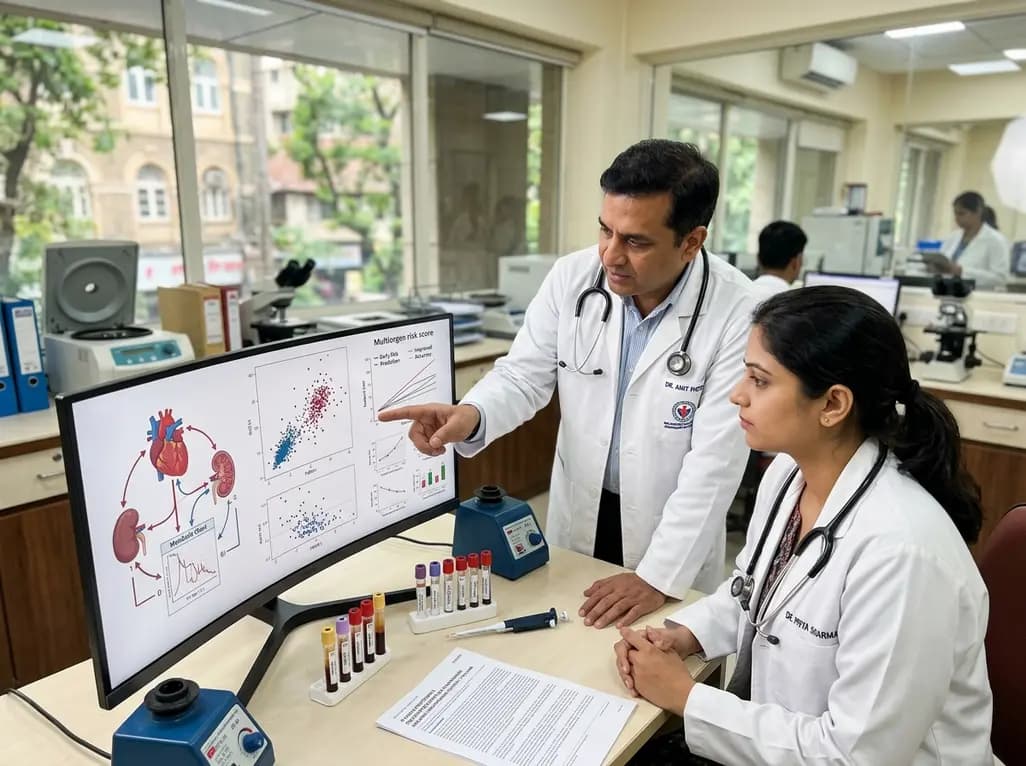
A large UK Biobank study reveals that plasma proteomic signatures capture preclinical organ damage and improve multiorgan risk prediction across early CKM syndrome stages 0 to 2 beyond traditional PREVENT clinical models.
Today
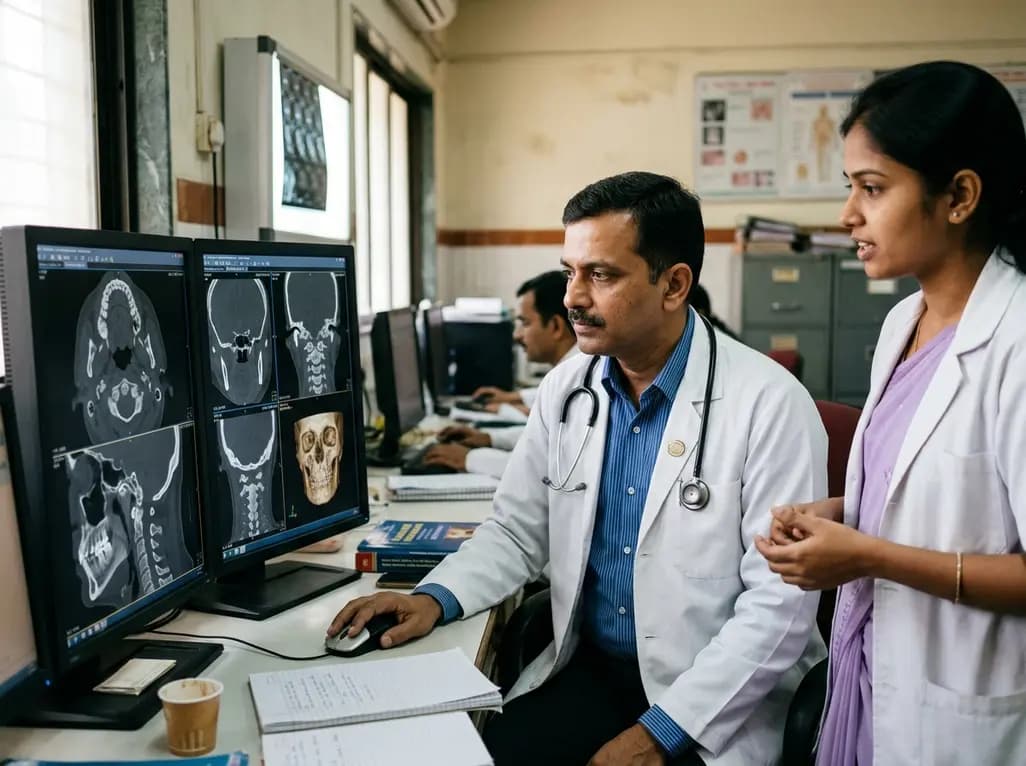
A retrospective CBCT study reveals that superior TMJ space asymmetry correlates moderately with occipital condyle-atlas-axis asymmetry in unilateral TMJ osteoarthritis, highlighting an imaging correlate between jaw biomechanics and upper cervical alignment rather than a standalone diagnostic marker.
Today

A Bayesian multilevel meta-analysis reveals that aerobic training combined with moderate carbohydrate restriction modestly lowers HbA1c in type 2 diabetes. However, sparse data and very low certainty leave incremental benefits over exercise or diet alone unproven, highlighting the need for individualized care.
Today
