.webp&w=384&q=75)

Loading, please wait...
Loading, please wait...
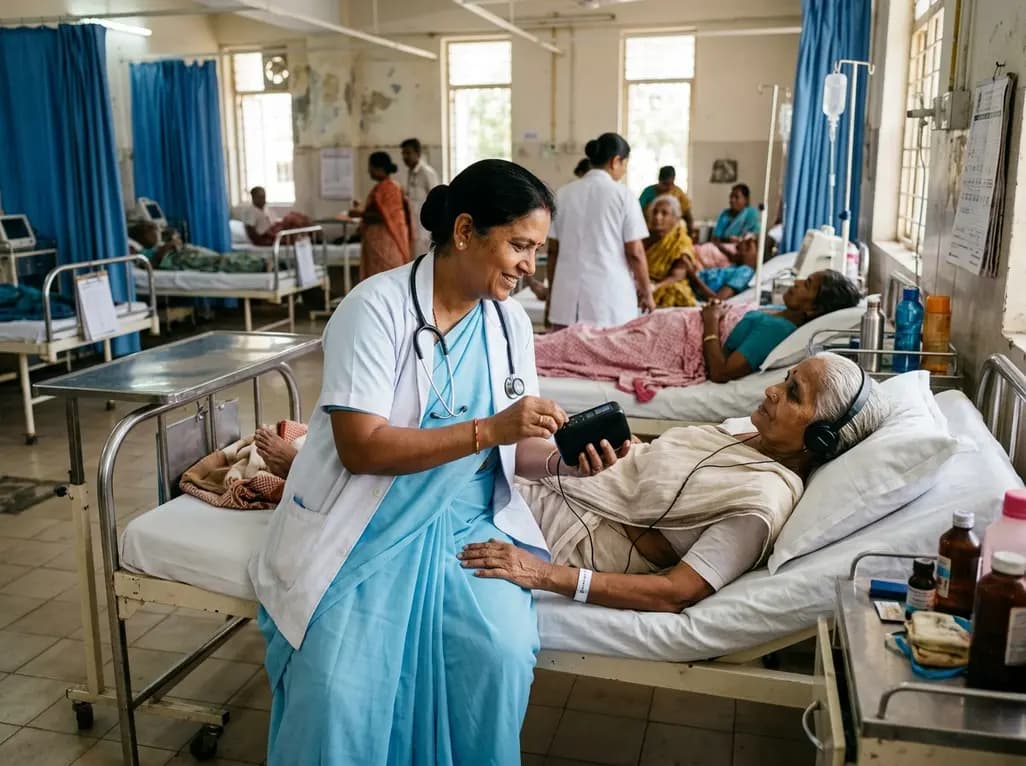
Hospitalized individuals routinely experience acute discomfort, distress, and sensory overload during inpatient admissions. While pharmacotherapy remains the cornerstone of clinical analgesia, multimodal strategies provide safer and more holistic relief. Consequently, integrating music for pain relief into routine nursing practice has emerged as a valuable non-pharmacological modality. A pragmatic implementation trial recently evaluated how bedside nurses across adult and pediatric inpatient units successfully adopt recorded music listening protocols. By examining implementation pathways, clinicians can understand how simple acoustic interventions alleviate acute anxiety, ease boredom, and foster autonomous bedside practice. In addition, embedding these evidence-based techniques empowers healthcare providers to deliver compassionate, individualized care while supporting broader hospital wellness goals.
Modern inpatient pain management requires a nuanced, multimodal approach that addresses both sensory perception and psychological distress. Pharmacological interventions, while effective, often carry significant risks such as sedation, respiratory depression, tolerance, and adverse gastrointestinal effects. Therefore, clinical teams increasingly seek non-pharmacological adjuncts to mitigate these complications. Listening to structured music alters central nervous system processing by modulating neurochemical pathways. Specifically, acoustic stimulation triggers the release of endogenous endorphins, dopamine, and serotonin. These biochemical mediators help downregulate sympathetic nervous system activity, lowering heart rates, blood pressure, and circulating cortisol levels.
Furthermore, music functions as a potent cognitive distractor. When patients focus on familiar, pleasing melodies, the brain shifts attention away from noxious nociceptive inputs and environmental stressors. Consequently, patients perceive lower intensity of discomfort during dressing changes, intravenous line placements, and post-surgical recovery periods. In addition, the psychological benefits extend beyond pure analgesia. Hospitalized individuals frequently experience feelings of isolation, vulnerability, and acute anxiety. Offering music restores emotional equilibrium and fosters a calming therapeutic milieu. Thus, integrating music into daily ward routines represents a low-cost, low-risk, and biologically plausible strategy for comprehensive comfort care across diverse clinical populations.
Translating non-pharmacological evidence into daily clinical workflows requires structured implementation science frameworks. In this multi-unit study, investigators utilized the Practical, Robust Implementation, and Sustainability Model (PRISM) along with the RE-AIM framework. The trial spanned four distinct inpatient settings, comprising three adult medical-surgical units and one pediatric unit over a six-month intervention period. Implementation science principles guided each operational phase to ensure seamless integration and long-term sustainability.
To overcome clinical inertia, the multidisciplinary team executed several targeted strategies. First, they identified and trained dedicated nurse champions on each participating unit. These champions served as peer mentors, demonstrating protocol delivery and encouraging colleagues during shift handoffs. Second, staff participated in interactive in-person educational modules that outlined the neurobiology of music analgesia and protocol logistics. Third, researchers provided standardized unit research binders containing practical clinical algorithms, hygiene protocols, and patient selection guidelines. Furthermore, the team equipped units with streaming accounts on dedicated tablets preloaded with curated, diverse playlists. By measuring Reach, Effectiveness, Adoption, Implementation, and Maintenance (RE-AIM), the investigators accurately tracked electronic health record documentation, staff adoption rates, and workflow sustainability across varied hospital settings.
Successful bedside delivery depends directly upon reliable technology and frictionless clinical workflows. In this study, bedside nurses utilized mobile tablets connected to institutional streaming platforms with pre-established playlists. This technological configuration eliminated cumbersome physical media and ensured rapid access to high-quality audio across genres. Patients engaged in music listening for an average duration of 78 minutes per session, with 78% of deliveries occurring directly via dedicated bedside tablets.
Crucially, patient autonomy served as a central tenet of the protocol. Clinical evidence indicates that self-selected auditory stimuli elicit stronger emotional resonance and deeper neurological relaxation than clinician-selected tracks. Accordingly, patients selected their preferred musical genre in 46% of recorded sessions. Nurses offered music across diverse clinical indications rather than restricting its use solely to breakthrough pain episodes. Specifically, bedside records revealed that nurses provided recorded music to relieve acute anxiety in 32% of instances, mitigate environmental boredom in 27%, alleviate somatic pain in 22%, and provide procedural distraction in 19%. This versatile clinical utility demonstrates that music listening functions as a flexible, multi-purpose comfort tool. Consequently, nurses could tailor sessions dynamically to each patient's immediate physical and psychological needs without disrupting routine nursing workflows.
The evaluation yielded compelling objective and subjective outcomes regarding protocol adoption and healthcare provider satisfaction. Analysis of electronic health record data demonstrated a notable upward trajectory in documentation frequency. Specifically, monthly documented music listening sessions increased from an average of 9 sessions pre-intervention to 16 sessions post-intervention. Remarkably, this documentation rose further to 22 sessions per month during the long-term sustainment phase, illustrating robust integration into daily practice.
Moreover, the intervention generated profound positive effects on nursing morale and professional fulfillment. Pre- and post-intervention survey assessments indicated statistically significant improvements in nurse motivation and job satisfaction. Bedside nurses reported feeling that offering music allowed them to accomplish something deeply meaningful and worthwhile for their patients. This sense of autonomous, patient-centered care provided vital emotional buffering during demanding shifts. Interestingly, quantitative pain intensity scores recorded immediately before and after listening sessions did not exhibit statistically significant numerical reductions. However, qualitative feedback and broad clinical adoption highlighted meaningful reductions in subjective distress, muscle tension, and procedural anxiety. Therefore, the true clinical value of music interventions encompasses overall patient well-being, emotional regulation, and enhanced clinician-patient rapport rather than simple numerical score changes alone.
Despite promising adoption rates, clinical trials conducted during the COVID-19 pandemic encountered distinct operational challenges that offer valuable lessons for hospital leadership. High patient acuity, rapid staff turnover, and pervasive clinical workload contributed to significant data collection fatigue. Consequently, post-implementation documentation on bedside tracking forms declined over time, even while electronic health record entries confirmed ongoing music delivery.
To ensure long-term sustainability, healthcare facilities must establish streamlined, low-burden documentation systems. Integrating rapid-entry documentation widgets into existing electronic health records minimizes extra charting burden for busy staff. Furthermore, hospitals must address infection control protocols by establishing standardized device sanitization workflows between patient uses. Assigning dedicated tablet charging stations and providing disposable headphone covers prevents cross-contamination in high-turnover inpatient wards. Additionally, sustaining nurse champion programs through continuous peer recognition and regular refresher huddles reinforces best practices. By addressing these logistical challenges proactively, healthcare organizations can create resilient non-pharmacological care protocols. Ultimately, embedding music listening into institutional clinical pathways empowers bedside teams, enhances the overall patient experience, and advances comprehensive, empathetic hospital care.
Listening to music stimulates the auditory cortex and limbic system, triggering the release of neurochemicals like dopamine and endogenous endorphins. These neurotransmitters reduce sympathetic arousal, decreasing heart rate and systemic blood pressure. Furthermore, music acts as a powerful cognitive distractor, shifting attention away from unpleasant physical sensations. Consequently, patients experience lowered procedural anxiety, reduced distress, and enhanced physiological comfort throughout their hospital stay.
Deploying bedside music protocols requires dedicated internet-connected tablets equipped with commercial streaming services and curated playlists across multiple genres. In addition, hospitals need single-use headphones or sanitizable personal audio devices to ensure rigorous infection control. Establishing secure charging stations and assigning nurse champions helps maintain equipment availability. Finally, embedding quick-charting prompts into the electronic health record ensures reliable clinical documentation without overburdening nursing staff.
Administrators can minimize documentation fatigue by replacing cumbersome paper forms with automated electronic health record checkboxes. Integrating music delivery charting into standard shift assessments prevents duplicated effort. Furthermore, hospital leaders should provide continuous positive reinforcement, share unit-level adoption metrics during morning huddles, and designate nurse champions to support peers. These streamlined strategies maintain high clinician engagement while preserving data fidelity and patient-centered workflows.
Disclaimer: This content is for informational and educational purposes only and is not intended to serve as medical advice, diagnosis, or treatment. Healthcare professionals should rely on their clinical judgment and verify details independently. Refer to the latest local and national guidelines for clinical practice.
References

Read summarized clinical updates, watch expert medical content, and earn CME certifications right from your smartphone.
Open your smartphone camera to scan and install.





A pragmatic implementation study shows that nurses can effectively deploy recorded bedside music protocols across inpatient wards to relieve pain, anxiety, and boredom while enhancing autonomous nursing practice.
4 weeks back

Targeting ferroptosis provides a compelling strategy to dismantle hypoxia- and acidosis-driven immunosuppression in solid tumors, enhancing response to modern immunotherapy.
Today

Findings from Project Viva indicate that sustained postpartum weight retention, rather than excessive gestational weight gain alone, directly worsens women's mid-life cardiovascular health, degrading blood pressure and glycemic parameters decades after delivery.
Today
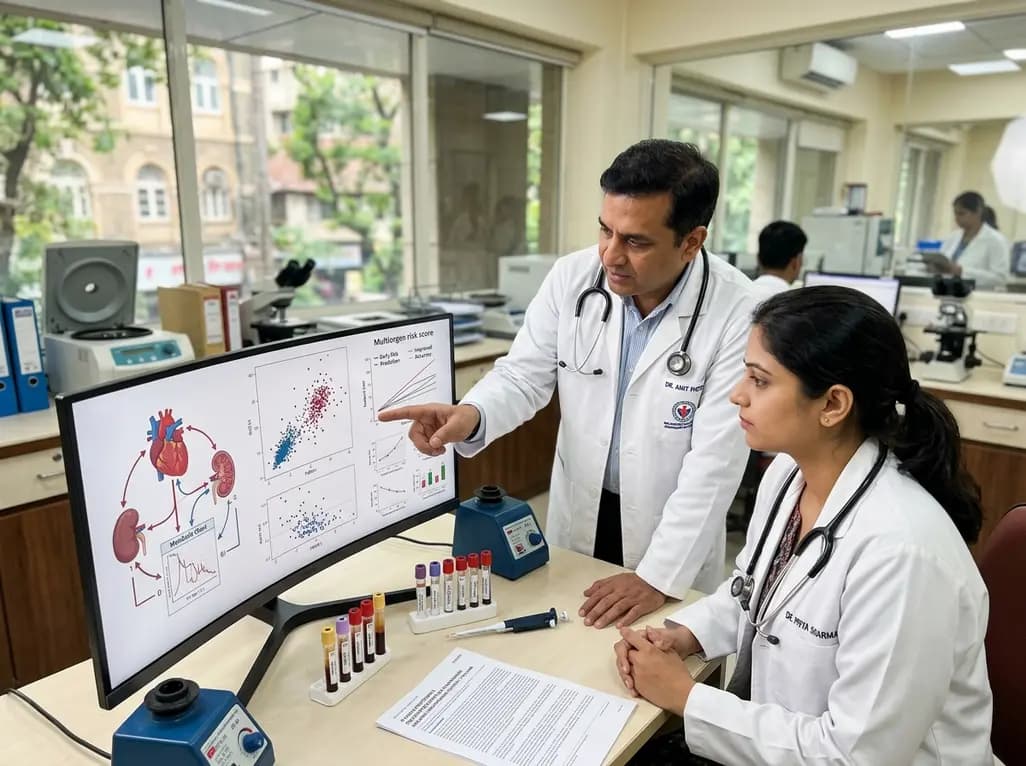
A large UK Biobank study reveals that plasma proteomic signatures capture preclinical organ damage and improve multiorgan risk prediction across early CKM syndrome stages 0 to 2 beyond traditional PREVENT clinical models.
Today
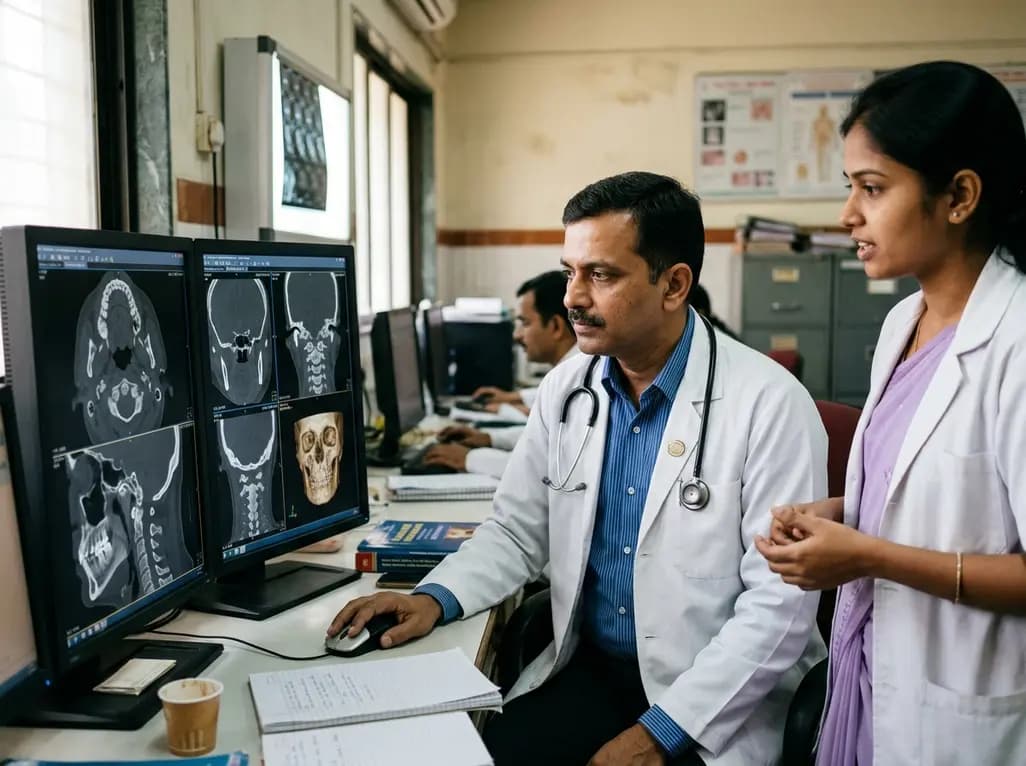
A retrospective CBCT study reveals that superior TMJ space asymmetry correlates moderately with occipital condyle-atlas-axis asymmetry in unilateral TMJ osteoarthritis, highlighting an imaging correlate between jaw biomechanics and upper cervical alignment rather than a standalone diagnostic marker.
Today

A Bayesian multilevel meta-analysis reveals that aerobic training combined with moderate carbohydrate restriction modestly lowers HbA1c in type 2 diabetes. However, sparse data and very low certainty leave incremental benefits over exercise or diet alone unproven, highlighting the need for individualized care.
Today
