.webp&w=384&q=75)

Loading, please wait...
Loading, please wait...
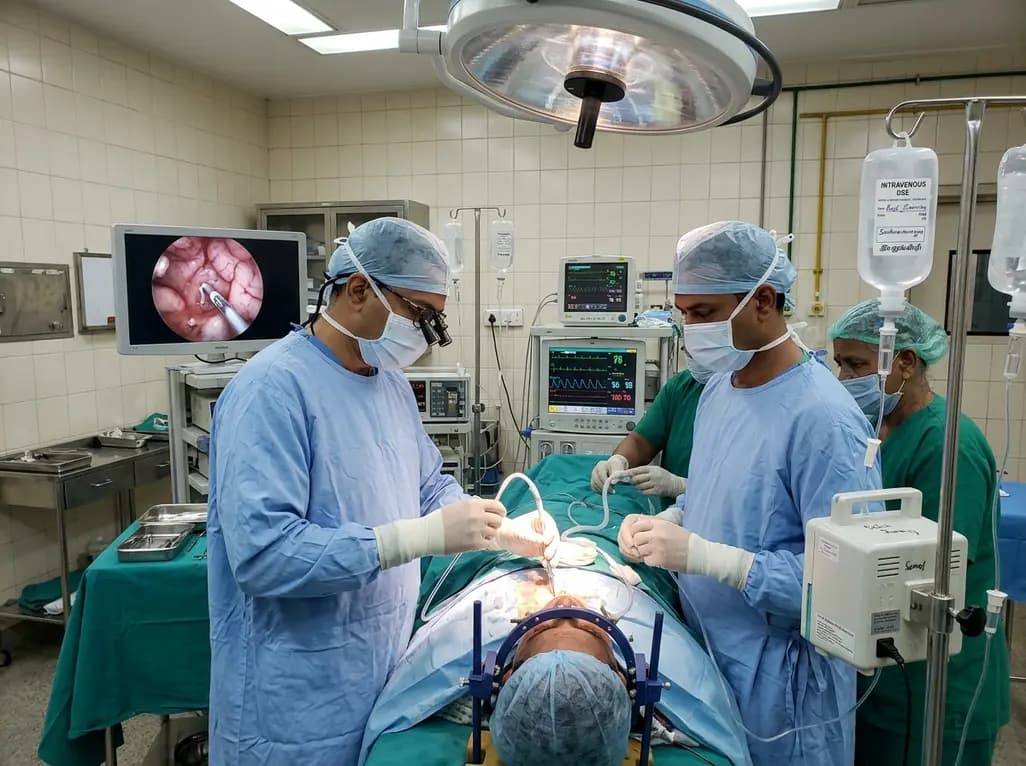
Subdural empyema represents a critical, life-threatening intracranial infection that demands rapid neurosurgical intervention and targeted antimicrobial therapy. Utilizing a specialized subdural empyema irrigating catheter technique provides a novel minimally invasive alternative to traditional open craniotomy. This severe condition involves purulent fluid accumulation between the dura mater and arachnoid membrane, frequently resulting from sinusitis, otitis media, or neurosurgical procedures. Conventional neurosurgical interventions center on open craniotomy or burr hole drainage combined with prolonged systemic antimicrobial treatment. Although these conventional approaches save lives, clinicians routinely encounter significant post-operative complications. High morbidity and mortality rates persist in clinical practice because viscous purulent material often pockets in complex anatomic compartments. Standard irrigation methods frequently fail to cleanse these refractory extra-axial spaces, leading to persistent infection or disease recurrence.
Managing extensive or recurrent infections presents a demanding clinical hurdle for neurosurgical teams. Patients suffering from multifocal or bilateral purulent collections face elevated risks of neurological deficits, persistent elevated intracranial pressure, and repeated surgical evacuations. Consequently, clinicians constantly seek refined procedures that minimize surgical trauma while maximizing infection clearance. By enabling targeted fluid exchange within the subdural space, surgeons can clear localized collections without subjecting vulnerable patients to multiple invasive craniotomies.
To overcome the limitations associated with conventional neurosurgical evacuation, clinical researchers have developed advanced minimally invasive techniques. A prominent innovation involves the integration of a dual-action continuous system, specifically designed as a subdural empyema irrigating catheter intervention. Traditional management strategies rely heavily on static surgical drains, which often clog with fibrin and viscous bacterial exudate. Conversely, continuous irrigating and draining catheters maintain active fluid movement, preventing blockage and continually washing out inflammatory debris and infectious bacteria from the subdural space.
This novel system works by delivering localized, targeted antimicrobial solution directly into the extra-axial compartment while simultaneously evacuating purulent fluid. Furthermore, local antimicrobial delivery achieves elevated therapeutic concentrations directly at the primary site of infection without causing systemic toxicities. By maintaining continuous fluid circulation, this approach disrupts loculated fluid pockets and promotes rapid clearance of residual bacterial elements. Modern neurosurgeons recognize that active lavage significantly reduces local inflammatory cascades, which subsequently protects delicate cortical tissues from ischemic injury and secondary encephalopathy. Early clinical evidence indicates that this dynamic irrigating-draining strategy provides a highly controlled environment, optimizing patient stabilization while substantially lowering the necessity for subsequent open surgical revisions.
A recent clinical case report highlights the successful application of this novel therapeutic strategy in a complex patient scenario. A 24-year-old male presented to the emergency department displaying new-onset severe headache, acute lethargy, progressive confusion, and involuntary extremity tremors. Initial diagnostic neuroimaging identified a prominent left frontal extra-axial fluid collection, which prompt neurosurgical evaluation confirmed as a primary subdural empyema. The medical team immediately performed an emergent left frontal craniotomy to achieve surgical evacuation and decompression of the intracranial space.
Despite immediate open surgical treatment and aggressive broad-spectrum intravenous antibiotic coverage, the patient’s clinical course encountered severe post-operative complications. Subsequent serial neuroimaging demonstrated the development of bilateral subdural empyemas, indicating persistent and spreading infection across multiple anatomical compartments. Re-opening the craniotomy or performing broad bilateral craniotomies carried immense surgical risks, including heightened tissue trauma, excessive intraoperative hemorrhage, and extended recovery times. Recognizing these profound clinical risks, the multidisciplinary neurosurgical team decided against traditional aggressive craniotomy. Instead, they opted for a novel minimally invasive intervention utilizing specialized irrigating-draining catheters placed bilaterally to manage the expanding infection efficiently.
The surgical team performed the minimally invasive procedure by carefully placing novel irrigating-draining catheters into the bilateral subdural spaces under precise imaging guidance. This surgical technique required significantly smaller skull openings compared to extensive craniotomies, thereby preserving structural craniomaxillofacial integrity and limiting surgical stress. Once positioned correctly within the infected extra-axial spaces, the catheter system initiated continuous active irrigation using a specialized antimicrobial solution. This mechanism established a continuous flow circuit that gently flushed out loculated purulent exudates while simultaneously draining the extra-axial space.
Throughout the irrigation protocol, the medical team closely monitored intracranial pressure dynamics and drainage characteristics to ensure patient safety. Continuous antibiotic lavage offered distinct pharmacokinetic advantages by maintaining high local drug concentrations directly within the infected subdural space. Additionally, active fluid exchange prevented catheter occlusion, a common complication observed with traditional passive surgical drains. The patient tolerated the catheter insertion and subsequent irrigation course remarkably well without suffering intraoperative hemorrhage, neurological deterioration, or catheter-related mechanical complications. This structured approach successfully cleared the purulent fluid while maintaining hemodynamic and neurological stability throughout the intensive care unit stay.
The therapeutic impact of continuous localized irrigation was evident in the patient's rapid clinical recovery and resolution of systemic infection markers. Neuroimaging performed during and after the irrigation therapy demonstrated progressive collapse of the subdural collections and complete resolution of bilateral empyemas. Following the successful completion of continuous antimicrobial lavage, the neurosurgical team safely removed the dual-action catheters without incurring any procedural complications or neurological deficits.
The patient achieved complete clinical stabilization and was subsequently discharged to an inpatient rehabilitation facility for functional recovery. Notably, comprehensive neurological evaluations conducted at a four-month follow-up visit confirmed excellent recovery, showing no residual focal neurological deficits, cognitive impairments, or seizure activity. Furthermore, follow-up neuroimaging confirmed absolute clearance of the intracranial infection without any signs of empyema recurrence. This favorable long-term outcome underscores the safety and clinical efficacy of minimally invasive irrigating drainage systems. In young, vulnerable patients, avoiding repeated open brain surgeries through continuous local irrigation significantly improves long-term quality of life and reduces overall length of hospital stay.
Subdural empyema remains a highly challenging neurosurgical condition where conventional treatments frequently fail to prevent recurrence or operative morbidity. The clinical success demonstrated in this case highlights a promising therapeutic paradigm for managing refractory, complex, or bilateral extra-axial infections. Utilizing a minimally invasive catheter system allows clinicians to deliver high-dose antimicrobial lavage directly to the infected focus while avoiding the physiological trauma of repeated craniotomies.
However, clinicians must consider several important factors before broadly implementing this technique. Careful patient selection is paramount, as loculated or highly organized solid debris may still require open surgical debridement. Furthermore, standardized protocols regarding irrigation rate, antibiotic choice, and duration of continuous flushing need formal established guidelines. Future prospective clinical trials and larger comparative cohort studies must further evaluate the long-term efficacy, safety profile, and cost-effectiveness of this novel irrigating catheter technique against classic burr hole or craniotomy approaches. Continuous clinical research will help refine minimally invasive neurosurgical infection management, ultimately improving patient outcomes globally.
A subdural empyema irrigating catheter system is a minimally invasive neurosurgical device designed to deliver continuous antimicrobial fluid irrigation into the subdural space while simultaneously draining purulent exudate. This active fluid exchange helps dissolve loculated infection, clearance of bacterial debris, and prevents drain occlusion without requiring open craniotomy.
Continuous antibiotic irrigation achieves high localized drug concentrations directly at the site of infection while avoiding high systemic drug toxicities. Furthermore, continuous fluid circulation actively flushes out viscous purulent fluid, prevents inflammatory loculations, maintains catheter patency, and promotes rapid clearance of refractory bacterial collections within complex extra-axial spaces.
While the catheter approach offers a safe, minimally invasive alternative, it does not completely eliminate the need for open craniotomy. Initial open surgery or burr holes may still be necessary for primary evacuation or thick, organized debris. However, irrigating catheters provide a highly effective solution for recurrent or bilateral collections.
Disclaimer: This content is for informational and educational purposes only and does not constitute medical advice, diagnosis, or treatment. Healthcare professionals should rely on their professional judgment and refer to the latest local and national guidelines for clinical practice.
References

Read summarized clinical updates, watch expert medical content, and earn CME certifications right from your smartphone.
Open your smartphone camera to scan and install.





A novel minimally invasive approach utilizing an irrigating-draining catheter with continuous antibiotic irrigation successfully treated complex bilateral subdural empyemas, achieving complete resolution without neurological deficits or recurrence at 4-month follow-up.
last month
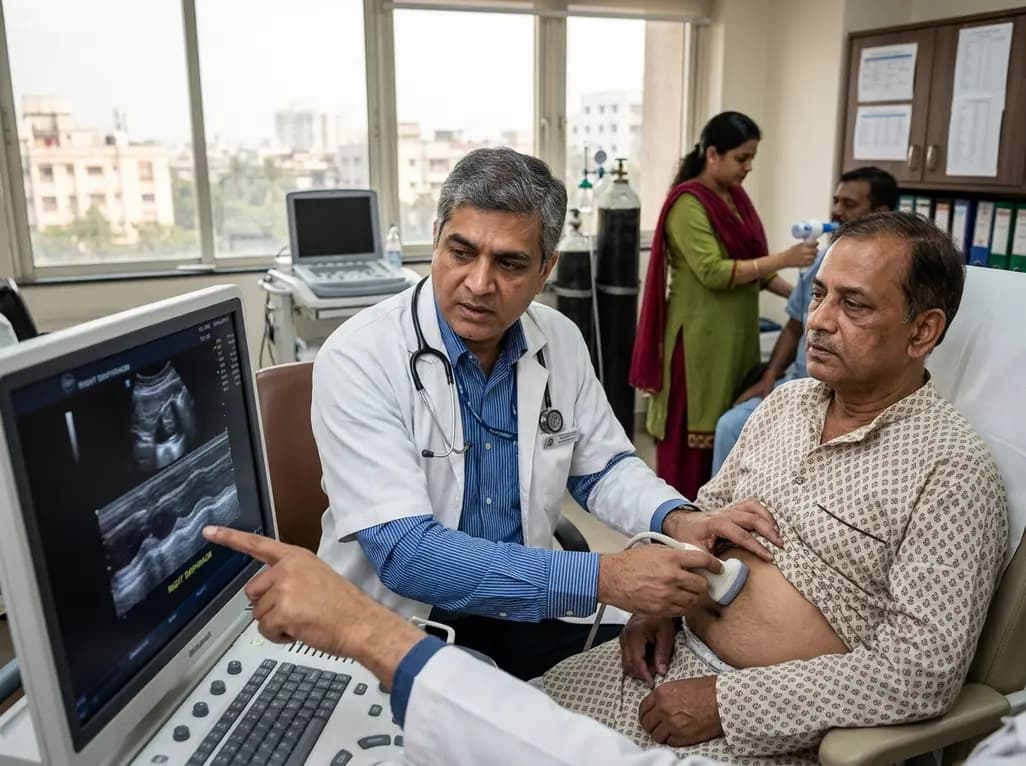
Diaphragmatic dysfunction affects over a third of chronic stroke patients, worsening sleep, mood, and functional mobility. Ultrasound assessment and inspiratory training improve outcomes.
Today
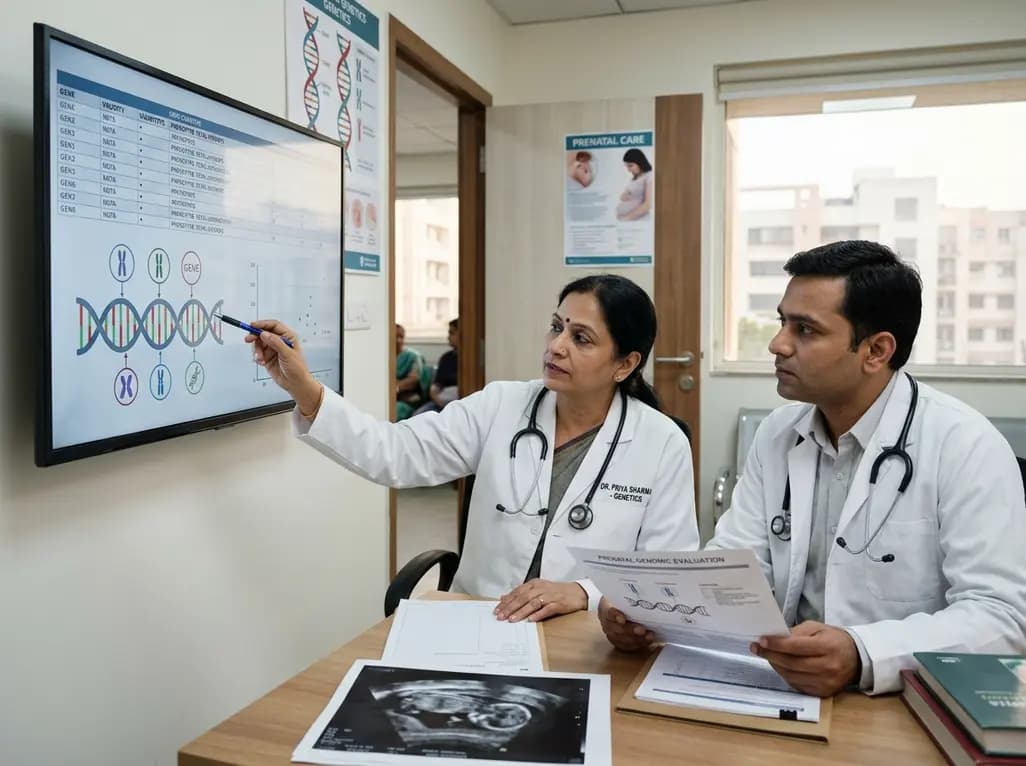
The ClinGen Prenatal Gene Curation Expert Panel evaluated 63 disease relationships across 61 genes, establishing clinical validity for severe fetal phenotypes like hydrops and stillbirth to enhance prenatal genomic interpretation and clinical care.
Yesterday
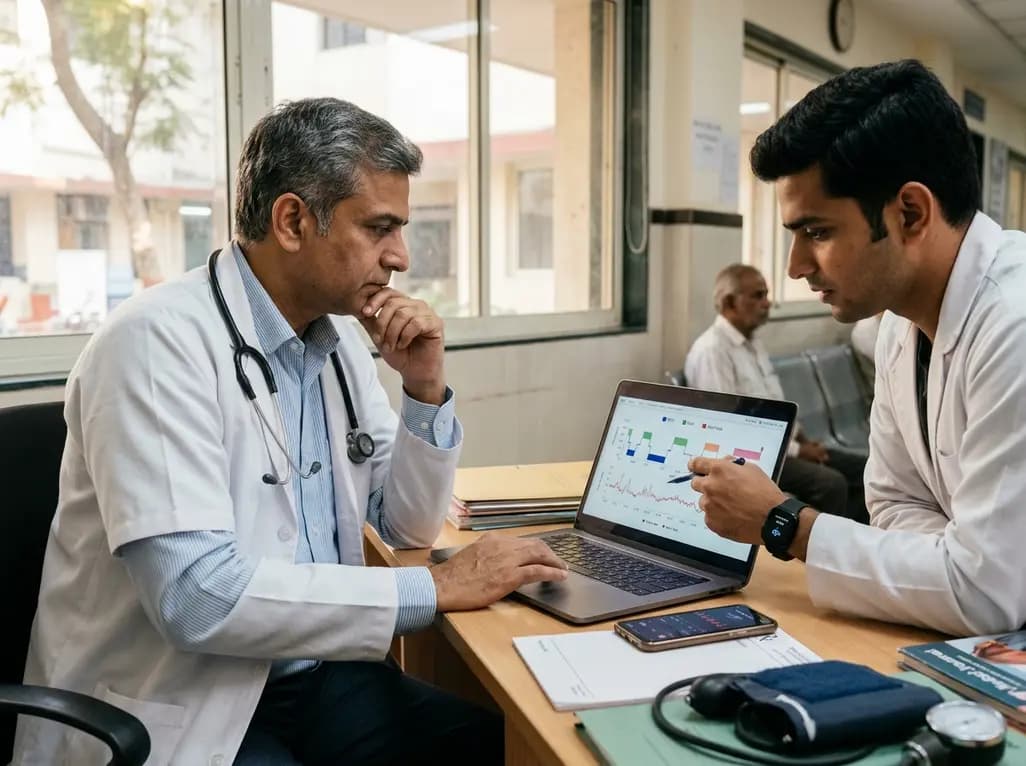
Wearable sleep health technology provides continuous biometric monitoring to augment cardiovascular risk assessment. By tracking autonomic proxies and sleep architecture, these digital tools empower clinicians to guide cardiometabolic interventions, despite persistent challenges in wake detection specificity.
Today
Idiopathic axillary web syndrome (IAWS) is a rare cause of shoulder pain and mobility restriction characterized by palpable axillary cording without prior surgery or trauma. Early diagnosis, nonsteroidal anti-inflammatory therapy, and physical rehabilitation lead to complete resolution of symptoms.
Today
SWEDEPAD-1 trial insights show paclitaxel-coated devices do not improve long-term limb salvage in patients with chronic limb-threatening ischemia and tissue loss. While one-year reinterventions decreased, the devices were linked to a higher risk of major amputation at three months.
Today
