.webp&w=384&q=75)

Loading, please wait...
Loading, please wait...
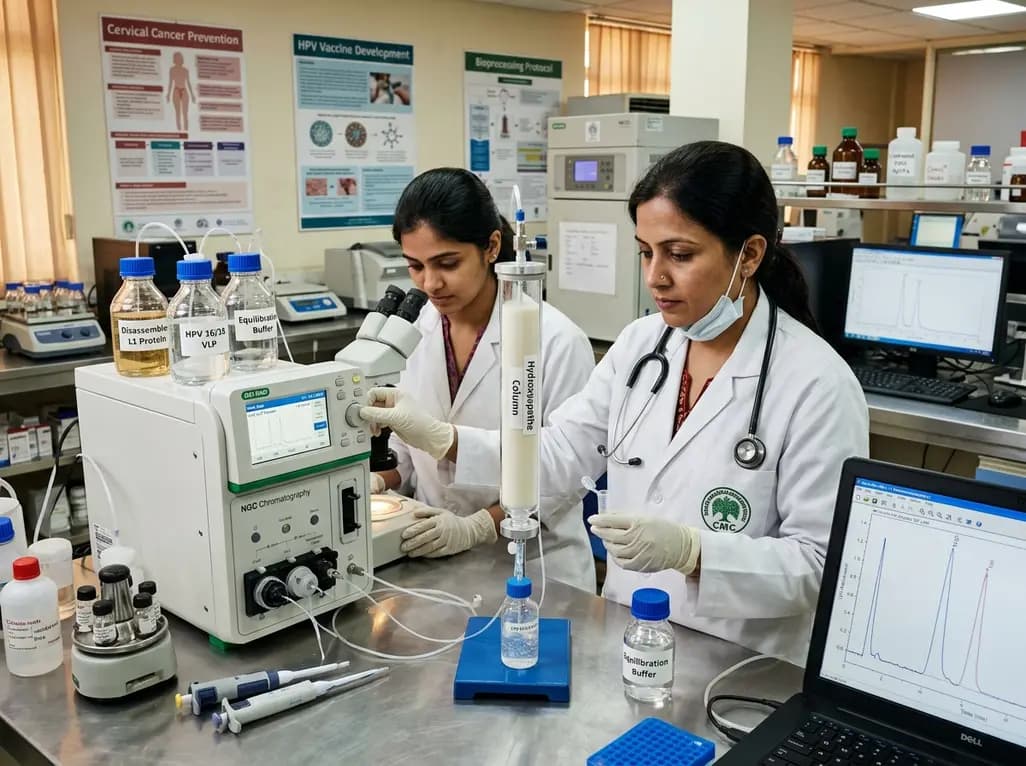
Vaccine manufacturing innovations play a critical role in expanding global immunization coverage against oncogenic viruses. Human papillomavirus (HPV) vaccines rely primarily on recombinant capsid architectures that mimic native virions without carrying infectious viral genomes. Recently, researchers developed an advanced bioprocessing protocol where hydroxyapatite chromatography purifies disassembled L1 capsid subunits rather than intact assemblies. This methodological refinement substantially improves virus-like particle recovery, column capacity, and overall process efficiency. Consequently, downstream bioprocessing yields increase significantly while maintaining crucial structural and immunogenic product attributes.
Human papillomavirus represents the primary etiological agent responsible for cervical malignancies, anogenital cancers, and recurrent respiratory papillomatosis worldwide. Modern prophylactic HPV vaccines utilize non-infectious virus-like particles (VLPs) formed through the spontaneous self-assembly of the viral major capsid protein, L1. Because VLPs lack viral genetic material, they offer exceptional clinical safety alongside potent immunogenicity. Specifically, these particulate structures present dense, repetitive conformational epitopes that elicit robust neutralizing antibody titers and long-lasting B-cell memory. Currently, commercial manufacturers produce recombinant L1 proteins using heterologous host systems, such as Saccharomyces cerevisiae, Pichia pastoris, or baculovirus-infected insect cells. However, expressing these proteins within host cells generates complex crude lysates. Therefore, bioprocess engineers must implement rigorous downstream purification workflows to remove host cell proteins, lipids, and nucleic acids while maximizing intact product yields.
Purification platforms frequently employ hydroxyapatite (HA) chromatography to clear residual host cell nucleic acids and proteins from recombinant viral proteins. Hydroxyapatite possesses mixed-mode chemical properties, offering both positively charged calcium ions (C-sites) and negatively charged phosphate groups (P-sites). Traditionally, purification processes operate in a bind-and-elute mode with fully assembled VLPs. Nevertheless, intact VLPs represent large macromolecular complexes measuring 50 to 60 nanometers in diameter. Because of this substantial hydrodynamic size, intact particles face severe steric hindrance and slow intraparticle diffusion within chromatographic pores. Consequently, the operational binding capacity of HA resin remains markedly constrained. Furthermore, intact VLPs exhibit strong binding avidity across multiple resin contact points, which complicates selective elution and reduces overall recovery during final formulation.
To overcome traditional mass transfer limitations, bioengineers investigated whether disassembling VLPs into individual L1 capsomeres before chromatographic separation could enhance virus-like particle recovery. Because monomeric and pentameric L1 subunits display lower avidity toward HA resin than assembled particles, scientists successfully shifted the separation strategy from bind-and-elute mode to flow-through mode. Under optimized mobile phase conditions, host cell impurities—particularly host cell DNA and tightly bound contaminating proteins—adsorb firmly to the hydroxyapatite matrix. Meanwhile, disassembled L1 protein subunits pass freely through the column bed. Therefore, this flow-through configuration prevents resin saturation, dramatically increases dynamic loading capacity, and eliminates harsh elution steps that often degrade sensitive protein structures.
Dynamic loading studies demonstrated that flow-through purification of disassembled L1 capsomeres achieves nucleic acid clearance comparable to conventional VLP-based bind-and-elute protocols. Batch partition screening experiments carefully identified mobile phase salt concentrations and pH thresholds that maximize L1 recovery while maintaining strong retention of acidic host cell DNA. Because nucleic acids carry high negative charge densities, they bind tenaciously to HA calcium sites even when L1 subunits pass unrestricted. Additionally, purifying L1 in its disassembled state shortens column residence time and avoids excessive column fouling. Following chromatographic collection, researchers reassembled the purified L1 protein subunits into intact VLPs through controlled redox dialysis, achieving structural morphology and biophysical attributes identical to standard vaccine preparations.
Scalability remains an essential metric for modern multivalent vaccine platforms. When researchers evaluated this flow-through approach across recombinant L1 proteins from multiple HPV serotypes expressed in yeast systems, the protocol demonstrated a greater than 35% increase in yield for six of eight tested types. Moreover, performing disassembly upstream during purification streamlines the overall biomanufacturing pipeline. Standard commercial workflows often require crude VLP purification, followed by separate downstream disassembly and reassembly stages to ensure particle uniformity. In contrast, introducing disassembly prior to the HA chromatography step merges purification with conformational control. Thus, the integrated approach eliminates redundant unit operations, lowers manufacturing consumables costs, and substantially improves batch-to-batch consistency.
Enhancing bioprocess productivity directly influences global public health initiatives aimed at eliminating cervical cancer. In many low- and middle-income regions, including India, high manufacturing costs and restricted supply chains create significant barriers to nationwide immunization programs. Cervical cancer ranks among the leading oncological causes of mortality in Indian women, making cost-effective, high-yield manufacturing vital for sustainable immunization programs. By improving column capacity and boosting L1 protein yields across diverse HPV types, this innovative purification method can lower production costs for multivalent vaccines. Consequently, healthcare systems can expand vaccination coverage, protect broader population cohorts, and accelerate progress toward global cervical cancer elimination goals.
Disassembling large virus-like particles into smaller L1 protein subunits reduces steric hindrance within chromatographic resin pores. Consequently, disassembled capsomeres display lower binding avidity toward hydroxyapatite, enabling efficient flow-through purification. This mode allows host cell impurities and DNA to bind strongly while L1 capsomeres pass through freely, increasing column capacity and overall protein recovery without compromising purity.
No, transient disassembly does not compromise vaccine immunogenicity. After chromatographic clearance of host cell impurities, bioengineers reassemble the purified L1 capsomeres under controlled redox and buffering conditions. Biophysical analyses confirm that reassembled particles achieve identical morphology, size distribution, and critical conformational epitopes compared to standard vaccine preparations, thereby preserving full neutralizing antibody stimulation.
Scalable manufacturing directly addresses global vaccine supply shortages and reduces production costs per dose. Because cervical cancer disproportionately impacts women in developing countries, increasing biomanufacturing yields makes multivalent HPV vaccines more affordable and accessible. Therefore, enhanced process efficiency supports widespread public health immunization campaigns essential for eradicating HPV-associated malignancies worldwide.
Disclaimer: This content is for informational and educational purposes only. It is not intended to substitute professional medical advice, diagnosis, or treatment. Refer to the latest local and national guidelines for clinical practice.
References

Read summarized clinical updates, watch expert medical content, and earn CME certifications right from your smartphone.
Open your smartphone camera to scan and install.





A novel bioprocessing strategy utilizing flow-through hydroxyapatite chromatography of disassembled L1 capsid protein substantially enhances virus-like particle recovery, reducing manufacturing complexity and increasing yield for multivalent HPV vaccines essential for cervical cancer prevention.
last month
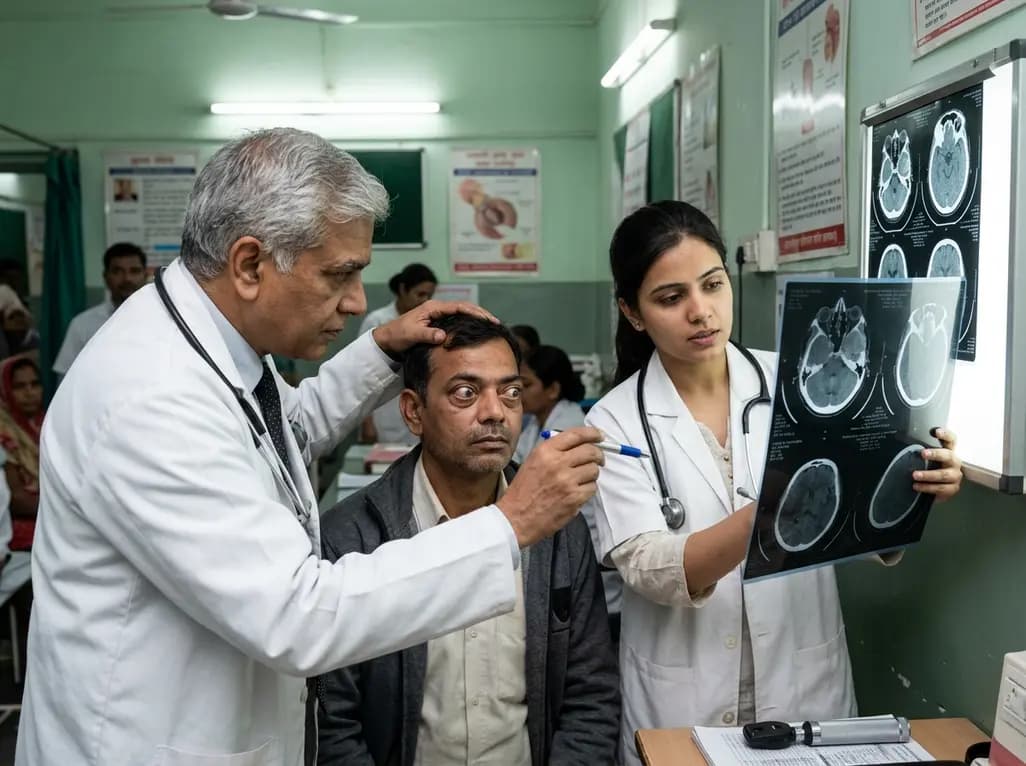
A recent clinical report details an atypical presentation of bilateral proptosis as the primary manifestation of aggressive multiple myeloma. Explore the diagnostic pathway, imaging findings, and critical multidisciplinary management strategies essential for handling extramedullary plasma cell dyscrasias.
Today
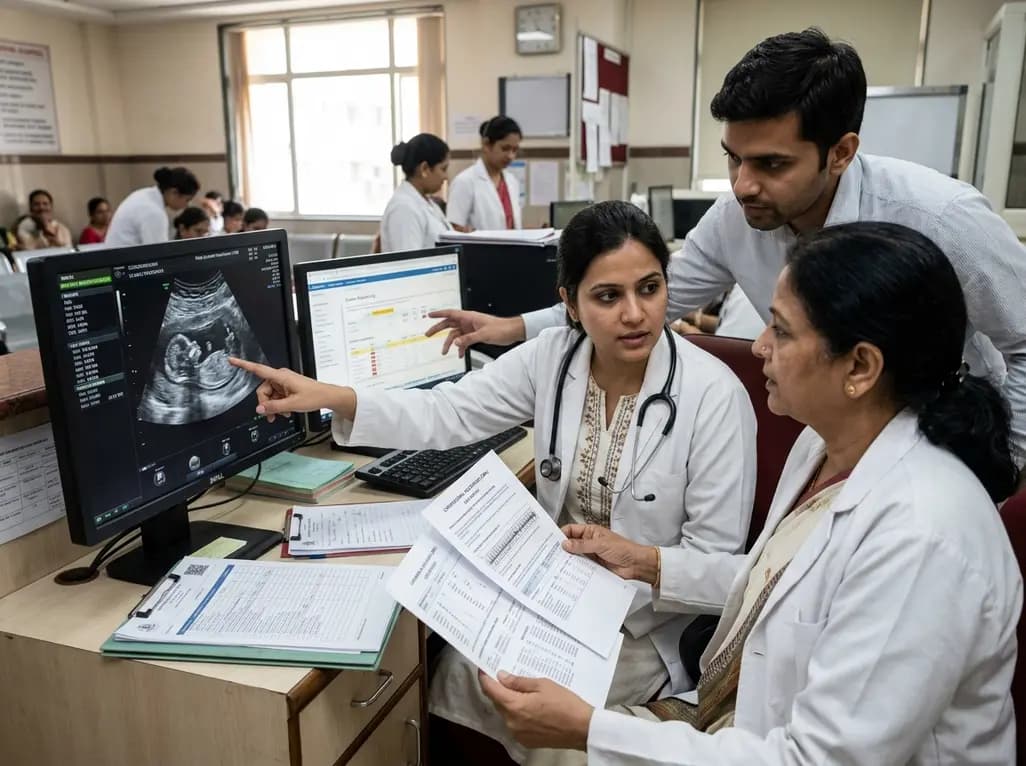
Prenatal evaluation of fetal growth restriction requires an integrated diagnostic approach. While chromosomal microarray remains fundamental, exome sequencing offers significant diagnostic yield in isolated and syndromic cases, especially when ultrasound shows skeletal anomalies or normal placental function.
Today
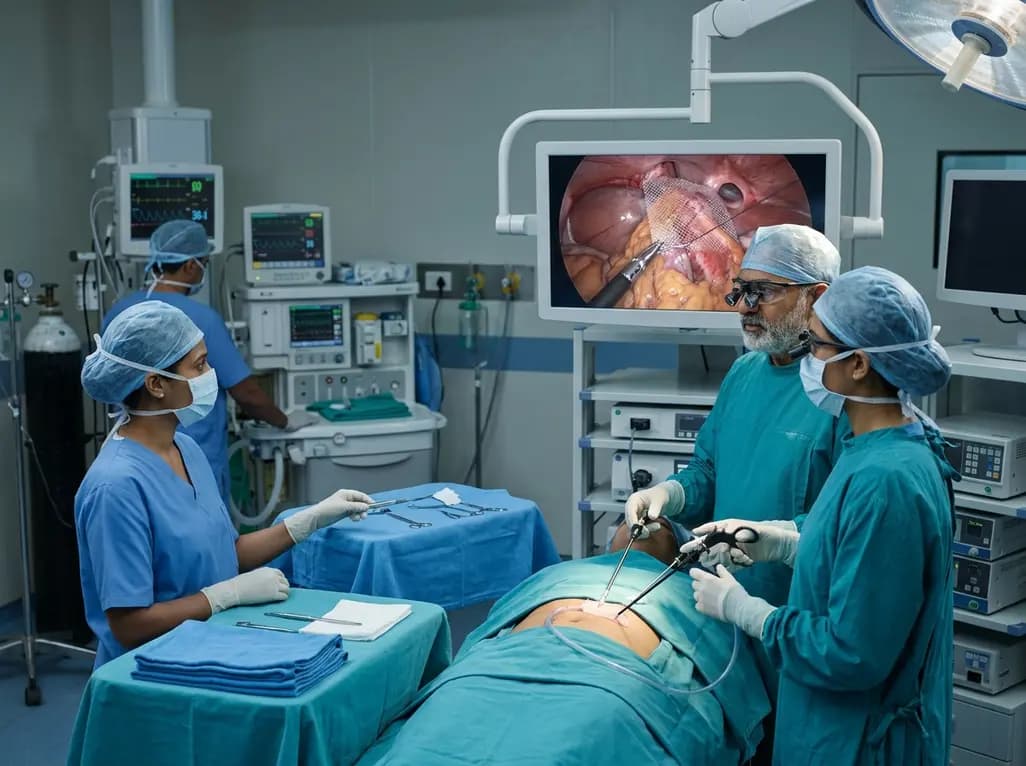
Discover a novel laparoscopic approach for iatrogenic diaphragmatic hernia repair following pedicled omentoplasty. This modified Sugarbaker technique integrates dorsal pedicle lateralization and round ligament reinforcement to secure the diaphragmatic defect while preserving vital omental vascularity.
Today

Evaluating Hill-Sachs lesion size and the distance to dislocation is critical in recurrent shoulder instability. As bone loss concepts shift from binary on-track classifications to continuous risk assessment, clinicians must identify when isolated Bankart repair is insufficient and supplementary procedures are needed.
Today
New research reveals that M1 macrophage-derived exosomes aggravate diabetic nephropathy by transferring WTAP to stabilize S1PR2 mRNA. Silencing WTAP in these vesicles attenuates endothelial injury and renal fibrosis, pointing toward innovative nanomedicine therapies.
Today
