.webp&w=384&q=75)

Loading, please wait...
Loading, please wait...
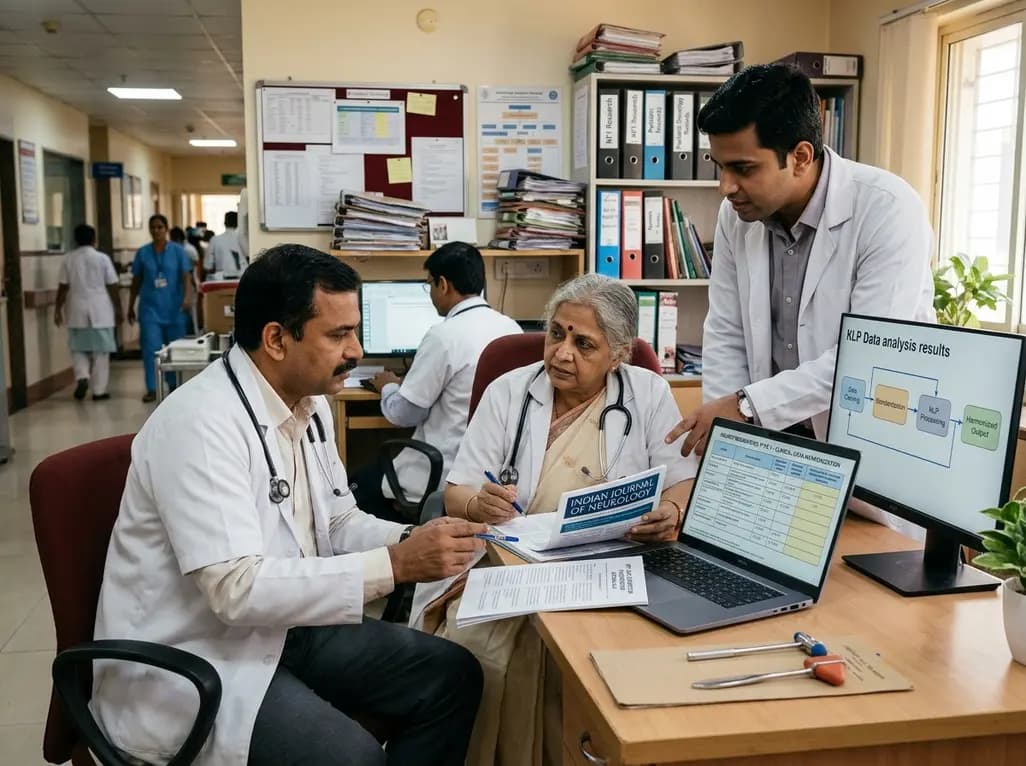
Electronic health records (EHRs) offer vast potential for secondary data use, epidemiological monitoring, and trial readiness in complex multisystem conditions. However, unstructured narrative text often suffers from severe variability, which complicates automated data retrieval. Neurofibromatosis Type 1 (NF1) is a classic example of a complex heterogeneous genetic disorder requiring multi-specialty care and longitudinal tracking. Accurate computational phenotyping relies on precise clinical documentation, yet physician narratives frequently lack uniform terminology. When clinicians use variable phrasing for identical clinical manifestations, automated algorithms struggle to identify cohorts or evaluate longitudinal disease trajectories effectively across different hospital systems.
A multi-center observational study examined thousands of pediatric outpatient progress notes to evaluate how clinicians capture core features of NF1. By leveraging a rule-based natural language processing algorithm, investigators evaluated lexical usage across providers, departments, and clinical centers over extended observation periods. The findings highlighted significant variation in how key diagnostic and monitoring features were documented. Crucial clinical entities, such as optic pathway gliomas, were routinely described using non-standardized phrasing rather than recognized consensus terms. While certain manifestations like cutaneous and plexiform neurofibromas demonstrated slightly better internal consistency, preferred clinical trial terminology was rarely used consistently. Furthermore, longitudinal gaps were prevalent, as documented clinical findings frequently omitted ongoing monitoring parameters in subsequent follow-up visits.
Natural language processing acts as a bridge between unstructured clinical narrative text and standardized clinical data repositories. By developing advanced linguistic rules and term mappings, natural language processing tools can successfully extract clinical entities despite substantial physician-level documentation heterogeneity. In neurofibromatosis research, applying automated text processing allows research networks to map disparate narrative expressions to unified clinical codes. This process significantly improves phenotypic consistency and data interoperability across disparate health systems. As medical centers adopt advanced machine learning strategies, standardized clinical documentation workflows remain essential to ensure high model sensitivity, specificity, and generalizability for observational studies and real-world evidence generation.
To overcome the limitations of unstructured physician progress notes, researchers have introduced data-informed standardized clinical lexicons. These structured vocabularies align observed routine documentation terms with established international terminology standards and trial nomenclature. Implementing a standardized clinical lexicon directly into electronic health record templates empowers clinicians to maintain seamless narrative workflows while capturing high-quality structured data. By harmonizing key clinical terms across pediatric neurology, neuro-oncology, and clinical genetics, health centers can establish robust, research-ready patient registries. This standardized approach directly enhances trial readiness by enabling precise, automated patient matching for emerging targeted therapeutics in neurofibromatosis type 1.
Enhancing data quality across health systems requires a multifaceted strategy involving clinical informatics, institutional leadership, and frontline medical providers. First, clinical documentation templates should incorporate intuitive, standardized entry fields that reflect current consensus definitions without creating administrative burden for physicians. Second, health systems should deploy real-time natural language processing algorithms that assist clinicians by suggesting preferred terminology during note creation. Finally, multi-institutional collaborative networks must continue developing shared data models to ensure seamless cross-site harmonization. Improving consistency in clinical documentation ultimately advances personalized medical care, accelerates multi-center clinical trials, and provides reliable real-world data for rare and complex neurologic conditions.
The primary obstacle is substantial lexical variation and incomplete longitudinal capture in unstructured clinician notes. Physicians frequently use inconsistent terms for core features such as optic pathway gliomas or cutaneous neurofibromas, which impedes the accuracy of automated computational phenotyping tools and multi-center data integration.
Natural language processing algorithms analyze free-text progress notes, identify key medical terms, and map disparate physician phrasing to standardized terminology structures. This process enables researchers to extract accurate phenotypic data from diverse health systems without requiring manual chart reviews.
Standardized documentation ensures that patient eligibility criteria, disease features, and clinical outcomes are captured uniformly across institutions. Consistent data entry accelerates cohort identification, improves trial matching accuracy, and generates reliable real-world evidence for evaluating novel therapeutic interventions.
Disclaimer: This content is for informational and educational purposes only. It does not constitute medical advice or substitute for professional judgment. Refer to the latest local and national guidelines for clinical practice.
References
Morris SM et al. Harmonizing Multi-Institutional Clinical Documentation Using Natural Language Processing in Neurofibromatosis Type 1. Neurol Clin Pract. 2026 Oct undefined. doi: 10.1212/CPJ.0000000000200648. PMID: 42585623.
Nelson J, Augustine M, Matthew S. Natural Language Processing (NLP) in Clinical Documentation. Res Gate. 2025 May.
Lalvani S, Brown RM. Neurofibromatosis Type 1: Optimizing Management with a Multidisciplinary Approach. J Multidiscip Healthc. 2024 Apr;17:1823-1836.

Read summarized clinical updates, watch expert medical content, and earn CME certifications right from your smartphone.
Open your smartphone camera to scan and install.





Inconsistent clinical documentation in neurofibromatosis type 1 hinders computational phenotyping. Learn how natural language processing and standardized clinical lexicons improve data harmonization, multi-institutional research, and trial readiness across pediatric neurology and oncology settings.
last month
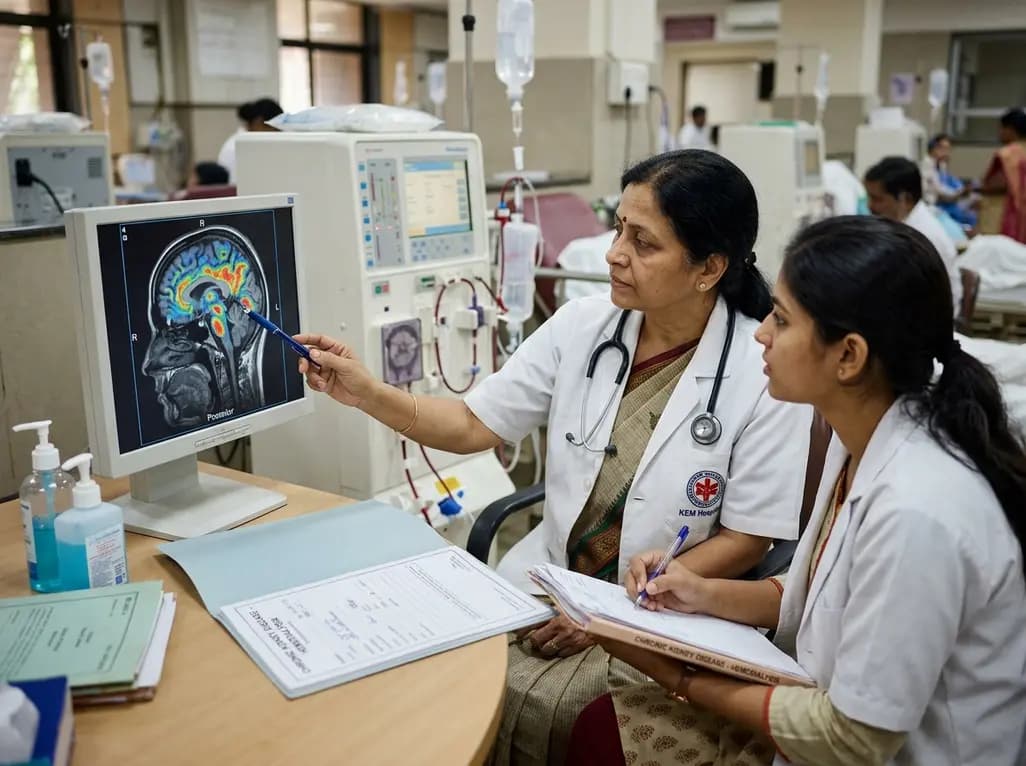
A retrospective clinical analysis reveals that hemodialysis-associated cognitive dysfunction arises from synergistic pathological mechanisms, including severe chronic anemia, worsening renal clearance, abnormal regional brain iron deposition, and an imbalance between neuroinflammatory and neurotrophic factors.
Today
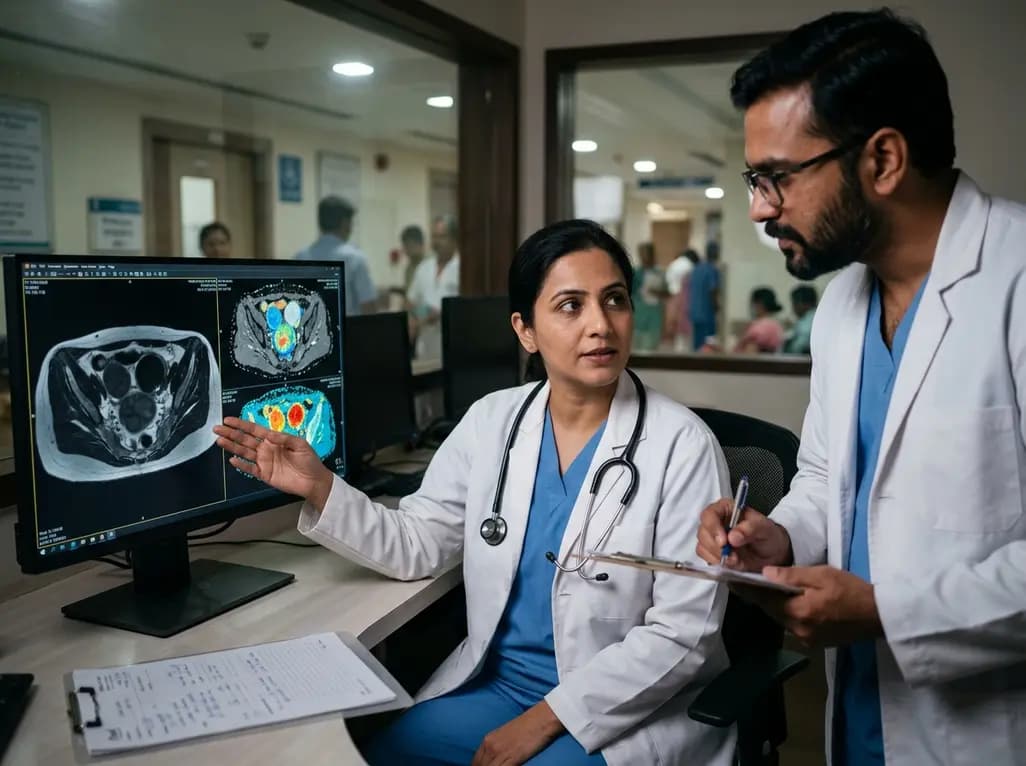
A multiparametric MRI approach combining quantitative T2 shading, apparent diffusion coefficient (ADC) measurements, and morphological signs provides superior diagnostic accuracy over subjective evaluation to differentiate ovarian endometriomas from benign hemorrhagic cysts.
Today
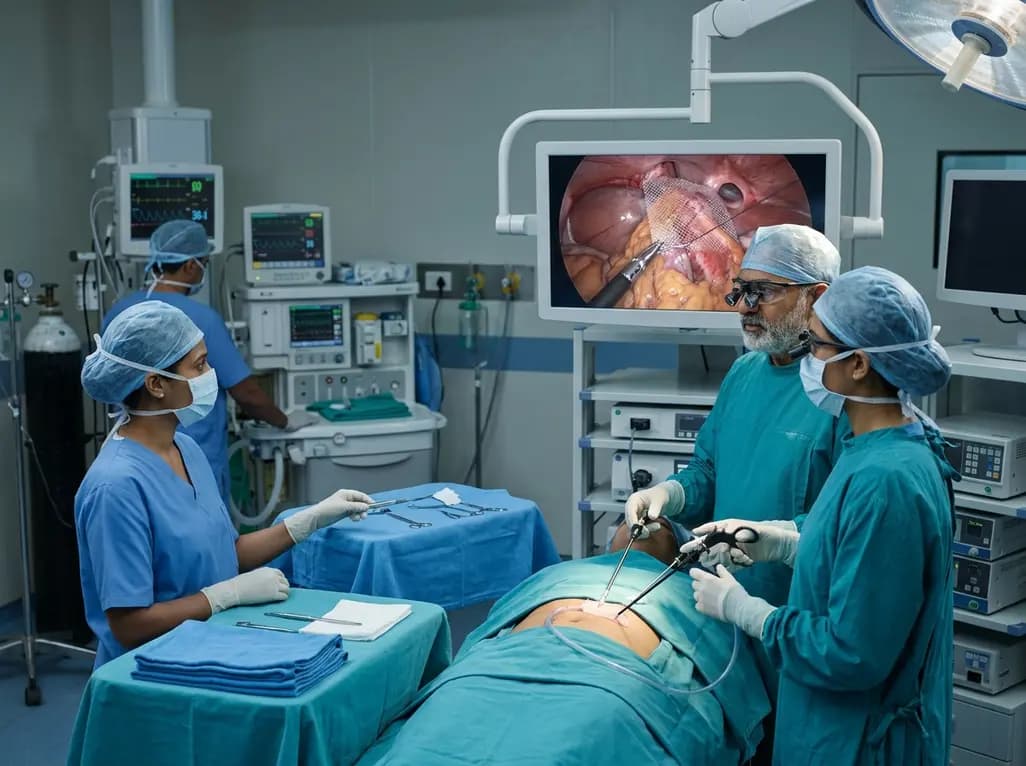
Discover a novel laparoscopic approach for iatrogenic diaphragmatic hernia repair following pedicled omentoplasty. This modified Sugarbaker technique integrates dorsal pedicle lateralization and round ligament reinforcement to secure the diaphragmatic defect while preserving vital omental vascularity.
Today

Evaluating Hill-Sachs lesion size and the distance to dislocation is critical in recurrent shoulder instability. As bone loss concepts shift from binary on-track classifications to continuous risk assessment, clinicians must identify when isolated Bankart repair is insufficient and supplementary procedures are needed.
Today
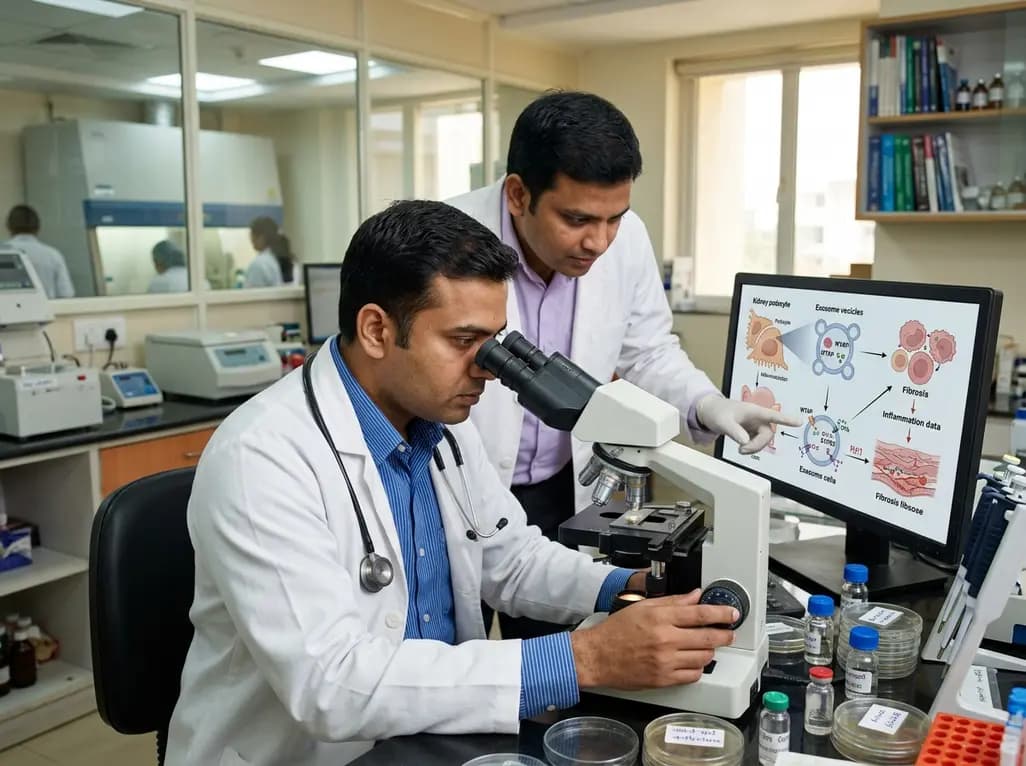
New research reveals that M1 macrophage-derived exosomes aggravate diabetic nephropathy by transferring WTAP to stabilize S1PR2 mRNA. Silencing WTAP in these vesicles attenuates endothelial injury and renal fibrosis, pointing toward innovative nanomedicine therapies.
Today
